
People Are Trading in Their Regular Beds for Japanese Futon Beds, Here’s Why

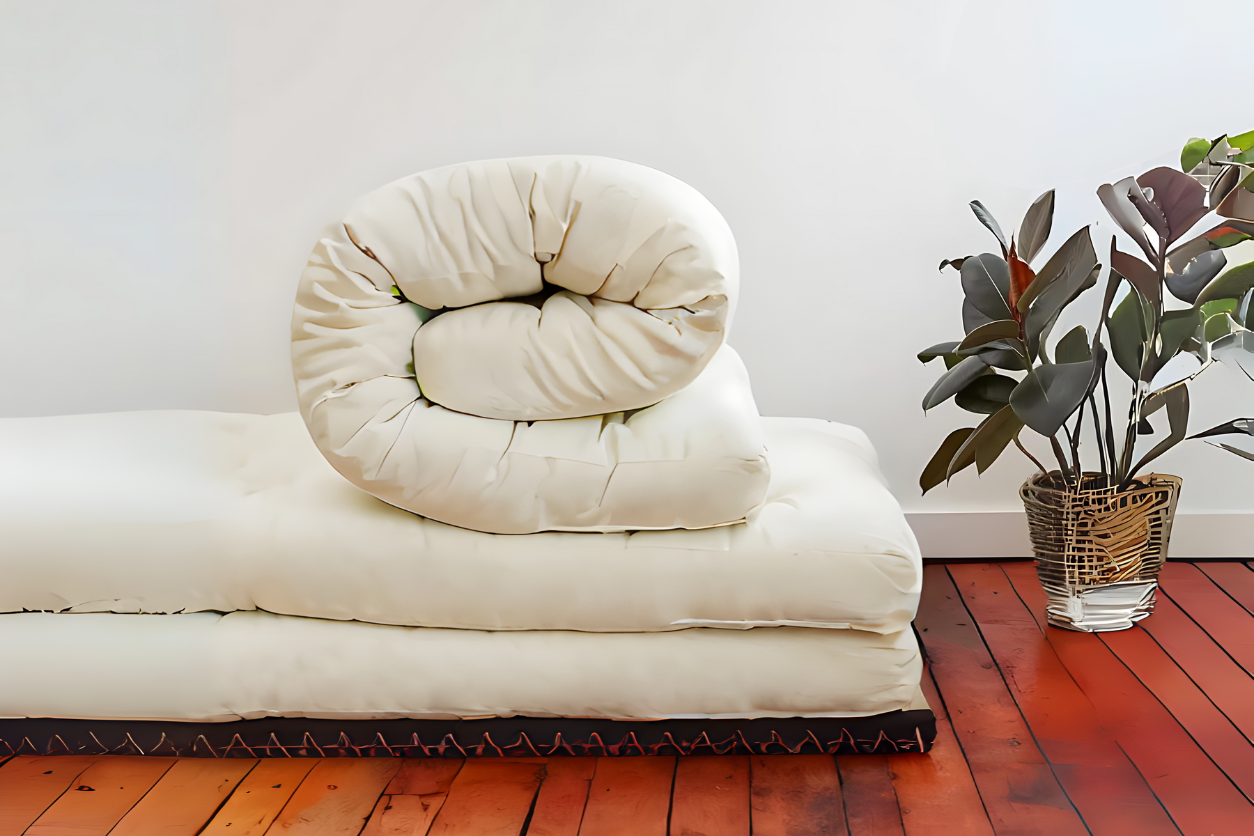
So, you’ve been contemplating a change in your sleeping arrangements. Maybe you’re tired of your old mattress or just looking for something that aligns better with a minimalist lifestyle. A Japanese futon bed is a traditional bedding option that offers a whole lot more than just a good night’s sleep.
You might be thinking, “Why would I trade my comfy, plush bed for something that lies on the floor?” Well, let me share why I think you’ll love this change and how it might just revolutionize the way you think about sleep and space.
Benefits of a Japanese Futon Bed

One of the main attractions of a Japanese futon is its simplicity. Unlike traditional Western beds, which can be bulky and take up a lot of space, a futon allows you to use your space more creatively. You can roll it up the futon to make room for a workout session or transform your bedroom into a cozy bedroom lounge area for guests. The possibilities are endless. This adaptability is one of the things I love most about having a futon—it truly changes the way you interact with your space.
Switching to a Japanese futon bed can also be a step toward embracing a minimalist lifestyle. With less furniture cluttering up your space, you can create a home environment that feels more open and serene. This simplicity can help reduce stress and promote a sense of calm, making your living space a true haven.
Related: How To Make Guests Comfy with a Futon
A futon encourages you to adopt a more mindful approach to your possessions, focusing on quality over quantity. With a futon, you’re investing in a sleeping arrangement that supports your well-being and aligns with a simpler way of living. For me, this shift has been incredibly rewarding, helping me appreciate the value of having fewer, more meaningful possessions.
Sleeping on a futon can promote better posture and spinal alignment. Because the futon is firm, it encourages you to sleep in a position that maintains the natural curve of your spine, preventing back pain and improving overall sleep quality.
Personally, I’ve found that transitioning to a firmer sleep surface has made a world of difference in how rested I feel each morning. The only downside is that a firm surface may not be ideal for side sleepers. If you are one, a Japanese futon bed is not for you!
How to Care for Your Japanese Futon Bed
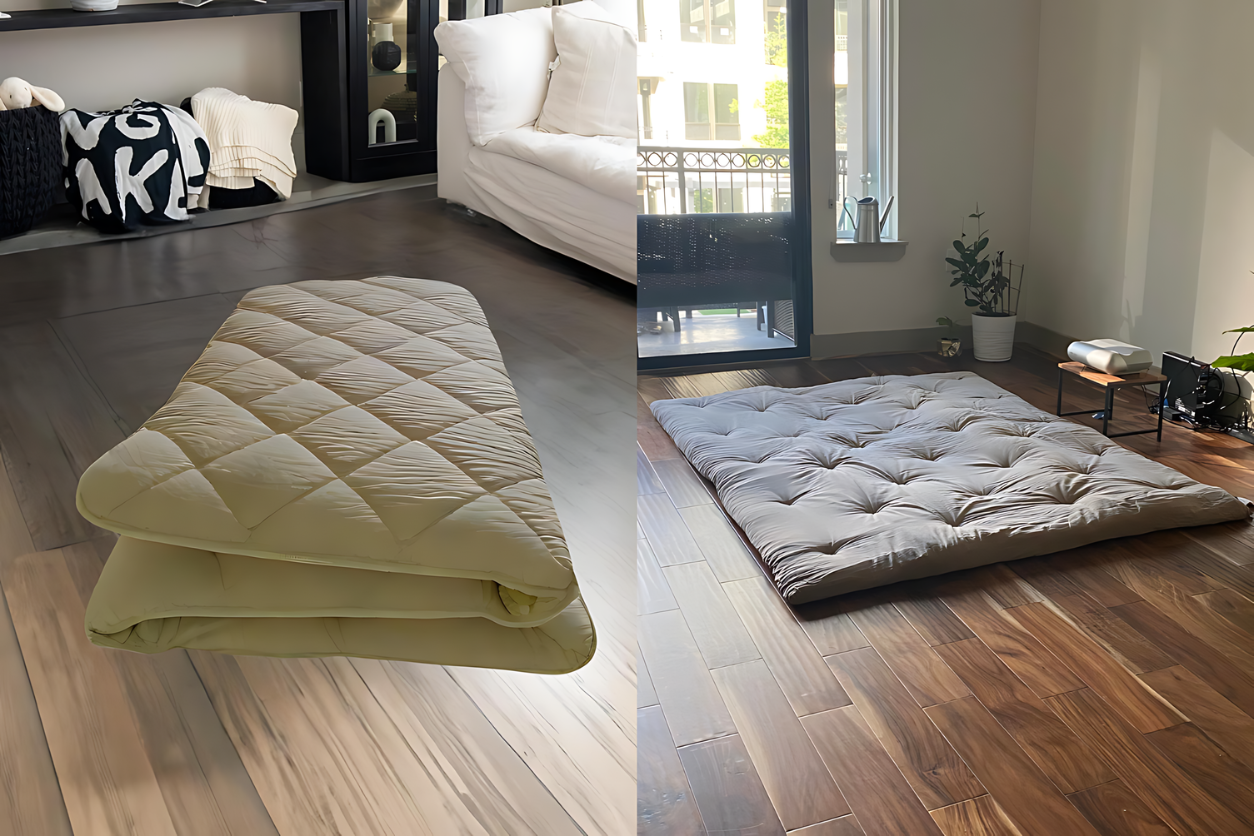
Taking care of a Japanese futon is a bit different from maintaining a traditional bed, but it’s pretty straightforward. One of the most important aspects is airing out your futon regularly. Because it’s placed directly on the floor, a futon can accumulate moisture, especially in humid climates. To prevent this, it’s a good idea to hang your futon outside in the sun every few weeks. The sun’s rays help to kill bacteria and dust mites, keeping your futon fresh and clean.
When it comes to cleaning, most futons come with a removable cover that can be washed. This makes it easy to keep your sleeping area hygienic. I recommend washing the cover every few weeks, especially if you’re using the futon daily. As for the futon itself, a gentle vacuuming can help remove any dust or debris.
Another tip is to regularly flip and rotate your futon. This ensures even wear and can help prolong the life of your futon. If you’re using a tatami mat underneath, be sure to air that out as well to prevent any musty odors from developing.
How to Pick the Right Japanese Futon Bed
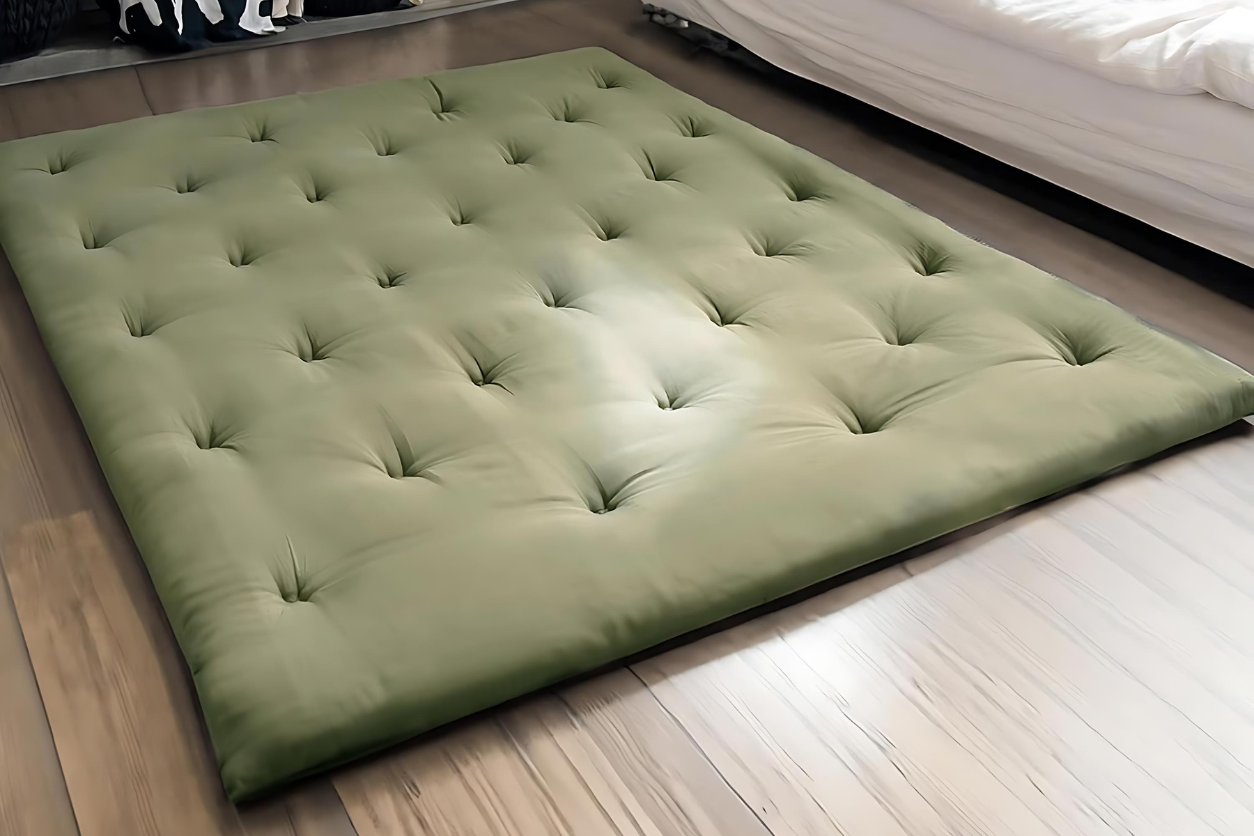
When selecting a Japanese futon, there are a few things to consider to ensure you get the most suitable one for your needs. First, think about the thickness and firmness of the futon. Traditional futons are typically quite firm, which is ideal for promoting good posture. However, if you’re transitioning from a very soft mattress, you might want to start with a slightly thicker futon for added comfort.
You’ll also want to consider the size of the futon. If you’re sleeping alone, a single or twin-size futon might be perfect. For couples, a larger size is ideal to ensure there’s enough space for two people. Keep in mind that Japanese futons can be placed side by side if you need more sleeping space but still want the flexibility of rolling them up individually.
Material is another important factor. Many futons are made from cotton or wool, which are breathable and provide a comfortable sleeping surface. Some options are made with organic materials, which can be a plus if you’re looking for an eco-friendly alternative. Personally, I appreciate the feel of natural materials and find that they add to the overall comfort of the futon.
Final Thoughts
Incorporating a Japanese futon into your home is about more than just changing your bed; it’s about rethinking how you use your space and embracing a more flexible, minimalist lifestyle. From promoting better sleep posture to freeing up floor space, a futon offers numerous benefits that make it worth considering.
Whether you’re in a tiny apartment or just looking to simplify your living arrangements, a futon can be a perfect addition. With proper care and thoughtful selection, a Japanese futon bed can become a cherished part of your home, providing comfort and versatility for years to come.
Decades of Combined Expertise
Best Buy Guidebook is a culmination of online publishing lessons learned. From SEO to paid ads, our team has experienced the highest of highs and the lowest of lows. Our goal now is simple: Arm readers with the most information possible.