
Can Allergies Cause Body Aches? 7 Tips for Surviving Allergy Season

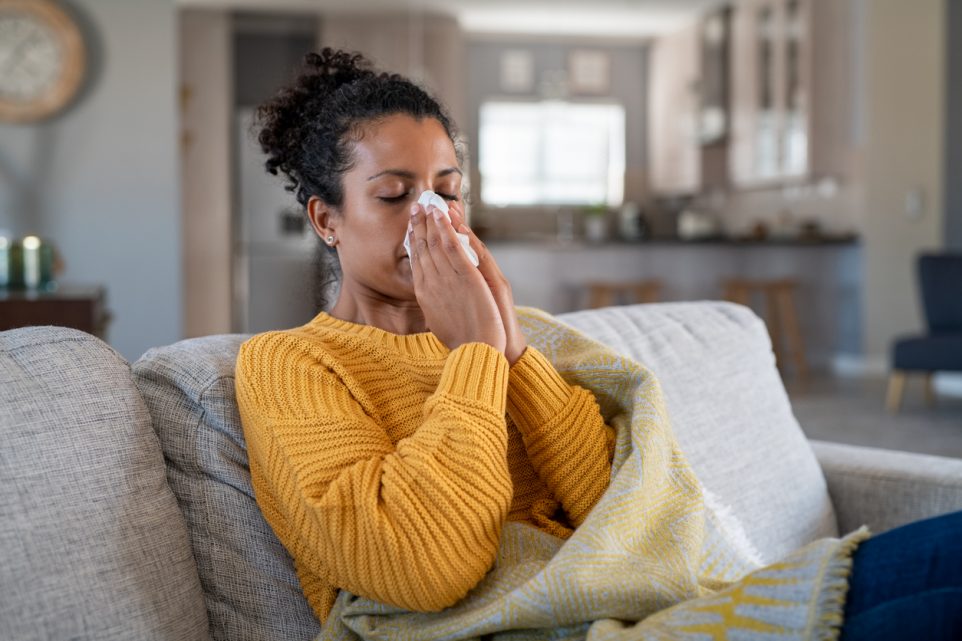
As someone who has grappled with seasonal allergies for years, I understand how challenging it can be when flowers bloom and pollen counts soar. Often, people associate allergies with sneezing, red eyes, and a runny nose, but there’s more to it. Many, including myself, experience exacerbated body aches and profound fatigue during peak allergy seasons. Here, I’ll explore whether allergies can cause body aches and share practical tips for surviving allergy season.
Can Allergies Cause Body Aches?
From personal experience and conversations with health experts, it’s clear that allergies can indeed contribute to body aches. These pains, particularly in areas like the lower back or wrists, often coincide with severe allergic reactions. This discomfort is primarily due to the inflammatory responses your body mounts against allergens. Histamines, which your body releases in response to allergens, can cause inflammation and discomfort, explaining why some days feel significantly worse than others.
Severe allergies can also lead to overwhelming fatigue. I’ve had days where I felt so drained that staying awake seemed an insurmountable task — akin to the heavy sedation felt before undergoing anesthesia. This level of fatigue can severely impact daily activities, including driving or concentrating in work environments like lectures or meetings.
Managing Allergies: Effective Strategies
Over the years, I’ve gathered several strategies to manage these symptoms effectively:
1. Medication
Antihistamines
These are a cornerstone of allergy treatment as they block the action of histamines, which are chemicals your body releases in response to an allergen. Research suggests that second-generation antihistamines such as cetirizine, loratadine, or fexofenadine are effective at managing symptoms without causing drowsiness. A systematic review found that these antihistamines help improve quality of life by reducing allergy symptoms with minimal side effects.
Steroids
For severe allergic reactions, corticosteroids can reduce inflammation. According to a Cochrane review, short courses of oral steroids can significantly alleviate acute symptoms of seasonal allergies. However, they are not suitable for long-term use due to potential side effects, so they should be used judiciously under a doctor’s supervision.
2. Environmental Controls
Air Quality
Utilizing air purifiers with HEPA filters can significantly reduce the amount of allergens in your indoor environment. Studies show that air purifiers can lower concentrations of pollen, pet dander, and dust mites indoors.
Keep Windows Closed
Keeping windows and doors shut during high pollen times can prevent allergens from entering your home. The Asthma and Allergy Foundation of America recommends using air conditioning in your home and car to filter out pollen and keep indoor air clean.
Clean Regularly
Regular cleaning reduces allergens like dust mites and pet dander in the home. The National Institutes of Health recommends wet dusting and vacuuming with a HEPA-filtered vacuum to effectively reduce indoor allergens.
3. Personal Care
Change Clothes and Shower After Being Outdoors
This practice can reduce prolonged exposure to allergens. A study in the International Journal of Aerobiologia found that pollen can collect on clothing and hair and be transported into the house, so changing and bathing after outdoor activities can decrease the risk of prolonged exposure.
Protective Gear
Wearing sunglasses and masks when outside during high pollen seasons can shield your eyes and respiratory system from direct exposure to allergens, thus preventing them from triggering significant allergic reactions.
4. Diet and Hydration
Stay Hydrated
Proper hydration is essential in allergy management as it helps to thin mucus secretions, making them easier to clear from nasal passages.
Anti-inflammatory Foods
Eating foods rich in anti-inflammatory properties, like omega-3 fatty acids and antioxidants, helps modulate the inflammatory responses associated with allergic reactions.
5. Consult Specialists
Regular Check-Ups
Allergists can provide specialized care tailored to your allergy needs, including offering immunotherapy (allergy shots) which can desensitize the body to allergens over time.
Allergy Testing
Identifying the specific allergens that trigger your symptoms can significantly enhance your ability to manage allergies effectively through targeted avoidance and treatment strategies.
6. Lifestyle Adjustments
Rest
Adequate rest is crucial, especially during allergy season, as fatigue can exacerbate symptoms and lower your overall immune response.
Exercise Indoors
When pollen counts are high, switching to indoor exercise can prevent exposure to allergens while still allowing you to maintain physical activity without worsening symptoms.
7. Prepare for Flare-Ups
Always having access to emergency antihistamines, inhalers, and nasal sprays can manage sudden flare-ups effectively. This preparedness is especially crucial for individuals with severe allergies or asthma.
Implementing these strategies requires a proactive approach to managing allergies. By staying informed through reliable sources and maintaining regular consultations with healthcare providers, individuals with allergies can lead healthier, more comfortable lives even during peak allergy seasons.
Decades of Combined Expertise
Best Buy Guidebook is a culmination of online publishing lessons learned. From SEO to paid ads, our team has experienced the highest of highs and the lowest of lows. Our goal now is simple: Arm readers with the most information possible.