

logo
logo
  • Homepage
  • Home Improvement
  • Patio and Garden
  • Family and Lifestyle
  • Home Tech
  • Office
  • Best Buy Guidebook
  • Family and Lifestyle

How to Strip Laundry in 3 Easy Steps

Natalie Wilkinson
Written By Natalie Wilkinson
Original Publish Date: Oct 5, 2024, 08:04 PM
Last updated: Jan 16, 2025, 11:28 PM
Disclosure ↓
how to strip laundry
View all Contents
  • Does Laundry Stripping Work?
  • How to Strip Laundry
    • Step 1: Fill the Tub
    • Step 2: Submerge and Stir
    • Step 3: Rinse Out the Soap
  • How Often Should You Strip Laundry?
  • Bottom Line

When it comes to laundry, most of us follow the typical wash, rinse, dry routine without a second thought. But over time, clothes and fabrics tend to lose their softness and vibrancy, no matter how well you think you’re washing them. If your quick-dry towels aren’t absorbing like they used to or your workout gear has that lingering smell no wash seems to touch, learning how to strip laundry could be helpful. Now, stripping laundry isn’t something you’ll do with every load. It’s a deep cleanse meant to reset fabrics and give them a fresh start. So, if you’ve noticed your clothes aren’t as fresh as they used to be, this might be the solution you didn’t know you needed.

Does Laundry Stripping Work?

If you’ve seen the trend popping up on your social media feeds or heard someone rave about their experience with laundry stripping, you might be wondering if this deep-cleaning process is truly worth the hype. Does it really work? Well, yes and no—depending on what you’re stripping and what results you’re expecting.

Laundry stripping is not exactly a new concept. It’s essentially the use of a hot water soak combined with a mix of ingredients like Borax, washing soda, laundry detergent, and sometimes vinegar to remove buildup from your fabrics. The process claims to pull out residual detergent, fabric softeners, body oils, and even hard water minerals that your regular wash routine may leave behind. For some, this method can work wonders, especially on items like towels or workout gear that accumulate a lot of oils and residue over time.

That said, the effectiveness of laundry stripping can vary. When used on heavily soiled items like sneakers or shoes that have seen better days, soaking them for an extended period—sometimes days—can yield impressive results. I once left a pair of beat-up sneakers soaking for three days (because I forgot about them), and they came out looking pretty refreshed. Yard shoes, in particular, showed a marked improvement after stripping.

But when it comes to regular laundry items, like clothes or household fabrics, the results can be a bit of a mixed bag. I tried laundry stripping on a few pieces: a T-shirt with stubborn deodorant buildup, socks that refused to return to their original whiteness despite multiple bleach cycles, and a bra with that inevitable underarm buildup. After a 12-hour soak and an extra rinse cycle, the results were underwhelming. The T-shirt looked slightly better, but the socks and bra showed no significant improvement.

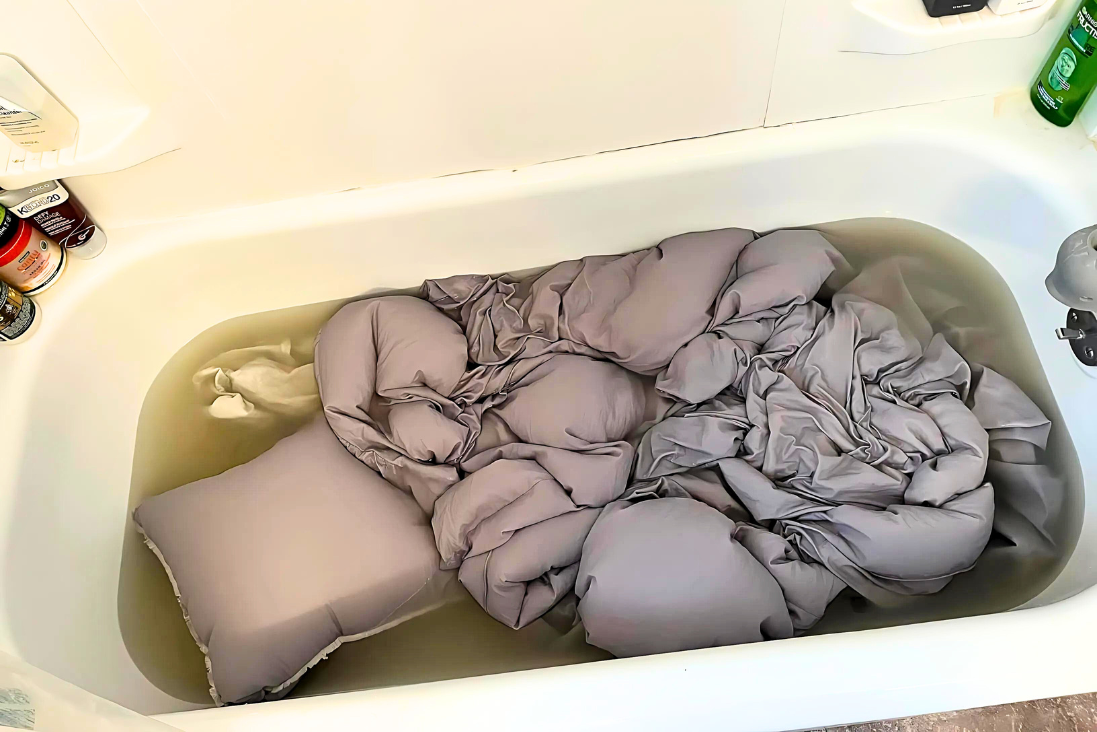
Interestingly, the water in which my items soaked didn’t turn that murky brown color you often see in viral videos—where people proudly show off tubs of dirty water, suggesting success. In my case, the water was green, which led me to believe the dye from one of the shirts was responsible. This brings up an important point: laundry stripping might work better with white items, where the buildup is more noticeable, and the risk of dye transfer is not an issue.

Laundry stripping seems to deliver the most noticeable results with whites. This might be because many of us tend to rely on bleach to clean white laundry, but bleach doesn’t actually dissolve body oils. Instead, it reacts with the proteins in sweat and oils, often leaving yellow stains. Laundry stripping allows the hot water and cleaning agents to break down these oils, which could explain why some see brighter, cleaner results after stripping whites.
How to Strip Laundry

To get started, you don’t need any fancy equipment. The key is combining basic household ingredients with hot water to break down the residue clinging to your fabrics:

  • Borax
  • Washing soda (sometimes referred to as laundry soda)
  • Laundry detergent (powder form tends to work best)
  • A large bathtub or deep laundry sink
  • Hot water

Once you have these items ready, you can jump into the process. First, make sure your laundry is clean before stripping. Run your items through a regular wash cycle to remove loose dirt and grime. You don’t want any extra filth interfering with the process. Stripping works best on clean items that have been prepped for a deeper cleanse.

Step 1: Fill the Tub

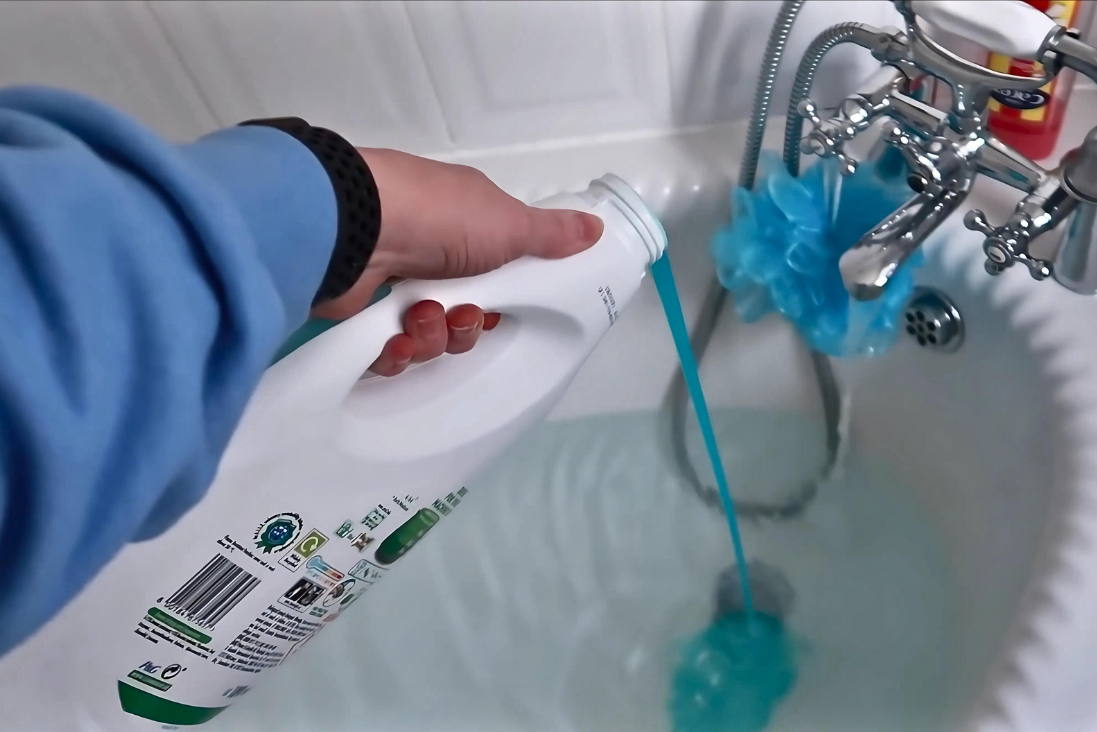
Fill your bathtub or laundry sink with hot water—hotter than what you’d normally use in your washing machine. Hot water is critical because it helps loosen up the buildup in your fabrics. As the water fills, add the following ingredients:

  • ¼ cup of Borax
  • ¼ cup of washing soda
  • ¼ cup of your preferred laundry detergent

Mix the solution thoroughly so everything dissolves before you place the laundry in.

Screenshot credit: Toni Interior

Step 2: Submerge and Stir

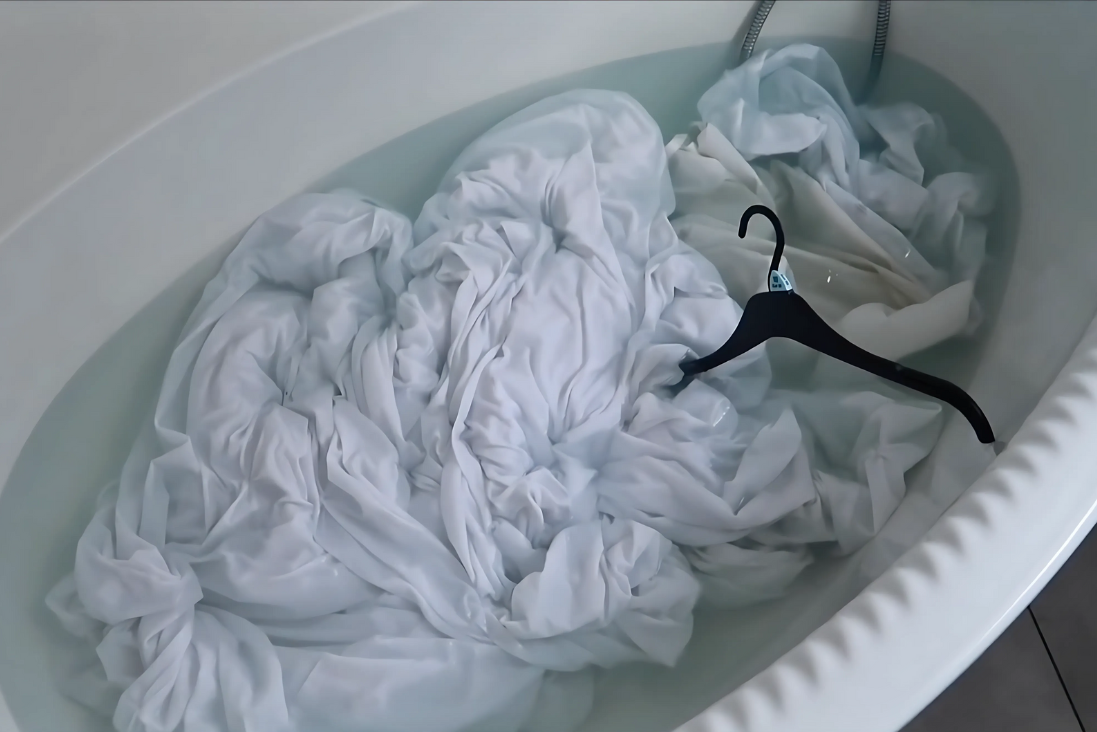
Now it’s time to submerge your laundry. Push the items down into the solution so they are fully covered. Let them soak for at least 4-6 hours, giving the fabrics enough time to release all the residue they’ve been holding onto. Every hour or so, stir the water and fabrics to help the process along. You’ll start to see the water turn murky—that’s the trapped dirt and grime releasing into the water.

The soaking process can vary based on how dirty your fabrics are. For clothes that aren’t too grimy, you might be done in about four hours. But for heavier fabrics or items like towels and athletic wear, you may need to let them soak for a full six hours or even overnight. The longer the soak, the more residue will be released.

Step 3: Rinse Out the Soap

Once you’ve given your laundry plenty of time to strip, it’s important to thoroughly rinse everything. Drain the tub and refill it with clean water if needed. You can either rinse by hand in the tub or transfer the items into your washing machine for a rinse cycle. Make sure no soap or suds remain, as leftover detergent can cause buildup all over again.

After you’ve rinsed everything thoroughly, dry your laundry as usual. Towels can go in the dryer, but hang-drying clothes is a great way to reduce wear and tear. Once they’re dry, you should notice a significant difference in softness, cleanliness, and even the absorbency of towels or athletic fabrics. And once you’ve tackled the deep-cleaning process, storing your laundry properly can help maintain that fresh, clean feeling for longer—something worth considering for long-term fabric care.

Screenshot credit: Toni Interior

How Often Should You Strip Laundry?

Now that you know how to strip laundry, the next question is: how often should you do it? Laundry stripping is not something you’ll need to do after every wash. It’s more of a deep-cleaning reset, useful when you start noticing a loss of fabric quality or persistent odors.

Some people strip their towels every few months, while others wait until their clothes really need it. It can depend on how frequently you use certain items—like workout gear, which tends to trap more sweat and oils. Generally, 2-3 times a year is plenty unless you live in a hard-water area or use heavy-duty detergents frequently.

Bottom Line

Laundry stripping can work, but it’s not a miracle solution. It’s great for items with heavy residue buildup or those you’ve been using for years, but it’s not necessary for every load of laundry.For day-to-day washing, simply adding a little Borax or washing soda to your regular routine may be enough to maintain fresh-smelling, soft fabrics. Stripping is best saved for when your laundry feels like it needs a deep refresh—like with heavily used towels, workout gear, or shoes that just won’t clean up with a standard wash.

Decades of Combined Expertise

Best Buy Guidebook is a culmination of online publishing lessons learned. From SEO to paid ads, our team has experienced the highest of highs and the lowest of lows. Our goal now is simple: Arm readers with the most information possible.

Contributors

Natalie Wilkinson
Natalie Wilkinson
Laundry
Related Reads
  • Super Creative Laundry Room Storage Ideas That Make Sense
  • How to Give Your Laundry Room a Chic Farmhouse Makeover
  • 10 Lazy Girl Laundry Hacks That Have Made Washing Clothes Easy
  • The Best Sportswear Laundry Detergents of 2025
Back to top
logo

©2026. All Rights Reserved

  • About Us
  • FAQ
  • Contact Us
  • Privacy
  • Terms
Contact

hello@bestbuyguidebook.com

We independently research, test, review, and recommend the best products. If you buy something through our links, we may earn a commission at no cost to you. Click here to learn more about our process.