
What You Should Wash After a Single Use—And Why It Matters

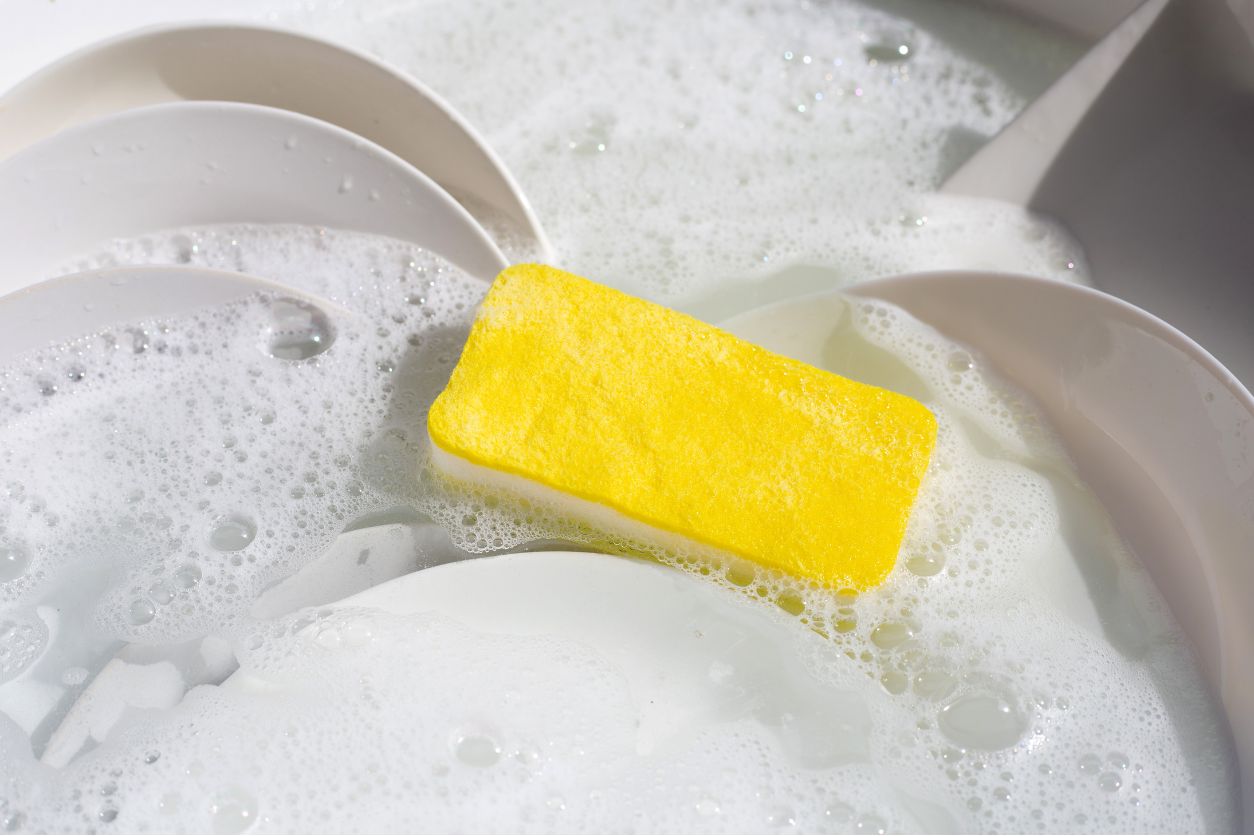
Not everything in your home needs deep cleaning, but some items really do benefit from a wash after each use, mainly because of how often they come into contact with moisture, food, or skin. These aren’t the obvious mess-makers, either. They’re usually the small, everyday tools we use without thinking until one day, we realize they’ve become a quiet source of grime or odor.
Below are seven common items that are often overlooked but genuinely worth washing after every use, not because you’re being obsessive, but because it’s just the easiest way to keep things clean.
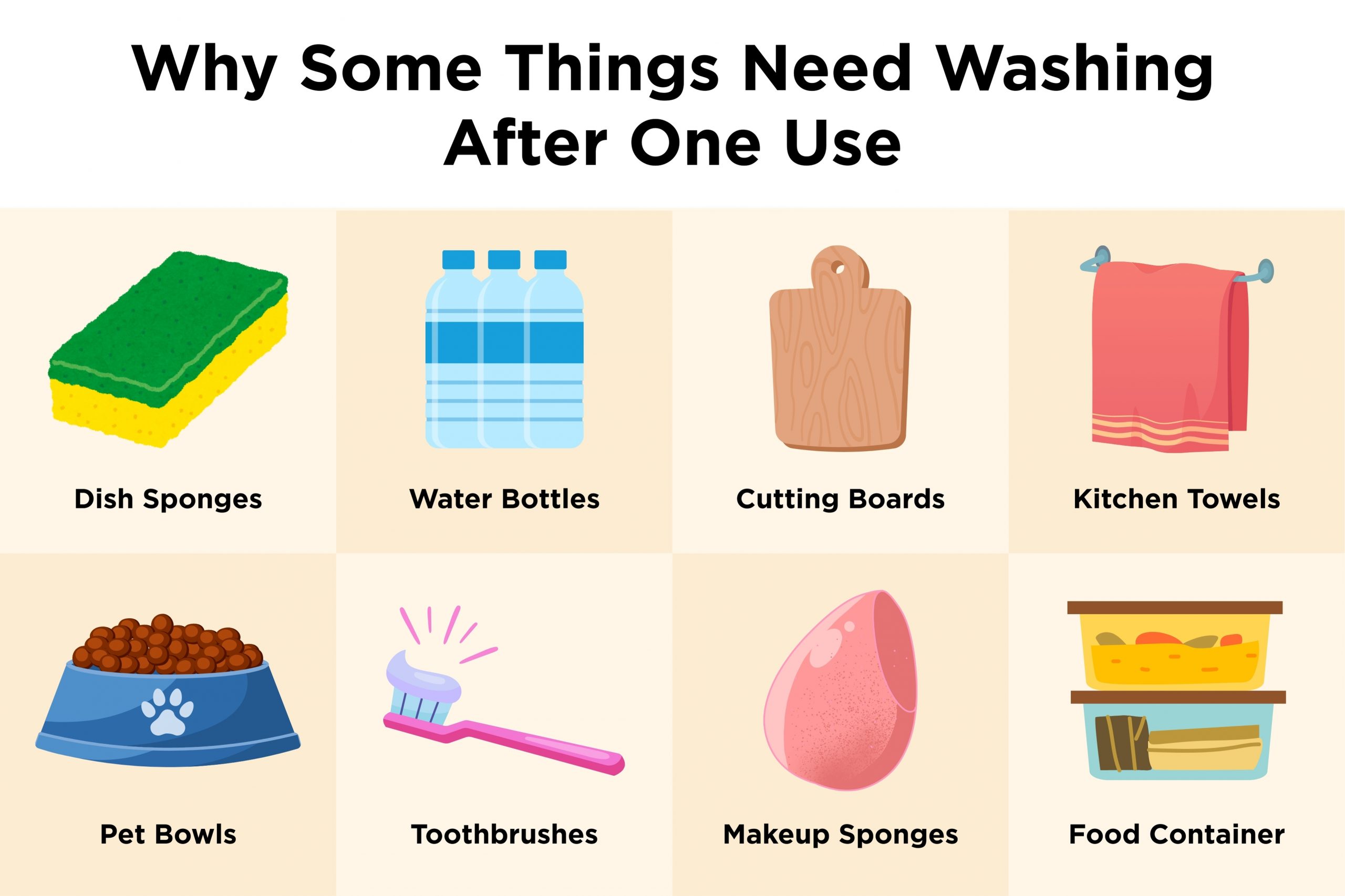
Dish Sponges
If your sponges have been sitting in your sink for more than a day, it’s probably one of the dirtiest things in your home. When it stays wet—and let’s be honest, it usually does—it becomes a perfect breeding ground for bacteria. One study found that even “clean-looking” sponges can harbor E. coli and Salmonella deep in their pores.
And no, rinsing it with hot water doesn’t cut it. To keep things hygienic, run it through the dishwasher or zap it in the microwave (wet, never dry) for a minute each day. Swapping it out once a week will be even better.
Reusable Water Bottles
Here’s the thing about reusable water bottles—they’re great for the planet, but only if they’re actually clean. If you’ve been “just rinsing” yours and calling it good, you’re not alone. But what starts as a sip-through-the-day habit can end up being a swirl of bacteria, especially inside the cap, the straw, or the gasket ring.
Hot, soapy water and a brush will do the trick, but don’t forget the lid. Most bottles are dishwasher-safe these days, so take advantage of that. And yes, you really do need to clean it daily. Even if you’re just filling it with water.
Cutting Boards
Every home cook has one go-to cutting board that lives on the counter. It gets rinsed, wiped, and reused, sometimes several times a day. But when it comes to raw meat, rinsing isn’t enough. Juices seep into knife marks, bacteria settle in, and before you know it, you’ve got cross-contamination waiting to happen.
Plastic boards can go in the dishwasher. Wood ones need scrubbing with hot water and a little dish soap, followed by upright air-drying. A quick white vinegar or lemon rub-down helps, too. If you’ve been slicing raw chicken and then switching to salad without a thorough wash in between, it’s time to rethink the routine.
Kitchen Towels
It’s the most-used, least cleaned item in most kitchens. One towel dries hands, cleans up a spill, wipes a knife, maybe even wraps up some bread, and still gets hung back up like nothing happened. The problem is, it collects everything it touches, from raw food to hand bacteria.
By the end of the day, that towel isn’t just “used”—it’s overdue for a wash. Keep a small stack nearby and treat them like socks: one and done. Toss them in the laundry at the end of the day, preferably with hot water. They’re workhorses, but they deserve better.
Pet Bowls
Pet food and water bowls build up slime, bacteria, and even mold fast, especially in warm, humid conditions. Rinse and wash food bowls with hot, soapy water after every meal. Water bowls should get the same treatment daily. Not only does this help your pet stay healthy, but it also prevents the biofilm that forms over time and attracts pests.
Toothbrushes and Toothbrush Holders
Toothbrush holders (especially cup-style ones) collect drips, toothpaste foam, and whatever’s floating around in the bathroom air. The bottom gets grimy fast, and so does your brush.
Quick fix: Rinse the holder daily. Give your toothbrush a thorough rinse and let it air dry upright. If it’s stored in a closed cabinet or travel cap, dry it completely first. A damp toothbrush left in a dark space is basically an open invitation for bacteria.
Makeup Sponges and Brushes
If you’re applying liquid foundation or cream-based products with sponges or brushes, cleaning them after each use is smart. These tools collect oil, makeup residue, and bacteria quickly, especially in warm, humid bathrooms. Using the same sponge or brush repeatedly without washing it just presses that buildup deeper into your skin.
For quick maintenance, wash them daily with gentle soap or a brush cleanser and rinse thoroughly. Let them air dry fully before the next use. You’ll reduce breakouts and get a cleaner, smoother makeup application.
Deep Cleaning Reusable Food Storage Containers
Leftovers often go into plastic or glass containers that seem clean after a rinse, but if they held oily or protein-rich foods (like meat or dairy), a quick wash isn’t enough. These containers can hold onto bacteria, especially around rubber seals or snap-on lids.
Wash with hot, soapy water or place them in the dishwasher immediately after use. Make sure all parts, including lids and silicone rings, are fully dry before storing them. Not only will this keep your food fresher next time, but it also helps prevent smells and staining over time.
Decades of Combined Expertise
Best Buy Guidebook is a culmination of online publishing lessons learned. From SEO to paid ads, our team has experienced the highest of highs and the lowest of lows. Our goal now is simple: Arm readers with the most information possible.