
The Best Bathroom Flooring That Works With Small Spaces

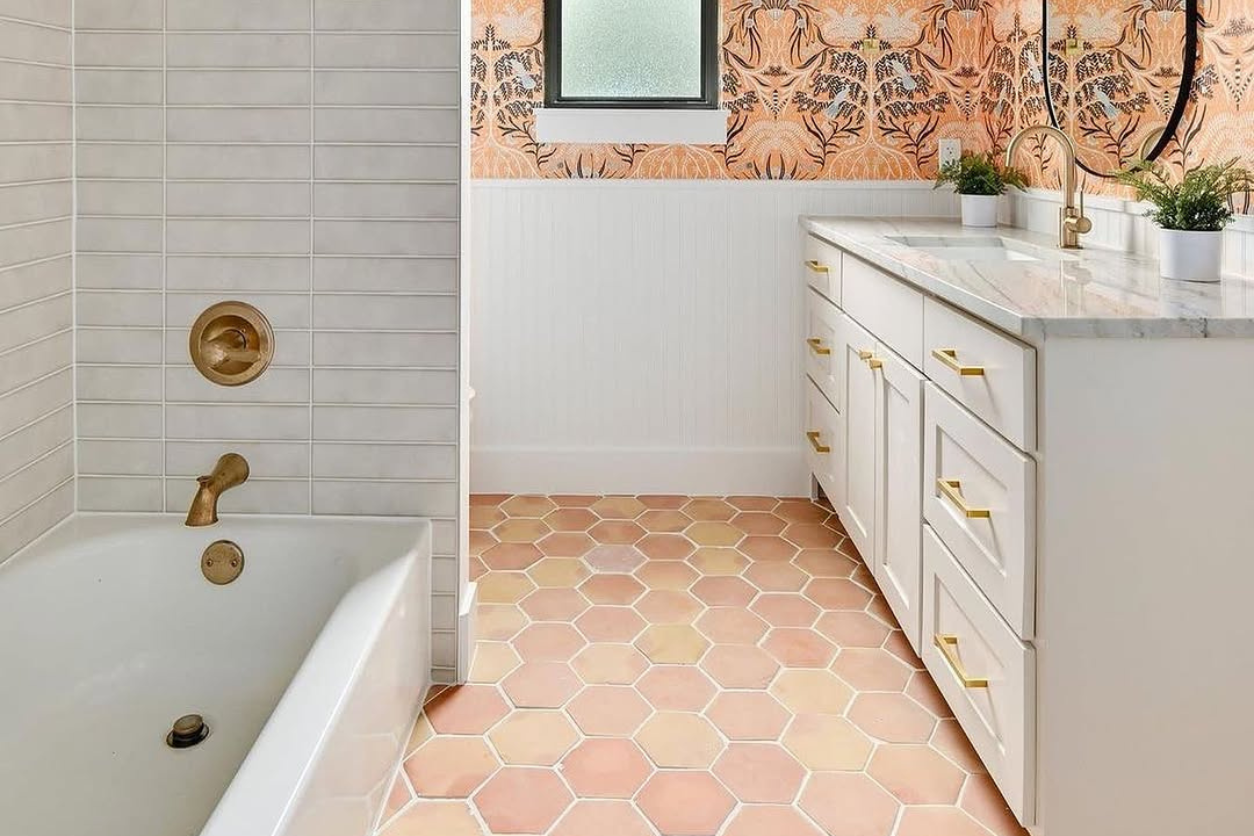
When a bathroom has limited space, the design choices need to factor that in. The right bathroom flooring isn’t just about picking something that looks good; rather, the goal here is to choose a material that improves the room’s size and functionality while withstanding moisture and everyday use. So, let’s dive into some of my favorite options that really work in small bathrooms.
Natural Stone Slab
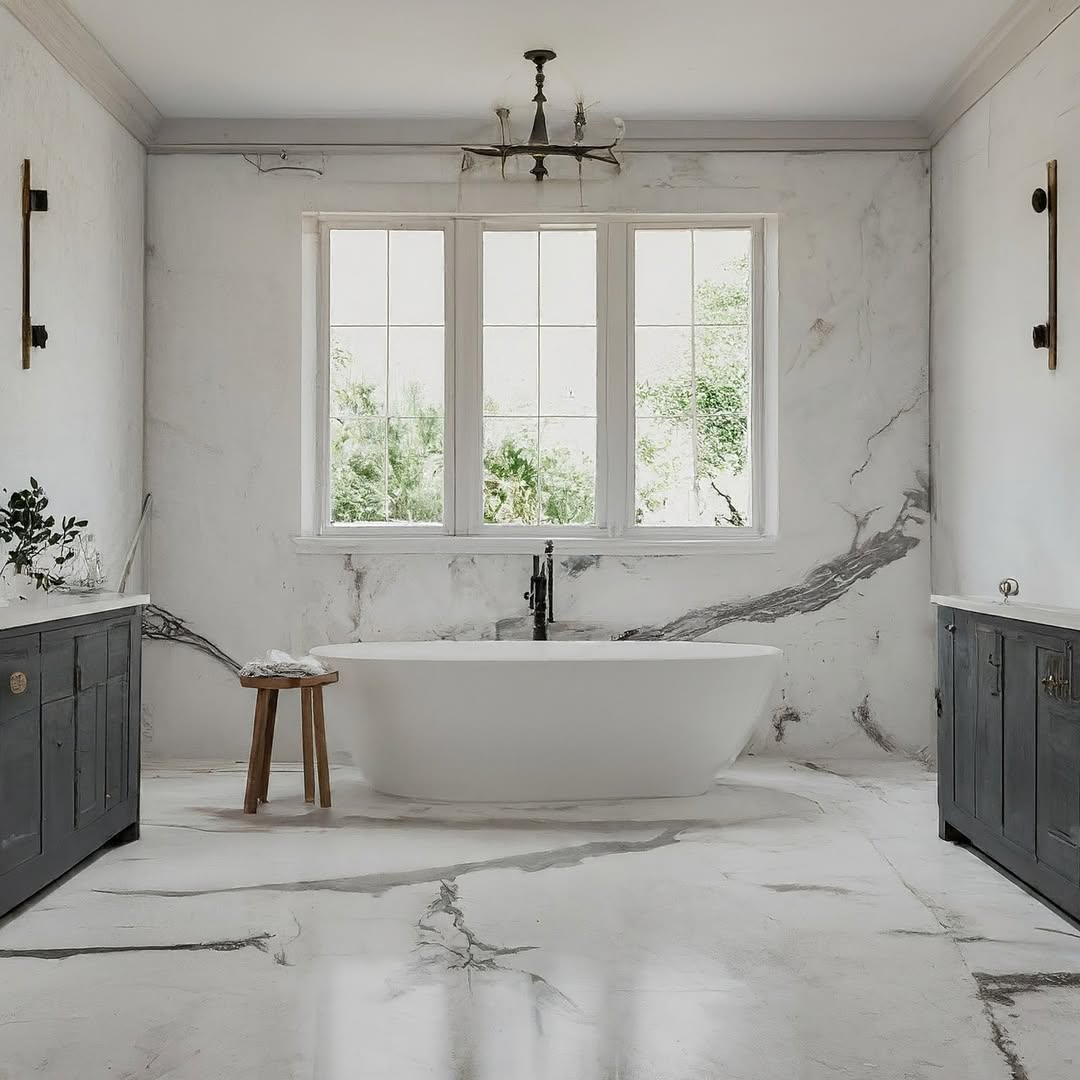
I’ve always loved the look of natural stone slabs. If you’re aiming for a luxury bathroom feel without making the room feel cramped, this is a great option. Using large stone slabs minimizes grout lines, which makes the space feel more seamless and less cluttered. Plus, these materials are incredibly durable and stand the test of time, so you won’t be replacing them anytime soon.
Wood Bathroom Flooring
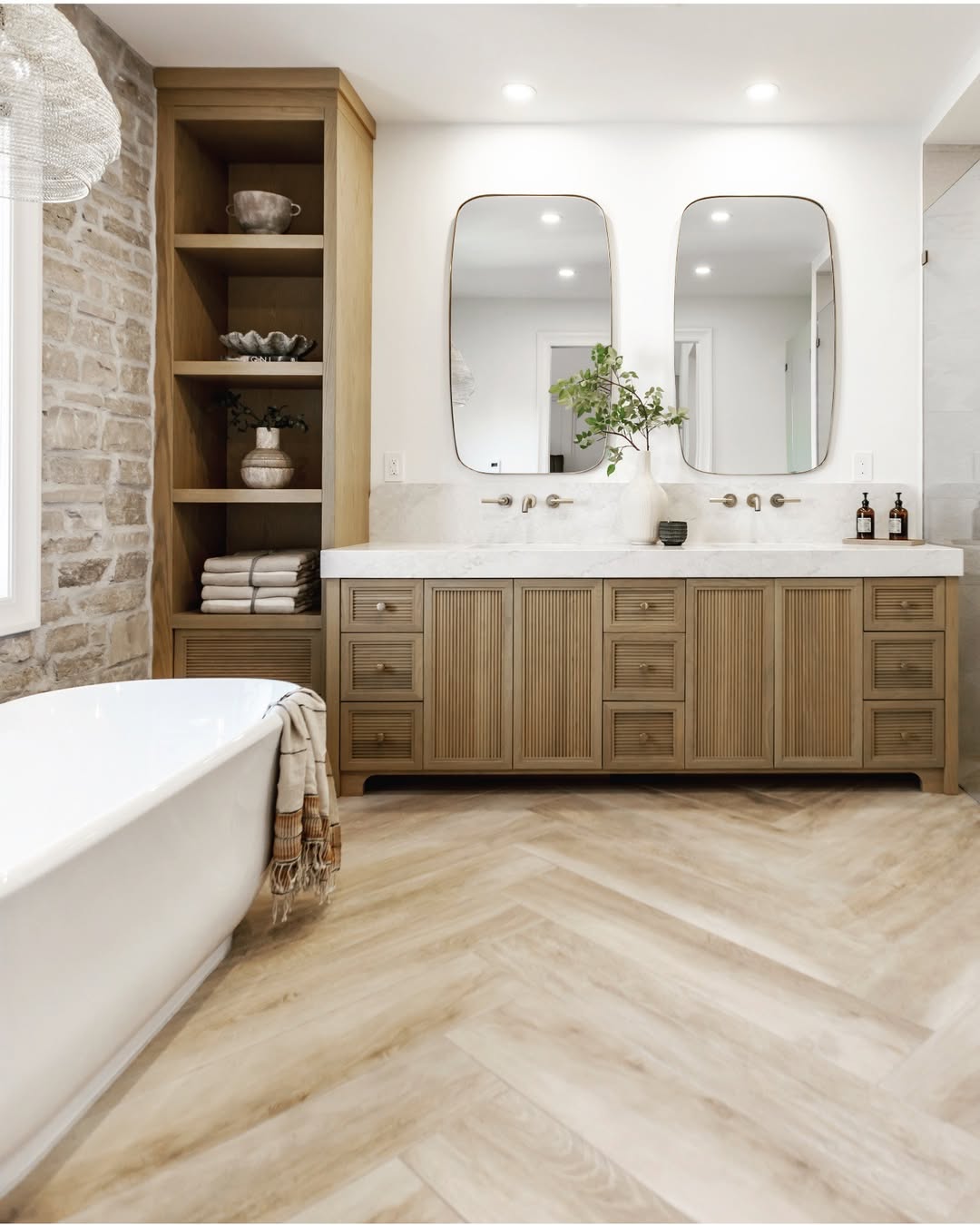
I know what you’re thinking—wood and moisture don’t mix. But engineered wood flooring is a great solution. It’s designed to handle the humidity and still give you that warm, natural look. If you’re open to the idea of bringing wood into your bathroom, I recommend going for lighter tones like oak or maple. It creates a cozy vibe that doesn’t weigh down a small space.
White Painted Wood
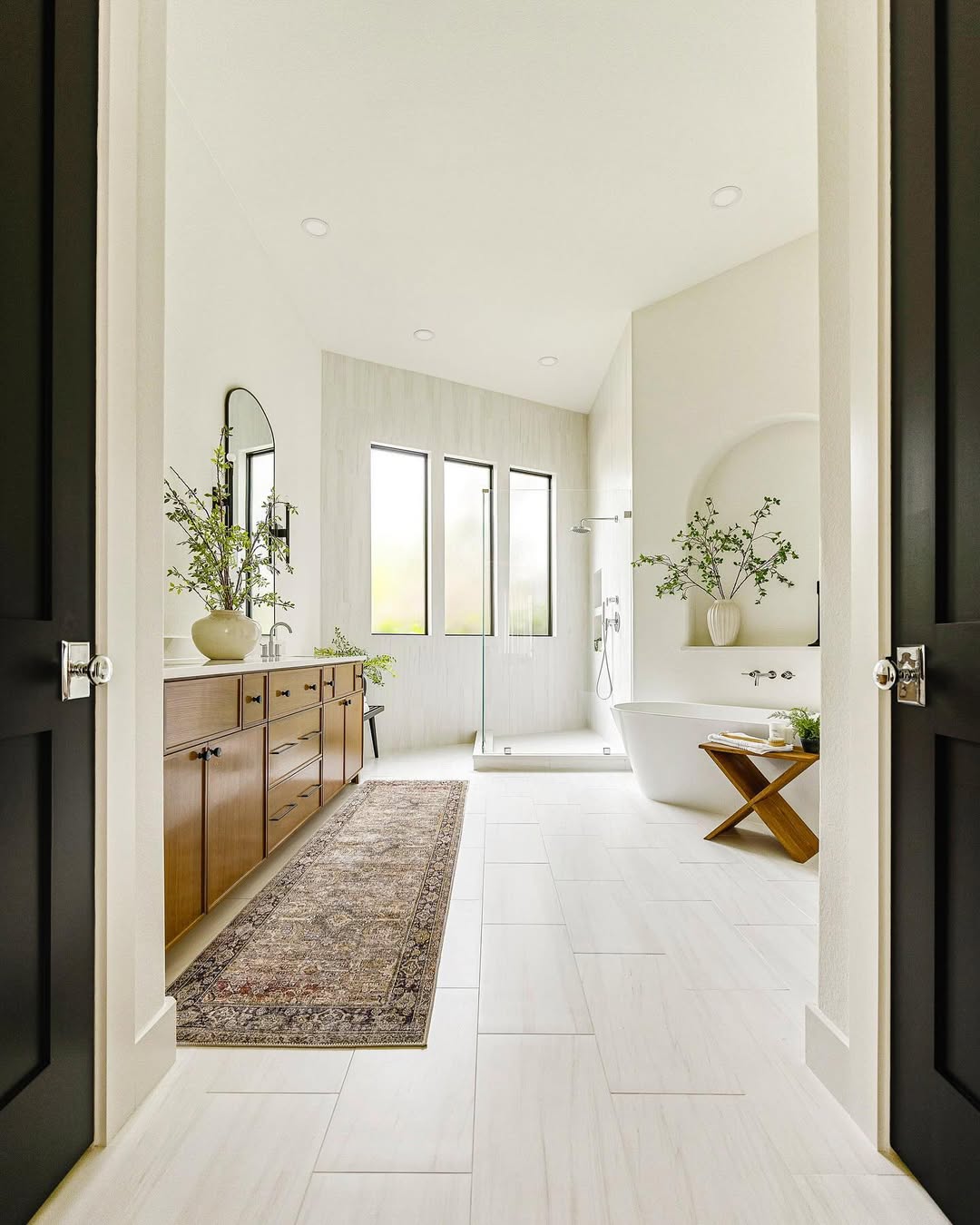
White-painted wood is one of those options that just works. It’s bright, fresh and instantly makes the bathroom feel bigger. The white reflects light, which gives the illusion of more space. The classic look pairs nicely with almost any design, whether modern, coastal, or even a little rustic. It’s a clean, crisp look that helps a small bathroom feel more open and inviting.
Natural Stone Tiles
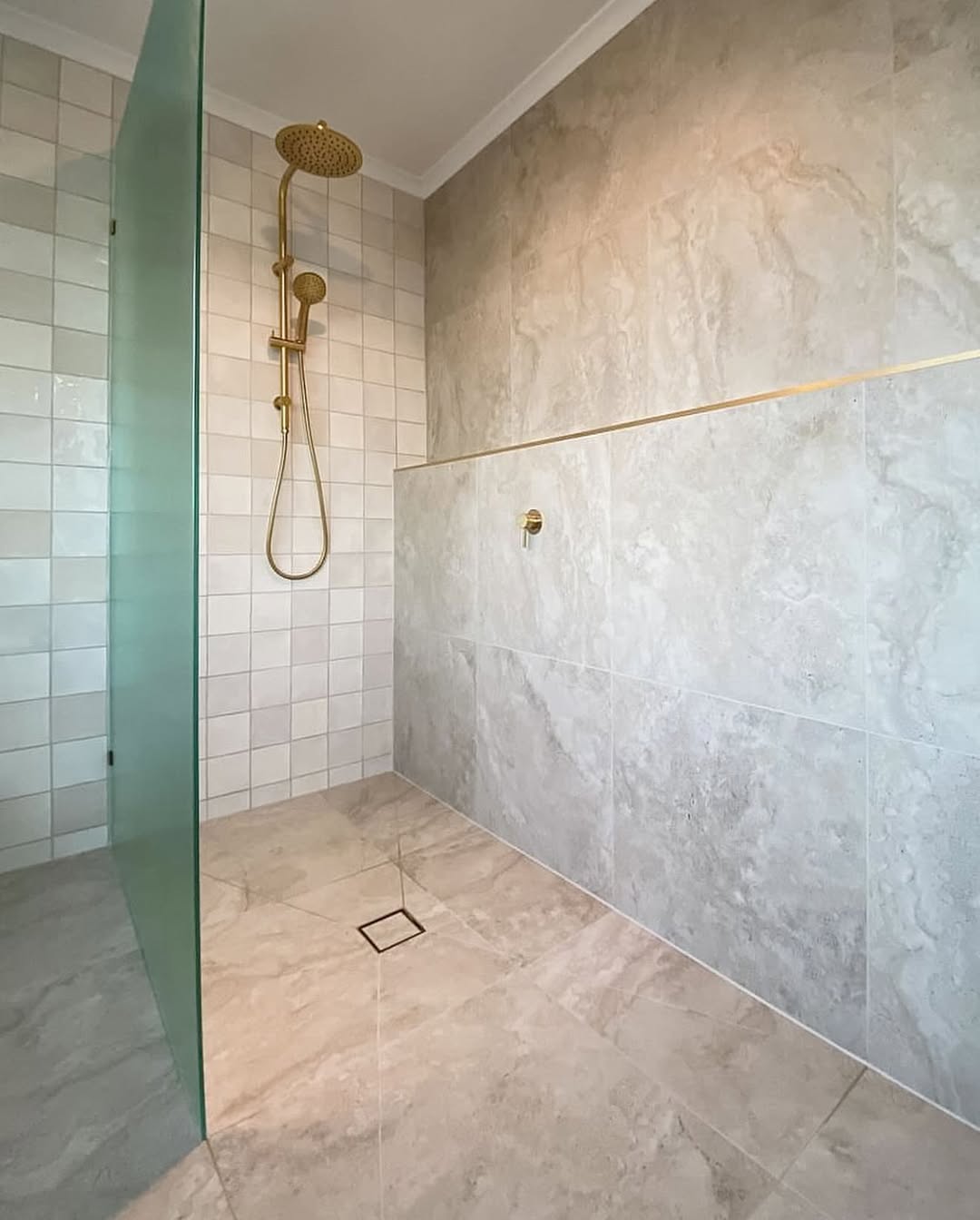
If you’re looking for a more refined, classic option, natural stone tiles are a winner. I love the texture they add to the floor, and the variety of finishes you can choose from—for example, a smooth marble or a more rustic slate—lets you match the vibe of your bathroom perfectly. Plus, stone tiles reflect light really well, which helps open up smaller spaces. The best part is that no two tiles are the same, so your bathroom floor will have a unique, one-of-a-kind feel.
Graphic Porcelain Tiles
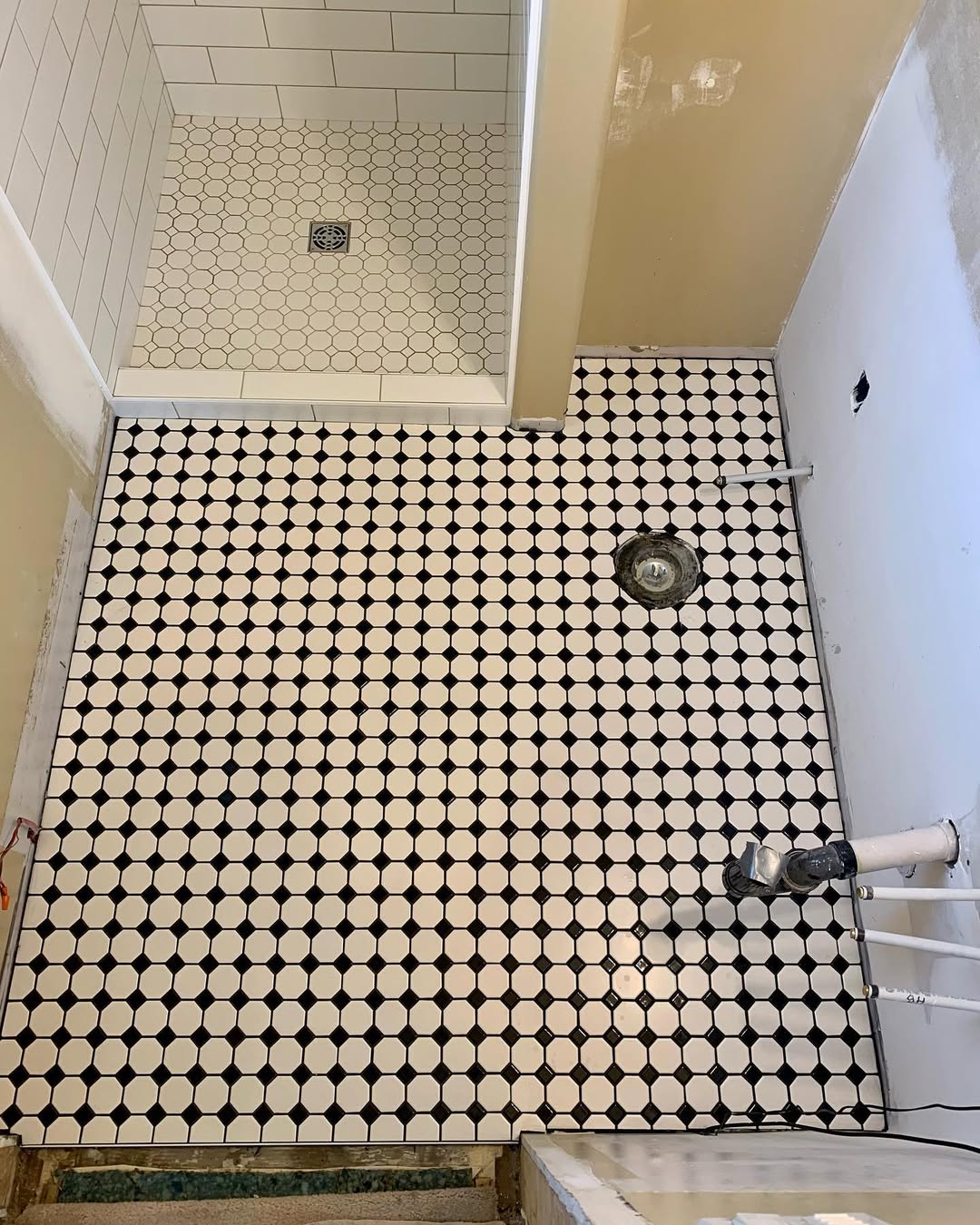
Graphic porcelain tiles are great for a fun, bold look. One major benefit of graphic porcelain tiles is their density and moisture resistance. Robert Galvan, a home remodeling expert, points out that “the biggest difference between ceramics and porcelains is the level of density that is attained in the finished product.” Porcelain tiles tend to be more dense, which is better suited for areas with moisture, such as bathrooms. He also mentions, “Porcelain is the stronger product.”
Graphic Ceramic Tiles
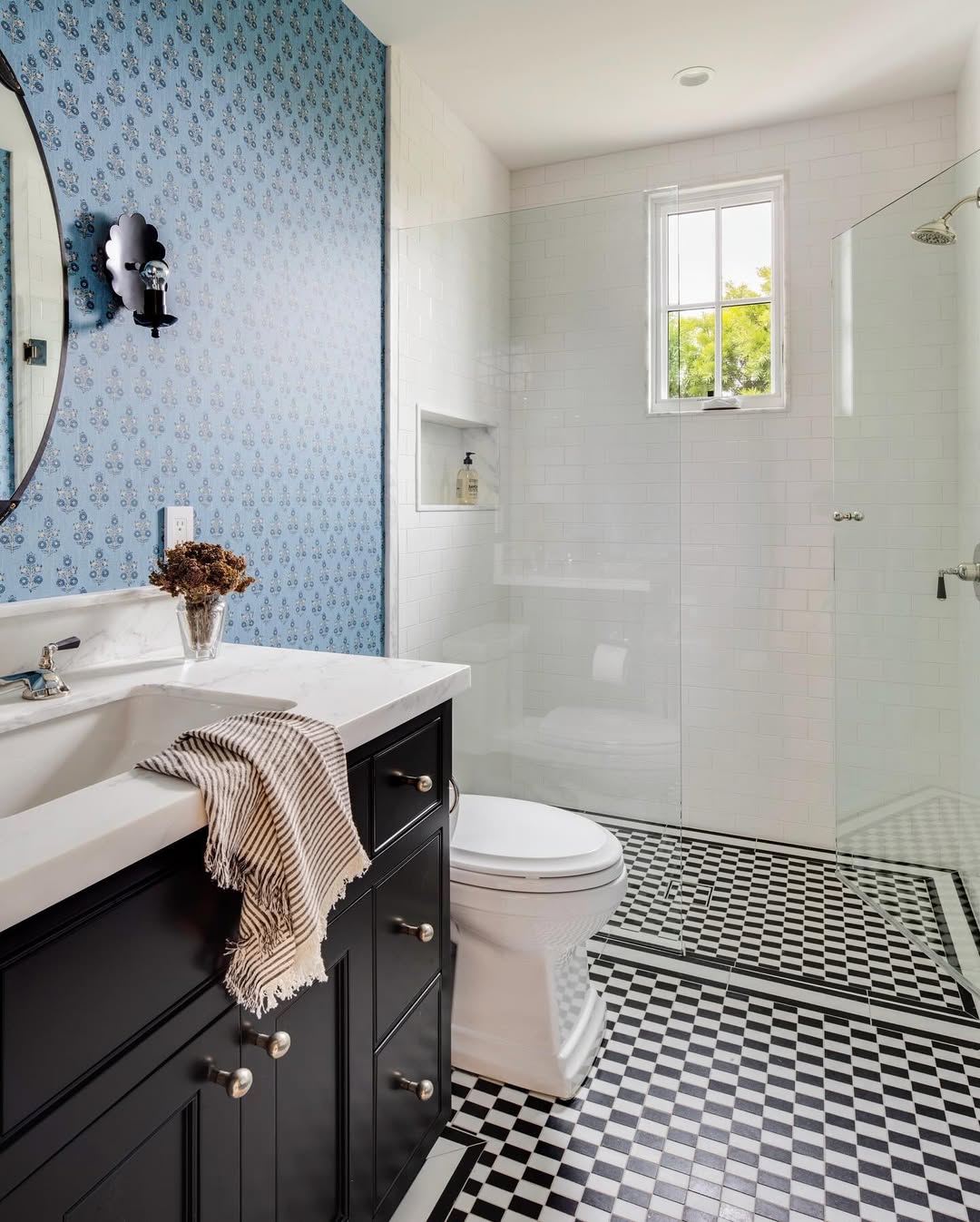
Like graphic porcelain tiles, graphic ceramic tiles are a fun and playful way to make a statement in your bathroom. Ceramic tiles have also seen significant improvements in recent years. Galvan emphasizes, “A lot of the ceramic products are so much better than what they were 20 years ago.” While they may not have the same moisture absorption rate as porcelain, they can still be a viable choice for indoor spaces.
Poured Concrete
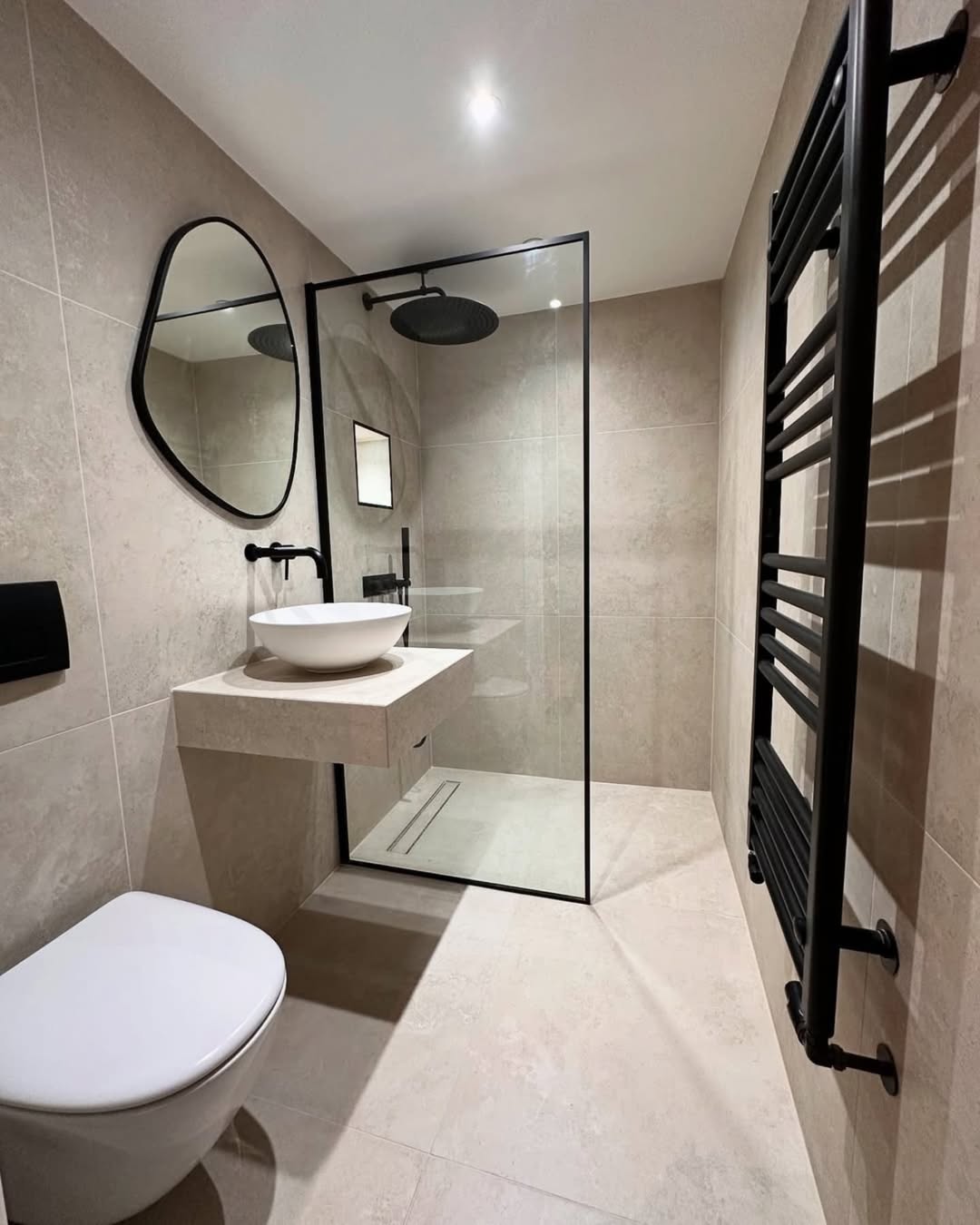
Poured concrete might not be the first thing that comes to mind for your bathroom, but it’s actually a really stylish and modern option. It creates a sleek, seamless look that’s perfect for small bathrooms. The lack of grout lines makes it feel more open and expansive. Concrete is durable, low-maintenance, and resistant to moisture—so no worries there. Overall, if you’re after a minimalist, contemporary vibe, poured concrete is a great way to go.
Zellige Tiles
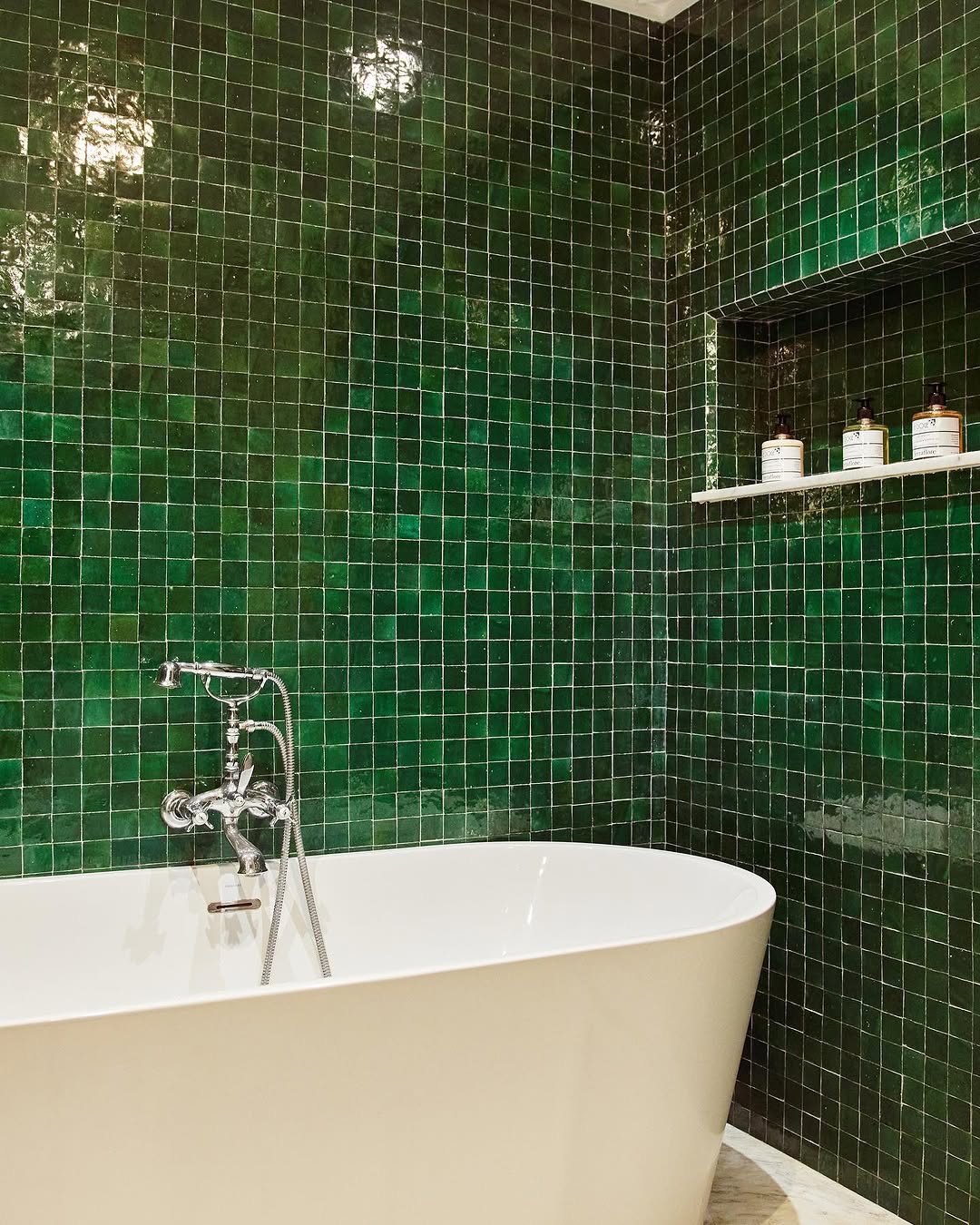
These handmade Moroccan tiles are truly one-of-a-kind. Their slightly uneven, glossy finish catches the light beautifully and adds depth to the space. They come in a variety of colors, but I personally love the vibrant colors and earthy tones. Zellige tiles can be a little high-maintenance, but the payoff is totally worth it—they add character and charm that other tiles just can’t replicate.
Wood-like Vinyl
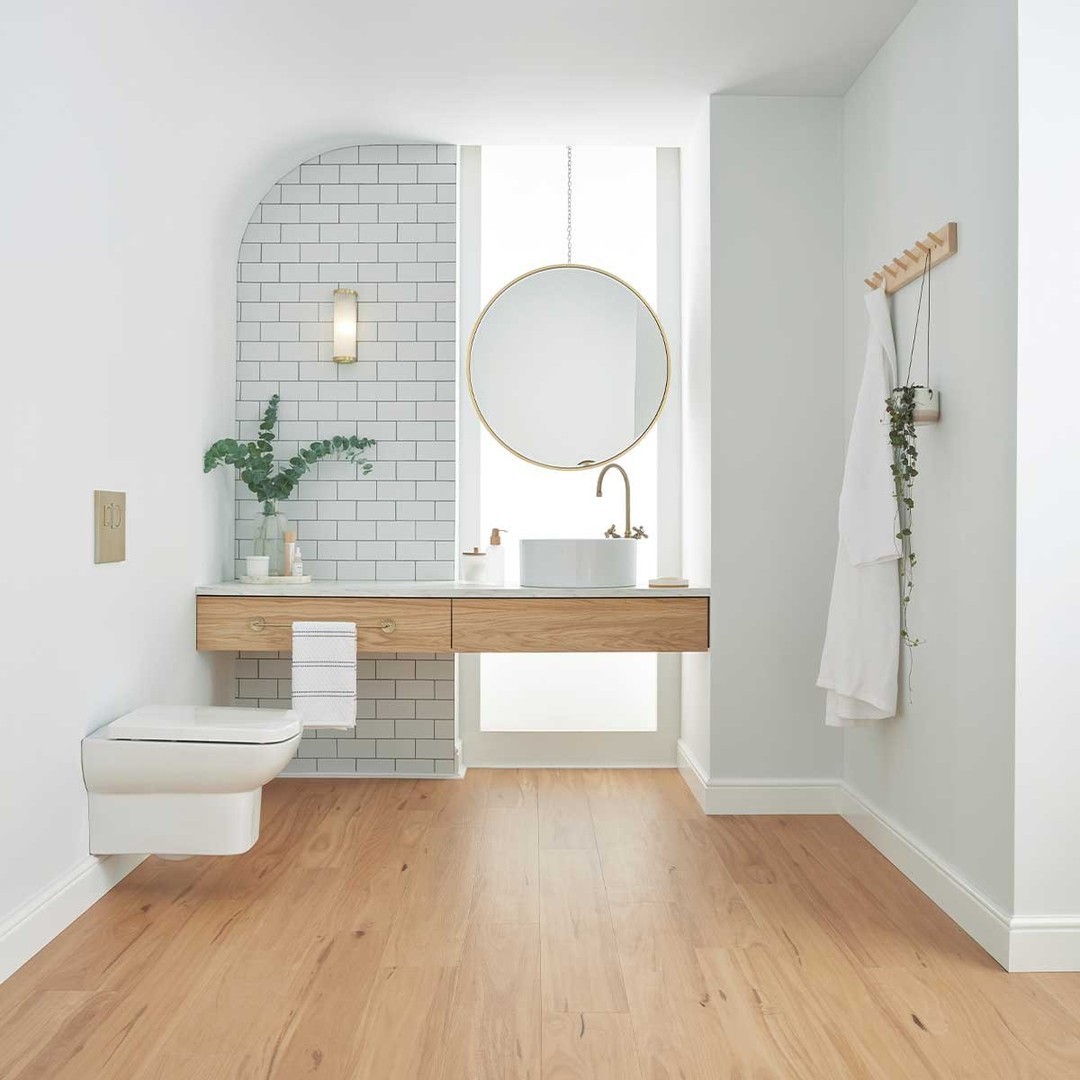
If you love the look of wood but don’t want to deal with water damage, wood-like vinyl is your best friend. I truly can’t recommend it enough. You’ll get that warm, natural wood feel without worrying about moisture. It’s also easy to clean and budget-friendly, which makes it an even better choice for small spaces.
Colorful Area Rug
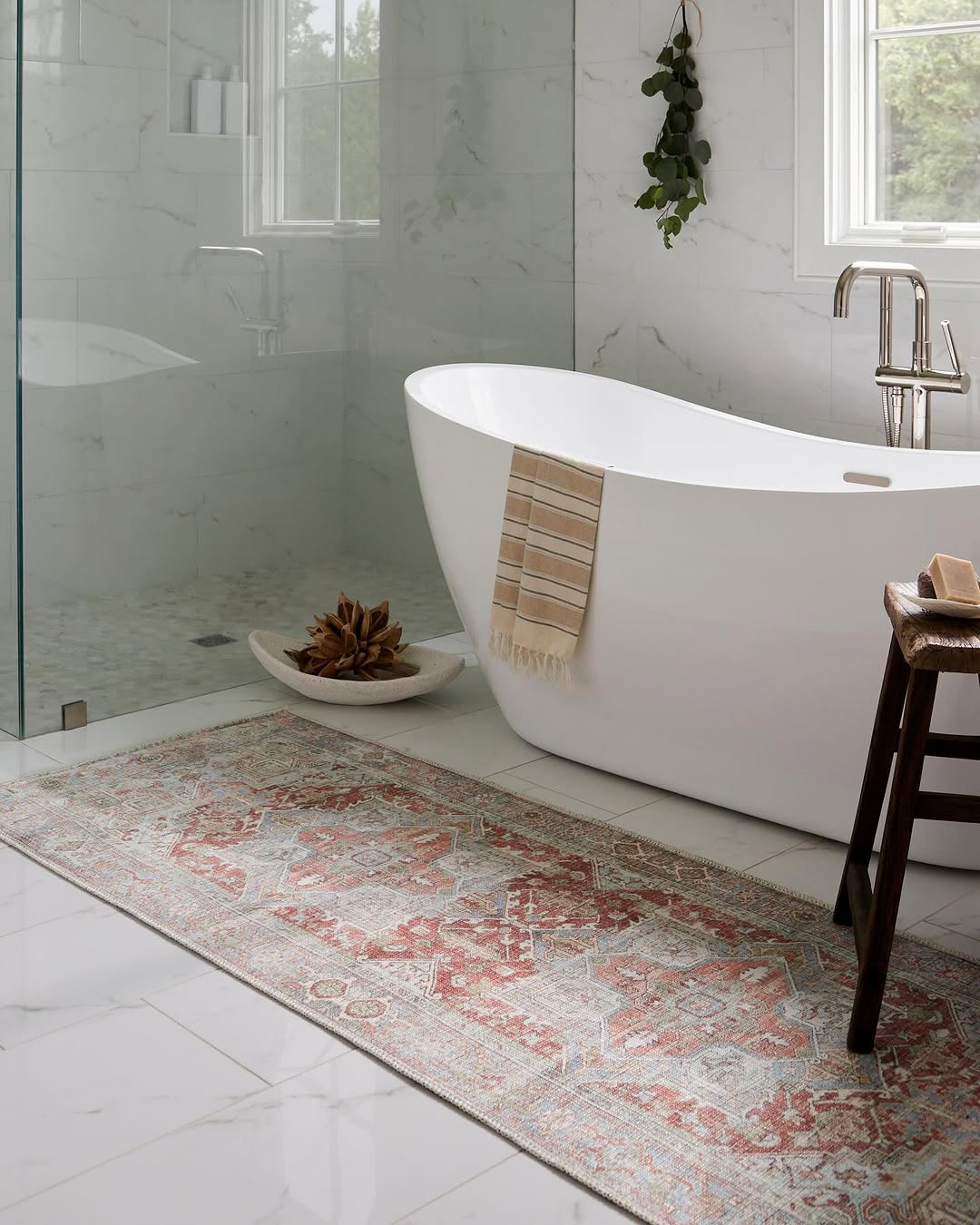
If you’re not ready to commit to a full flooring overhaul, a colorful area rug can make a huge difference. It can provide warmth, comfort, style, and a pop of color to the room. It’s a great way to introduce a new design element without committing to permanent flooring changes. Look for water-resistant rugs that are easy to clean and maintain. They can tie the room together while keeping things functional.
Terra Cotta Tiles
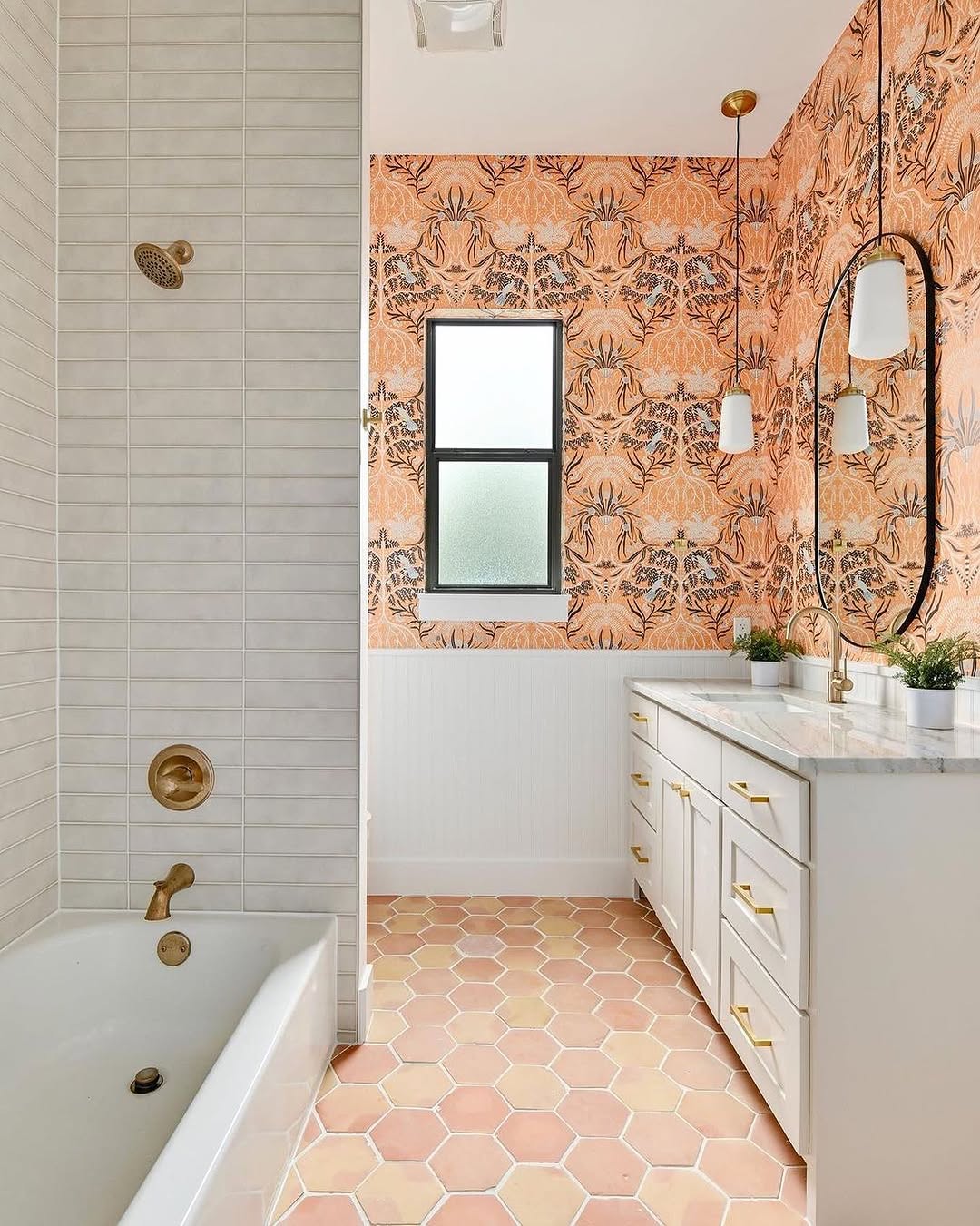
Terra cotta tiles are an option one should always go back to when they want an earthy, rustic feel. These tiles bring warmth to any bathroom and are great for small spaces because they reflect light so well. You do have to seal them to protect against moisture, but once that’s done, they’ll last for years. They’re perfect for creating a laid-back, Mediterranean-inspired vibe.
Cork
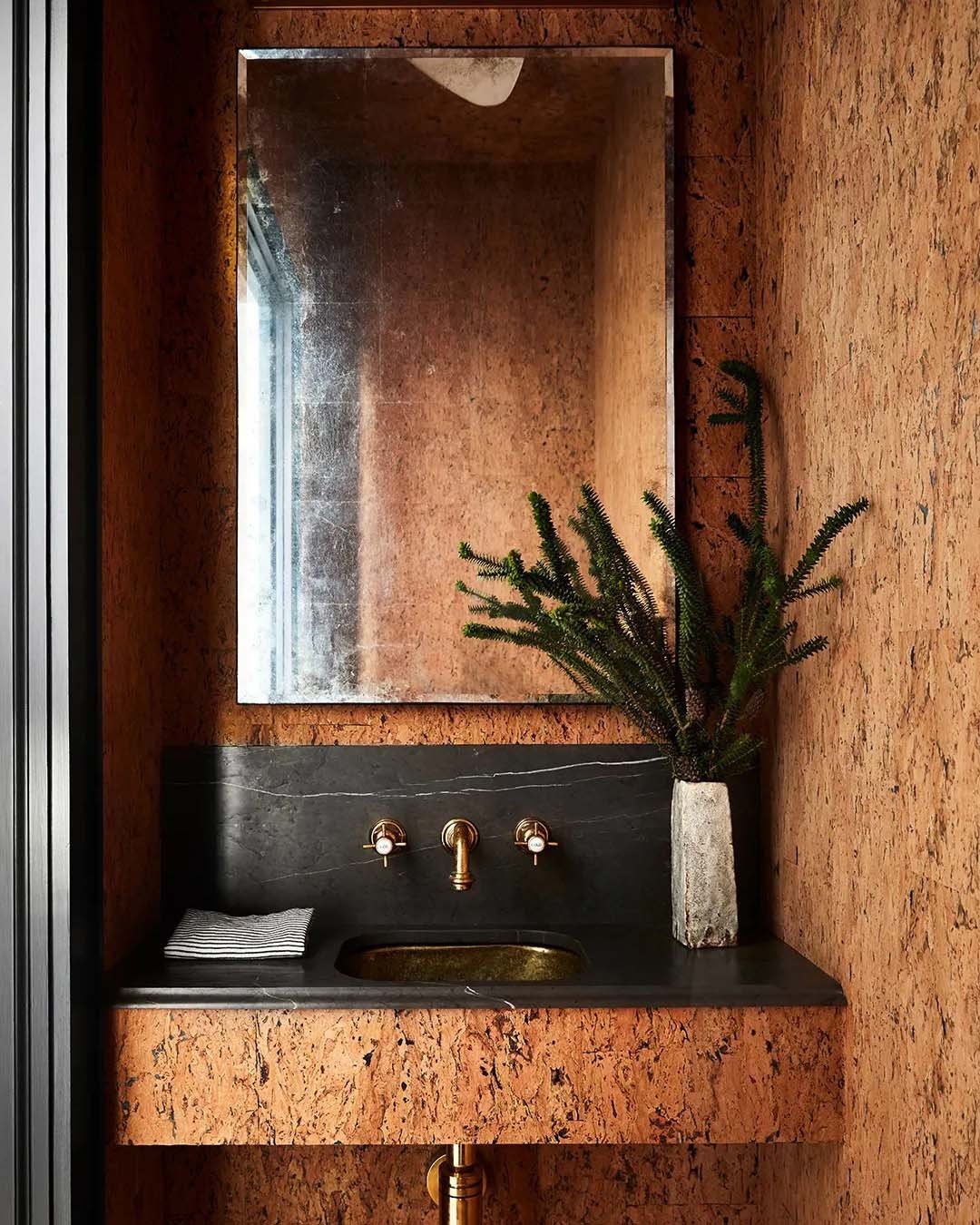
Cork flooring is a surprisingly great yet highly underrated option for small bathrooms. It’s eco-friendly, water-resistant, and comfortable to walk on. The natural texture of cork brings a relaxed, earthy vibe to the bathroom, which I think works especially well in smaller spaces. Plus, cork is a great insulator, so it’ll keep your bathroom warm during the colder months.
Mosaic Tiles
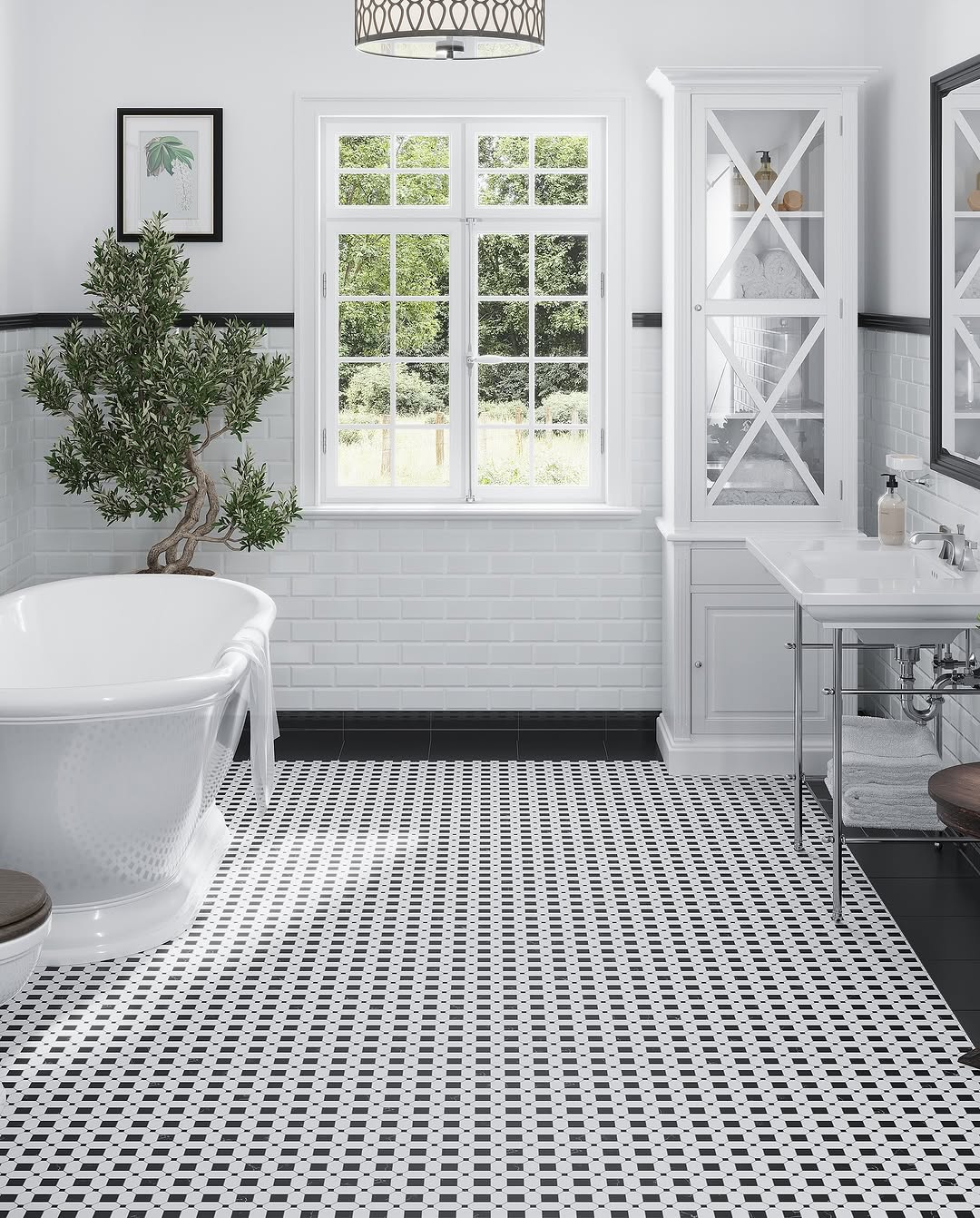
Mosaic tiles are a classic choice that never goes out of style, especially for smaller bathrooms. The small size of these tiles helps break up the design and makes the room feel bigger. Mosaic tiles come in a variety of materials, from glass to stone, and they can be arranged to fit any design aesthetic. The grout lines between the tiles give the floor texture and help create a balanced, cohesive feel in even the tiniest of bathrooms.
Decades of Combined Expertise
Best Buy Guidebook is a culmination of online publishing lessons learned. From SEO to paid ads, our team has experienced the highest of highs and the lowest of lows. Our goal now is simple: Arm readers with the most information possible.