
Carpet vs Hardwood: The Ultimate Flooring Guide

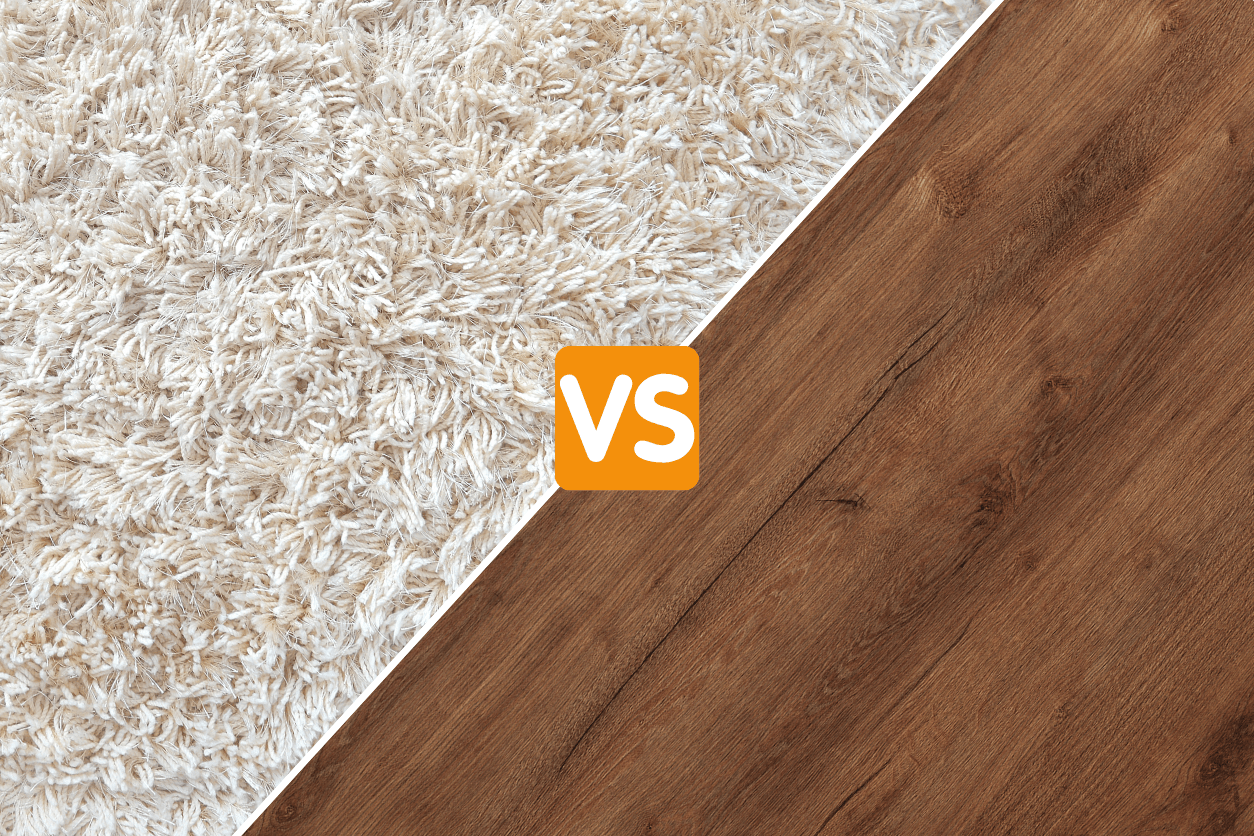
Carpet vs hardwood: what should you choose for your home?
It’s one of the questions we grapple with when deciding what flooring will work best for us. Each has its perks, but which one is right for you? We love the warmth and comfort of carpet, but we also can’t resist the classic charm of hardwood. Beyond personal preference, though, there are practical factors to consider—like durability, maintenance, cost, and even how the flooring will hold up in different areas of your home.
If you’re torn between the two, this guide will walk you through every essential factor to help you make the smartest decision for your home.
Carpet vs Hardwood: What Sets Them Apart?
Carpet and hardwood may both cover your floors, but that’s about where the similarities end. They’re made from completely different materials, and that difference affects everything from durability to aesthetics.
Carpet
Nowadays, carpets are mostly made from synthetic fibers like nylon, polyester, or polypropylene, which are woven into a backing through a process called tufting. These materials make carpets affordable and easy to produce in endless textures, patterns, and pile heights. If you prefer something more natural, wool is a luxurious, eco-friendly option, though it comes at a higher price. Carpet is sold by the square foot and is often installed with padding underneath for extra softness and insulation.
Hardwood
Hardwood flooring is milled from natural wood—oak, maple, cherry, and walnut are among the most common choices. Each plank is sanded smooth and finished with a protective seal which creates that rich, organic look that never goes out of style. The boards fit together using tongue-and-groove edges which makes installation sturdy and seamless.
If you love the look of hardwood but want something more budget-conscious, engineered hardwood is another option. It has a thin layer of real wood over a plywood or composite base that makes it more resistant to moisture and temperature changes. While it can’t be refinished as many times as solid hardwood, it still delivers a similar aesthetic at a lower cost.
Which Flooring Stretches Your Dollar Further?
Budget plays a huge role in any flooring decision. Carpet is typically the more affordable choice, both in terms of materials and installation. Basic synthetic carpets can be surprisingly cheap, while high-end wool options still tend to cost less than solid hardwood.
Hardwood flooring, on the other hand, is an investment. The price varies depending on the type of wood—oak, and maple are on the lower end, while exotic species like mahogany or teak come with premium price tags. Engineered hardwood offers a middle ground, delivering the beauty of real wood at a slightly lower cost. While hardwood requires a higher upfront investment, it pays off in longevity, as it can last decades longer than carpet.
Which Enhances the Look of Your Space
When you decide what flooring to go for you not only go through budget consideration but also think about what actually can enhance the look of your space. Hardwood has a timeless appeal that works with nearly any style, from rustic farmhouses to modern lofts. The natural grain patterns and warm tones create a refined, polished look that adds instant character.
Carpet, on the other hand, is all about comfort. It’s available in an endless variety of colors, textures, and patterns. The sheer variety of carpets allows you to turn your space into anything you want. If you want something cozy, a deep-pile carpet does the trick. And if you prefer something sleek and practical, a low-profile option works well in high-traffic areas. While carpet may not have the same luxury factor as hardwood, it brings warmth and softness that can make a home feel more inviting.
Which one is Durable
If you’re looking for flooring that can go the distance, hardwood wins by a landslide. With proper care, solid hardwood can last 50 to 100 years. Even if it gets scratched or worn over time, it can be refinished multiple times to restore its original look.
Carpet, on the other hand, has a much shorter lifespan. Most carpets last around 10 to 15 years before they start showing wear, and high-traffic areas wear out even faster. Unlike hardwood, carpet can’t be refinished—once it’s worn down, it needs to be replaced entirely. If longevity is a key concern, hardwood is the smarter investment.
What’s Easier to Keep Clean?
Hardwood floors are pretty low-maintenance—regular sweeping or vacuuming takes care of dust and dirt, and occasional mopping keeps them fresh. However, they can scratch or dent, and water damage is a real concern. Spills should be wiped up quickly to avoid stains or warping.
Carpet, on the other hand, requires more effort to keep clean. It traps dust, dirt, and allergens, so frequent vacuuming is a must. Spills can soak into the fibers and cause stains, which means spot-cleaning and occasional deep cleaning (shampooing or steam cleaning) are necessary. If you have kids or pets, keeping the carpet looking fresh can be a challenge.
Which Feels Better Underfoot?
Carpet is hands-down the cozier option. It’s soft, and warm, and provides cushioning underfoot which makes it perfect for bedrooms, playrooms, and family spaces. It also absorbs sound, which is a big plus in multi-story homes. In colder climates, carpet adds a layer of insulation that keeps rooms feeling warmer.
Hardwood, while visually appealing, doesn’t offer the same level of comfort. It can feel cold in winter, and it’s not exactly forgiving if you like walking around barefoot. Area rugs can help, but they don’t provide the same level of softness that wall-to-wall carpet does.
Which Flooring Has More Resale Value
If you’re thinking about resale value, hardwood is the clear winner. Homebuyers consistently prefer hardwood over carpet, seeing it as a high-end feature that adds sophistication and durability. Homes with hardwood flooring often sell faster and at higher prices than those with carpets.
The carpet, while cozy and inviting, isn’t seen as a long-term feature. Even if it’s brand new, many buyers plan to replace it, which doesn’t add much value to your home. If you’re thinking ahead to future resale potential, hardwood is a better bet.
Which Flooring is More Eco-Friendly?
Hardwood, especially when sourced from responsibly managed forests or reclaimed wood, is a sustainable choice. It lasts for generations and reduces the need for frequent replacements.
Carpet, particularly synthetic varieties, has a bigger environmental impact. Many are made from petroleum-based materials and can emit volatile organic compounds (VOCs) that affect indoor air quality. However, some manufacturers offer eco-friendly carpets made from recycled materials or natural fibers like wool. If sustainability is a priority, look for carpets with low-VOC certifications or opt for responsibly sourced hardwood.
Which Flooring Should You Choose?
So, which is better—carpet or hardwood? The answer depends on what matters most to you. If you’re after long-term value, durability, and a classic look, hardwood is the way to go. If comfort, warmth, and affordability are your priorities, carpet makes a great choice.
For high-traffic areas like living rooms and hallways, hardwood’s durability makes it a smart pick. Bedrooms and family rooms, on the other hand, might benefit from the cozy feel of the carpet. Ultimately, your decision should be based on lifestyle, budget, and personal preference. No matter which option you choose, the right flooring will make your home feel like home.
Decades of Combined Expertise
Best Buy Guidebook is a culmination of online publishing lessons learned. From SEO to paid ads, our team has experienced the highest of highs and the lowest of lows. Our goal now is simple: Arm readers with the most information possible.