
How to Make a Freestanding Tub the Focal Point of Your Bathroom

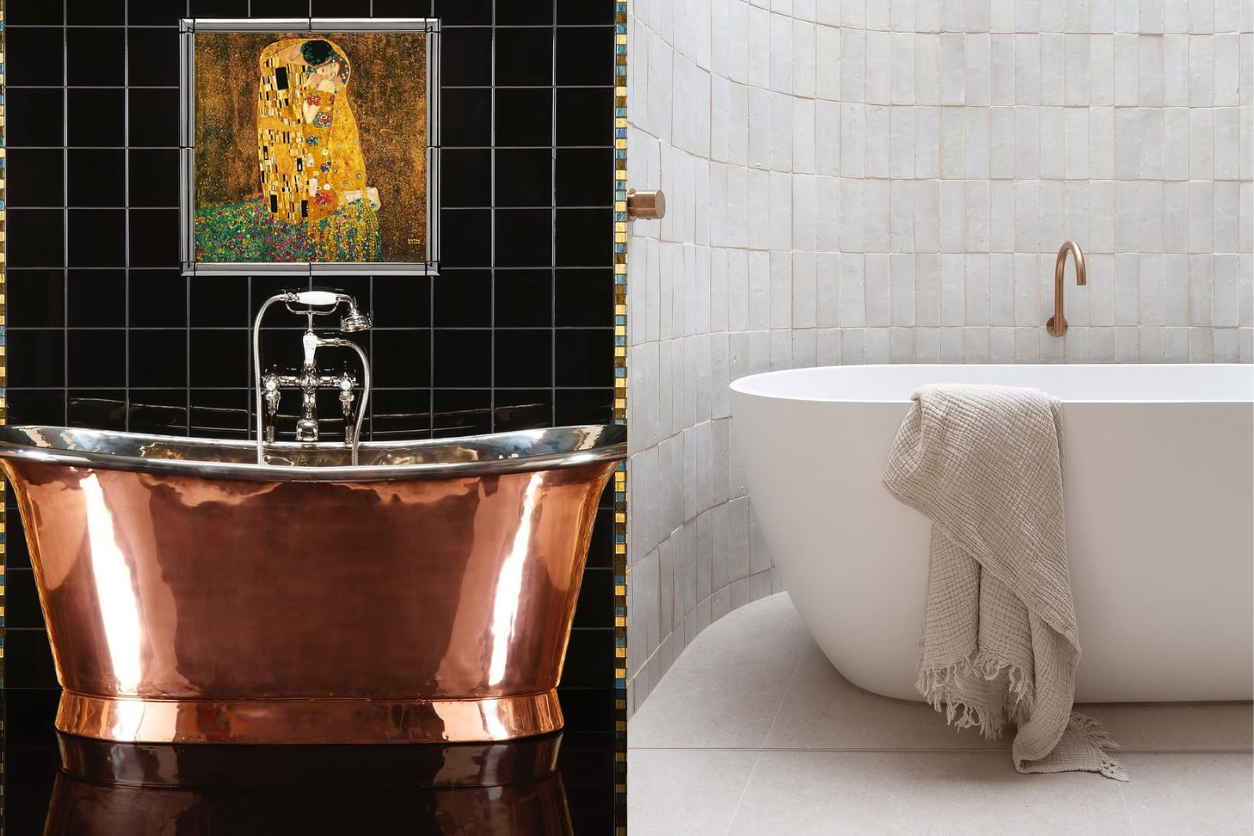
There’s something timeless about these tubs, and they’re more than just a luxury statement. They create a focal point, anchoring the bathroom while elevating it to something special. If you’re planning a bathroom revamp—or even just dreaming about one—designing around a freestanding tub is where you’ll get the most impact. It’s about more than just picking the right model; it’s about making the entire space work together to highlight the tub while maintaining practicality.
Placement Is Everything
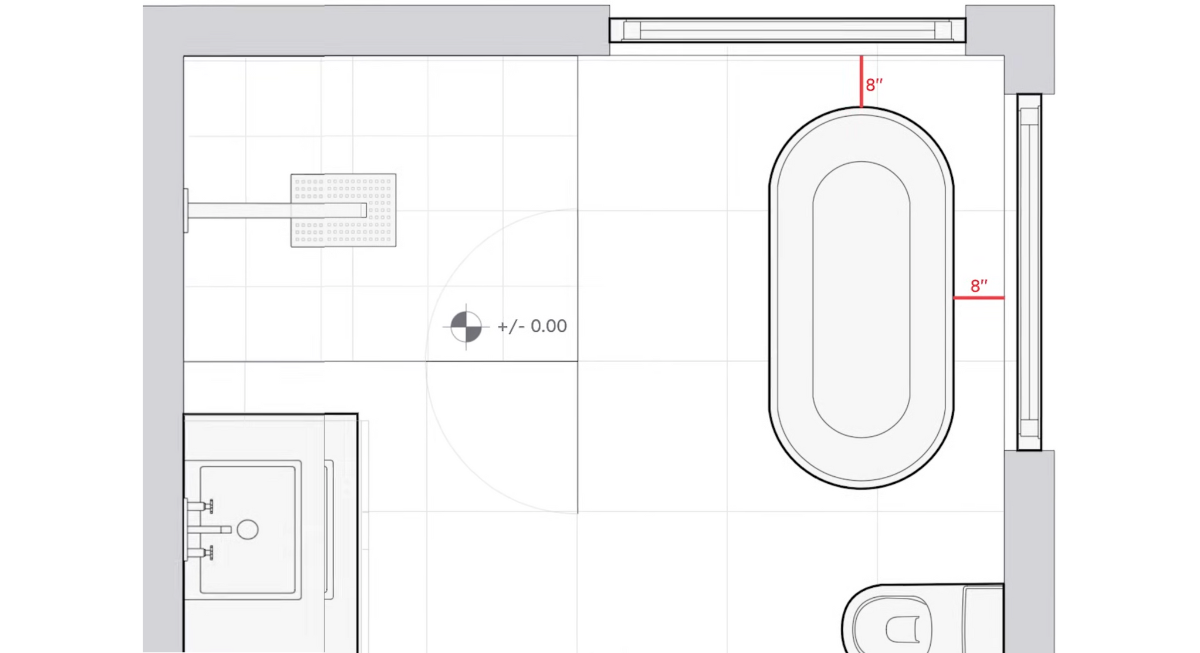
The first step in making your freestanding tub the star of your bathroom is figuring out where it belongs. And no, simply shoving it in a corner won’t cut it. These tubs are meant to stand out, so give them the room they deserve. A freestanding bath should have at least 8 inches of space from all sides just for clearance for cleaning. Now, you probably won’t need to clean around a freestanding tub that frequently but leaving a few inches around it definitely helps in getting to those hard-to-reach areas. If you have a slanted tub that’s a bit narrower at the bottom, cleaning becomes a lot easier since it leaves you with even more space to wedge in a mop or a brush.
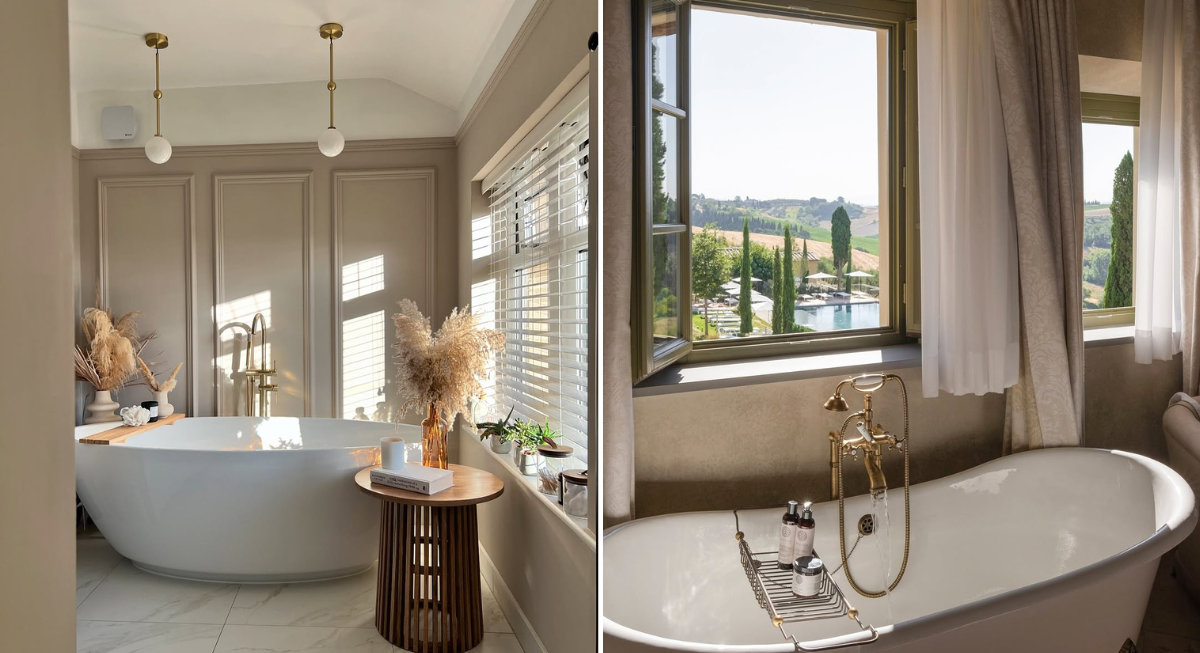
If your bathroom is spacious, placing the tub in the center of the room can create an immediate “wow” factor. For a softer, more natural look, angle it slightly, breaking up the hard lines of traditional bathroom layouts. I once saw a bathroom where the tub was angled to face a window overlooking a forested backyard—every bath felt like a retreat. Even smaller spaces can work with freestanding tubs. Tucking one under a slanted ceiling or framing it within a niche can make it feel intentional rather than squeezed in.
And if you’ve got a view? Leverage it. Imagine soaking in the tub while looking out at the skyline or a garden. If privacy’s a concern, linen drapes or frosted glass can provide the perfect balance between openness and seclusion.
The Wall Behind the Tub Can Be a Showstopper
The wall behind a freestanding tub is a design opportunity waiting to happen. You can go bold or keep it subtle, but either way, it should complement the tub and draw attention to it.
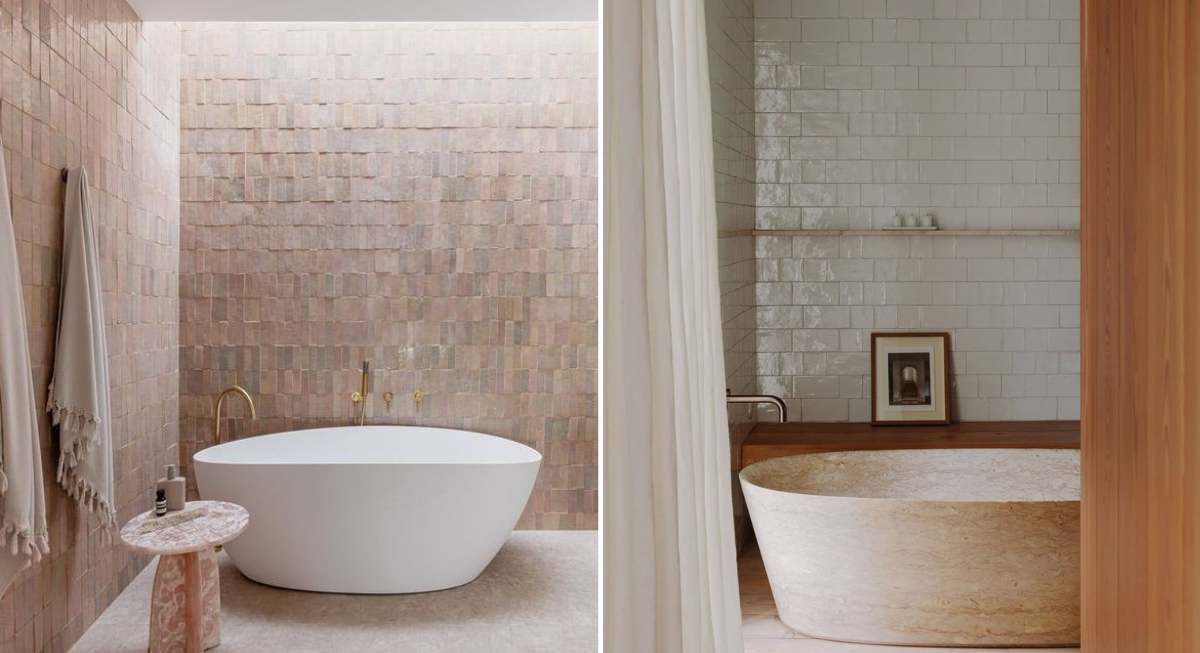
I’ve seen people opt for textured accent walls—think white shiplap for a farmhouse vibe or Moroccan tile for something more eclectic. If you want a modern look, go for a sleek marble panel. Not only does it look stunning, but it’s also practical, protecting the wall from water splashes. A simpler option? Paint the wall in a rich color that contrasts beautifully with the tub. A deep forest green or even a muted navy can make the clean white curves of a freestanding tub pop without overpowering the space.
For those who like to keep things natural, placing the tub in front of a window or a skylight can create a stunning visual effect. The changing light throughout the day becomes part of the experience, adding a dynamic, natural element.
Color Isn’t Just for Walls
Most people default to white when thinking about freestanding tubs, but there’s no rule that says you have to. In fact, a bold-colored tub can be the defining feature of your bathroom.
Picture a clawfoot tub in a deep black finish for a modern edge, or a soft blush tone for something playful and feminine. Even vintage finds can be updated with a coat of durable, waterproof paint. I once saw a mustard-yellow tub paired with Moroccan tiles, and it was unforgettable in the best way.
When introducing color, let the tub dictate the room’s palette. Pull the shade into smaller elements—like towels, artwork, or even a patterned floor—to create a cohesive look that doesn’t feel accidental.
Freestanding Tub Needs Accessories Too
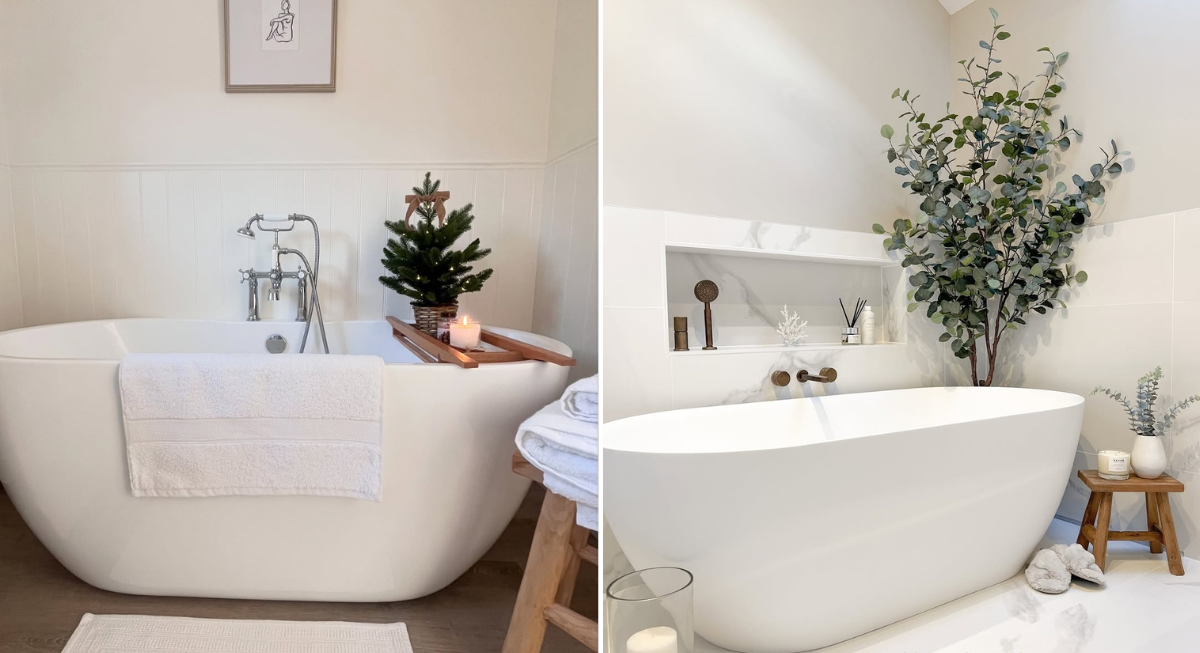
This is where a lot of people go overboard. Freestanding tubs don’t need much to shine, but the right accessories can enhance their presence without overwhelming the space.
A small wooden stool or side table can hold your bath essentials—candles with elegant candle holders, an intriguing book, or a cup of hot tea—without cluttering the clean lines of the tub. Adding greenery is always a good idea, but stick to plants that can handle humidity. A tall monstera or a hanging pothos can soften the room’s hard surfaces while adding life and texture.
If you want a touch of luxury, a bath tray across the tub can hold everything from bath salts to your favorite wine glass. Just don’t overcrowd it; the goal is functional beauty.
Frame the Space
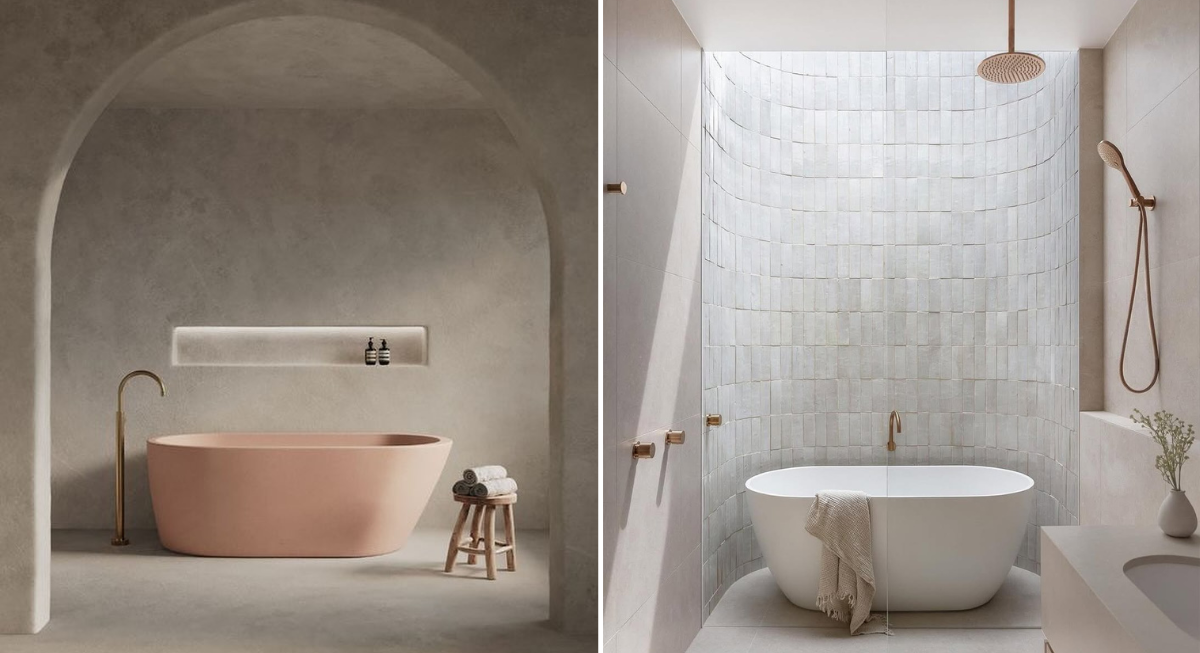
Even the most stunning freestanding tub can look lost in a large bathroom without the right framing. For instance, adding a marble backsplash or panel behind the tub not only protects the wall but also creates a sense of structure.
For something more whimsical, you could use a folding screen painted in a vibrant color. I recently saw one in a sunny yellow lacquer that stood behind a tub in an otherwise neutral bathroom. It pulled focus in the best way while adding a sense of fun to the room.
For those leaning into minimalism, consider a concave wall behind the freestanding bath that curves with the tub. Curved lines naturally draw the eye and create a softer, more inviting atmosphere. Pair it with textured materials like grey stone-effect tiles or warm wood for a balanced, organic feel.
For something more dramatic, consider an arch that serves as an entrance and nicely frames the tub to give it a very editorial look.
Lighting Brings It All Together
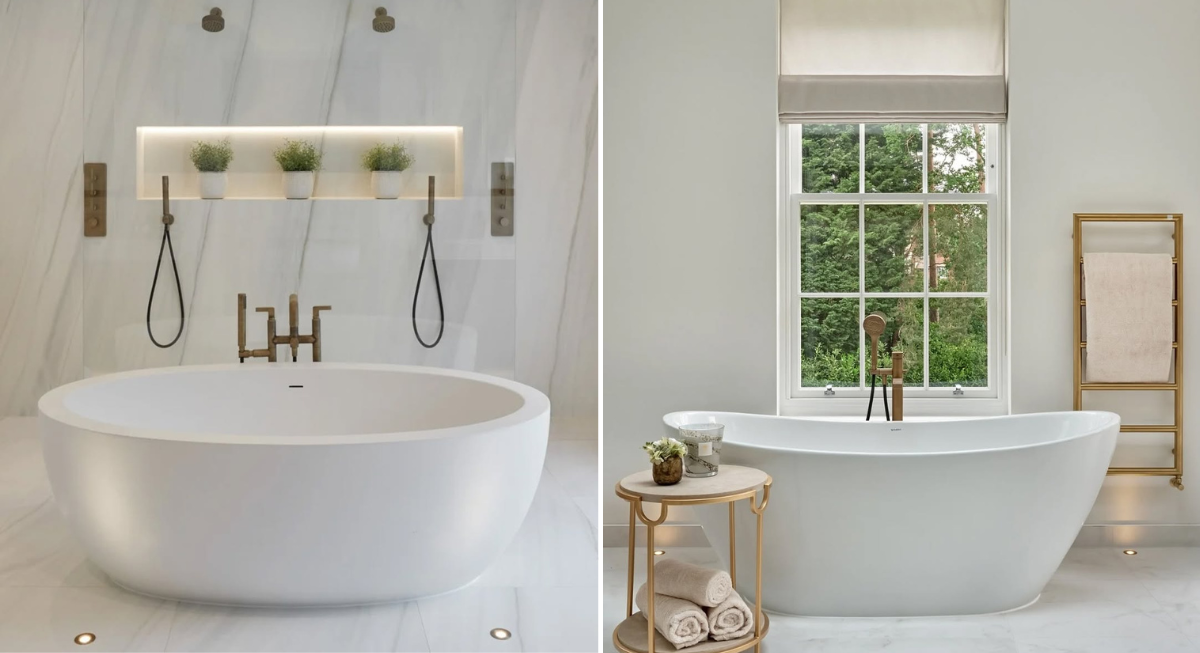
Freestanding tubs have an innate elegance, but lighting can completely transform how they’re perceived. A single harsh ceiling light can undo all your hard work, so it’s worth layering your options.
Subtle floor lighting behind the tub can create a soft glow, almost like a halo effect. If you have a built-in shelf or niche nearby, consider adding an LED light strip to highlight that space without drawing attention to the light source itself. I’ve always loved the look of wall sconces on either side of a tub—they add symmetry and create a cozy ambiance.
And for those late-night soaks, nothing beats the simplicity of candles. Flameless options can give the same warm flicker without the worry of open flames near towels, or you can consider a subtle night light with a soft glow.
As much as freestanding tubs are about style, they’re still tubs. Practicality should always be part of the equation. Placement isn’t just about aesthetics; it’s about ease of use. Make sure there’s enough space to comfortably get in and out, and think through where the faucet and controls will go.
Storage is another consideration. If built-in niches aren’t an option, a sleek shelving unit nearby can hold bath towels and bath products without cluttering the area around the tub.
Decades of Combined Expertise
Best Buy Guidebook is a culmination of online publishing lessons learned. From SEO to paid ads, our team has experienced the highest of highs and the lowest of lows. Our goal now is simple: Arm readers with the most information possible.