
Get a Jump Start on Cleaning With the Most Neglected Spot in Your House

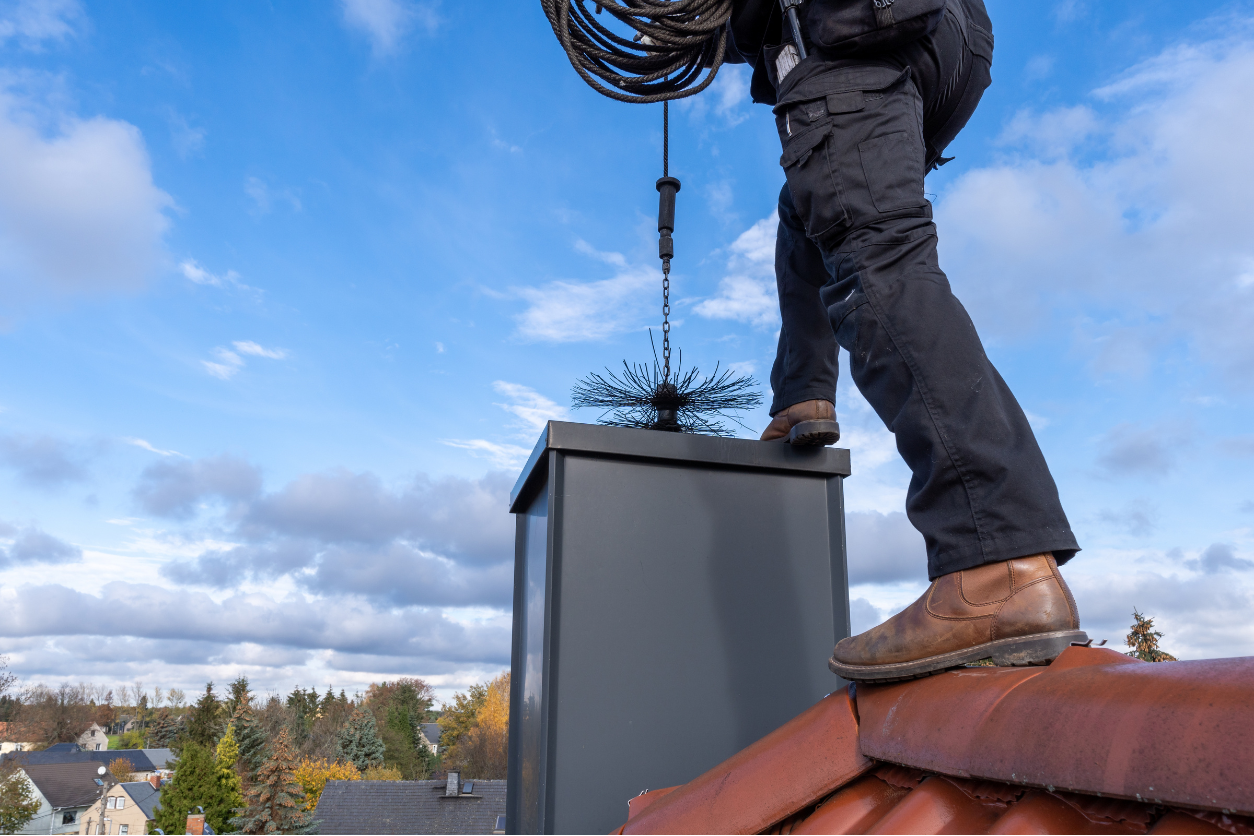
Who doesn’t love curling up in front of a glowing fireplace on a chilly evening? We certainly do, but at the same time, it’s important to be mindful of the things the fireplace demands from us. A fireplace can bring warmth and comfort, but without proper care, it can also pose risks. One of the most important tasks to keep in mind is chimney cleaning. Over time, creosote builds up inside the chimney as you burn wood, and this highly flammable residue can become a fire hazard. It ignites at temperatures over 2,000 degrees Fahrenheit, making regular cleaning essential. Plus, a dirty chimney can lead to smoke drifting back into your home and impact both your comfort and health. Luckily, knowing how to clean a chimney isn’t as hard as it sounds—and with the right tools, you can easily take care of it yourself.
What to Know About Your Chimney
Before you start scrubbing away, it’s important to understand what you’re working with. Think of your chimney as a system with several essential parts. The firebox is where you build your fire. Above it, you’ll find the damper, a metal flap that controls airflow. From there, smoke travels through the smoke chamber into the flue—a vertical passage that runs to the top of your chimney. The flue is crowned with a chimney cap, which acts as a shield, keeping out rain, debris, and curious critters.
The chimney cap plays a crucial role in preventing external debris, rain, and even animals from entering. However, as wood burns, smoke, soot, and gases pass through the flue, leaving behind layers of residue. The buildup of creosote in particular restricts airflow, which can cause smoke to back into your home and create dangerous conditions.
What You’ll Need to Clean Your Chimney
To clean your chimney effectively, you’ll need a few specialized tools.
- A chimney brush sized to match your flue
- Fiberglass rods to attach to the brush
- Gloves
- Safety glasses
- Respirator mask
- A sturdy ladder
- Plastic sheeting to seal off your fireplace and prevent a soot explosion inside your home
How to Clean a Chimney: Step-by-Step Guide
Here is a step-by-step guide to help you clean your chimney without much hassle.
Step 1: Prepare Your Fireplace Area
Before you begin, make sure your fireplace hasn’t been used for at least 24 hours. This ensures everything is cool and safe to handle. Use plastic sheeting and tape to seal off the fireplace opening or tightly close your wood stove. This step is crucial because the cleaning process generates a lot of soot and dust, which you don’t want circulating through your home. Position a shop vacuum hose inside the sealed firebox area to help capture any flying debris during the cleaning.
Step 2: Safely Access Your Roof
Next, grab a sturdy ladder and carefully climb onto your roof. If your roof is steep or pitched, take extra precautions to avoid accidents, such as using a harness or asking someone to assist you. Depending on how high your chimney extends above the roofline, you might need an additional step ladder or stool to reach the chimney cap safely. Always make sure your workspace is stable and secure before proceeding.
Step 3: Remove the Chimney Cap
Most chimney caps are held in place by screws. Using a screwdriver, carefully remove the screws and lift off the cap. If you don’t already have a chimney cap, consider installing one after cleaning. Chimney caps prevent debris, leaves, and animals from entering the flue and causing blockages.
Step 4: Inspect the Chimney Interior
Using a flashlight, shine light down the chimney to inspect its condition. Look for visible obstructions, creosote buildup, or any damage to the chimney liner. If you have an action camera, like a GoPro, attach it to a long pole and lower it into the chimney for a clearer view. This inspection step helps you identify areas that need extra attention during cleaning.
Step 5: Assemble Your Chimney Brush
Select a chimney brush that matches the size and shape of your flue. Attach the brush to fiberglass rods, connecting as many rods as necessary to reach the entire length of the chimney. A properly fitted brush is essential for effectively removing creosote and soot buildup. If you’re using a drill-powered brush, ensure the attachment is secure and ready for use.
Step 6: Scrub the Flue
Begin cleaning by inserting the brush into the chimney from the top. Push the brush downward while rotating it to dislodge creosote and soot from the flue walls. Work methodically, covering every section of the liner. Add additional rods as needed to reach the bottom of the chimney. Once you’ve scrubbed thoroughly, pull the brush back up. Repeat this process several times if necessary, especially in areas with heavy buildup.
Step 7: Reinspect the Chimney
After scrubbing, use your flashlight or action camera to check the results. Look for any remaining creosote deposits or missed spots, and scrub again if necessary. This ensures your chimney is thoroughly cleaned and safe for use. Once satisfied, reinstall the chimney cap securely.
Step 8: Clean the Firebox and Chimney Cleanout
Head back inside and allow the dust to settle for about 30 minutes. This minimizes the amount of soot that escapes when you remove the plastic sheeting. If your chimney has a cleanout door—usually located at the base—open it and use a small shovel or scoop to remove the debris that has fallen during cleaning. Use your shop vacuum to clear out fine dust and ash. If your chimney doesn’t have a cleanout door, vacuum the debris directly from the firebox. Specialty vacuums designed for chimney cleaning are available, but a standard shop vacuum with a good filter works just as well.
Step 9: Final Touches
Reinstall any fireplace screens or doors that were removed during the cleaning process. If you have a wood stove, ensure it is properly sealed. Burn a creosote-busting log periodically to help loosen residue and reduce buildup between deep cleanings, but remember that these logs are not a substitute for thorough manual cleaning.
Is Cleaning Your Chimney Worth It?
A clean chimney improves the efficiency of your fireplace. When soot and creosote accumulate, they restrict airflow, causing fires to burn less efficiently. By keeping your chimney clean, you’ll enjoy hotter, cleaner fires that produce less smoke. This not only enhances your home’s comfort but also reduces the environmental impact of burning wood.
Another benefit is cost savings. Professional chimney cleaning services can be expensive, but by learning how to clean a chimney yourself, you can save hundreds of dollars annually. Moreover, regular cleaning helps prevent costly repairs that can result from neglect, such as damage caused by creosote-related chimney fires.
Decades of Combined Expertise
Best Buy Guidebook is a culmination of online publishing lessons learned. From SEO to paid ads, our team has experienced the highest of highs and the lowest of lows. Our goal now is simple: Arm readers with the most information possible.