

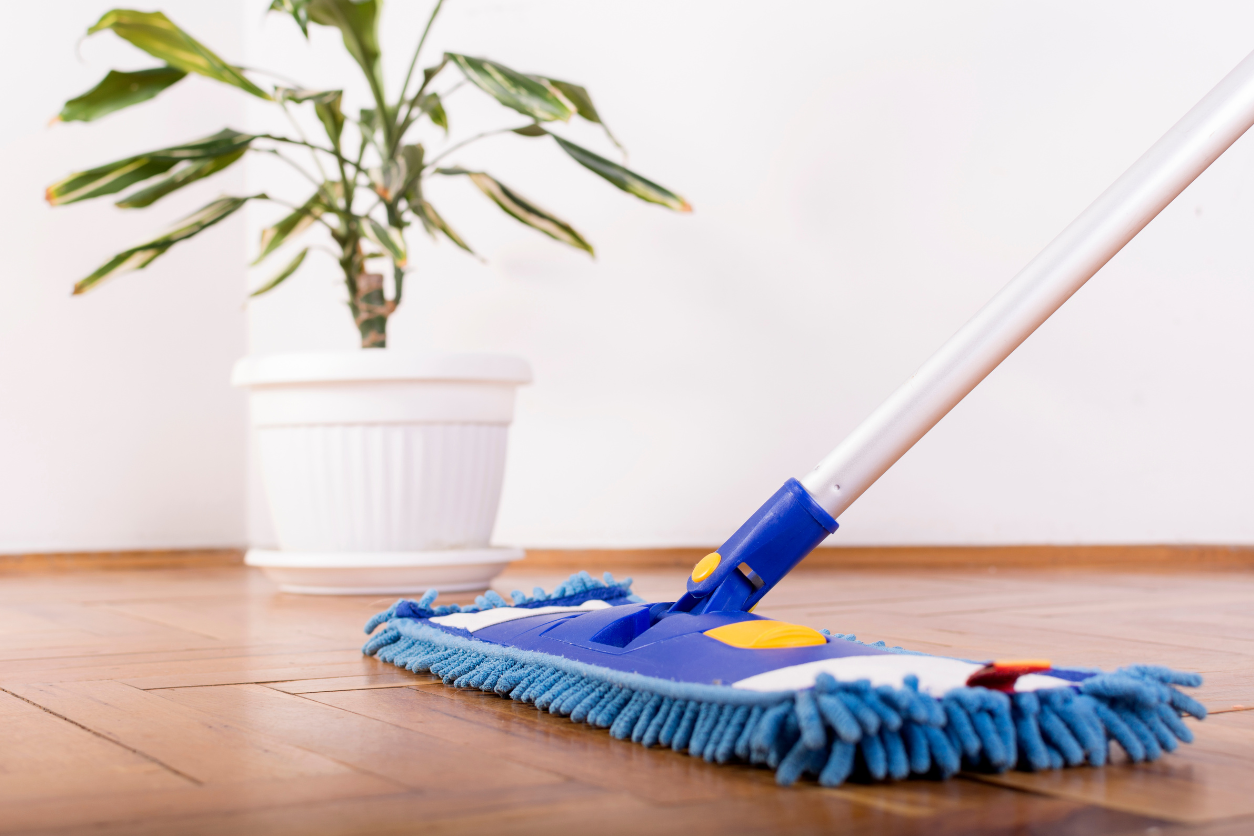
We all want our homes to look their best, and nothing quite matches the warmth and elegance of hardwood floors. But as beautiful as they are, hardwood floors require a bit of special care to keep them in top condition. If you’re wondering how to clean your floors clean without damaging them, you’re in the right place.
Hardwood floors can be a significant investment, adding both value and aesthetic appeal to your home. But without proper care, they can quickly lose their luster. Dust, dirt, and even tiny particles from everyday wear can cause scratches and dullness over time. Regular cleaning isn’t just about appearance; it’s about protecting the wood from damage that can occur if dirt and debris are left to build up.
How to Clean Hardwood Floors
When it comes to cleaning hardwood floors, less is often more. Using too much water or the wrong cleaning products can cause more harm than good. Here’s a step-by-step guide on how to clean hardwood floors the right way.
Start with Dry Cleaning
Before you think about mopping, you need to remove all the dust and debris from the surface. Sweeping with a soft-bristled broom is a great start, but for a more thorough clean, I prefer using a dust mop or vacuum. If you choose to vacuum, make sure to use the bare floor setting to avoid any damage to the wood. The goal here is to pick up any loose dirt that could scratch the floor when you start wet cleaning.
Choose the Right Cleaner
Not all cleaners are created equal, especially when it comes to hardwood floors. You want something that’s tough on dirt but gentle on the wood. A pH-neutral cleaner specifically designed for hardwood is your best bet. Avoid anything that contains harsh chemicals, wax, or oil-based products, as these can leave a residue that dulls the finish or even damages the wood.
To clean, lightly mist the floor with your chosen cleaner or apply it to a microfiber mop. The key is to use as little moisture as possible—hardwood floors and water don’t mix well. Work in sections, and always mop in the direction of the wood grain to avoid streaks.
Drying the Floor
After mopping, it’s crucial to dry the floor immediately. Excess moisture can seep into the wood, causing it to warp or develop unsightly spots. A dry microfiber cloth or mop works well for this. Simply go over the area you’ve cleaned, ensuring that no water is left behind.
Related: Are Steam Cleaners Better at Cleaning Floors than a Mop?
How to Vacuum Hardwood Floors
When vacuuming hardwood floors, always use a soft-bristled brush attachment. This will pick up dust and debris without scratching the surface. Avoid using a beater bar or any attachment with stiff bristles that can scuff the wood. If your vacuum has a setting for bare floors, switch to it. This setting usually lifts the beater bar and prevents the vacuum from scratching the wood.
Vacuuming hardwood floors requires a bit more care than vacuuming carpet. Move the vacuum in the direction of the wood grain, just like when mopping. This helps pick up dirt that might be sitting in the tiny grooves of the wood. Make sure to get into the corners and along the edges where dust tends to accumulate.
For the best results, vacuum your hardwood floors regularly. Even if you don’t see visible dirt, tiny particles can build up and cause scratches over time. This is why I prefer a robot vacuum that can do the cleaning for me without supervision or manual work.
Dealing with Stubborn Spots
Sometimes, despite your best efforts, a sticky spot or spill finds its way onto your hardwood floors. The key to handling these situations is to act quickly and use the right method. For sticky spots, dampen a cloth with a bit of your hardwood floor cleaner and gently rub the area. Avoid scrubbing too hard, as this can damage the finish. For spills, blot the liquid with a dry cloth as soon as possible, and then clean the area with a damp cloth. Always dry the spot afterward to prevent water damage.
Beyond regular cleaning, there are a few extra steps you can take to protect your hardwood floors from wear and tear. Placing mats at entryways can help reduce the amount of dirt and grit that gets tracked onto the floors. Additionally, using felt pads under furniture legs can prevent scratches when moving furniture. And remember, high heels can be the enemy of hardwood—try to avoid wearing them on these floors to keep them in top condition.