
How to Insulate Your Windows Without Ruining Their Look


Windows are the soul of a home. They let in natural light, frame beautiful views, and provide that welcoming connection to the outdoors. It’s not just the light these windows let in – when winter wind picks up – you will find your windows letting the cold sneak into your home. The same windows are also the main culprit for energy loss during summer. So, figuring out how to insulate windows is important. Luckily, there are ways to tackle drafts, heat loss, and even outside noise without turning your windows into eyesores.
As someone who has dealt with everything from old wooden frames in a century-old house to sleek modern windows in an apartment, I can tell you that a thoughtful approach makes all the difference. You don’t need heavy, clunky solutions to get the job done. With a few creative techniques and some attention to detail, you can insulate your windows effectively while keeping their charm intact.
Let’s explore the options you can trust to insulate your windows.
How to Insulate Windows
Below you will find different techniques to insulate your windows. The good thing is that these techniques are easily doable and you won’t have to spend a lot to get the job done.
Start with the Basics
Before you jump into solutions, take a moment to identify the problem spots. The edges of your windows are usually the biggest offenders that allow drafts to sneak through. You can check for leaks using a simple trick: hold a lit candle or a piece of tissue near the window frame on a breezy day. If the flame flickers or the tissue moves, you’ve found your culprit.
Once you’ve pinpointed the issues, prioritize sealing gaps and addressing areas where air escapes. Sometimes, even small fixes can make a noticeable impact, especially if your windows are generally in good shape.
Go With Window Film if You Prefer Something Invisible

If you’re looking for something nearly invisible, window insulation film is a great place to start. This thin, clear material adheres directly to your glass and creates an additional barrier against the elements. It’s perfect for homeowners or renters who want a non-permanent solution. Installation is straightforward—you just need a little patience, some tape, and a hairdryer to shrink the film for a snug fit.
What I like most about window film is that it doesn’t block your view or alter the look of your windows. Plus, many films offer UV protection, which helps prevent furniture and flooring from fading over time. If aesthetics are high on your priority list, this option ticks all the boxes.
Use Weatherstripping for Window Edges

When it comes to insulating window edges, weatherstripping is hard to beat. This flexible material is applied to the perimeter of your window to seal gaps and prevent drafts.
Modern weatherstripping comes in a range of materials, from foam to silicone, so you can choose one that best suits your needs. For instance, if you have sliding windows, a durable silicone strip might be your best bet, while foam works well for older, less-used frames. The good thing about it is that It’s unobtrusive, so it won’t draw attention or interfere with how your windows look or function.
Thermal Curtains that Combine Functionality with Style
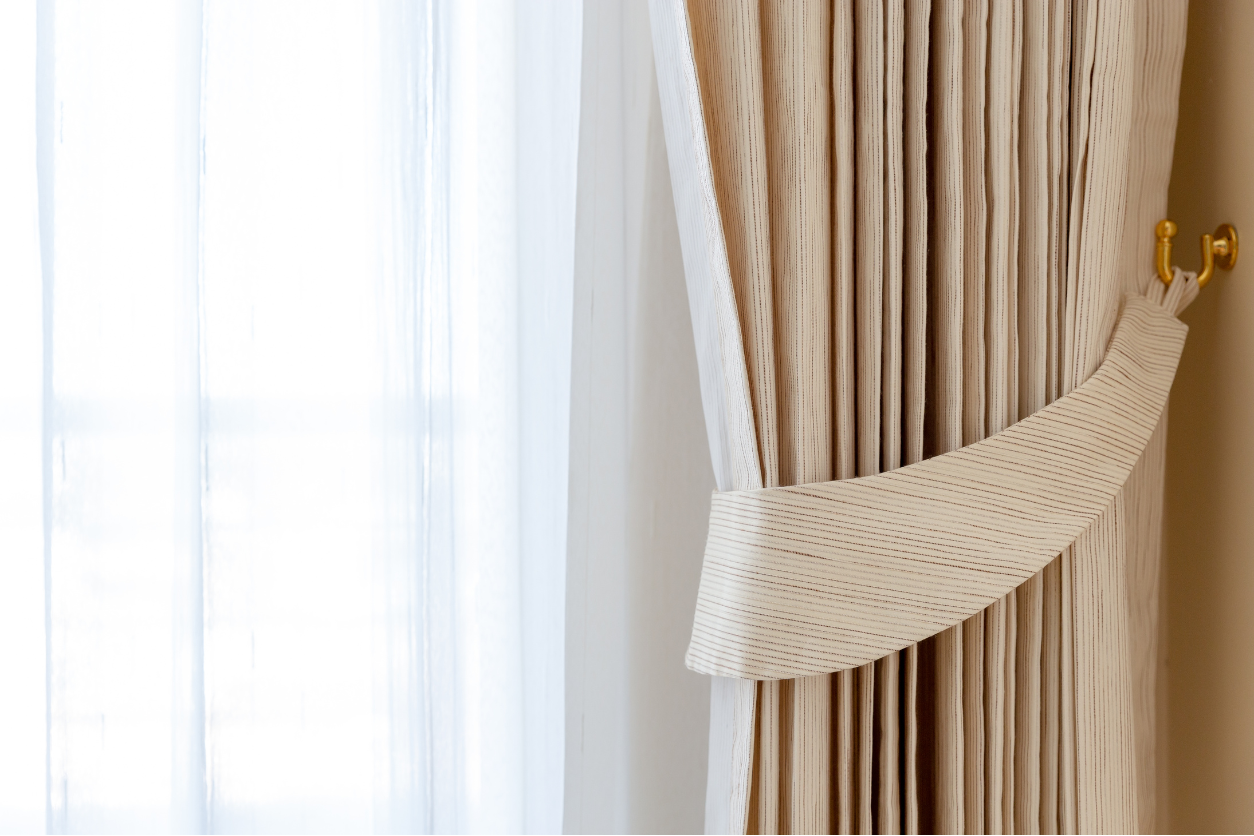
If you want to combine insulation with design, thermal curtains are a fantastic solution. These heavy-duty drapes are lined with insulating material that helps trap heat in the winter and block it out in the summer. They come in a variety of styles, colors, and patterns, so you can find a set that enhances your decor.
Thermal curtains work particularly well in rooms with large windows or areas where you want to add a decorative touch. And if you want an extra layer of control, pair them with sheer curtains or blinds to let light in during the day while still keeping the cold (or heat) out.
Use Caulk for Sealing Cracks
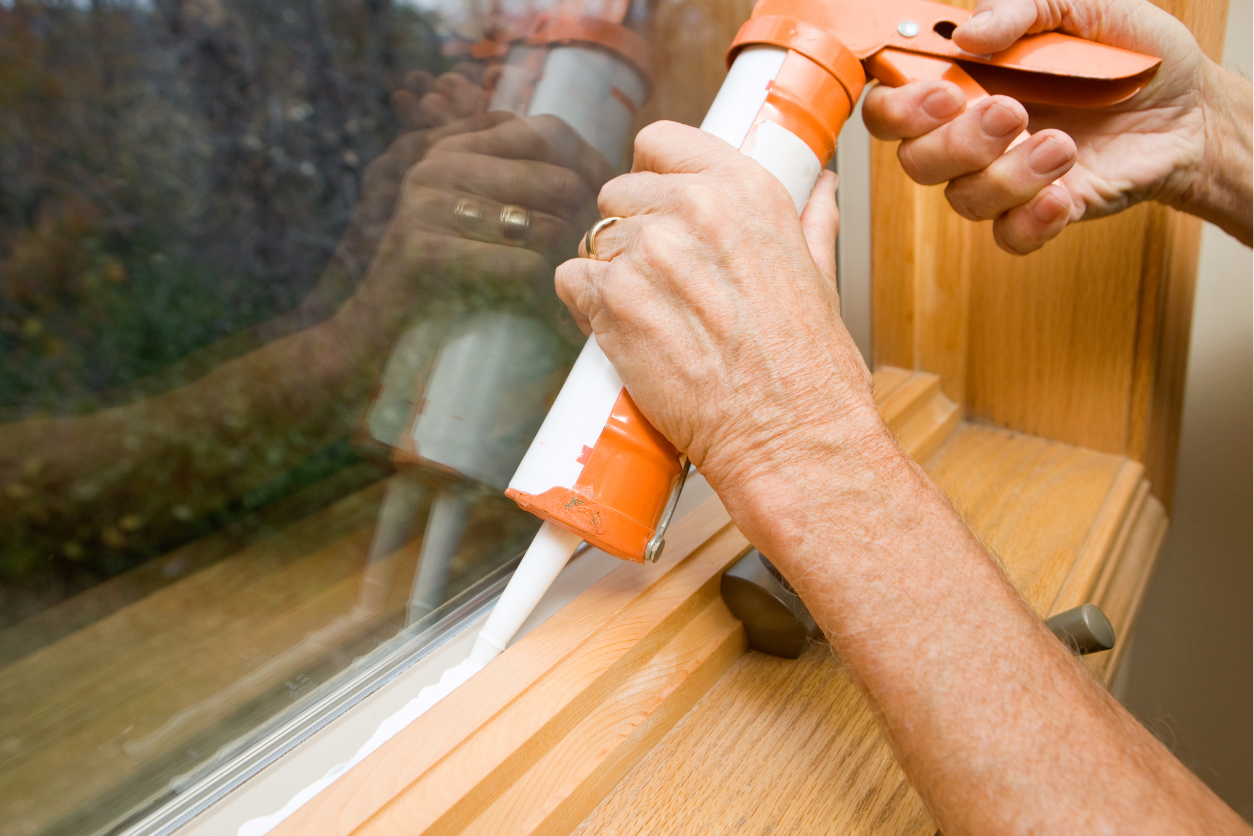
For small gaps around window frames, caulk is your go-to. It’s an inexpensive, low-maintenance fix that can make a big difference in your home’s insulation. Use a high-quality, clear caulk for a seamless finish that blends into your window trim.
The key here is precision—apply the caulk carefully to avoid any mess, and make sure to target only the areas where leaks occur. Once it dries, you’ll have a nearly invisible barrier that keeps drafts out.
Layer Different Methods for Maximum Efficiency
In some cases, combining multiple insulation methods can give you the best results. For example, you can use window film to reduce heat transfer through the glass, add weatherstripping to seal gaps, and hang thermal curtains for an extra layer of protection. This approach works particularly well in areas with extreme weather, where a single solution might not be enough.
Layering doesn’t have to mean overloading your windows with materials. The key is to use complementary solutions that work together without clashing visually. By mixing and matching techniques, you can tailor your insulation to suit both your climate and your personal style.
Seasonal Maintenance for Long-Term Efficiency
Keeping your windows insulated isn’t a one-and-done process—it requires a bit of upkeep. Regularly clean the frames and glass to ensure a proper seal, and inspect your insulation materials for wear and tear. Replace weatherstripping every couple of years and reapply caulk as needed.
In summer, prioritize methods like UV-filtering films and reflective blinds, while winter calls for draft-stopping solutions like thermal curtains or window film. By adapting your insulation strategy to the seasons, you’ll keep your home comfortable year-round.
Decades of Combined Expertise
Best Buy Guidebook is a culmination of online publishing lessons learned. From SEO to paid ads, our team has experienced the highest of highs and the lowest of lows. Our goal now is simple: Arm readers with the most information possible.