
You Want to Remove Wallpaper—Here’s How the Expert Do It

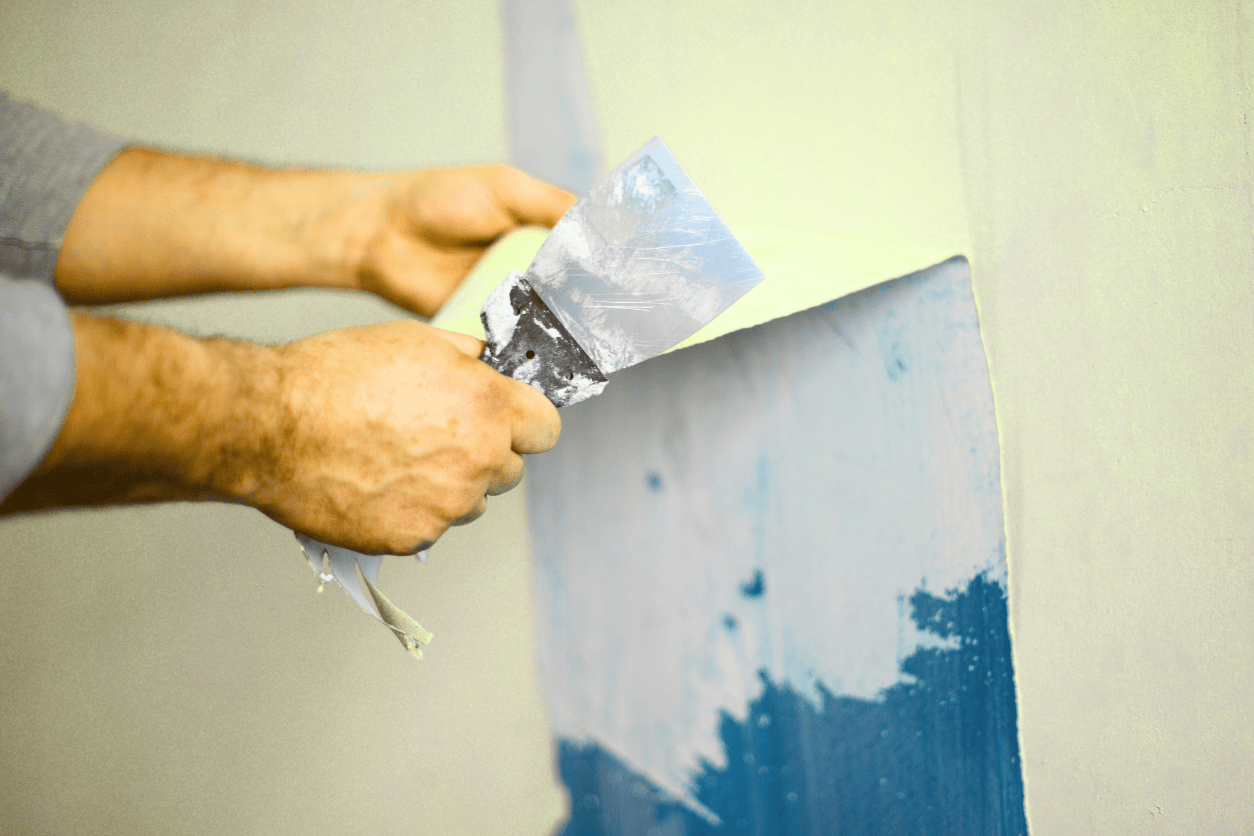
If you’ve ever tried to figure out how to remove wallpaper, you already know it’s not always as simple as peeling it off. Sometimes, you get lucky, and the top layer comes right off, leaving just the adhesive backing. Other times, it feels like you’re in a losing battle with stubborn, outdated wallpaper that refuses to budge.
Jeff, a general contractor with over 25 years of experience in home renovations and owner of RenoVision DIY, compares wallpaper removal to a lottery: “Sometimes you win, sometimes you lose.” But with the right techniques, tools, and patience, you can get it done without damaging your walls or your sanity.
How to Remove Wallpaper Like a Pro
In this section, we’ll go over four expert-approved methods to remove wallpaper, including when to use each one and common pitfalls to avoid. Along the way, you’ll find direct advice from Jeff himself—because if anyone knows what works, it’s a pro who’s been through every possible wallpaper disaster.
Start with the Basics: The Peel-and-Scrape Method
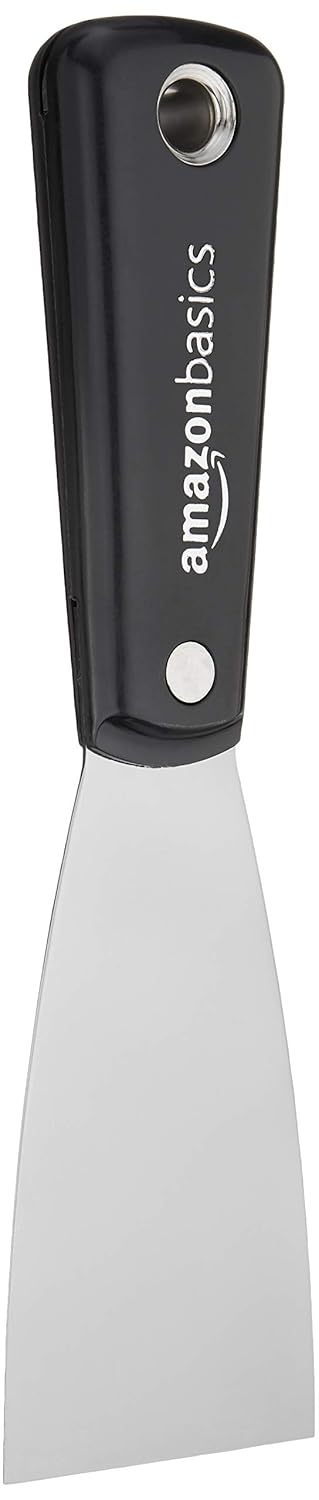
If you’re lucky, the easiest method is also the one that works. First, find a seam or corner and see if the wallpaper will peel away from the wall. If the top layer lifts but leaves a paper backing behind, you’re dealing with a two-layer wallpaper. No problem—just grab a putty knife and start scraping.
Jeff explains, “Wallpaper is basically two parts—the decorative face and the backing where the adhesive is. If you can get that top layer off, all you need to do is soak the backing to release the glue.”
To speed things up, take a damp sponge or spray bottle with warm water and soak the remaining paper. Let it sit for a few minutes so the water can penetrate the adhesive, then scrape it away. The key here is patience—if you rush it, you’ll end up damaging the drywall underneath.
When It Won’t Budge: The Soaking Technique
Some wallpaper refuses to come off in clean sheets, and that’s when water becomes your best friend. The goal here is to break down the adhesive enough to loosen the paper. “You need to give the water time to do its thing. If you try to scrape too soon, you’re just making more work for yourself,” advises Jeff.
Here’s how to do it right:
- Use warm water—it helps dissolve glue faster.
- A sponge or spray bottle works fine, but for large areas, a paint roller soaked in water makes quick work of it.
- Let the water sit for at least 10–15 minutes before you try scraping.
If you’re dealing with wallpaper that was applied directly to unprimed drywall, proceed carefully—too much water can damage the drywall paper. Work in small sections, and if the paper still won’t release, move on to the next method.
The Tough Stuff: Removing Vinyl or Coated Wallpaper
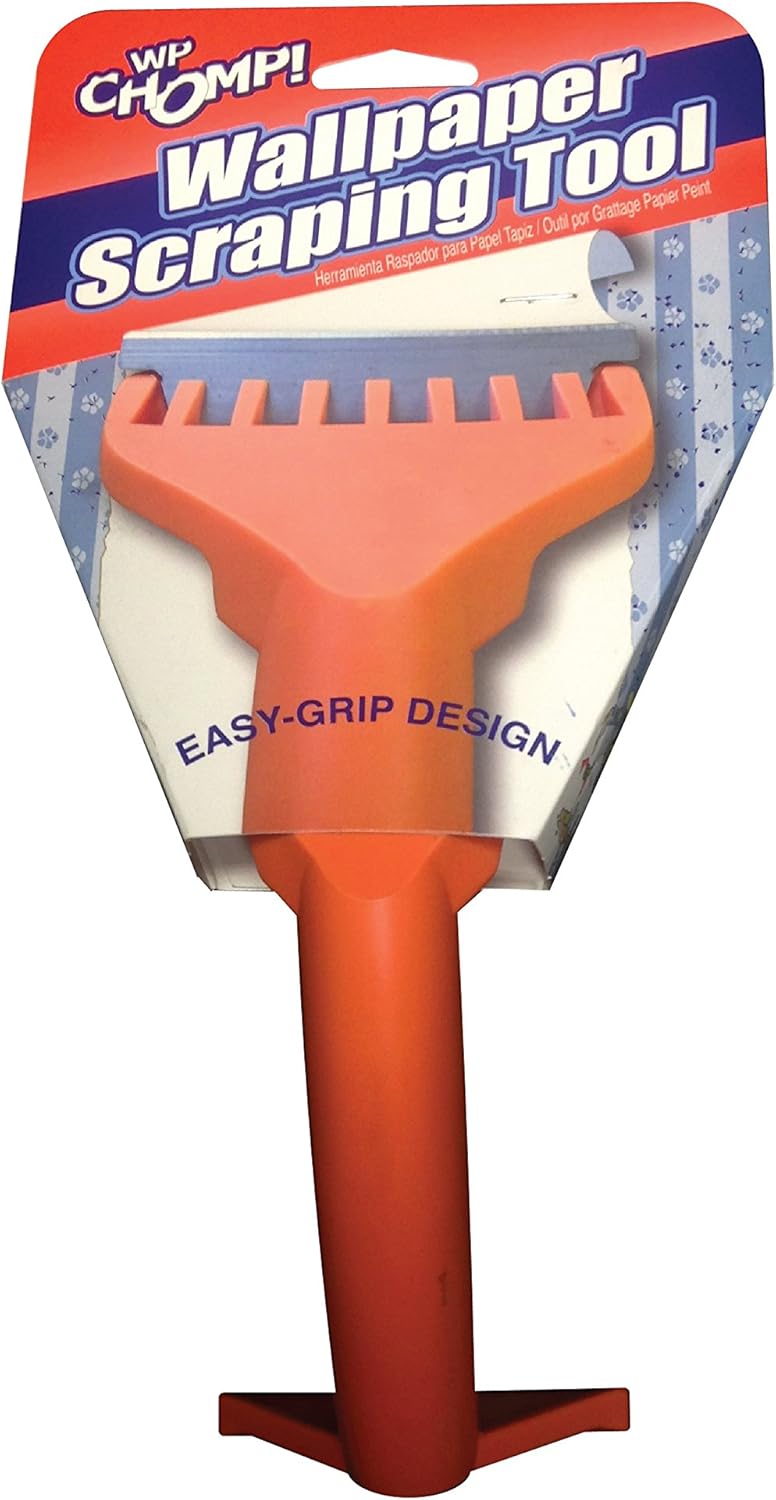
If your wallpaper has a vinyl or waterproof coating, water alone won’t cut it. You need to get past that protective layer first with a scoring tool.
Jeff warns, “These little tools do the job, but don’t press too hard—otherwise, you’ll be fixing a wall full of tiny holes later.”
Run the scoring tool over the wallpaper in light circular motions and make sure not to dig too deep. Once the surface is perforated, spray your water or wallpaper remover solution, let it soak, and then scrape.
Here is one thing to consider: while this method works, it can make a mess. Jeff warns, “Once you start scoring, you’re committed. The paper won’t come off in big sheets anymore—you’ll be scraping it off in little pieces.” If that sounds like a nightmare, you might want to try steaming instead.
The Steam Solution: When Nothing Else Works
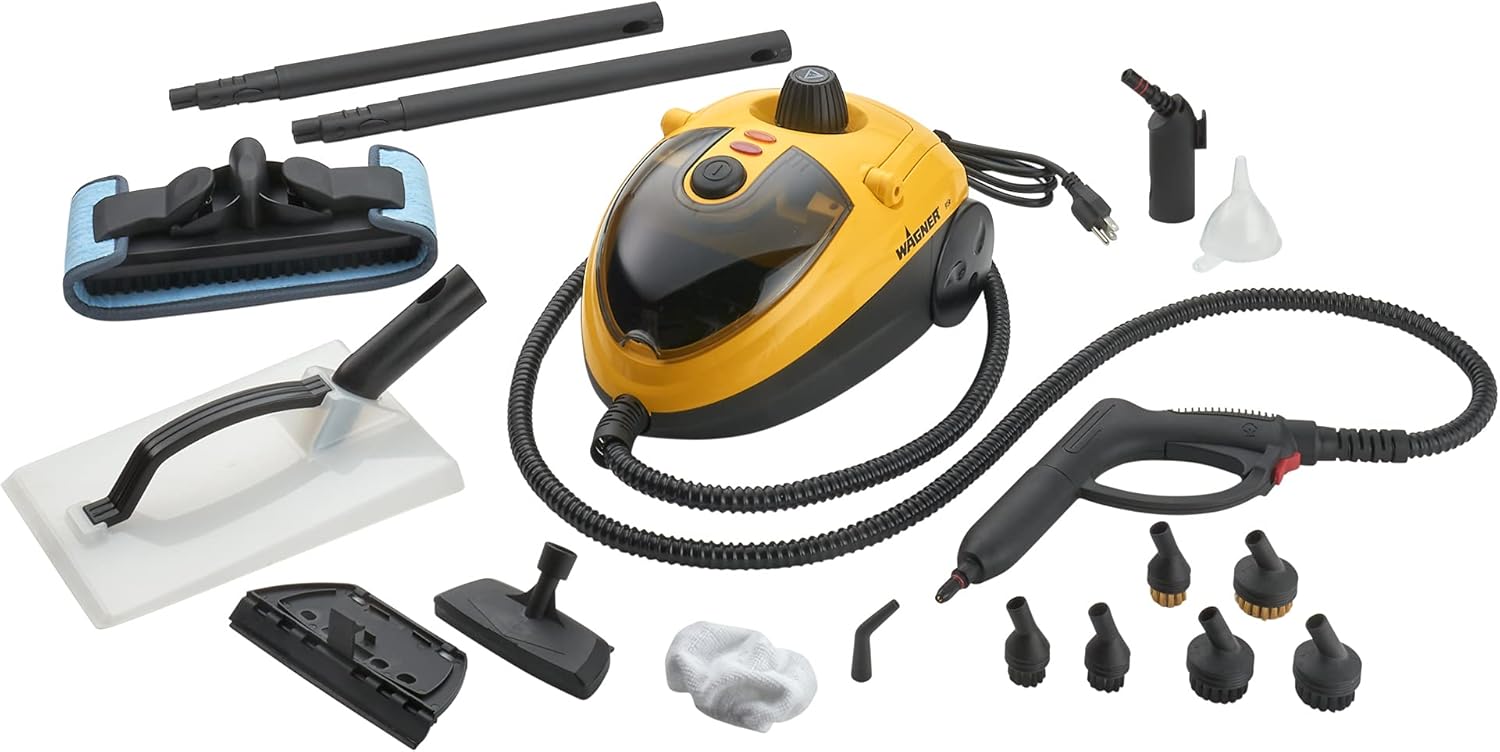
If the wallpaper is truly stubborn wallpaper, a wallpaper steamer can be a game-changer. This tool uses hot steam to soften the adhesive so you can scrape the paper away with minimal effort.
Jeff tested one out and found that it does work—but it’s not necessarily faster. “You’ll be standing there steaming section by section, so it’s a trade-off. It works great, but be ready to spend your whole day at it.”
Here’s how to make the most of a steamer:
- Work in small sections so the glue stays soft while you scrape.
- Hold the steamer against the wallpaper for about 10–15 seconds at a time.
- Use a wide putty knife to remove the softened paper.
It’s effective, especially on older homes with multiple layers of wallpaper, but it does come with some downsides. The steam creates condensation, so be prepared for drips, damp walls, and potential cleanup issues if you have hardwood floors.
Wallpaper Removal Methods & Tools
| Method | Tools Required | Best For | Challenges |
| Peel-and-Scrape Method | Putty knife, damp sponge, spray bottle | Easily removable wallpaper with a two-layer design | Patience required to avoid damaging drywall |
| Soaking Technique | Warm water, sponge, spray bottle, paint roller | Stubborn wallpaper with strong adhesive | Too much water can damage unprimed drywall |
| Removing Vinyl or Coated Wallpaper | Scoring tool, spray bottle, wallpaper remover solution | Vinyl or coated wallpaper that repels water | Creates a mess; wallpaper comes off in small pieces |
| Steam Solution | Wallpaper steamer, wide putty knife | Extremely stubborn wallpaper or multiple layers | Time-consuming; requires handling condensation |
| Dealing with Leftover Adhesive | Warm soapy water, 180-grit sandpaper, flat oil-based primer | Ensuring walls are smooth and paint-ready | Must remove all glue to prevent future paint issues |
| Alternative: Sealing Instead of Removing | Flat oil-based primer, joint compound, sanding tools | Walls where removing wallpaper may cause damage | Requires extra prep work before painting |
How to Deal with Leftover Adhesive and Wall Damage
Once the wallpaper is gone, you’re not done yet. You still need to clean up any leftover glue, smooth out the walls, and prep them for whatever’s next.
Jeff lays it out: “If you leave glue behind, your paint job’s going to look terrible. And if you don’t check for damage now, you’ll regret it later.”
Here’s how to wrap things up properly:
- Wash the walls with warm, soapy water to remove any leftover adhesive.
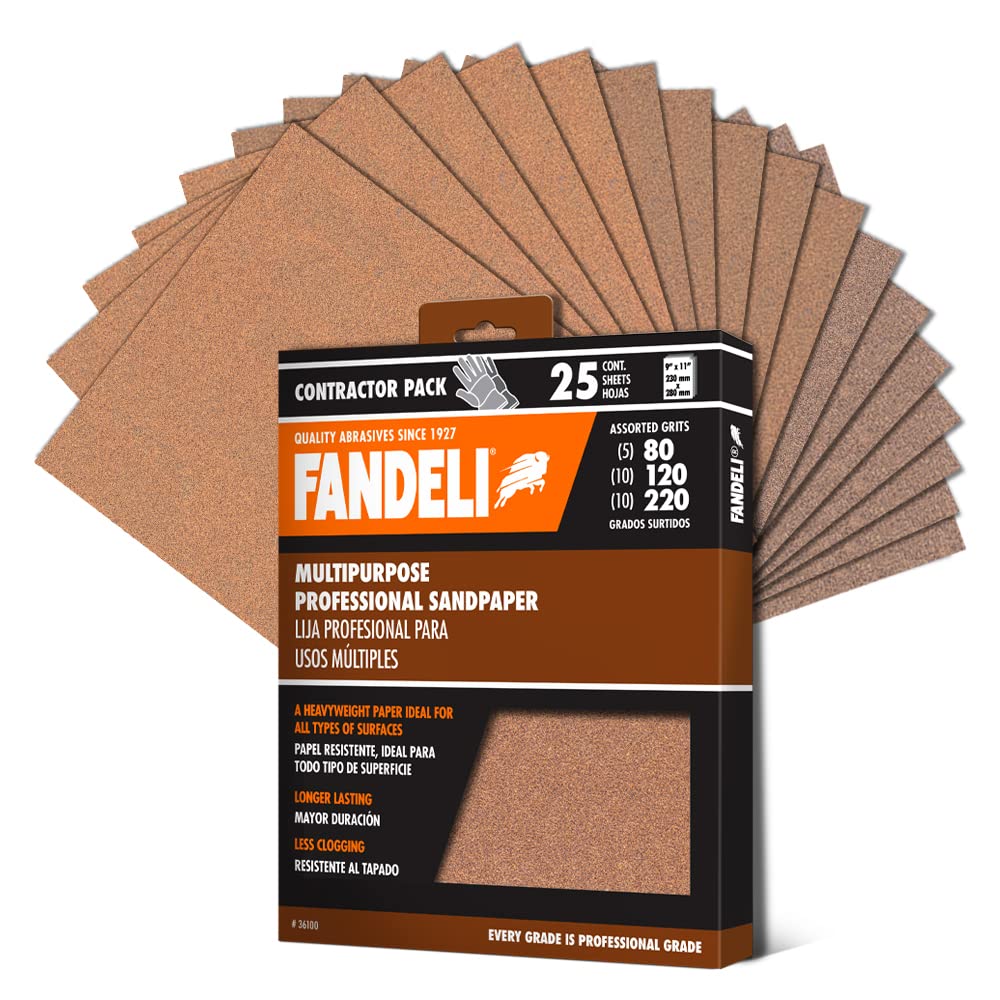
- Sand the surface lightly with 180-grit sandpaper to smooth out any rough spots.
- If the wall feels tacky after cleaning, apply a flat oil-based primer before painting. This prevents moisture from reactivating the glue and causing bubbles under your new paint.
What If Removing It Isn’t Worth It?
In some cases, it’s actually better to leave the wallpaper where it is and work over it. If it’s stuck too well, peeling it could damage the drywall and create a bigger problem.
Jeff has a solution for that, too: “If you can’t get it off, you can seal it. A good primer and a skim coat of drywall compound will make it disappear.”
- Use a flat oil-based primer to lock everything down.
- Apply a thin layer of joint compound (skim coat) over seams and edges.
- Sand it smooth, prime again, and then paint.
This trick is especially useful for older homes where the wallpaper is practically part of the wall. Instead of spending days trying to strip it, you can turn it into a paintable surface with far less effort.
FAQs
Q. Can I use vinegar to remove wallpaper?
A. Yes! A 50/50 mix of white vinegar and warm water can help break down adhesive. Spray it on, let it sit for 10-15 minutes, and scrape off the softened wallpaper. Vinegar works best on traditional wallpaper but may not be effective on vinyl-coated surfaces unless you score them first.
Q. How do I remove wallpaper from unprimed drywall without causing damage?
A. Unprimed drywall is tricky because the glue bonds directly to the surface. To avoid tearing, mist the wallpaper with warm water and let it sit for 15 minutes before peeling. Use a plastic putty knife instead of metal to prevent gouging. If it’s stubborn, a steamer can help, but use caution to avoid weakening the drywall.
Q. Is it safe to paint over old wallpaper instead of removing it?
A. Yes, but only if the wallpaper is firmly attached with no loose edges. First, apply an oil-based primer to seal the surface and prevent bubbling. If seams are visible, use a skim coat of drywall compound to smooth them before painting. Keep in mind that textured wallpaper may still show through even after multiple coats.
Q. What should I do if I find mold behind my wallpaper?
A. Wear gloves and a respirator mask to avoid inhaling spores. Clean small patches with a vinegar-water solution or a mold remover. If the mold is widespread or deep, there may be moisture damage behind the wall, which should be inspected by a professional. Before repainting, apply a mold-resistant primer to prevent future growth.
Q. What’s the best way to remove wallpaper from a ceiling?
A. Ceiling wallpaper is harder due to gravity. Use a step ladder and a wallpaper steamer to loosen the adhesive. Work in small sections, steaming for 10–15 seconds per spot before scraping with a wide putty knife. If it’s resistant, a scoring tool can help break the surface for better penetration. Be cautious not to damage the ceiling.
Decades of Combined Expertise
Best Buy Guidebook is a culmination of online publishing lessons learned. From SEO to paid ads, our team has experienced the highest of highs and the lowest of lows. Our goal now is simple: Arm readers with the most information possible.