
Everything You Need to Know About Microfiber Towels

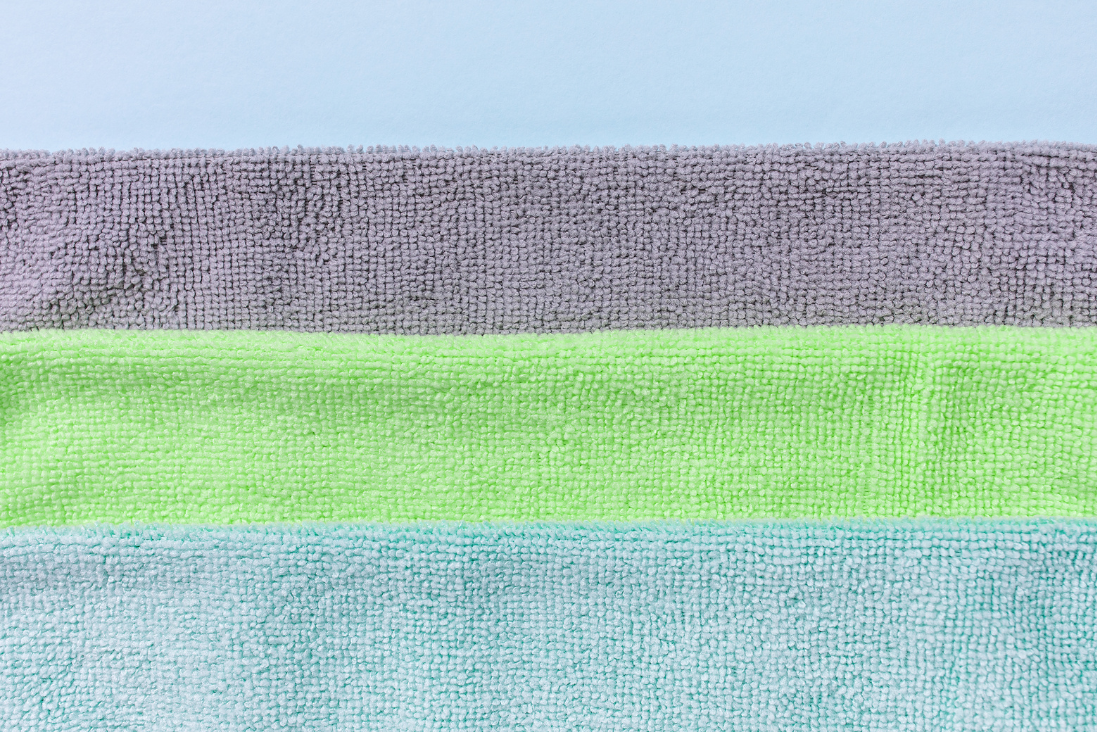
I’ll be the first to admit: I never fully appreciated microfiber towels until I started using them regularly. It wasn’t until I learned the importance of knowing how to wash microfiber towels properly that I truly saw what all the hype was about. These little towels do a great job at everything from cleaning surfaces to drying off my car, but you’ve got to take care of them. Trust me, I’ve learned this the hard way, and I want to share what I’ve picked up along the way.
What is Microfiber?
Microfiber is a synthetic fabric made from a blend of polyester and polyamide, and it’s surprisingly powerful for something that sounds so technical. The fibers are so thin they’re 100 times smaller than a human hair. Think of it like this: each tiny fiber grabs dirt, oil, and moisture, pulling it off surfaces instead of just wiping it around. That’s why it’s so good at cleaning—it doesn’t just move dirt from one place to another, it actually lifts it up and locks it into the towel.
Benefits of Microfiber Towels
After years of using microfiber towels, I can honestly say they’ve completely changed how I clean and dry. Here are a few reasons why they’re my go-to for just about everything:
Superior Cleaning Power
You may be more familiar with using regular cotton towels for cleaning, but once you switch to microfiber, there will be no going back. The way it picks up dirt and dust is amazing. I can wipe down counters or even clean my kitchen sink with just a quick swipe, and it grabs everything—without spreading it around. My glass surfaces are streak-free, too.
High Absorbency
As previously discussed, microfiber makes for super absorbent and quick-drying towels. You can use them for drying everything from dishes to spills, and you’ll be impressed with how much water they soak up (spoiler alert: seven times their weight). So, you’ll never have to worry about running out of towels mid-cleaning.
Lint- and Streak-Free
Microfiber is everyone’s best friend for glass cleaning. I used to fight with streaks on windows and mirrors, but microfiber leaves everything sparkling without the hassle. No lint, no streaks. It’s hard to overstate how satisfying that is, especially after years of struggling with lint-filled cotton towels.
Durability
I’m all about quality over quantity, and microfiber towels fit that perfectly. These towels last. I’ve had some for years now, and they still work just as well as when I first bought them. With the proper care, they keep their softness and absorbency. I think that’s what sold me on them in the long run.
Versatility
Rather than being one-trick ponies, you can actually use microfiber towels everywhere—kitchen, car, gym, bathroom. They’re super versatile, so you won’t need a different cloth for every task. I use one to clean my kitchen counters, then grab the same towel to dry off my car. One microfiber towel does it all.
How to Wash Microfiber Towels Properly
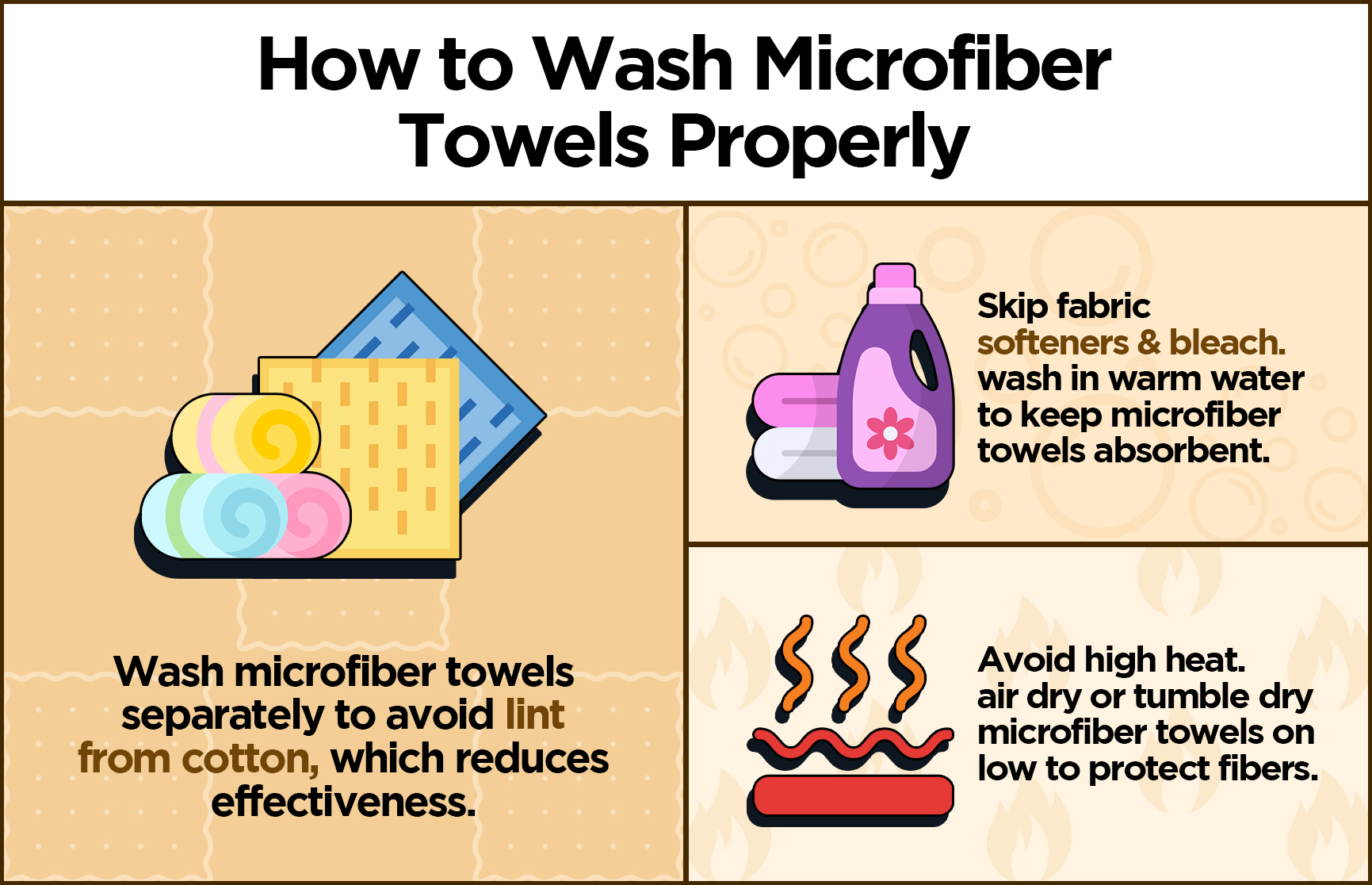
The best part about microfiber towels is how well they perform—but, like anything good, you’ve got to take care of them. After a few mistakes, I learned the ins and outs of washing microfiber towels so they stay in top shape.
For starters, don’t mix microfiber with cotton towels when you wash them. Cotton towels shed lint, and that lint can stick to your microfiber, which means it won’t pick up dirt as well. I used to toss everything in together, but now I always wash my microfiber towels separately. As Thomas Hernandez, a cleaning expert, says, “Don’t mix microfiber cloths with jeans or shirts… you’ll end up having a bunch of lint all over your cloths.”
Next, I don’t use fabric softeners. The fabric softeners coat the fibers and that coating makes them less absorbent. I’ve also found that washing in warm water, not hot, helps the towels keep their integrity for longer. Hernandez also advises, “Stay away from bleach, fabric softeners, and detergents that contain perfumes or dyes… those things will clog the fibers and leave a residue.”
Lastly, avoid drying them with high heat. Instead, air-dry them or tumble-dry them on low. High heat breaks down the fibers, which can affect their performance. “Heat from a dryer will actually burn the fibers,” says Hernandez.
Best Uses for Microfiber Towels
I’m always finding new ways to use microfiber towels, and it seems like every time I reach for one, it does the job perfectly. Here are the top ways I use them in my daily life:
For cleaning countertops, there’s no better towel. Microfiber grabs grease, spills, and dust, all without spreading it around. If you’ve got kids like mine, you know how often things spill—having a towel that can clean it up fast is a game-changer. I also love using microfiber to dry my car after a wash. It leaves the surface shiny and smooth, with no water spots or streaks. And it’s small enough to keep in my gym bag, where it works great for drying off after a workout.
Decades of Combined Expertise
Best Buy Guidebook is a culmination of online publishing lessons learned. From SEO to paid ads, our team has experienced the highest of highs and the lowest of lows. Our goal now is simple: Arm readers with the most information possible.