
14 Interior Design Styles You Should Know Before Your Next Home Makeover

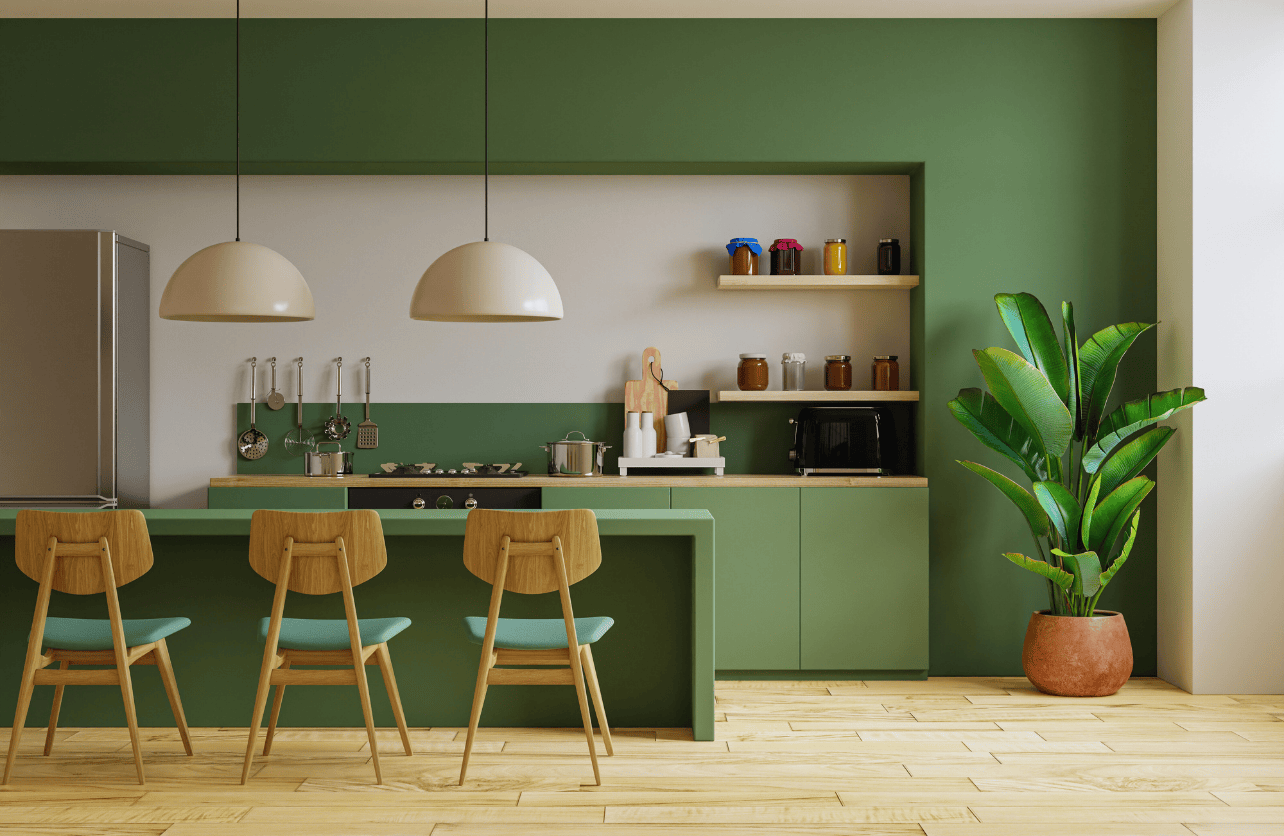
If you’ve ever walked into a room and felt an instant connection—like it just works—that’s the power of thoughtful interior design. Interior design is what makes spaces stand out among others in our eyes. So, when planning a home makeover, understanding different interior design styles is a must – it helps you shape a space that feels intentional and reflects your taste.
With so many styles out there, it can be tricky to pinpoint what speaks to you. Some styles favor clean lines and minimalism, while others embrace bold patterns, vintage charm, or nature-inspired elements. Each style influences everything from furniture and color schemes to textures and decorative details.
However, by learning about these styles, you can mix and match elements to create a home that’s both stylish and functional. Below, we’ll explore 14 of the most notable interior design styles, starting with Abstract, an artistic and unconventional approach to decor.
1. Abstract Interior Design
View this post on Instagram
Abstract interiors celebrate bold colors, geometric forms, and free-flowing artistic expression. This style is about breaking away from traditional structure and embracing visual dynamism. The image above highlights sculptural furniture, vibrant artwork, and playful contrasts that transform the space into a work of art.
2. Art Deco
View this post on Instagram
Art Deco design is all about luxury, symmetry, and bold geometric patterns. Originating in the 1920s and ‘30s, this style is defined by rich materials like marble, velvet, and lacquered wood, often paired with gold or chrome accents. With dramatic lighting and deep jewel tones, Art Deco creates a sophisticated, glamorous atmosphere.
3. Bauhaus
View this post on Instagram
Bauhaus design follows a function-first approach by blending modernism with craftsmanship. Rooted in early 20th-century German design, it embraces clean lines, minimal ornamentation, and industrial materials like steel, glass, and wood.
4. Biophilic
View this post on Instagram
Biophilic design seamlessly integrates nature into indoor spaces and focuses on natural materials, indoor plants, and organic textures. It’s not just about aesthetics—it’s about creating a healthy, calming environment by maximizing natural light, open airflow, and earthy elements like wood, stone, and water.
5. Coastal
View this post on Instagram
Coastal interiors bring the breezy, relaxed vibe of the seaside into your home. Soft blues, crisp whites, and sandy neutrals create a light, airy feel, while natural materials like rattan, linen, and weathered wood add warmth. The result is a fresh, tranquil space that mimics the effortless beauty of coastal living.
6. Dark Academia
View this post on Instagram
Dark Academia is inspired by classic literature, vintage academia, and moody aesthetics. Imagine deep wood tones, antique bookshelves, rich earthy hues, and dim lighting that evoke the ambiance of old-world libraries. It’s a style that feels intellectual, nostalgic, and a little mysterious.
7. Farmhouse
View this post on Instagram
Farmhouse design blends rustic charm with modern comforts. Reclaimed wood, shiplap walls, cozy textiles, and neutral color palettes make this style feel warm and inviting. Traditional elements like barn doors and farmhouse sinks add character, while modern touches prevent it from feeling overly nostalgic.
8. Organic Modern
View this post on Instagram
Organic modern interiors balance sleek minimalism with natural elements, combining clean lines with warm, earthy materials. It mostly works with smooth stone surfaces, neutral tones, and sculptural wooden furniture. Unlike stark minimalism, this approach softens spaces with organic textures, creating a cozy yet sophisticated feel.
9. Postmodern
View this post on Instagram
Postmodern design breaks the rules with bold colors, quirky shapes, and playful aesthetics. Born in the 1970s and ‘80s as a rebellion against rigid modernism, this style embraces eclectic decor, exaggerated forms, and unexpected design choices that make a space feel vibrant and expressive.
View this post on Instagram
Scandinavian design combines simplicity, functionality, and warmth. Light wood, neutral palettes, and streamlined furniture create a clean yet inviting space. Inspired by Nordic living, this style incorporates soft textiles, cozy lighting, and organic elements to enhance comfort while maintaining a minimalist aesthetic.
11. Space Age
View this post on Instagram
Space Age design reflects the futuristic optimism of the 1960s, with sleek curves, glossy surfaces, and bold primary colors. Expect to see pod chairs, Sputnik chandeliers, and molded plastic furniture that create a retro-modern look inspired by the golden age of space exploration.
12. Tuscan
View this post on Instagram
Tuscan interiors exude warmth, elegance, and old-world charm, inspired by the Italian countryside. Earthy tones, textured plaster walls, wrought iron details, and handcrafted furniture define this rich, inviting aesthetic. It’s perfect for those who appreciate rustic beauty with a touch of European sophistication.
13. Boho Style
View this post on Instagram
Boho (Bohemian) interiors embrace an eclectic mix of textures, colors, and global influences. Layered textiles, vintage finds, macramé, and patterned rugs create a collected-over-time feel. It’s a relaxed, expressive style that thrives on individuality, making each space feel unique and personal.
14. Contemporary
View this post on Instagram
Contemporary design is fluid and ever-evolving, reflecting current trends with clean lines and balanced aesthetics. Unlike modern design, which refers to a specific era, contemporary interiors blend modern and classic elements, favoring open spaces, neutral tones, and statement lighting. It’s fresh, adaptable, and always changing with the times.
Decades of Combined Expertise
Best Buy Guidebook is a culmination of online publishing lessons learned. From SEO to paid ads, our team has experienced the highest of highs and the lowest of lows. Our goal now is simple: Arm readers with the most information possible.