
The Truth About Memory Foam: Hype or Must-Have?

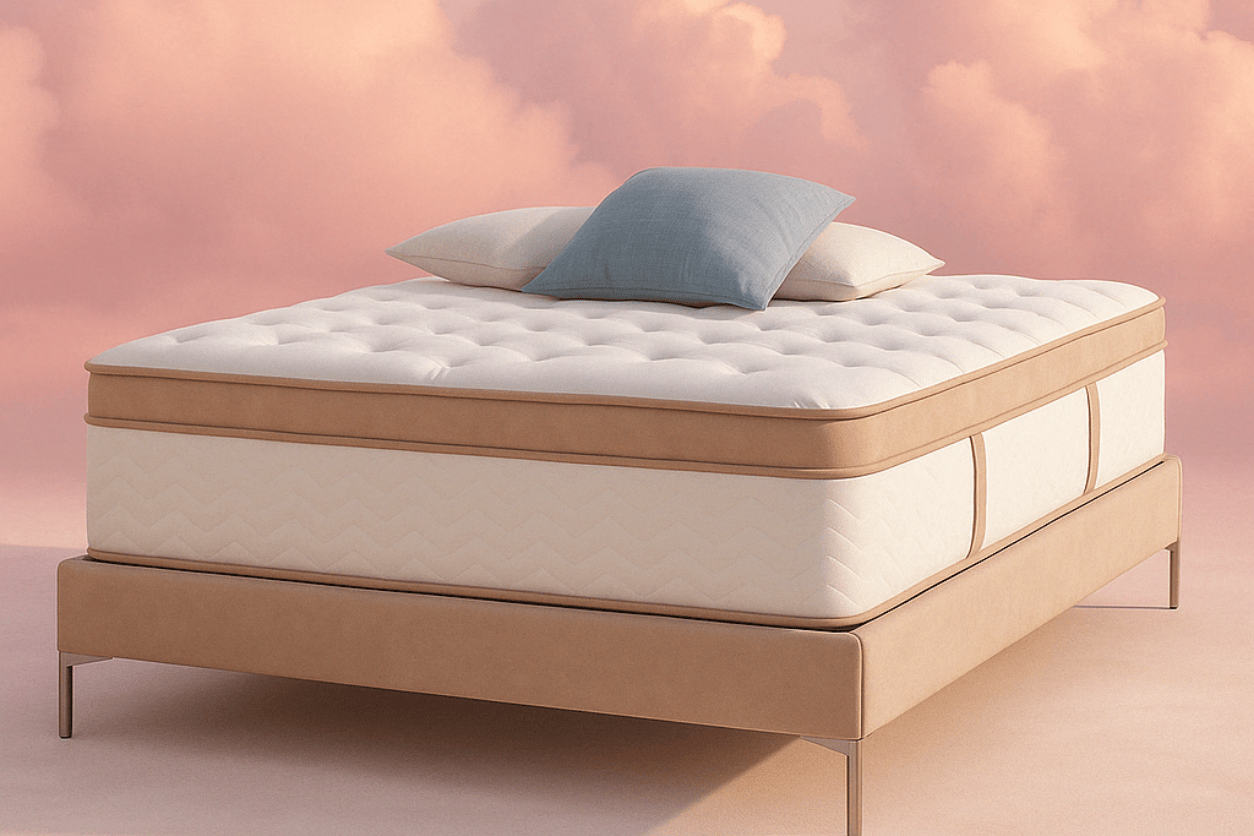
Memory foam has been around for decades, promising better sleep with its body-contouring design. You’ve probably seen the commercials—someone presses their hand into the mattress, and the foam slowly molds around it. It looks high-tech, almost futuristic. But is it really a game-changer for sleep, or just another overhyped trend?
The truth is, memory foam has some serious perks, but it’s not for everyone. It was originally developed by NASA in the 1960s to improve seat cushioning for astronauts, but it quickly found its way into mattresses, pillows, and even shoes. The material is known for adapting to body weight and temperature which makes it a great option for pressure relief.
What is Memory Foam?
Memory foam is made from polyurethane, a material designed to react to heat and pressure. When you lie down, it softens under your weight, contouring to your shape. The idea is to create a surface that evenly distributes body weight and reduces pressure on areas like your shoulders and hips.
Marten from Mattress Clarity describes memory foam as having a “slow-moving feel,” meaning you don’t just lie on top of it—you sink in. This is what gives it that hugging sensation people either love or hate. It’s especially popular among side sleepers who need extra pressure relief.
Not all memory foam is the same, though. Some versions are denser and more durable, while others are infused with cooling gels or designed with open-cell structures to promote airflow. The key is finding the right type for your needs because, while it has plenty of advantages, it’s not a one-size-fits-all solution.

Why People Love It
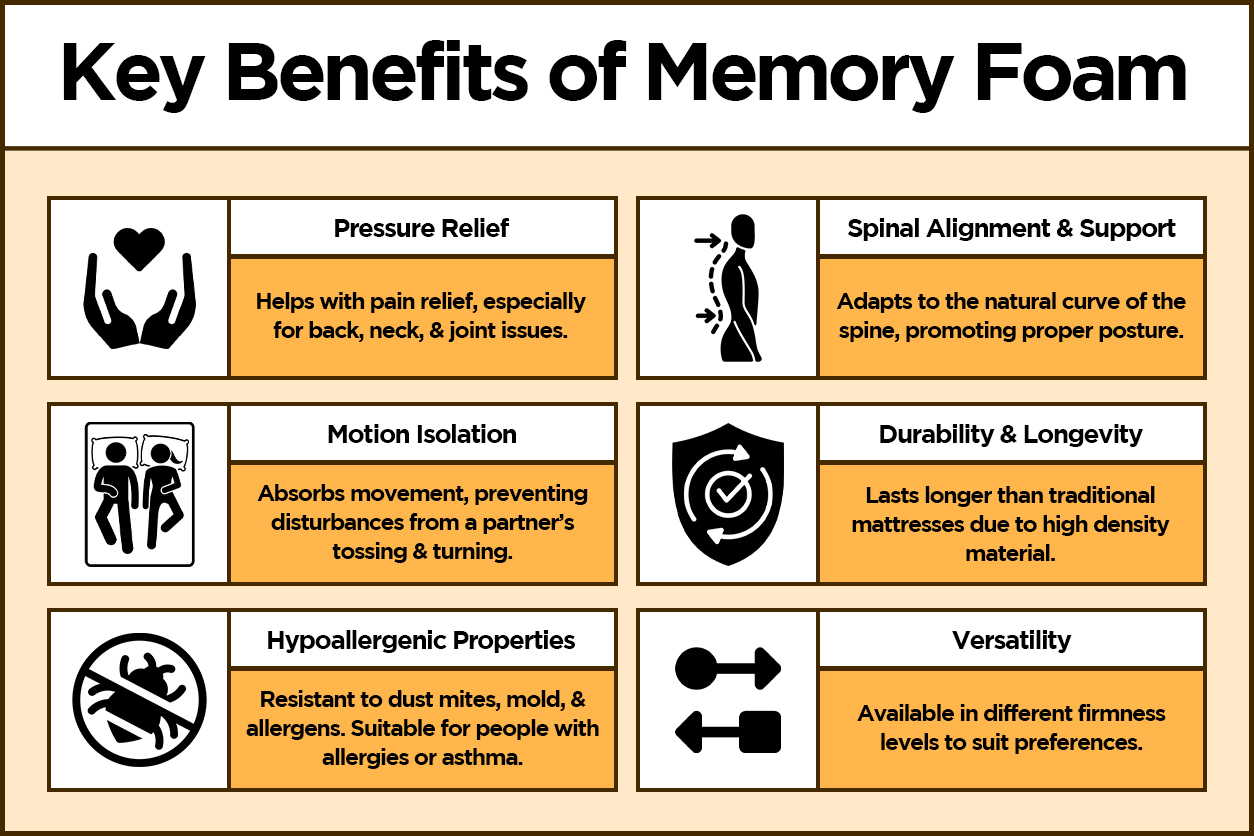
One of the biggest reasons people swear by memory foam is its pressure-relieving properties. If you’ve ever woken up with a sore shoulder or lower back pain, this mattress might be worth considering. “It is very good with pressure relief and with pain relief as well,” says Marten. Instead of pushing back against your body like a traditional innerspring mattress, foam absorbs pressure which makes it ideal for those who deal with joint pain or discomfort.
Another huge benefit is motion isolation. If you sleep with a partner who tosses and turns, memory foam helps minimize disturbances. “If you’re lying on one side of the mattress and someone else moves around on the other side, you’re going to feel less of that motion,” Marten explains. This can be a lifesaver if you’re a light sleeper.
And then there’s the noise factor. Unlike spring mattresses, which can creak and squeak over time, memory foam is silent. No more shifting positions and hearing that telltale spring noise in the middle of the night.
The Drawbacks
Of course, it isn’t perfect. One of the biggest complaints is heat retention. Because the foam molds to your body, it can trap heat that makes it feel warmer than other mattress materials. “Memory foam can trap heat, direct it back at sleepers, and make them sleep hot at night,” says Marten. While some brands have tried to combat this with cooling gels or breathable covers, not all mattresses sleep cool.
Then there’s the issue of responsiveness. If you like a bouncier mattress or tend to change sleeping positions frequently, memory foam might not be your best bet. “It’s not the most responsive material, so it might be difficult for some people to move around on the mattresses,” Marten points out. That slow-moving feel that makes it great for pressure relief can also make it harder to shift positions or get out of bed quickly.
Durability is another factor to consider. Over time, lower-quality mattress can sag or develop permanent indentations. “If it’s lower-density and cheaper, it can sag quite quickly,” says Marten. This means that while memory foam is often more affordable upfront, a budget option might not last as long as you’d hope.
How Does It Compare to Other Mattress Types?
Memory foam isn’t the only option out there. If you’re weighing your choices, it helps to understand how it stacks up against other common materials like latex and hybrid mattresses.
Latex mattresses, for example, offer similar contouring benefits but with more bounce and breathability. “If you have mobility issues or just worry about getting stuck in your mattress, I would go with latex,” Marten suggests. Latex is also known for being more durable and naturally cooler than memory foam, but it often comes with a higher price tag.
Hybrid mattresses combine foam layers with innerspring coils to provide both contouring and support. They offer better airflow than memory foam alone and tend to be more responsive. “Coils are going to be more breathable than the foam you find in memory foam mattresses,” Marten explains. This makes hybrids a solid alternative for people who want comfort but don’t want to deal with heat retention.
Is Memory Foam Worth It for You?
If you sleep on your side, prefer a softer surface, and want something that cradles your body, memory foam could be a great fit. “Memory foam is very good with pressure relief, so when you’re lying on your side on the mattress, you should feel little pressure on your shoulders and your hips,” says Marten.
On the other hand, if you tend to sleep hot, need more bounce, or prefer a firmer feel, you might want to look into latex or hybrid options instead. No mattress is perfect for everyone, and finding the right one is all about balancing comfort, support, and durability.
If you’re looking for an affordable, pressure-relieving mattress that minimizes motion transfer, memory foam is worth considering. Just be sure to choose a quality model that won’t break down too quickly.
Decades of Combined Expertise
Best Buy Guidebook is a culmination of online publishing lessons learned. From SEO to paid ads, our team has experienced the highest of highs and the lowest of lows. Our goal now is simple: Arm readers with the most information possible.