
11 Psychology-Backed Home Upgrades That Feel Great

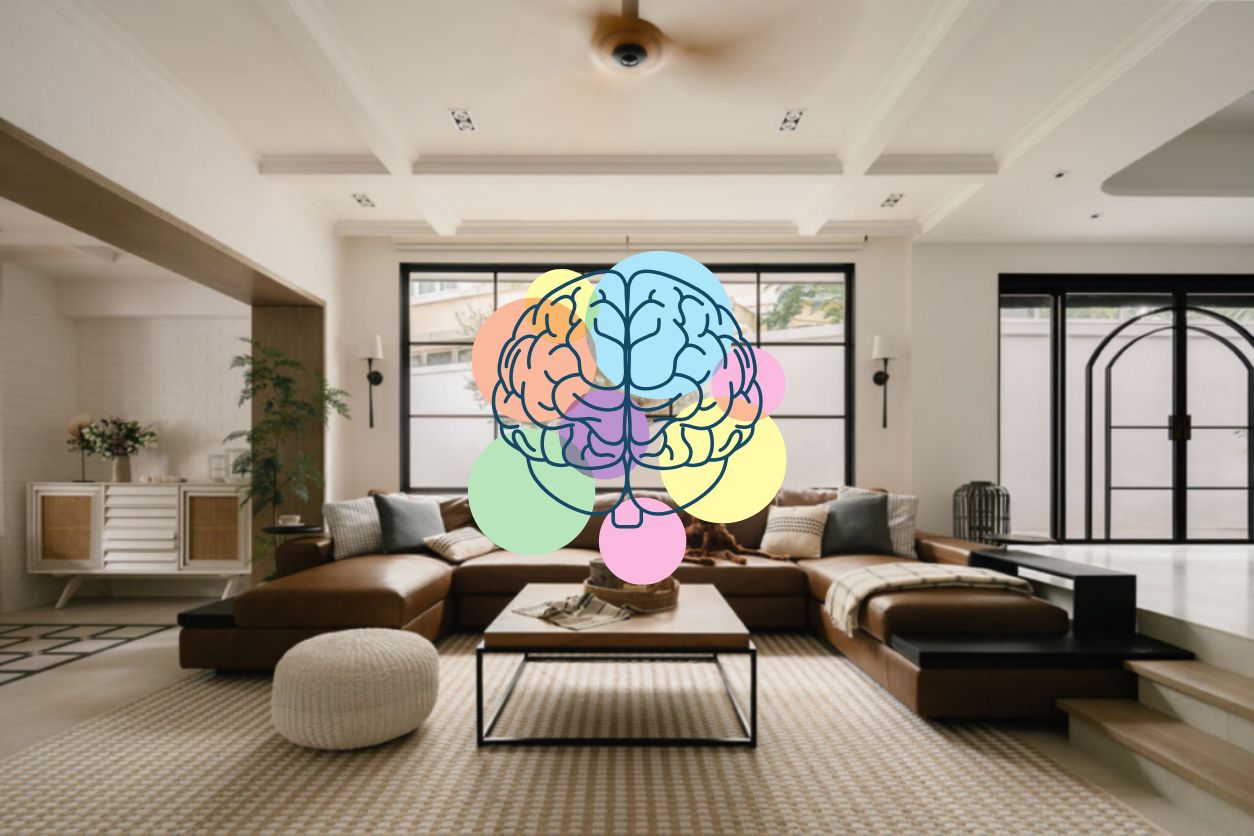
Some places instantly make you feel at ease, while others leave you vaguely unsettled, even if they’re well-decorated. Why is it so? This is so because there is a psychology behind it. Our brains respond to nature, texture, light, and even room layout in ways we don’t always notice. So if you carve out a space for yourself relying on home improvement ideas that are based on psychology, you will have a space that not only looks good to the eye but also feels good to live in.
What follows isn’t just a list of design tricks. These ideas draw from environmental psychology and biophilic principles—the kind of things that help a space feel like home, not just look the part. You don’t need to gut your house or buy all new furniture. Even subtle changes, where you place a chair, what’s in your line of sight, the texture beneath your hand, can shift how a space works on your nervous system.
11 Psychology-Based Home Improvement Ideas
Let’s explore the home improvement ideas that quietly rewire your space to feel calmer, cozier, and more alive.
1. Let the View Do the Work
Spaces with natural views—trees, sky, water—lower blood pressure and calm the nervous system. The research backs it up, but honestly, you probably already feel it. If you’ve got a good window, use it. Move your desk, your favorite chair, your breakfast nook toward it. A view doesn’t have to be dramatic; even seeing the tops of trees can be grounding. If there is no such view, no problem – art helps. Swap abstract prints for landscapes or botanical photography.
2. Tune Your Space with Natural Sound
Some sounds help you focus. Others wear you down. The sound of water flowing, wind rustling, or birds chirping can reduce stress and restore focus. If you live near a park or garden, open your windows regularly to let real sounds in. You could also experiment with soundscapes—play ambient nature sounds in the background instead of news or city traffic. A small desktop fountain, or even wind chimes near your window, can add a layer of calm you didn’t know you were missing.
3. Add Scents That Shift Your Mood
Certain plant-based scents like pine, lavender, and citrus have been shown to boost mood and focus. I like to keep fresh herbs on my kitchen counter—rosemary, thyme, even mint—so I can crush a few leaves when I need a quick reset. You can also use essential oils in a diffuser, but keep it subtle. Overly synthetic fragrances can have the opposite effect. If you’ve got good air quality where you live, simply opening a window can be the most refreshing scent of all.
4. Let Texture Tell the Story
Glass, plastic, and polished metal are smooth, but they don’t tell your brain much. Touching raw wood or soft linen, though, lights up ancient parts of the brain that register “comfort” and “safe to touch.” Replace a sleek plastic vase with something handmade. Swap a glass dining table for one with a real grain. When you reach out and feel something solid, imperfect, and real, it shifts your whole experience of a space.
5. Introduce a Little Natural Chaos
This one’s a little unexpected: your brain enjoys tiny, unpredictable shifts in your environment. It’s called “non-rhythmic stimuli”—things like the movement of curtains in the breeze, leaves outside the window, or your pet walking by. Even brief exposure to these helps reset your attention and reduce mental fatigue. Try working near a window or placing your desk where you can occasionally glimpse outdoor movement. Fish tanks, mobiles, or even wind-blown plants can recreate this natural randomness indoors.
6. Bring in Water Without the Hassle
We all instinctively gravitate toward water because it calms us. You get captivated by its shimmer and movement, which psychologists call “soft fascination.” You don’t need a pool to get the effect. Hang photos or art that feature rivers, oceans, or lakes. A small tabletop water bowl with floating petals or candles adds both visual softness and symbolic calm. Ferns, peace lilies, or other water-holding plants also echo this theme beautifully. And if you’ve got space, even a tiny courtyard fountain or birdbath can change the energy outdoors.
7. Add Light That Isn’t Boring
Flat overhead lighting does the job, but it doesn’t do you any favors psychologically. Our brains prefer layered, shifting light, like sunlight dappling through trees or firelight flickering at dusk. During the day, pull back your curtains and let natural light flood in. In the evening, replace harsh ceiling lights with floor lamps, table lamps, and wall sconces. Light your space in pools rather than floods. I’ve found it makes unwinding at night much easier—like a visual cue to relax.
8. Follow the Color of the Day
Morning light tends to be cool and alerting. Evening light is warm, inviting rest. Our bodies respond to this cycle, even when we’re indoors. If you’re into gadgets, smart bulbs can mimic this shift throughout the day. Or, keep things simple. Use cooler light during work hours, and warm-toned lamps when you’re ready to wind down. Color temperature isn’t just a detail—it’s a cue your body reads even when you don’t realize it.
9. Let Seasons Show Up
A space that looks the same year-round doesn’t give your brain any sense of time passing. Small seasonal changes—lighter throws in summer, cozier textures in winter—reconnect you with the natural world. Try rotating decor with the seasons: not in a Pinterest-perfect way, but in a subtle, personal rhythm. A few fallen branches in the fall. A sprig of jasmine in spring. Let your home breathe and change a little, just like you do.
10. Choose Shapes That Feel Familiar
Straight lines and grids dominate modern interiors, but the natural world prefers curves, spirals, and branching forms. This is the idea behind biomorphic design: incorporating natural forms into your home. Choose rounded tables, arched mirrors, or rugs with wave-like patterns. If you’re renovating, consider curved staircases or windows. Even wallpapers with leafy motifs or flowing lines can make a space feel more organic. I once replaced a rectangular coffee table with an oval one, and the entire room softened.
11. Create Spots That Feel Both Open and Safe
Ever notice how people pick the booth in the corner over the middle of a restaurant? That’s the psychology of “prospect and refuge.” We like seeing our surroundings without feeling exposed. Apply this at home by arranging seating so you have clear sightlines across a room or out a window. If you can, add internal glass doors for openness between spaces. A cozy window seat with a view outside might become your favorite spot—and it’s not an accident. Your brain knows what feels good.
Decades of Combined Expertise
Best Buy Guidebook is a culmination of online publishing lessons learned. From SEO to paid ads, our team has experienced the highest of highs and the lowest of lows. Our goal now is simple: Arm readers with the most information possible.