
The Right Way to Empty Your Plumbing System

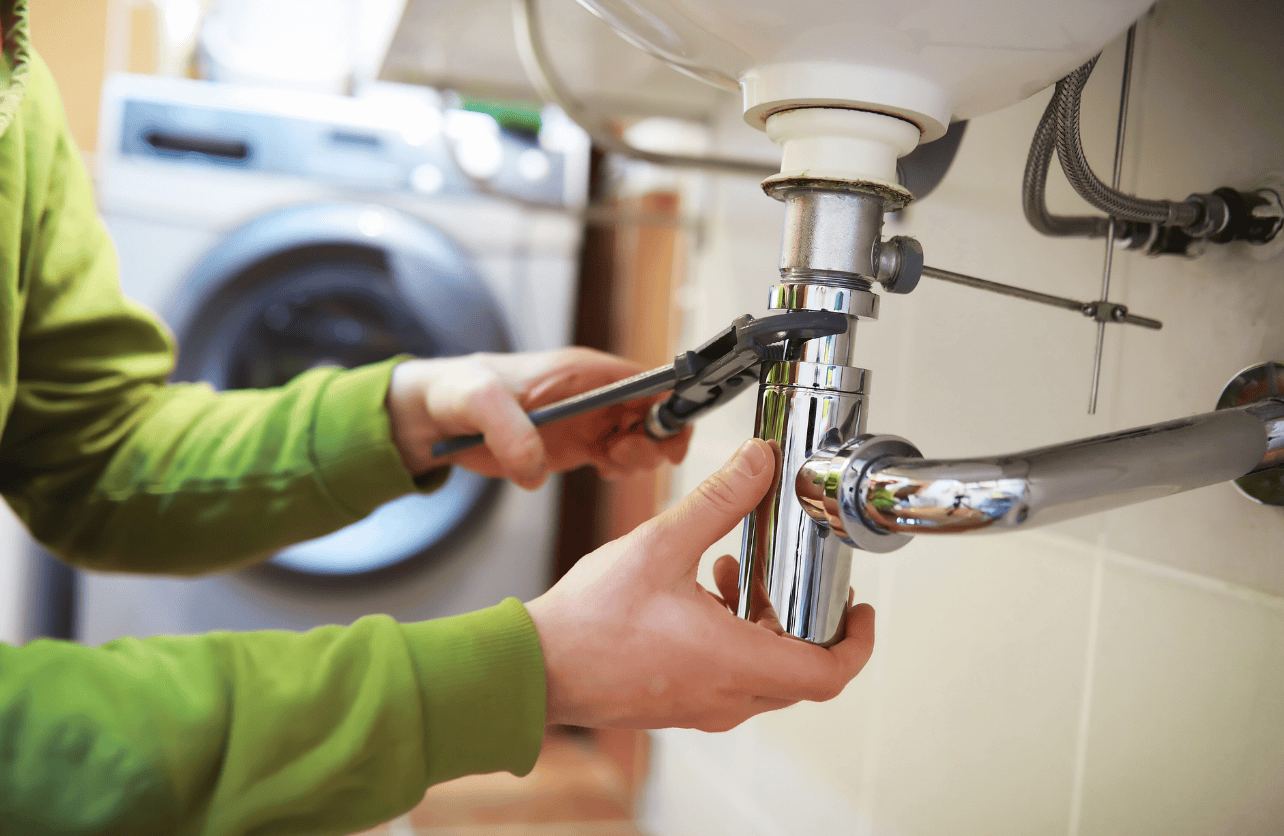
No one really thinks about draining their plumbing system—until they have to. It usually comes up when something goes wrong or a big change is coming: a loud banging in the pipes that won’t quit, a cold snap rolling in, or a renovation that’s about to rip up half the walls. Whatever the case, shutting down your plumbing the right way can save you from some seriously unpleasant surprises.
Unlike flipping a switch, turning off your water supply is a process. Your home’s a pressurized system that needs a careful step-by-step approach to drain properly. Do it right, and you’ll avoid everything from flooded basements to cracked pipes and busted fixtures. Do it wrong, and even a minor job can turn into a water-soaked mess. This guide lays out exactly how to do it the right way, using simple tools and a logical order to keep things dry, safe, and stress-free.
When Should You Drain the Plumbing System?
There are a few solid reasons why someone might need to drain the entire system.
1. Dealing with Water Hammer
If you’ve ever turned off a faucet and heard a loud thud echo through the pipes, that’s water hammer. It’s caused by fast-moving water slamming into a closed valve, and over time, it can loosen joints and even damage your plumbing. Draining and refilling the system allows air chambers, designed to absorb that shock, to refill and do their job again.
2. Winterizing a Vacant Property
When a home sits empty through freezing temperatures, water left inside the pipes is a disaster waiting to happen. As it freezes, it expands, and that expansion can crack pipes wide open. Draining the system is the first and most crucial step in making sure a house stays intact through the winter.
3. Preparing for Plumbing Work
Any project that involves cutting into pipes—whether it’s adding a fixture, relocating lines, or upgrading old sections—should begin with a full drain. Otherwise, trapped water will spill out the second the pipe is opened, soaking everything in reach.
Tools and Materials You’ll Need
You don’t need much to get started, but a few things will make the job neater and faster:
- Adjustable wrench
- Bucket or drain pan
- Rags or towels
- Flathead screwdriver
- Garden hose (for draining the water heater)
- Optional: air compressor with regulator (for deep winterizing)
Before anything else, make sure you know where your main shut-off valve is and that it works. Older homes might have stubborn or corroded valves that need extra care.
Step-by-Step Guide to Draining the System
1. Shut Off the Main Water Supply
Turn the main valve off completely. This keeps any new water from entering the system during the draining process.
2. Open All Faucets, Starting at the Top
Go floor by floor, starting with the highest faucets in the home. Open every sink, tub, and shower tap to allow air to enter and water to drain downward through the system.
3. Flush Toilets
Flush each toilet to empty the tank. This removes a good amount of water and reduces the chance of any surprise spills later.
4. Open the Lowest Faucet or Drain
Head to the basement, laundry room, or any faucet at the lowest point in your house. Open it fully to let gravity carry the water out.
5. Drain the Water Heater
If you’re doing a full system drain, hook up a garden hose to your water heater’s drain valve and direct the hose to a floor drain or outdoors. Make sure the heater has cooled down to avoid scalds.
6. Check for Trapped Water in Low Points
Some systems have dips or bends in the piping where water can sit even after draining. If there are any cleanouts or trap valves near the foundation or in crawlspaces, open those briefly to release what’s left.
7. Leave Faucets Open (If Winterizing)
If the goal is to protect the system from freezing, keep all faucets open. This allows any remaining moisture to evaporate and prevents pressure buildup. You might also loosely cover drains to block sewer gas from backing up into the home.
Refilling the Plumbing System Safely
When it’s time to bring water back into the system—whether after a winter shutdown or completed work—take it slow and follow the reverse steps.
1. Close the Lowest Faucet First
Start with the basement faucet. Closing it first creates the back pressure needed to refill the upper floors properly.
2. Shut All Other Faucets
Make sure all other faucets and showers are off. This helps the system pressurize evenly and avoids sudden air bursts.
3. Slowly Open the Main Water Valve
Ease the valve open halfway at first and listen. As water flows in and fills the pipes, you’ll hear air being pushed out. Once the hissing stops, go ahead and open the valve all the way. If you’re using a gate valve, back it off a quarter turn to prevent future seizing.
4. Bleed the Faucets
Go to the top floor and turn the faucets on one at a time. Expect some air sputters—that’s normal. Let them run until the water comes out smooth and steady.
5. Flush Toilets and Showers
Once water is back in the lines, flush toilets and turn on showers to clear any air pockets and refill tanks.
6. Turn Off Faucets in Reverse Order
Work your way down the house, turning off each faucet as you go. This helps push any last bits of trapped air out of the system.
Extra Winterizing Tips to Keep in Mind
Draining pipes alone isn’t enough to protect an unheated home in winter. Water left in toilets or U-shaped traps can still freeze and do serious damage.
Here’s how to go the extra mile:
- Use a sponge or wet/dry vacuum to remove water from toilet bowls and tanks.
- Pour a bit of RV antifreeze into drains and traps—it’s non-toxic and displaces water to prevent freezing.
- Wrap exposed pipes with heat tape and insulation, especially near exterior walls or unheated crawlspaces.
Don’t forget appliances—disconnect washing machine hoses, ice maker lines, and drain them if you can.
Decades of Combined Expertise
Best Buy Guidebook is a culmination of online publishing lessons learned. From SEO to paid ads, our team has experienced the highest of highs and the lowest of lows. Our goal now is simple: Arm readers with the most information possible.