
AC Unit Not Blowing Cold Air? 5 Tips for Troubleshooting Your AC

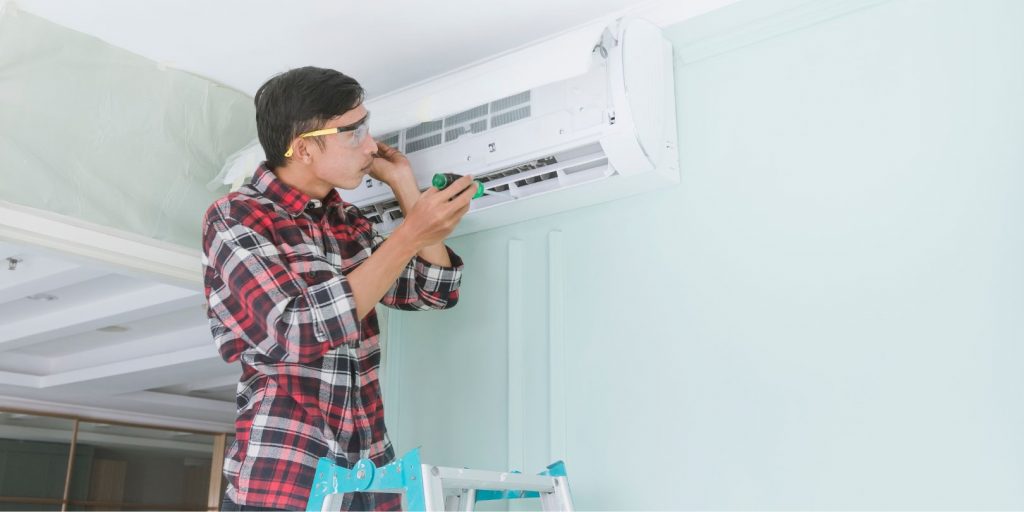
As temperatures soar, the significance of your air conditioning unit in maintaining a comfortable home environment becomes undeniable. Nevertheless, there could arise a moment when your AC system fails to emit the much-needed cold air, resulting in frustration and discomfort amidst the sweltering heat. Prior to seeking professional assistance, a series of troubleshooting measures are at your disposal to potentially pinpoint and rectify the problem. This comprehensive guide aims to lead you through five invaluable tips for effectively troubleshooting your AC unit. It will guide you step by step towards identifying and resolving issues to restore it back to normal. By following these steps, you can potentially save time and money while ensuring your home remains a haven of comfort.
Check the Thermostat Settings
The first step in troubleshooting your AC unit is to check the thermostat settings. Ensure that the thermostat is set to the desired temperature and cooling mode. Sometimes, a simple adjustment of the settings can resolve the issue. Additionally, make sure that the thermostat is functioning correctly. If it’s not registering the correct temperature or if the display is malfunctioning, it might be time to replace the thermostat batteries.
Clean or Replace the Air Filter
A dirty or clogged air filter can restrict airflow, causing your AC unit to struggle in cooling your space. Check the air filter and clean or replace it if it’s dirty. Air filters play a critical role in maintaining the efficiency of your AC unit. Regular maintenance of the air filter can significantly improve your AC’s efficiency, reduce energy consumption, and enhance indoor air quality.
Examine the Outdoor Unit
Inspect the outdoor unit to ensure it’s not obstructed by debris, leaves, or other objects. Proper airflow around the outdoor unit is crucial for efficient cooling. Remove any obstructions and make sure the area around the unit is clear. Additionally, check the condenser coils for dirt and debris buildup. Over time, debris accumulation can hinder heat exchange, resulting in reduced cooling capacity.
Check for Refrigerant Leaks
Low refrigerant levels can result in reduced cooling capacity and inefficient operation. If you suspect a refrigerant leak, it’s best to call a professional HVAC technician to assess and address the issue. Refrigerant leaks require specialized equipment and expertise to fix. A professional technician can locate the leak, repair it, and recharge the refrigerant to the appropriate levels.
Clean the Evaporator and Condenser Coils
Over time, the evaporator and condenser coils can accumulate dirt and debris, hampering their ability to transfer heat effectively. Gently clean the coils using a soft brush or a commercial coil cleaner. Keeping these coils clean can improve cooling efficiency and prevent strain on the AC compressor. However, exercise caution while cleaning to avoid damaging the delicate fins on the coils.
When to Call a Professional
Refrigerant problems should be handled by licensed HVAC technicians as low levels or leaks are risky and demand specialized knowledge. When dealing with suspected electrical issues like wiring problems or capacitor malfunctions, it’s safer to enlist professional help due to the hazards associated with electrical work. Complex AC repairs necessitating technical skills and specialized tools are best left to professional HVAC technicians to prevent exacerbating the issue. DIY attempts at intricate repairs without proper expertise could lead to more expensive fixes down the line.
Preventing Future Issues
Regular maintenance is key to preventing AC problems in the future. Schedule annual maintenance visits with a professional HVAC technician to ensure your AC unit is in top condition. During maintenance visits, technicians will perform thorough inspections, clean coils, check refrigerant levels, and inspect all components for wear and tear. Regular maintenance not only extends the lifespan of your AC unit but also ensures its optimal performance. Also it may be wise to get portable air conditioners for storage in case you AC goes out so you can stay cool while you troubleshoot.
Conclusion
Dealing with an AC unit that isn’t blowing cold air can be frustrating, especially during the hot months. By following these troubleshooting tips and knowing when to call a professional, you can address common issues and potentially restore your AC’s cooling performance. Regular maintenance and attention to your AC unit’s performance can go a long way in ensuring your home remains cool and comfortable throughout the summer. Remember that a well-maintained AC system not only provides comfort but also contributes to energy efficiency and indoor air quality.
Decades of Combined Expertise
Best Buy Guidebook is a culmination of online publishing lessons learned. From SEO to paid ads, our team has experienced the highest of highs and the lowest of lows. Our goal now is simple: Arm readers with the most information possible.