
4 Common Kitchen Faucet Types and Which One Fits Your Lifestyle

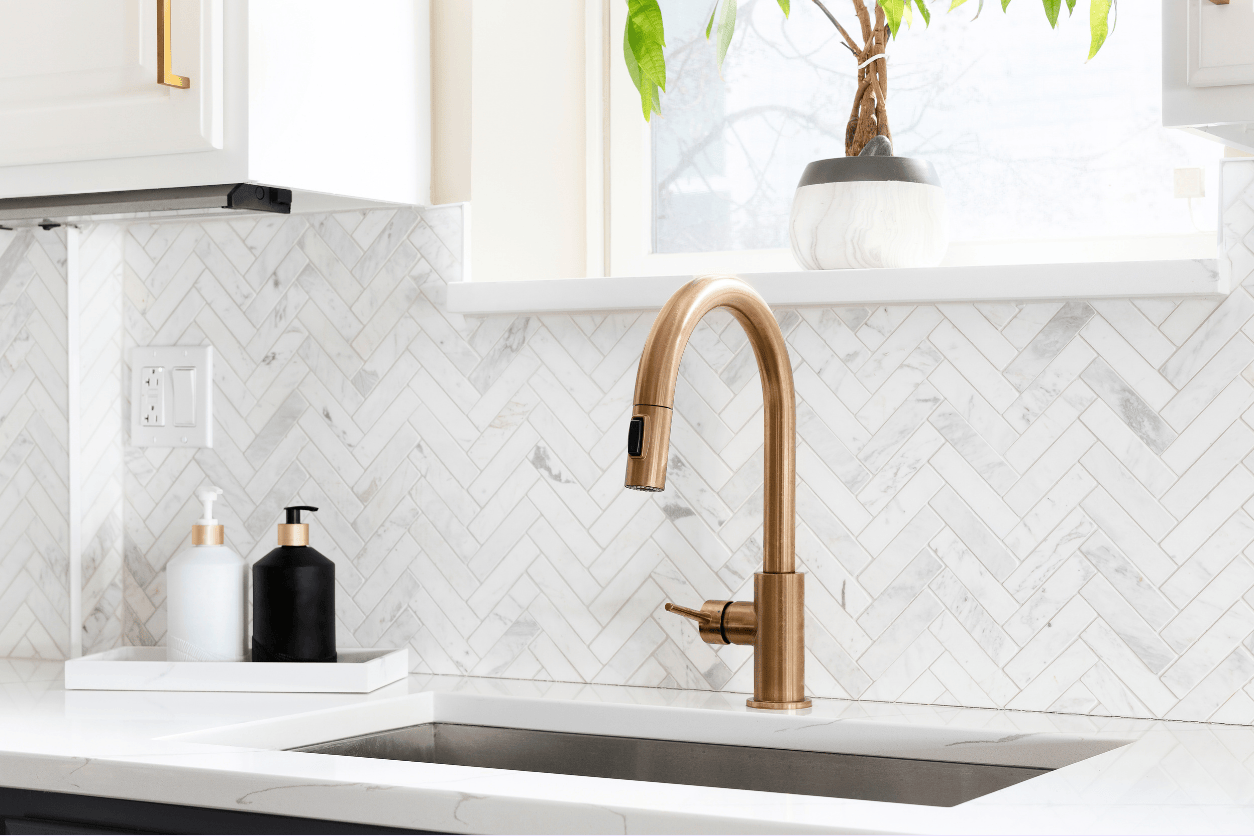
A kitchen faucet is something you rely on multiple times a day, whether you’re washing dishes, filling up a coffee pot, or rinsing off fresh produce. And when you’ve got the right one, you barely think about it. But if you’re stuck with the wrong faucet, that’s a different story. Struggling to fit a big pan under a low spout, dealing with a weak sprayer that doesn’t quite reach, or constantly wiping up water splashes can turn a simple task into a daily annoyance. Not all kitchen sink faucets work the same, and what suits one kitchen might not be the best fit for yours. Some are built for convenience, some for durability, and others for a sleek, modern look. It all comes down to what makes your kitchen routine easier.
I’ve tested enough kitchen sink faucets to know that some designs make life easier, while others just get in the way. Below, we’ll go over four of the most common types so you can pick the one that actually makes sense for your kitchen.
Pull-Down Faucets
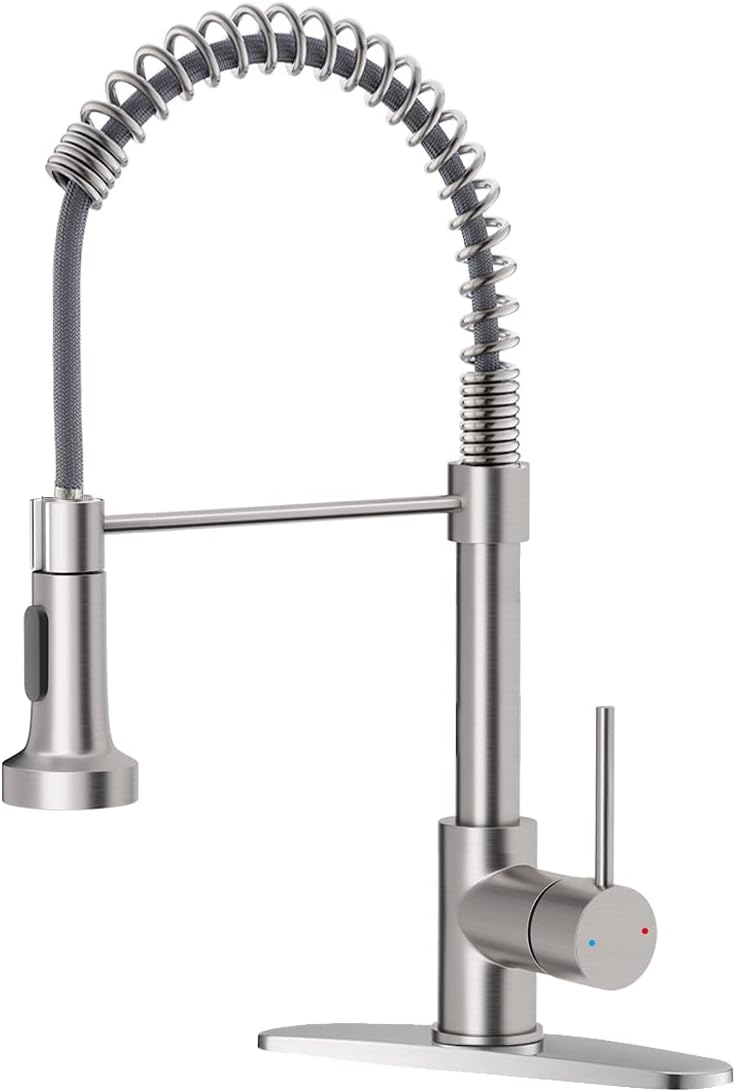
Pull-down faucets are a popular pick for home cooks and busy kitchens. Their high-arc spout and downward-facing spray head make it easy to fill large pots, rinse produce, and clean the sink without splashing water everywhere. Most models come with multiple spray modes that let you switch between a steady stream and a more forceful spray for scrubbing dishes.
That said, these faucets work best in kitchens with deep sinks and plenty of space. If you have low cabinets or a shallow sink, you might find the high-arc design awkward. Also, since the sprayer is built into the spout, a poorly designed model might not retract smoothly over time—something to keep in mind when choosing one.
Who It’s Best For:
- Home cooks who need extra flexibility
- Kitchens with deep sinks and open space above
- People who like multiple spray options for cleaning and rinsing
Pull-Out Faucets
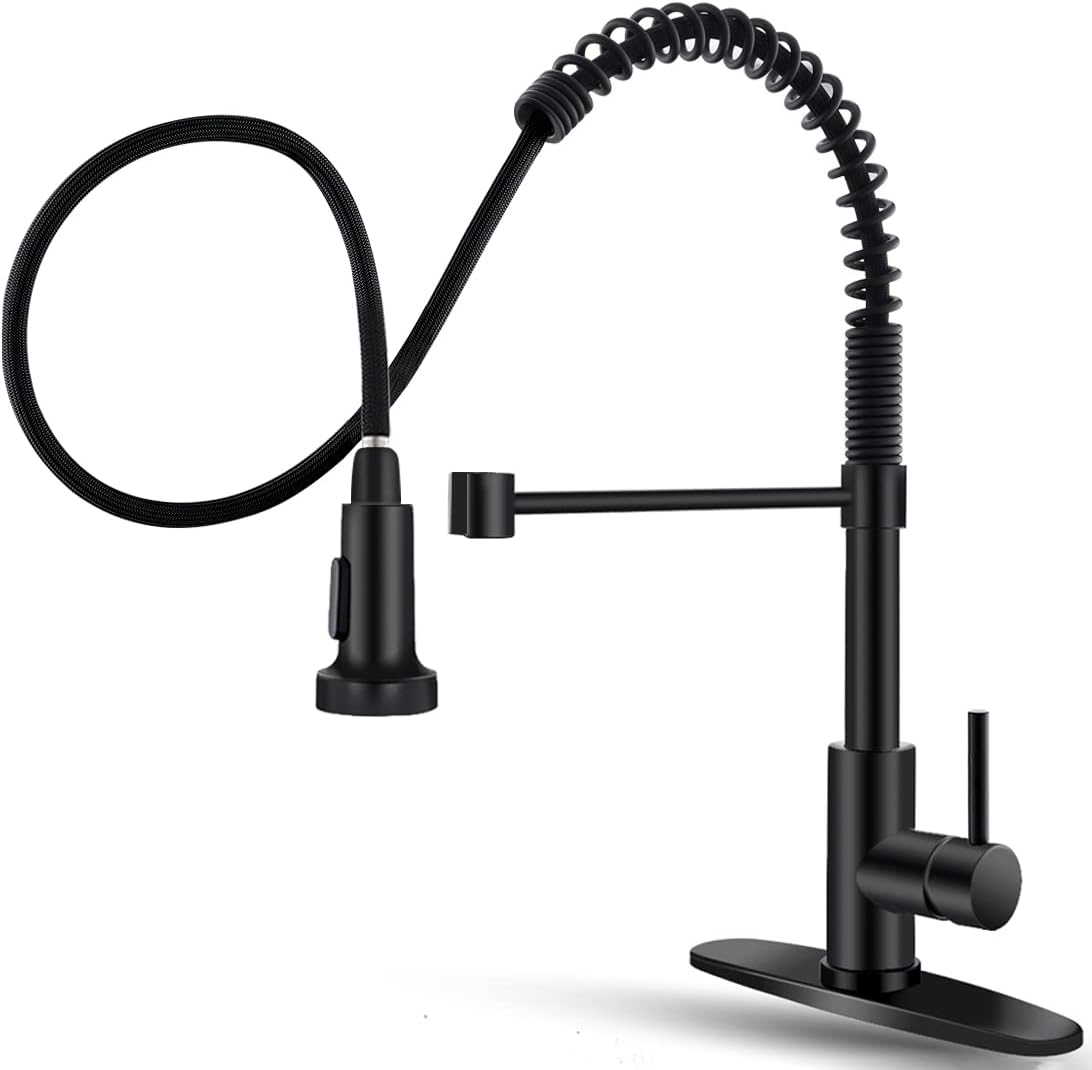
A pull-out faucet is similar to a pull-down, but instead of the spray head coming down from a tall spout, it extends outward from a lower-profile base. This might not seem like a big difference, but it can be a huge advantage in kitchens with limited space.
Because the spray head pulls straight out rather than downward, it usually comes with a longer hose. That extra length lets you fill pots on the counter instead of cramming them into the sink. It’s also great for rinsing down nearby surfaces, like the counter or even a cutting board.
However, pull-out faucets don’t offer as much clearance over the sink, which can make washing large items a little trickier. If you have a deep sink and often deal with oversized cookware, a pull-down faucet might be a better fit. But if space is tight and you want more control over where the water goes, a pull-out design is a solid choice.
Who It’s Best For:
- Smaller kitchens or sinks with limited overhead space
- People who want a longer hose for more reach
- Anyone who fills pots or cleans surfaces outside the sink area
Single-Handle Faucets
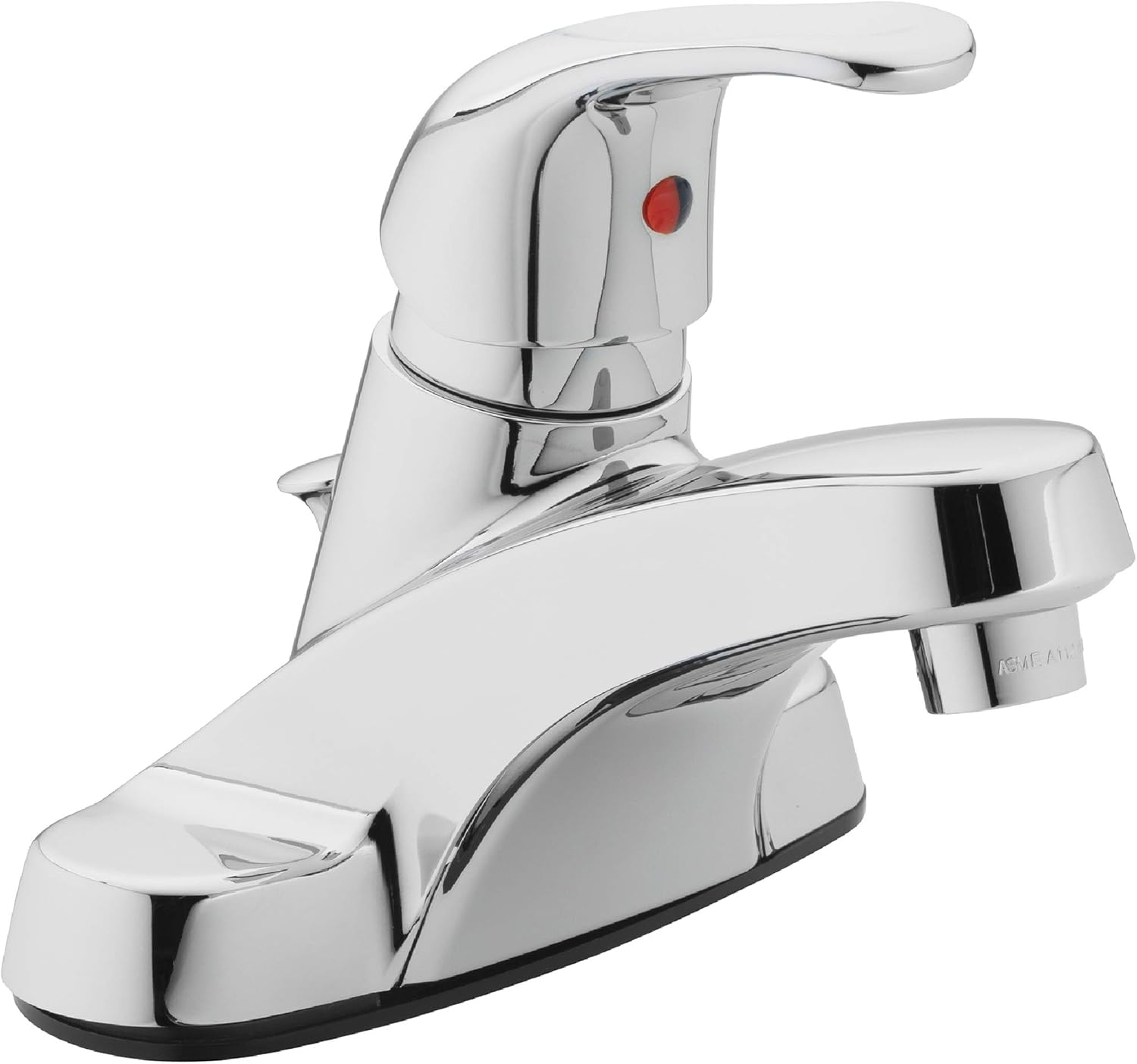
If you like things simple and efficient, a single-handle faucet is probably your best bet. Instead of fussing with two knobs, you control both the temperature and water flow with one lever. That means fewer moving parts, less maintenance, and an overall cleaner look.
This design is especially useful if you cook a lot. When your hands are messy—whether from dough, raw meat, or sticky sauces—you can nudge the handle with your wrist or forearm instead of getting it dirty.
One thing to consider is that single-handle faucets can take a little more effort when adjusting water temperature. Since you’re controlling both hot and cold with the same lever, it might take a second to find the right balance. Some models also have a limited range of motion, so make sure the one you choose offers smooth, precise control.
Who It’s Best For:
- People who prefer a clean, modern look
- Anyone who cooks often and needs quick access to water
- Households that want a faucet that’s easy to use with one hand
Touchless Faucets
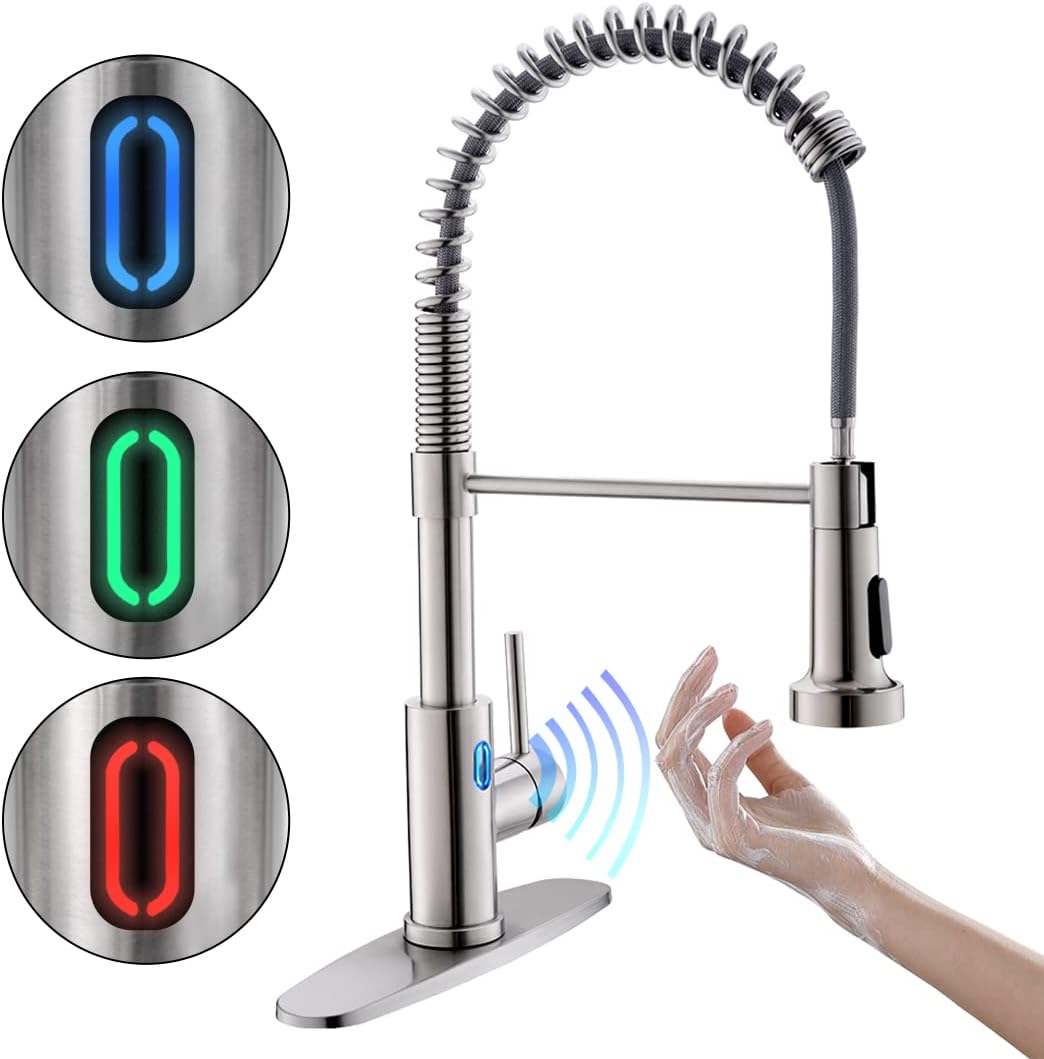
Touchless faucets are exactly what they sound like—no need to grab a handle, just wave your hand (or even a dish) near the sensor, and the water turns on automatically. It’s a small change, but it makes a huge difference when it comes to hygiene and convenience.
If you have kids who constantly leave sticky messes on everything, a touchless faucet keeps the handle clean. It’s also a game-changer when you’re cooking and don’t want to spread germs from raw meat or messy hands. Plus, since the water shuts off automatically, you’re less likely to waste it.
The biggest downside, however, is that these faucets need a power source, usually batteries or an electrical hookup. Some models can be a little too sensitive, turning on when you don’t mean to or not responding when you need them to. It’s a great option, but make sure to choose a model with reliable sensors.
Who It’s Best For:
- Families with kids who constantly touch everything
- People who want a more hygienic kitchen setup
- Anyone looking for a tech-forward faucet that saves water
Which Kitchen Sink Faucet Should You Get?
At the end of the day, the best faucet is the one that makes your life easier. If you cook a lot and need more reach, go for a pull-down model. If you’re short on space, a pull-out faucet gives you extra flexibility without taking up much room. If you just want something simple and reliable, a single-handle faucet keeps things easy. And if you’re looking for the ultimate in convenience and hygiene, touchless kitchen sink faucets are a great modern upgrade.
Think about how you use your sink every day, and pick a faucet that actually works for your needs. A well-chosen faucet will save you time, reduce frustration, and make your kitchen more functional for years to come.
Decades of Combined Expertise
Best Buy Guidebook is a culmination of online publishing lessons learned. From SEO to paid ads, our team has experienced the highest of highs and the lowest of lows. Our goal now is simple: Arm readers with the most information possible.