
What’s the ‘Unkitchen’ Trend, and Why Is Everyone Talking About It?

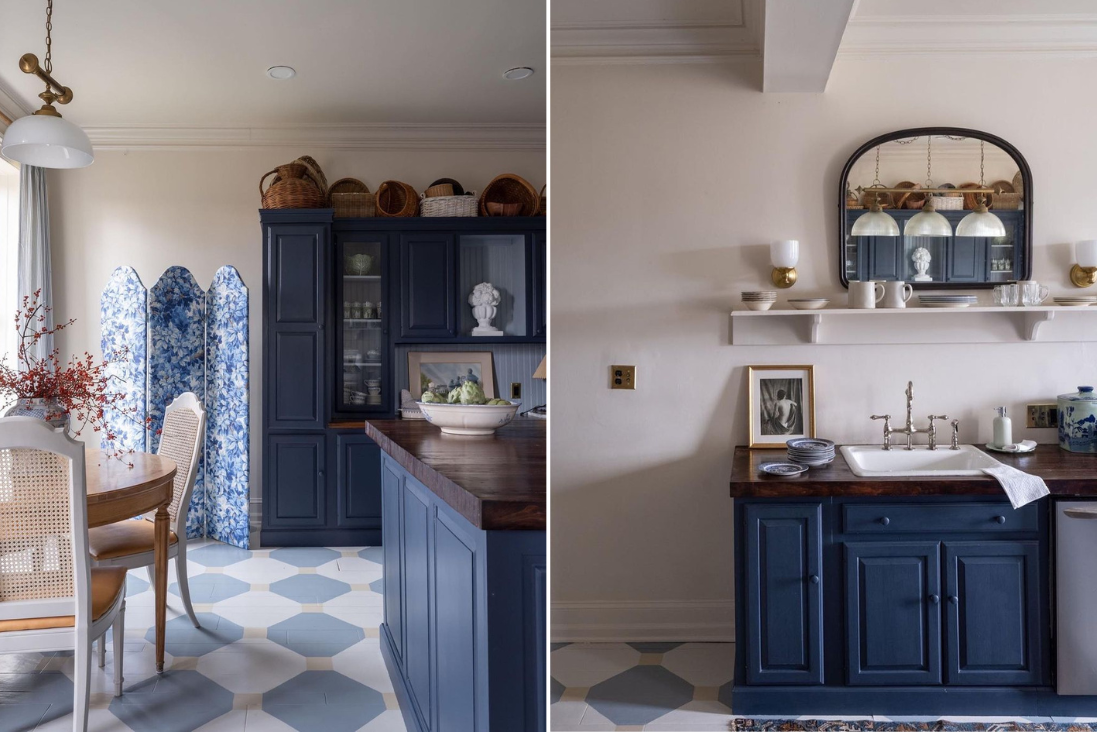
Instagram: @em_henderson
Let’s face it: kitchens have come a long way from purely functional spaces to the heart of our homes. But lately, there’s a new trend shaking up the traditional idea of what a kitchen should look like. “Unkitchen” is a design concept that reimagines the kitchen as more than just a place to cook. If you’ve been scrolling through Instagram or Pinterest and wondering, what is an unkitchen, you’re not alone. This style is all about blending the kitchen seamlessly into your living space, with a focus on comfort, aesthetics, and individuality.
Whether it’s the hidden appliances or the open shelving, the unkitchen is making waves for good reason—it feels like a breath of fresh air in home design.
So, What Exactly Is an Unkitchen?
At its core, the unkitchen is a design approach that prioritizes style and livability over traditional kitchen elements. Think fewer upper cabinets and more open shelving, decorative features like art and rugs, and appliances cleverly hidden behind panels to make them blend in. Essentially, it’s about creating a space that doesn’t scream kitchen the moment you walk in.
Rebekah Murphy, a designer with Karr Bick Kitchen & Bath, describes the unkitchen as a space where “you don’t see dozens of upper cabinets lining the walls or a huge island dominating the room.” Instead, it’s a mix of furniture-like elements, curated decor, and thoughtful storage solutions. The result? A kitchen that feels like an extension of your living room, not a separate, utilitarian zone.
One of the biggest draws of the unkitchen is its versatility. Unlike traditional kitchens, which often follow a cookie-cutter layout, the unkitchen allows for more creativity. Want a walk-in pantry with open shelving to stash your bulk snacks and kitchen gadgets? Go for it. Dreaming of a tiled range hood that blends into your backsplash or even a “hidden” kitchen behind French doors? That works too.
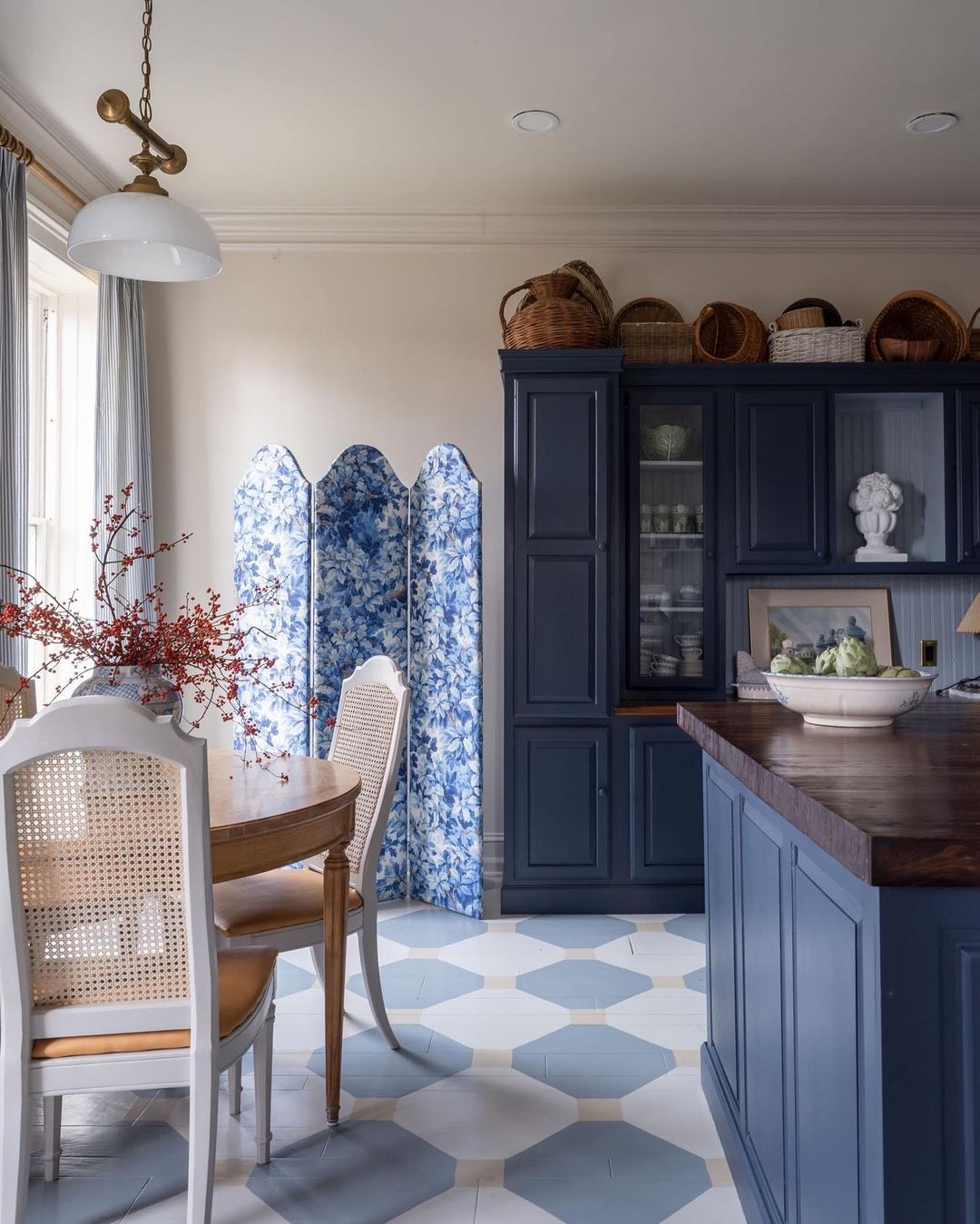
The aesthetic is especially appealing for open-concept homes where the kitchen is on full display. By minimizing the visual clutter of upper cabinets and bulky appliances, the unkitchen helps create a cohesive look throughout the living space.
But it’s not just about appearances. The unkitchen is also about function. Dana King, an interior designer, notes that features like induction cooktops and flush-mounted range hoods (a.k.a. “unhoods”) make cleaning and cooking easier while maintaining a sleek look.
Designing an Unkitchen That Works for You
While the concept might sound dreamy, it’s not a one-size-fits-all solution. The key to pulling off an unkitchen is customization. Here are a few ways to embrace the trend without sacrificing practicality:
- Open Shelving: Replace upper cabinets with open shelves to display your prettiest dishes and glassware. It’s an easy way to add personality and keep frequently used items within reach. Just be prepared to dust more often!
- Hidden Storage: To keep the kitchen looking uncluttered, invest in smart storage solutions. Deep drawers with peg systems, pull-out trays, and corner organizers can maximize every inch of space.
- Statement Lighting: Forget the standard recessed lights. Go for bold pendant lights or even table lamps to give your kitchen a cozy, lived-in feel.
- Integrated Appliances: Disguise your fridge, dishwasher, and even your range hood with paneling that matches your cabinetry. This helps them fade into the background, so the overall design feels harmonious.
For those who love entertaining, the “dirty kitchen” is a standout feature of the unkitchen trend. Essentially a hidden secondary kitchen, it’s a place where all the messy food prep and cleanup happens out of sight. Designer Kelsey McGregor, a fan of the concept, describes it as the perfect way to keep the main kitchen “entertaining forward.”
Picture this: you’re hosting a dinner party, and instead of chopping veggies and washing dishes in full view of your guests, you can retreat to the dirty kitchen. With its own sink, oven, storage, knife block set, cutting boards, and more, it handles the heavy lifting while your main kitchen stays pristine.
Balancing Style and Practicality
While the unkitchen has undeniable appeal, it’s not without challenges. For starters, it often involves less traditional storage, which means you’ll need to get creative with organization. If you’re not naturally tidy, open shelves and minimal cabinets might make the space feel cluttered.
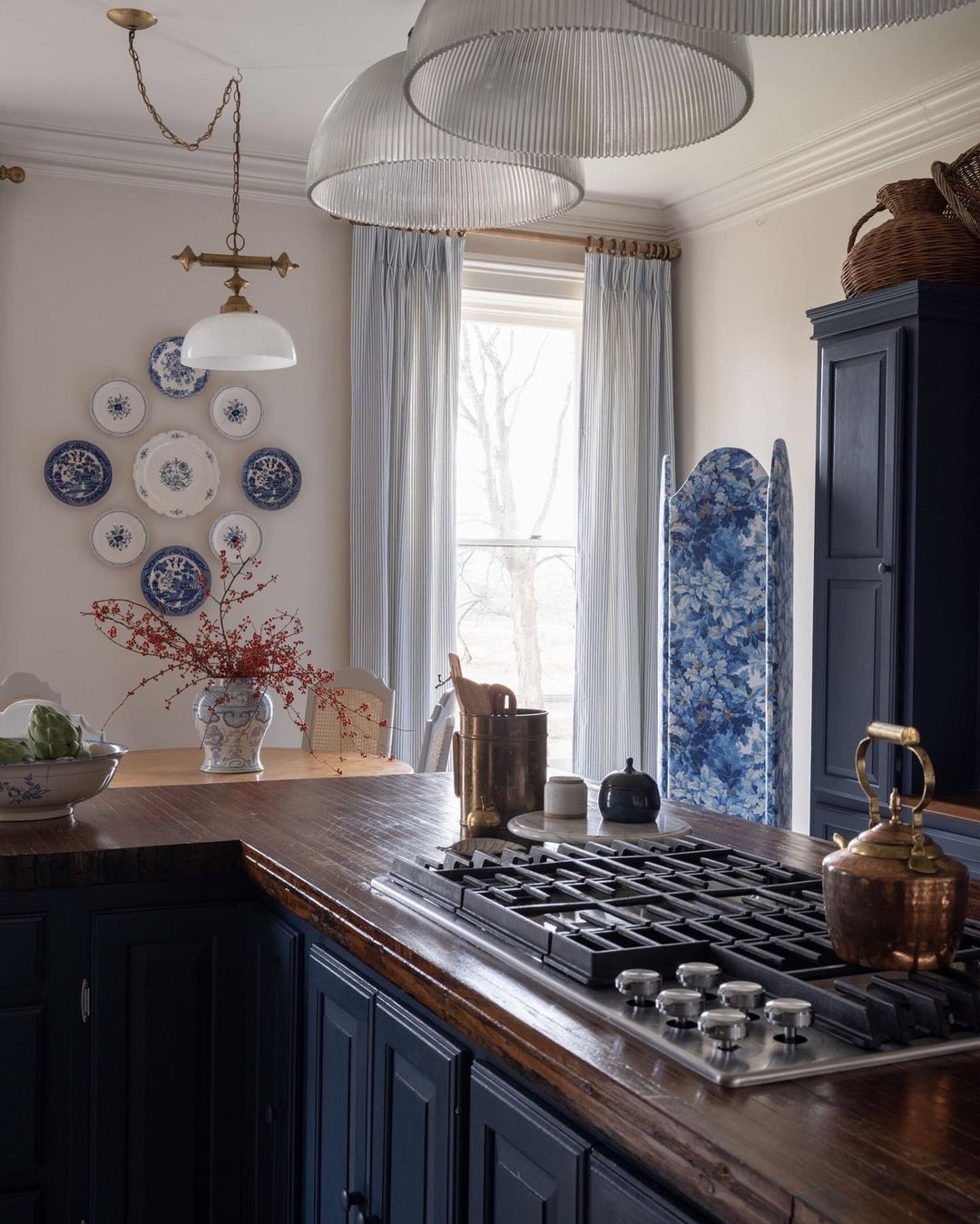
Another consideration is how well the unkitchen fits with the rest of your home. Since this design blurs the lines between the kitchen and living areas, it’s essential to choose materials, colors, and finishes that complement your overall aesthetic.
That said, the flexibility of the unkitchen means you can pick and choose which elements work for you. Maybe you love the idea of a walk-in pantry but prefer traditional cabinets in the main space. Or perhaps you’re drawn to the decorative aspects, like artwork and rugs, but still want a practical island. As King puts it, “Every kitchen can be a bit unkitchen.”
Why the Unkitchen Trend Isn’t Going Anywhere
While some home trends come and go, the unkitchen seems to have staying power. Its focus on individuality and integration aligns with how we use our homes today. Kitchens are no longer just for cooking—they’re places to gather, relax, and express personal style.
Designers like Murphy and King believe the trend will continue to evolve, with homeowners incorporating elements of the unkitchen into their spaces in ways that feel authentic. After all, who wouldn’t want a kitchen that looks as good as it functions?
Decades of Combined Expertise
Best Buy Guidebook is a culmination of online publishing lessons learned. From SEO to paid ads, our team has experienced the highest of highs and the lowest of lows. Our goal now is simple: Arm readers with the most information possible.