
Why Did the Paint Peel Off the Wall in One Layer?

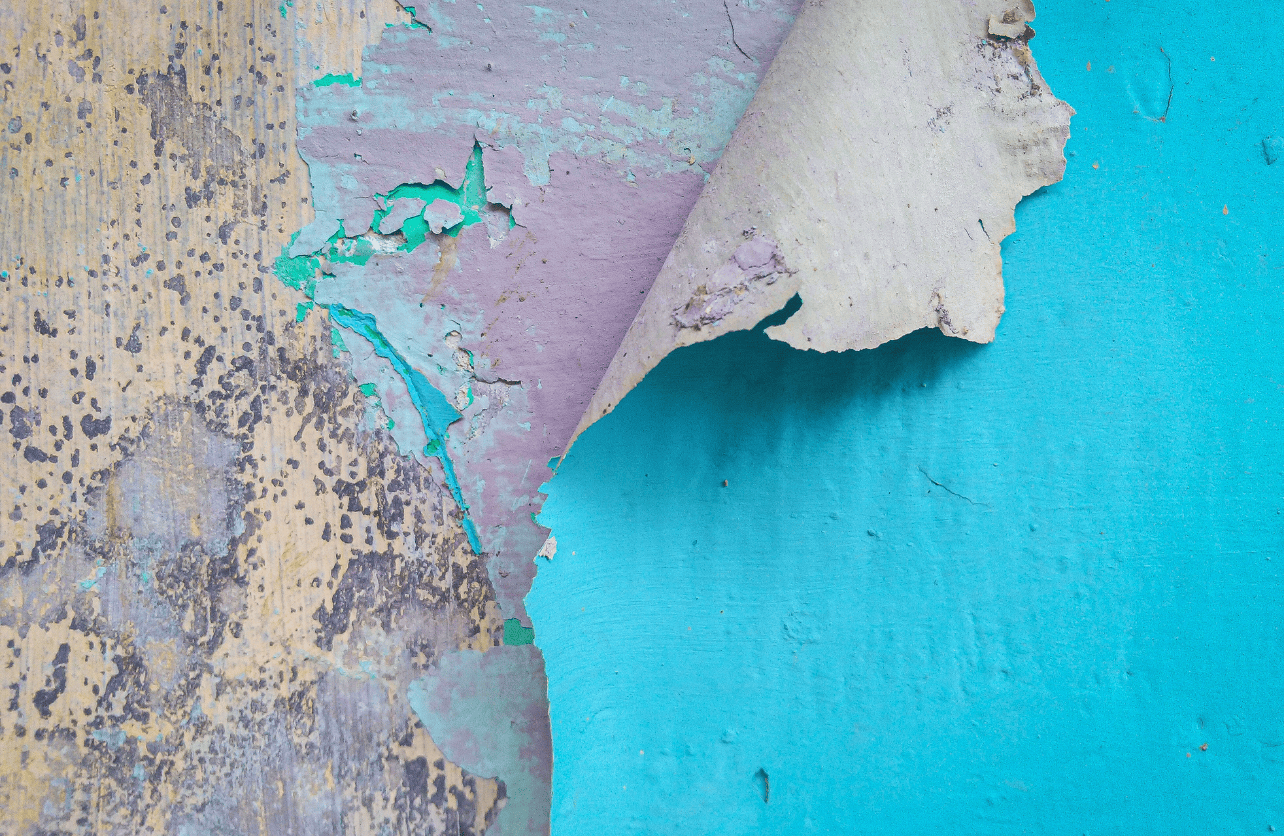
Painting your walls can transform a space, but sometimes, the results are less than perfect. One of the most frustrating issues is when paint peels off in one large sheet. This isn’t just a minor annoyance—it’s a sign that something went wrong during the painting process. Let’s explore why this happens and what you can do to prevent it in the future.
Common Causes of Paint Peeling
One of the most common reasons for peeling paint is poor surface preparation. Dirty, greasy, or dusty walls can interfere with the paint’s ability to stick properly. Even if the paint looks fine initially, it might peel away once dry because it was never fully bonded to the surface.
Skipping primer is another culprit. Primer creates a base for the paint to adhere to, and without it, the paint may have trouble sticking, especially on glossy or porous surfaces. This can lead to the entire layer peeling away when it’s exposed to wear or environmental changes.
Moisture and humidity also play a significant role. High humidity can cause water to seep into the paint layer, weakening the bond. This is especially common in bathrooms, kitchens, or areas with water damage. Similarly, if paint is applied to a surface that hasn’t fully dried, like fresh drywall mud or plaster, the trapped moisture can cause peeling.
Using the wrong type of paint can also lead to problems. For instance, applying water-based latex paint over oil-based paint without proper preparation can prevent adhesion. Likewise, poor-quality paints often lack the durability needed for long-term adherence.
Environmental Factors and Technique Issues
Temperature and application techniques can greatly affect paint adhesion. Painting in extreme temperatures, whether too hot or too cold, can interfere with the curing process. Thick layers of paint, while tempting to apply for quicker coverage, often dry unevenly, which can cause cracking and peeling.
Another common mistake is painting over an unstable surface. If the old paint layer is flaking or peeling, the new paint will simply adhere to the unstable old layer rather than the wall itself, making it prone to peeling away in sheets.
How to Prevent Peeling Paint
The key to avoiding peeling paint lies in preparation and proper technique. Always clean the walls thoroughly before painting to remove any dirt, grease, or dust. Sanding the surface helps create a texture that paint can grip onto. Using a primer is crucial, especially on glossy or porous surfaces, as it ensures better adhesion.
Environmental conditions also matter. Avoid painting in high humidity or extreme temperatures, as these can affect the drying process. Thin, even coats of paint are more effective than thick layers, as they dry more consistently and adhere better to the surface.
Fixing a Wall with Peeling Paint
If your wall is already peeling, you can still fix it. Start by removing all the loose paint with a scraper or putty knife. Sand the edges to create a smooth surface, then clean the wall thoroughly. Apply a high-quality primer before repainting, ensuring you use thin, even coats and allow proper drying time between layers.
Final Thoughts
Peeling paint often stems from poor preparation, environmental factors, or the use of incompatible materials. While it can be frustrating, understanding the causes and taking the proper steps to prepare and apply paint can prevent this issue in the future. Whether you’re starting a new project or fixing a peeling wall, the right techniques and tools can ensure a smooth, long-lasting finish.
Decades of Combined Expertise
Best Buy Guidebook is a culmination of online publishing lessons learned. From SEO to paid ads, our team has experienced the highest of highs and the lowest of lows. Our goal now is simple: Arm readers with the most information possible.