
Dryer Outlet Confusion? Here’s the Simple Truth About 3 and 4-Prong Plugs

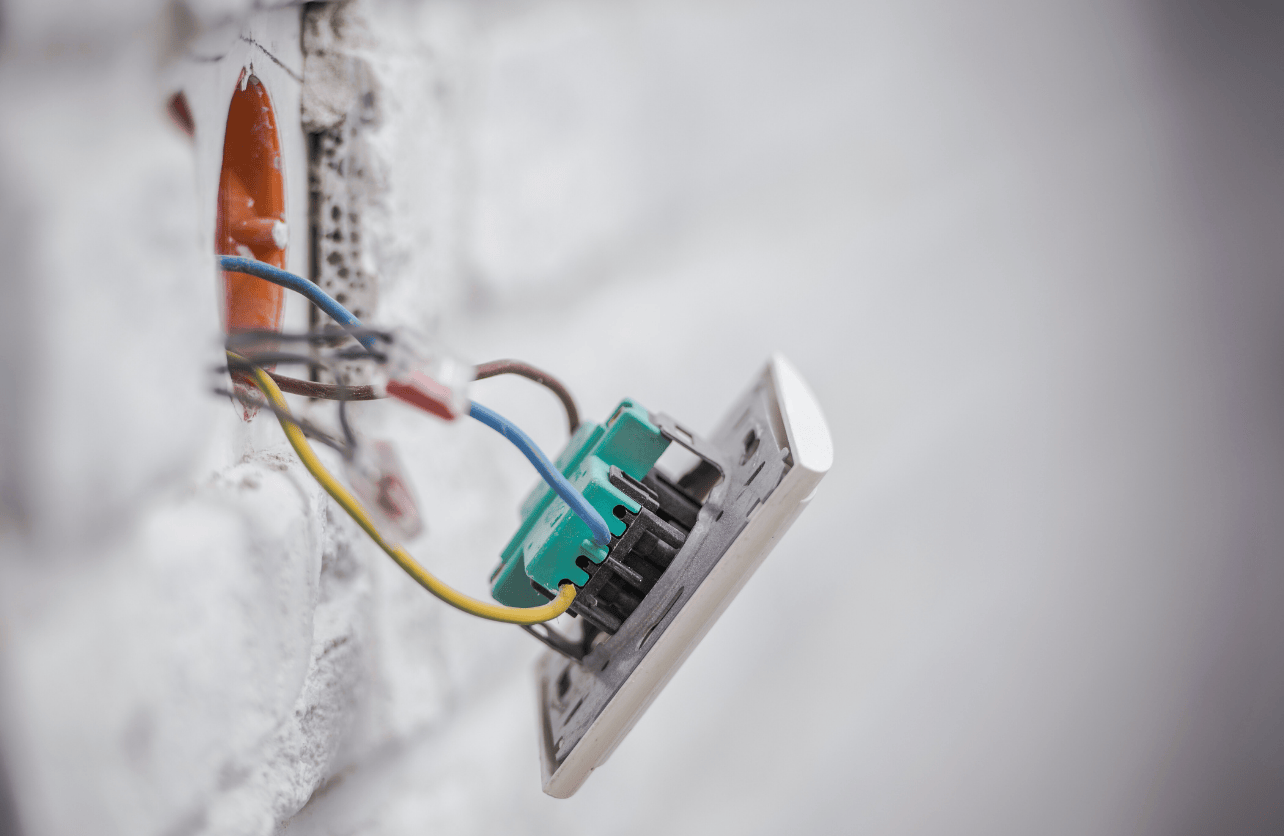
Dryers are simple machines, but the outlet behind them can raise a lot of questions, especially when it comes to the plug. If you’re setting up a new dryer or moving into a different home, the outlet might not match the plug on your appliance. That’s when many people learn there’s more than one kind of dryer outlet. And yes, there’s a reason why some dryers have three prongs and others have four.
The difference comes down to changes in electrical code, and understanding it can save time, money, and hassle. Whether you’re figuring out which cord to buy, planning an upgrade, or just trying to avoid an electrician’s visit, it helps to know what you’re looking at and why it matters. This guide breaks it down in clear terms: how these outlets differ, why they were changed, and what you should do if your dryer plug and outlet don’t match.
Why Are There Different Dryer Outlet Plugs?
There are two main types of dryer outlets: 3-prong and 4-prong. And these types are primarily due to updates in electrical safety standards. Older homes usually have 3-prong outlets, while newer homes, built or updated after the mid-1990s, typically feature 4-prong outlets. The distinction between these outlets is tied to safety and electrical code compliance.
A 3-prong dryer outlet contains two hot wires and one neutral wire. This design combines the neutral and grounding wires, which was standard practice until the National Electrical Code (NEC) was revised in 1996. The newer 4-prong design separates these wires, significantly improving safety and reducing the likelihood of electrical issues.
Dryer Outlets: 3-Prong vs. 4-Prong Explained
Here’s a straightforward explanation to clarify the differences:
3-Prong Dryer Plug:
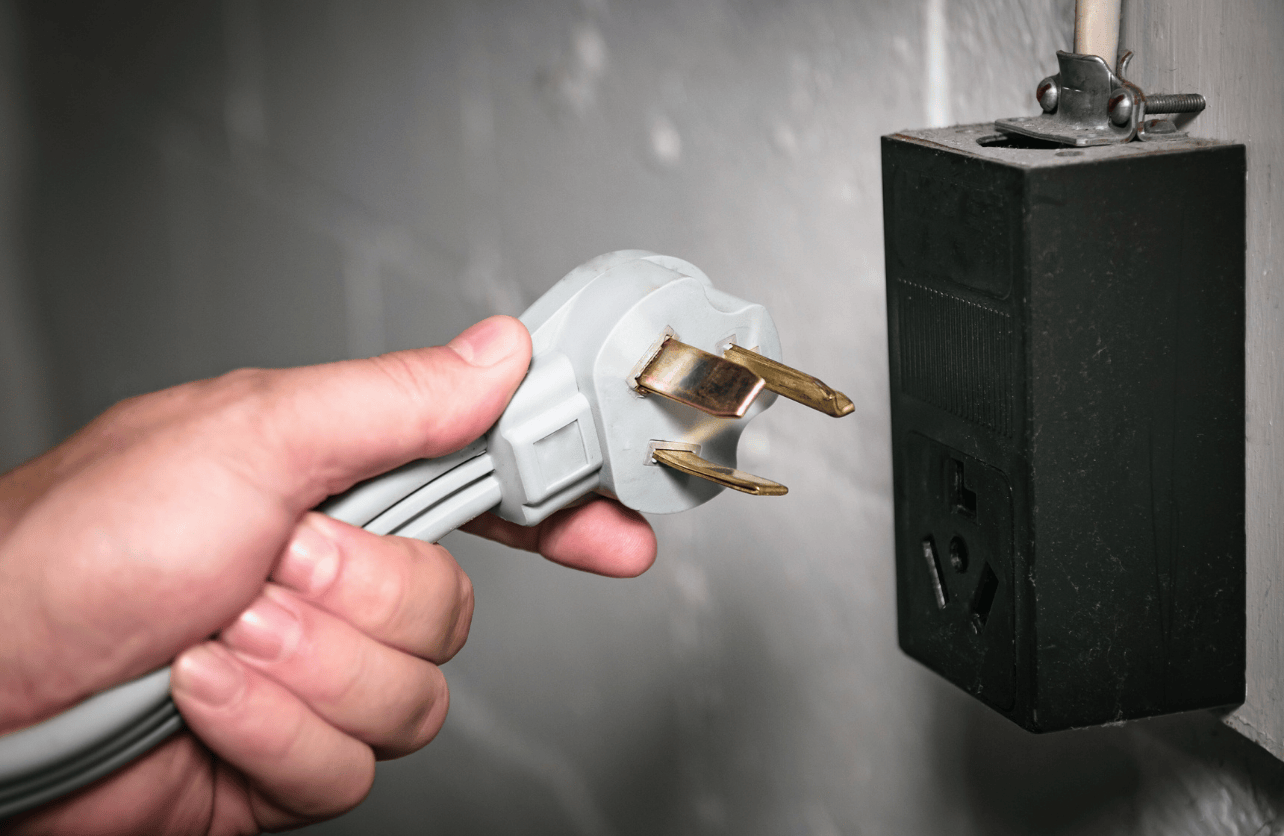
- Two hot wires (usually red and black)
- One neutral wire that doubles as a ground (typically white)
The neutral wire in a 3-prong outlet performs double duty, serving both as a neutral and a grounding pathway. This setup was acceptable in older electrical codes, but newer standards discourage it due to safety concerns.
4-Prong Dryer Plug:

- Two hot wires (typically red and black)
- One neutral wire (white)
- One separate grounding wire (green or bare copper)
With a dedicated grounding wire, a 4-prong setup provides better protection against electrical shocks by safely directing excess current away from appliances and occupants.
Safety Implications You Shouldn’t Ignore
While both outlet types can safely power your dryer, the 4-prong outlet is considered superior in terms of safety. In older 3-prong setups, a loose or compromised combined neutral-ground wire can potentially cause shocks or even fires. By contrast, a dedicated grounding wire in a 4-prong outlet ensures a safer pathway for electrical faults, greatly reducing these risks.
Upgrading to a 4-prong outlet isn’t mandatory, but it is strongly recommended by electrical professionals. Making this change aligns your home with current safety codes, adding peace of mind regarding your home’s electrical system.
How to Check Which Outlet Your Home Has
Identifying the type of outlet installed in your home is quite easy. You simply need to inspect the outlet visually:
- A 3-prong dryer outlet has three slots—two straight and one L-shaped.
- A 4-prong dryer outlet features four distinct openings—two straight slots, one L-shaped slot, and one rounded or semicircular grounding slot.
What if Your Dryer Plug Doesn’t Match Your Outlet?
Encountering mismatched plugs and outlets doesn’t have to be a headache. Here are two practical solutions:
- Replace the Outlet: Opting to install a 4-prong outlet ensures your home meets modern safety standards. Although this method requires hiring an electrician and involves additional costs, it’s a long-term investment in safety and code compliance.
- Replace the Dryer Cord: Changing the dryer’s cord to match your current outlet can be a simpler, cost-effective solution. Always follow the manufacturer’s instructions carefully or hire a professional electrician to ensure safe installation.
Upgrading to a 4-Prong Dryer Outlet: Is It Worth It?
Upgrading to a 4-prong outlet makes sense, particularly if safety and future-proofing your home matter to you. The investment might seem significant upfront, but improved electrical safety and adherence to modern building codes can increase your home’s overall value and appeal to potential buyers.
Additionally, having a 4-prong dryer outlet can save you future trouble if you ever decide to replace your dryer with a newer model designed specifically for updated electrical systems.
Misunderstandings That Can Trip People Up
- It might seem okay to use an adapter or converter for mismatched dryer plugs and outlets, but these are only safe for temporary use. Long-term reliance on them can lead to overheating and serious electrical issues.
- A lot of people assume that all 3-prong outlets are inherently dangerous. In truth, they worked fine for decades, and many still do. The main concern is that they lack a separate ground wire, which newer codes now require for added protection.
- Some think upgrading from a 3-prong outlet has to happen immediately. That’s not the case. As long as the current setup is in good condition, there’s no rush. Still, upgrading during a renovation or while installing a new dryer is a smart, future-proof move.
Decades of Combined Expertise
Best Buy Guidebook is a culmination of online publishing lessons learned. From SEO to paid ads, our team has experienced the highest of highs and the lowest of lows. Our goal now is simple: Arm readers with the most information possible.