
Fans vs. Air Conditoners: Which One is Right for You?

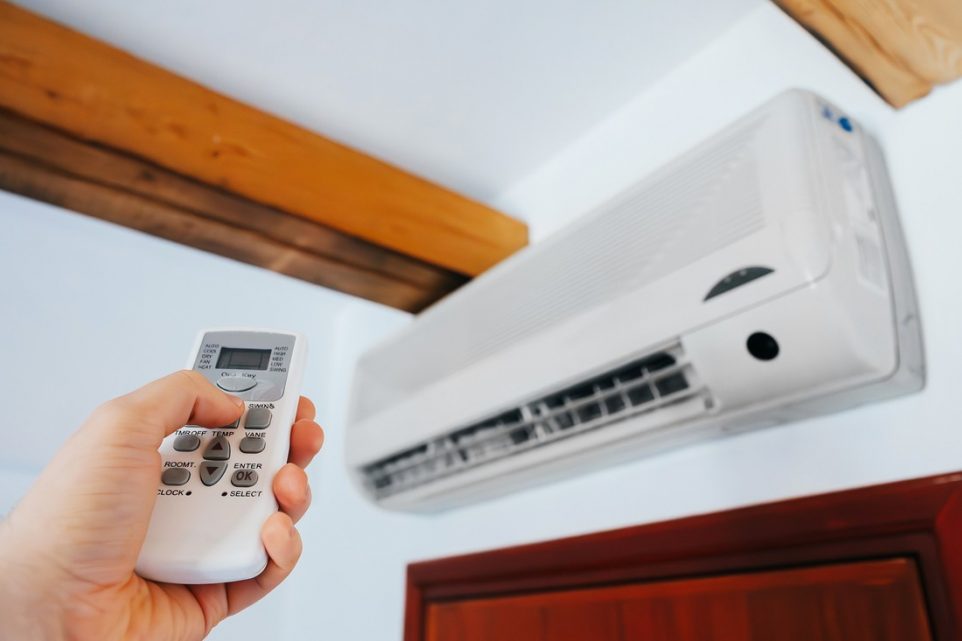
Exploring the best ways to keep your home cool during the intense heat of summer leads many of us to the ongoing debate: fans versus air conditioners. Each option serves a unique purpose and meets different needs, from cost considerations to cooling capabilities. Here, I dive into the details of each, examining their benefits and limitations to help guide your decision on how best to achieve a comfortable indoor environment.
Fans: The Traditional Approach to Cooling
Fans are a long-standing solution for beating the heat. They operate simply by moving air around a room. This movement creates a wind-chill effect on your skin, which can make the air feel cooler than it actually is, even though the actual room temperature doesn’t change.
Advantages of Fans
- Energy Efficiency: Fans are champions of low energy consumption. They require significantly less electricity compared to air conditioners, which translates into lower energy bills.
- Cost-Effectiveness: Not only are fans more affordable upfront, but they’re also cheaper to operate and maintain over time.
- Flexibility and Mobility: Many types of fans, including pedestal and desk models, are lightweight and easily transported from one room to another.
- Enhanced Ventilation: Using a fan can help improve the air circulation in a room, making it feel less stuffy and more comfortable.
Drawbacks of Fans
- Limited Scope of Cooling: Fans do not actually cool the air; they merely make it feel cooler. Therefore, they’re not effective at reducing the overall temperature within a room.
- Reduced Effectiveness in Humid Conditions: Fans are less effective in high humidity because the moist air doesn’t evaporate sweat as efficiently, which diminishes the cooling effect.
Air Conditioners: Advanced Cooling and Comfort
Air conditioners provide a more sophisticated method of cooling by actually lowering the temperature of the air. They work by extracting heat and moisture from the air inside a room, which not only cools but also dehumidifies the space.
Benefits of Air Conditioners
- Superior Cooling: Air conditioners can dramatically reduce indoor temperatures, offering relief from outside heatwaves.
- Humidity Reduction: By removing moisture from the air, air conditioners help prevent the growth of mold and create a more comfortable environment.
- Improved Air Quality: Many air conditioners are equipped with filters that purify the air, removing pollutants and allergens.
- Consistent Indoor Climate: Air conditioners allow you to set and maintain a precise temperature, adapting as necessary to keep the environment consistent.
Limitations of Air Conditioners
- Higher Energy Consumption: Air conditioners use more electricity, which can significantly increase your energy bills.
- Installation and Upfront Costs: Installing an air conditioner, especially split or central systems, can be complex and expensive.
- Maintenance Requirements: To keep an air conditioner running efficiently, regular maintenance such as cleaning filters and servicing the system is necessary.
Portable Air Conditioners: A Versatile Solution
Portable air conditioners strike a balance between traditional fans and more permanent air conditioning systems. They provide the cooling effects of an air conditioner but are mounted on wheels for easy movement around your home.
Pros of Portable Air Conditioners
- Convenience for Renters: These units are ideal for those who prefer a temporary or mobile solution without the commitment of a permanent installation.
- Simple Setup: Most portable air conditioners only need a nearby electrical outlet and a window where the exhaust hose can be mounted.
Cons of Portable Air Conditioners
- Less Energy Efficiency: Compared to built-in units, portable air conditioners generally use more energy.
- Noise Factor: These units can be louder than other types of air conditioners, which might be a consideration depending on your environment.
Making Your Choice
- For Cost-Savings: Fans are an economical choice, offering enhanced comfort at a minimal expense.
- For Maximum Comfort: In regions with extreme heat, air conditioners are essential for their ability to precisely control both temperature and humidity.
- For Versatility: Utilizing both fans and air conditioners can optimize indoor climates while managing energy costs—turn on the air conditioner to cool down a room quickly, then maintain the coolness with a fan.
- For Flexible Cooling: Portable air conditioners provide a practical compromise, offering the benefits of air conditioning with the flexibility of easy relocation.
Selecting the right cooling solution depends largely on your specific circumstances, including budget, climate, and personal preferences for indoor air comfort.
Decades of Combined Expertise
Best Buy Guidebook is a culmination of online publishing lessons learned. From SEO to paid ads, our team has experienced the highest of highs and the lowest of lows. Our goal now is simple: Arm readers with the most information possible.