
Which Heating System Should You Install? Compare 12 Popular Options and Make the Right Call

When it comes to home heating systems, most of us stick to the default setup we inherited with the house. But the truth is, heating technology has evolved. Whether you’re trying to cut energy costs, upgrade for comfort, or figure out what actually works in your climate, you’ve got more than a few choices. From old-school radiators to ultra-efficient mini-splits, each system comes with tradeoffs, and not every option works for every space.
The goal here isn’t to push you one way or another. It’s to lay out the facts so you can match the right heating method to your needs, your budget, and your home. Below are 12 common heating systems—each one explained clearly, with pros and cons you’ll want to weigh before making the call.
1. Forced-Air Furnace Home Heating System

Forced-air furnaces are among the most common home heating systems, especially in suburban houses across North America. These systems work by heating air using electricity, natural gas, oil, or propane. Once heated, the air is blown through ductwork into each room. The system runs based on your thermostat’s settings, and it can warm a space fairly quickly. Furnaces can be bundled with central AC for year-round use, which adds to their convenience.
However, they do require ducts to be cleaned regularly, and they can circulate dust and allergens through the house. It’s a reliable option, but not necessarily the quietest or most efficient in every case. They’re best suited to homes that already have existing ductwork in place.
Pros:
– Fast, whole-house heating
– Works with AC in the same system
– Easy to service and replace
Cons:
– Requires duct cleaning
– Can dry out indoor air
– Noisy compared to other systems
2. Boiler
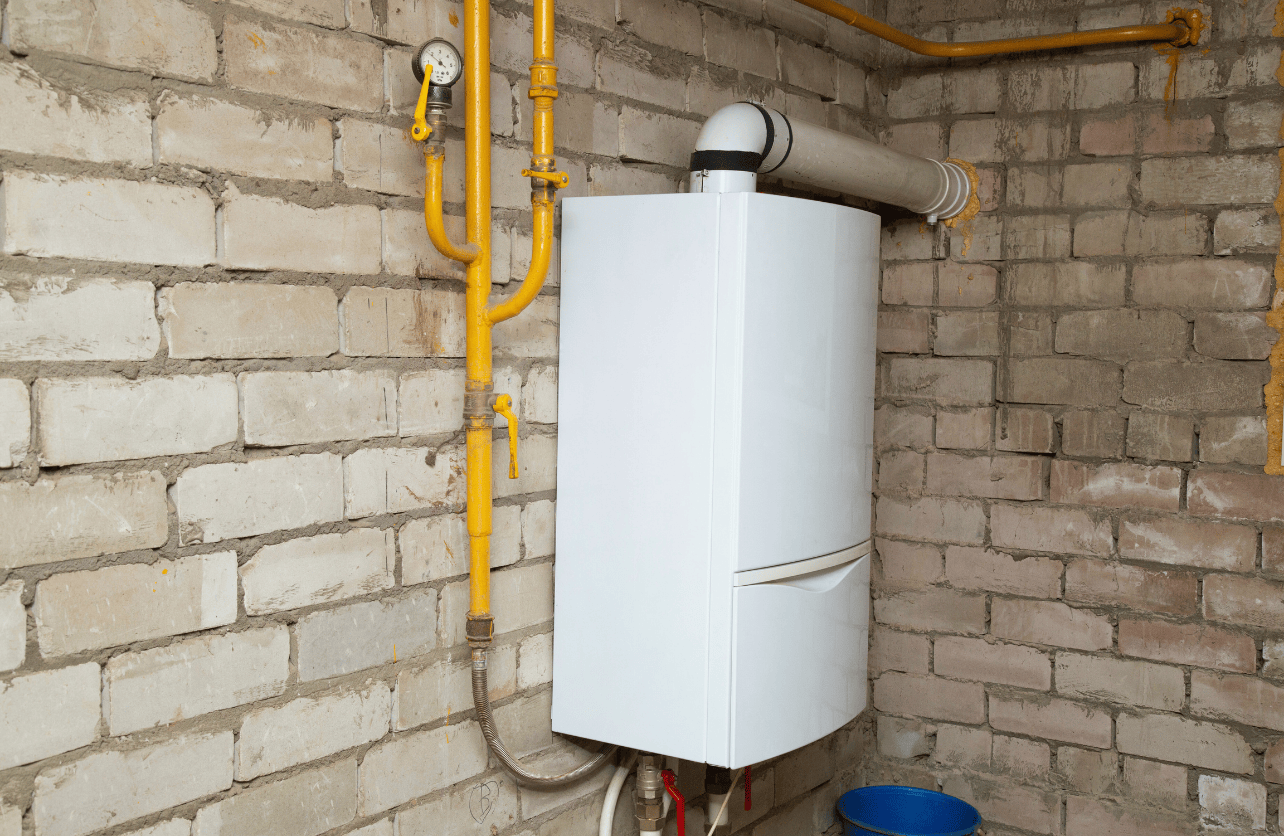
Boilers offer radiant heat, which many people find more comfortable and consistent than forced air. Instead of heating air, boilers heat water using gas, oil, or electricity, then send that water or steam through radiators or underfloor pipes. This hydronic system warms the room without blowing air around, which means fewer allergens floating through your home.
It’s especially great for older homes that don’t have ducts or for anyone sensitive to dry heat. While modern boilers are efficient, installation costs can be high, especially if you’re starting from scratch. And if you also need cooling, you’ll need a separate AC setup since boilers don’t do double duty.
Pros:
– Consistent, even warmth
– Quiet and clean operation
– Great for allergy sufferers
Cons:
– High installation cost
– Doesn’t support cooling
– Slower to heat than air systems
3. Radiant Floor Heating
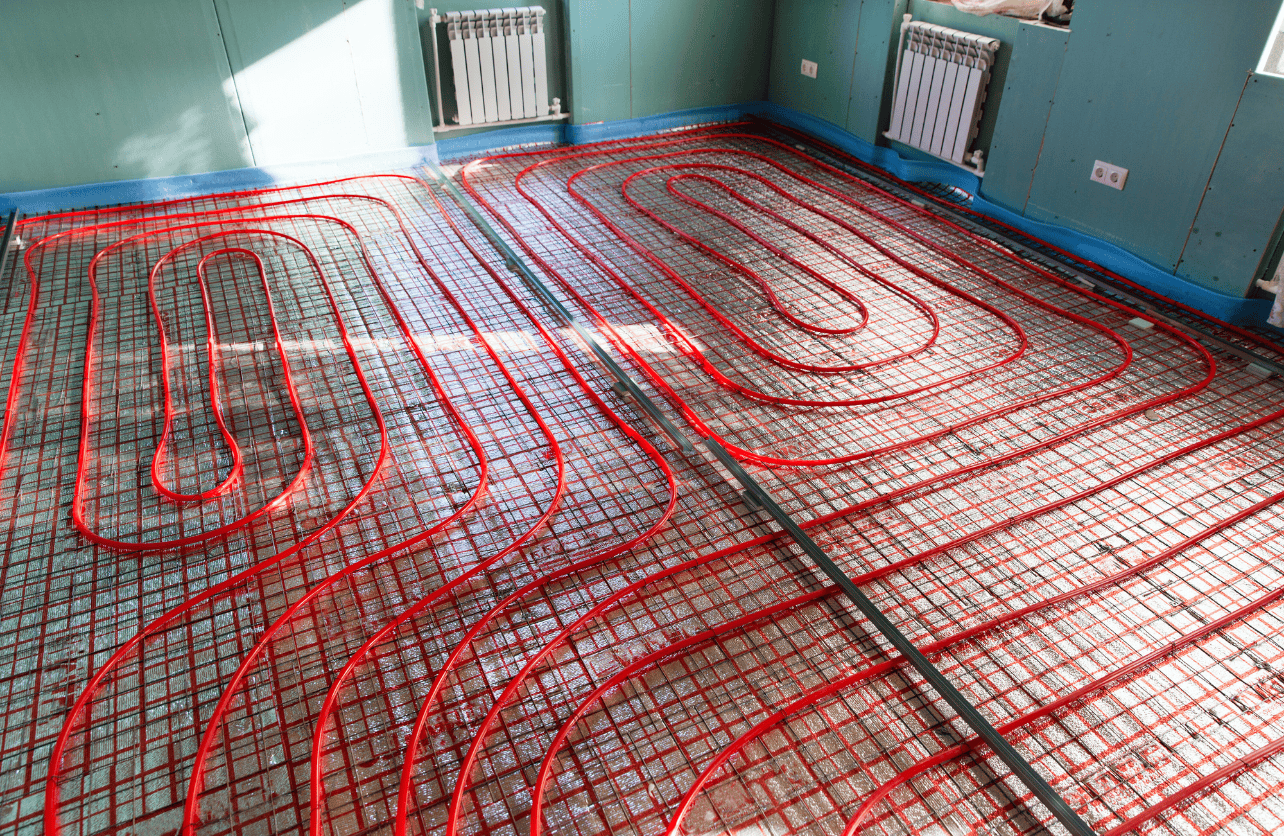
Radiant floor heating runs either electric wires or hydronic tubing under the floor. It delivers warmth from the ground up, which feels great underfoot and provides a steady, even heat throughout a room. It doesn’t blow air or make noise, and there are no vents or grates cluttering the wall. This makes it ideal for bedrooms, bathrooms, or open-plan living spaces where quiet comfort matters.
It works well with tile or concrete floors, but can be more complicated if your home is carpeted. Installing it in a new build is easier than retrofitting, and while the upfront costs can be high, it’s efficient in well-insulated homes.
Pros:
– Completely silent operation
– No visible vents or ductwork
– Even, comfortable heat distribution
Cons:
– Costly to install, especially in retrofits
– Doesn’t pair well with carpet
– Slower to change the room temperature
4. Heat Pump
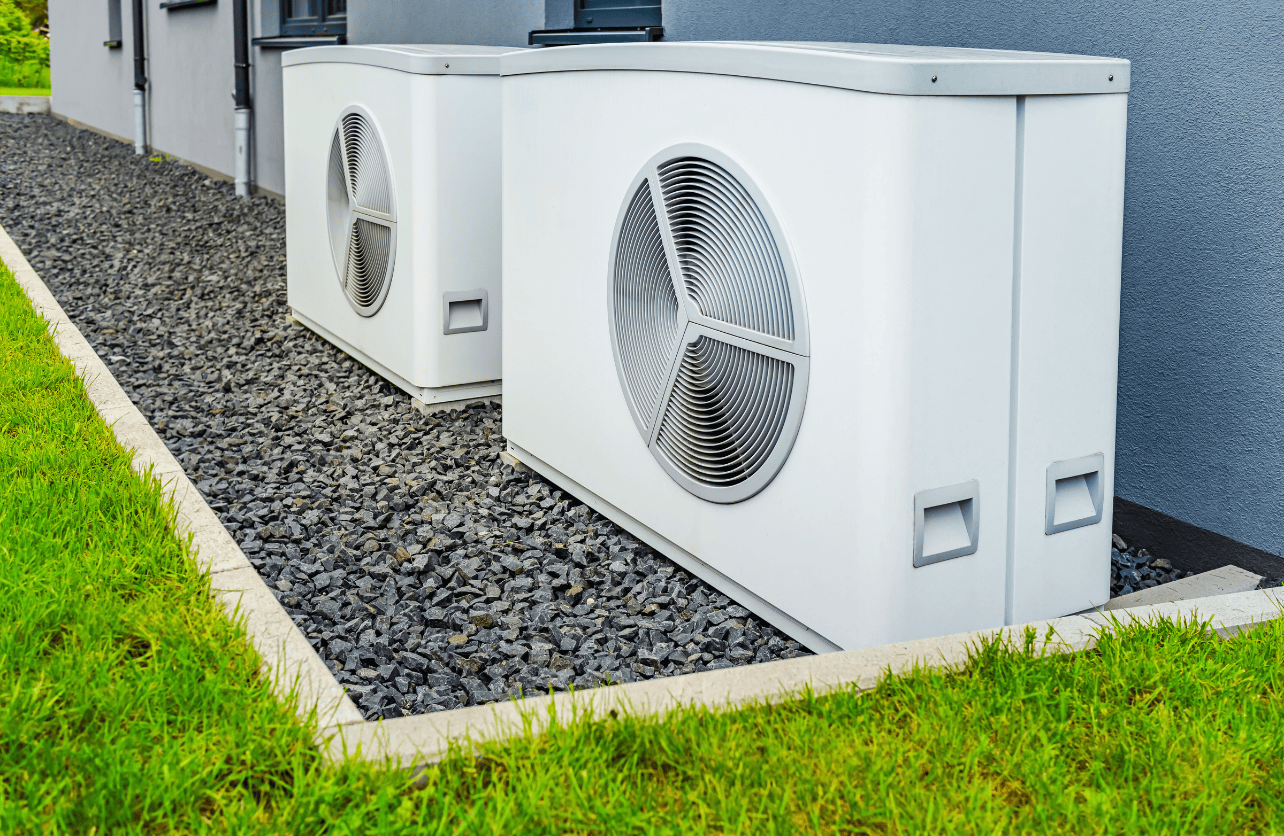
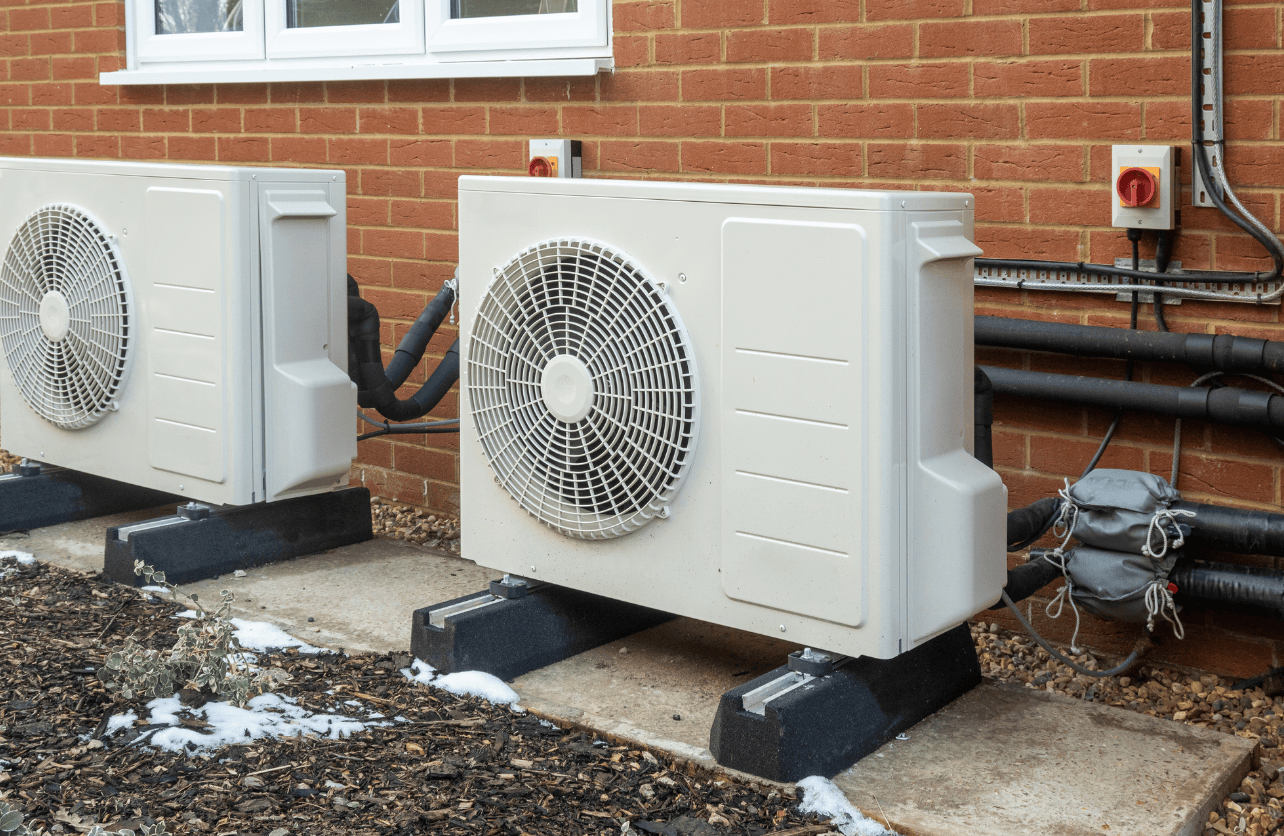
Heat pumps are essentially reversible air conditioners. In the winter, they extract heat from outside air and bring it in; in summer, they do the opposite. They’re efficient because they don’t generate heat—they just move it around. In mild to moderate climates, they can be the most cost-effective option over time.
There are also geothermal versions that draw heat from underground, offering even better performance in cold regions, but with much higher installation costs. Heat pumps are quieter than furnaces and don’t require gas lines, but they lose efficiency as temperatures drop below freezing, often requiring a backup heat source in colder areas.
Pros:
– Dual heating and cooling
– High energy efficiency
– Quiet and clean
Cons:
– Less effective in cold climates
– Needs backup heat in winter
– Upfront costs vary widely
5. Electric Space Heater
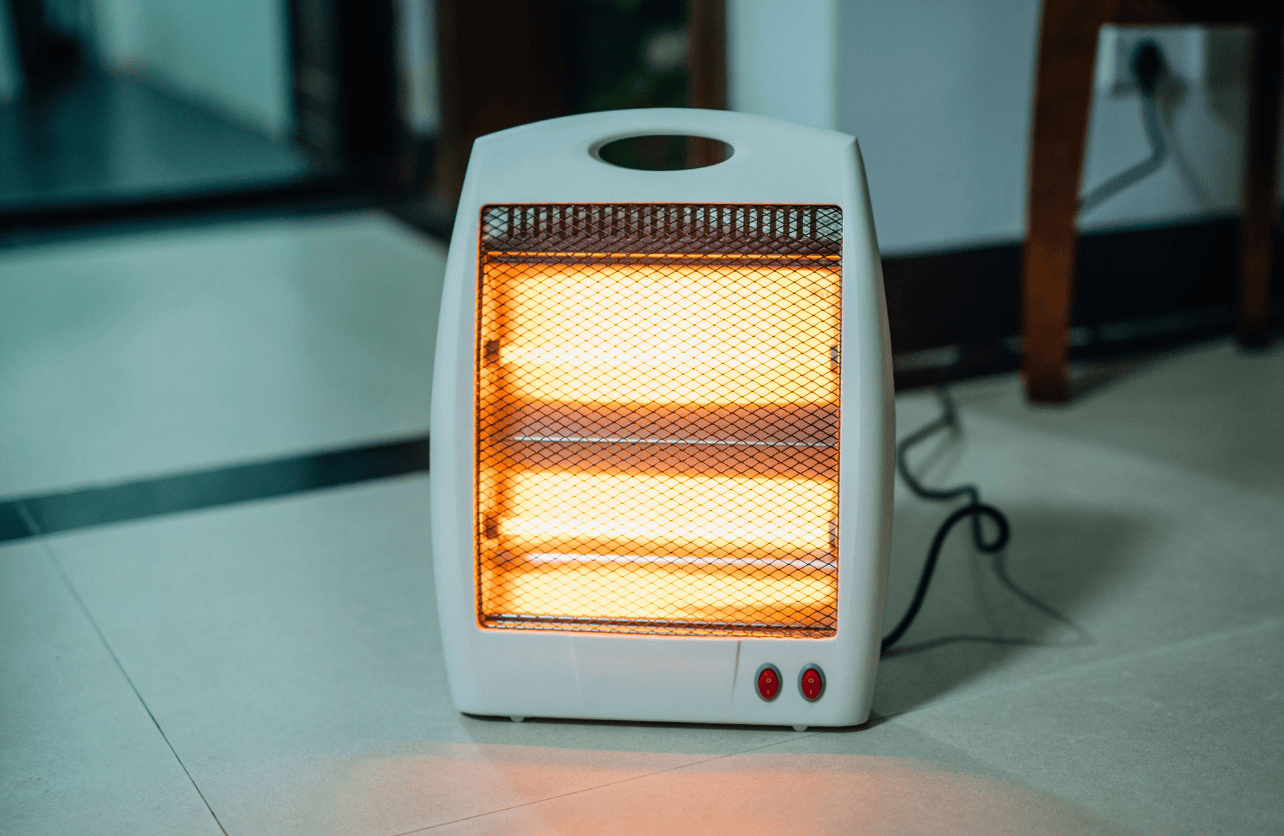
Sometimes all you need is heat for a single room, and electric space heaters are made for that. These portable units plug into a wall outlet and convert electricity directly into heat. There are two common types: convection heaters that warm air and circulate it, and infrared heaters that warm people and objects directly.
They’re inexpensive and useful in small spaces like bedrooms, garages, or offices. That said, they’re not meant for whole-home heating, and they can chew through electricity quickly. You’ll want to keep an eye on safety, especially with older models, as they can be a fire risk if used improperly.
Pros:
– Inexpensive and portable
– Easy to use, no installation
– Good for small, targeted spaces
Cons:
– Not efficient for full homes
– Higher electric bills
– Potential safety concerns
6. Infrared Heater
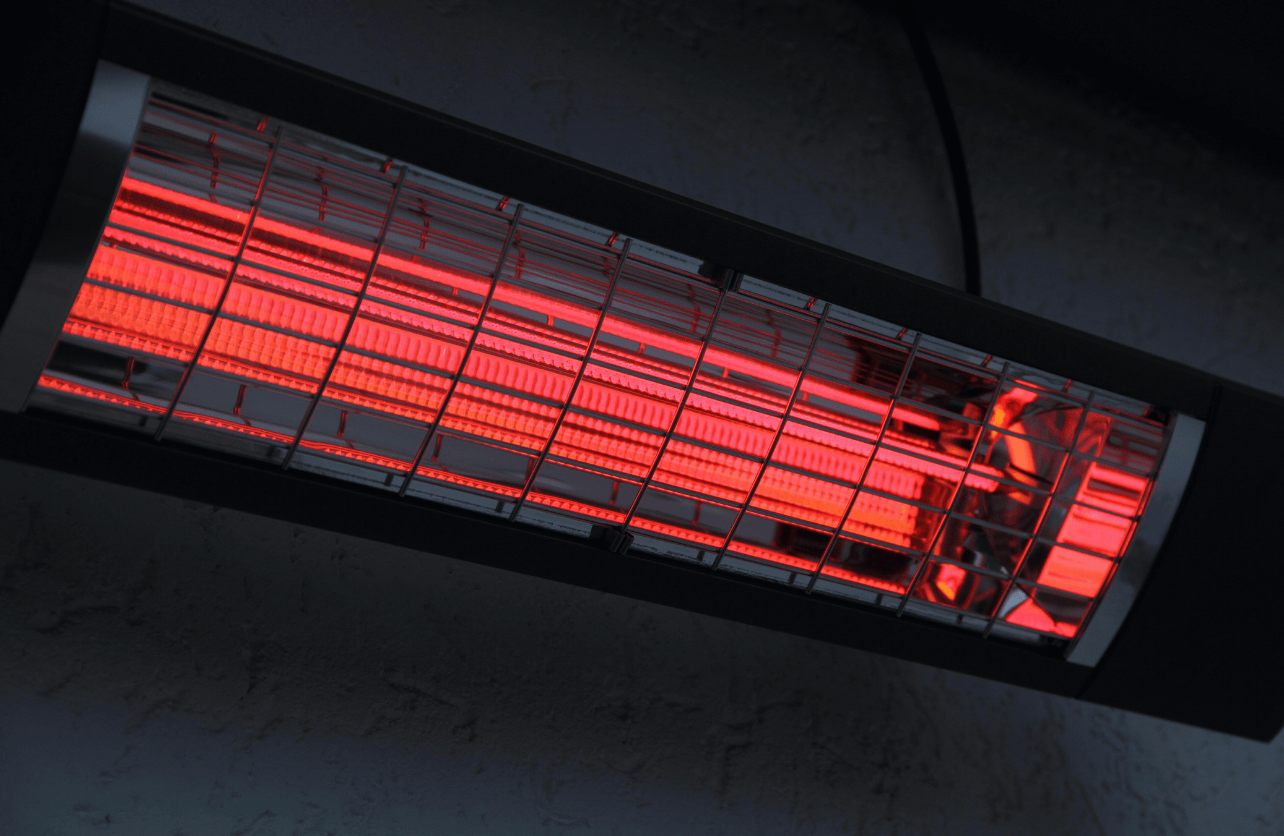
Infrared heaters operate on a different principle than convection heaters. Rather than warming air, they emit infrared radiation that heats people and objects directly. It’s the same kind of warmth you feel from the sun or a fire. These heaters work quickly and quietly, which makes them ideal for rooms that are used intermittently, like a basement workshop or reading nook.
However, they don’t warm the air, so once you leave the heater’s direct path, the warmth drops off. For large or open spaces, they aren’t nearly as effective as other types. Still, they’re efficient and offer comfortable, instant heat right where you need it.
Pros:
– Fast, focused heat
– Silent operation
– Energy-efficient for spot use
Cons:
– Doesn’t heat the air
– Limited coverage area
– Not great for large rooms
7. Active Solar Heating
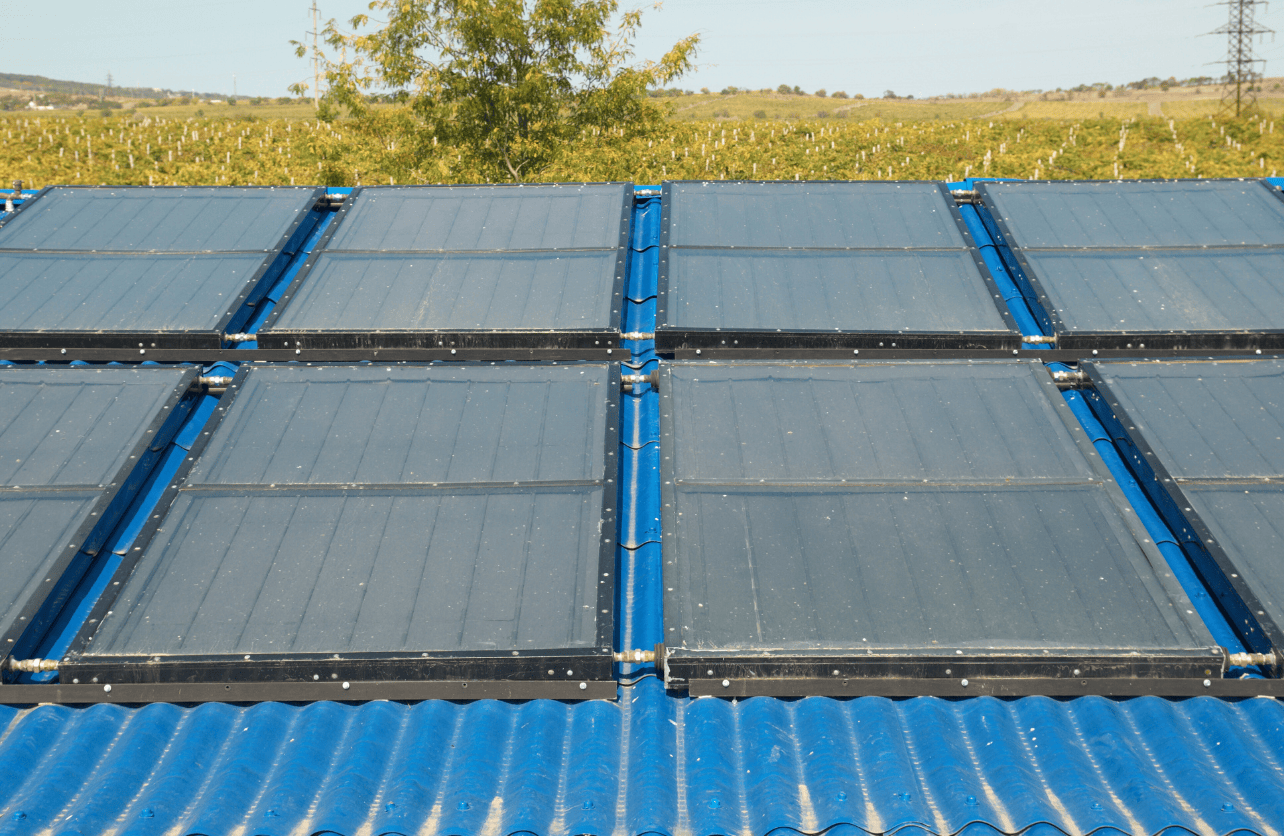
Active solar heating systems collect sunlight via solar panels and convert it to energy that heats either air or liquid. This heat is then circulated throughout the house via ducts, radiant floors, or baseboards. These systems are best suited to sunny climates and can dramatically reduce long-term energy costs. However, you’ll need a backup heating system for cloudy days or nighttime use. Installation costs can be steep, and they require regular maintenance.
For those focused on sustainability and long-term savings, solar heating can be a great investment—but it’s not ideal for every house or region.
Pros:
– Environmentally friendly
– Can cut utility bills long-term
– Ideal for sunny climates
Cons:
– Expensive to install
– Needs backup heating
– Depends heavily on location
8. Hybrid Heating System
Hybrid systems combine two types of heat sources—typically a heat pump and a gas furnace. The system automatically switches between them based on the temperature: the heat pump runs when it’s mild outside, and the furnace kicks in when it’s colder. This kind of flexibility helps keep energy bills low without sacrificing comfort. It’s especially useful in areas that get cold winters but also have long shoulder seasons.
Hybrid systems do require more space and a smart thermostat for maximum efficiency, but they extend the life of both heating elements by distributing the workload.
Pros:
– Efficient year-round
– Adapts to changing weather
– Reduces wear on each unit
Cons:
– More complex system
– Higher upfront cost
– Requires more space
9. Baseboard Heater
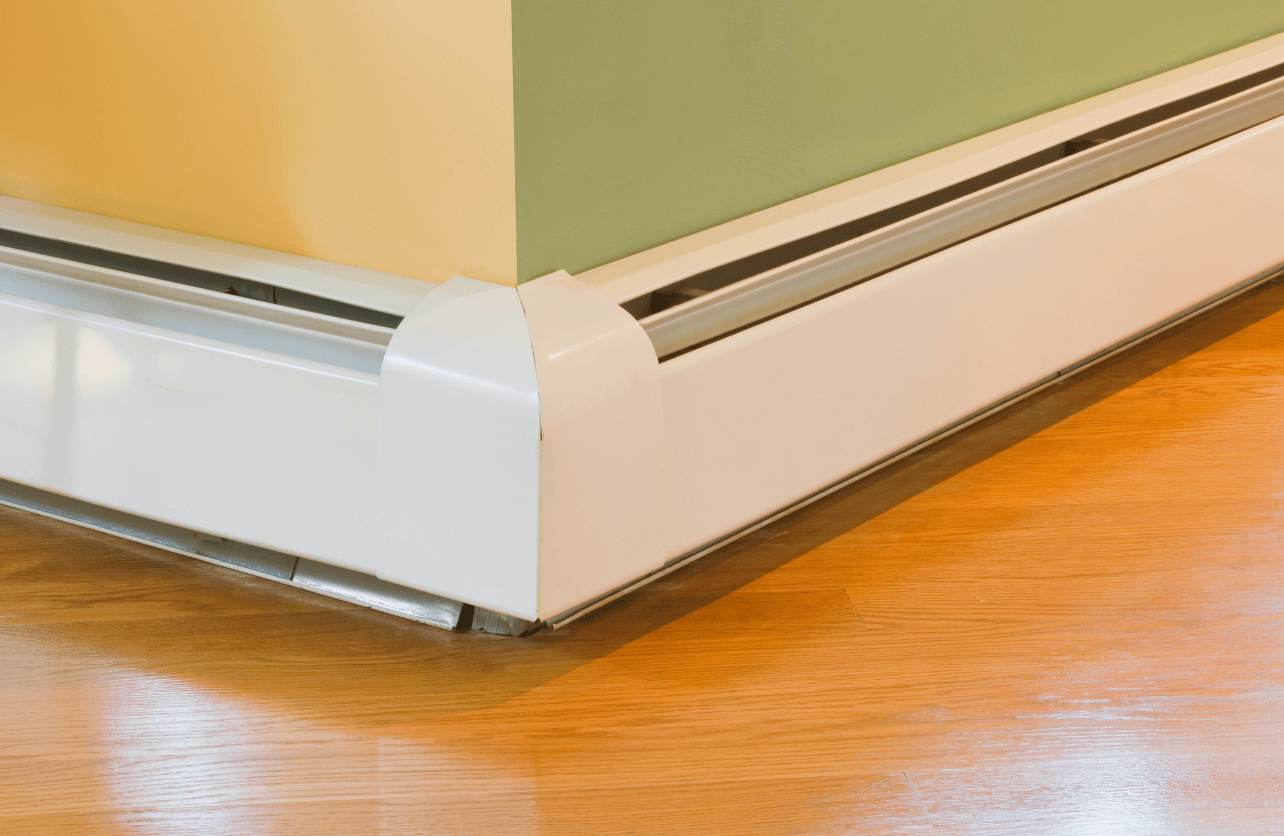
Baseboard heaters sit low on your wall and use either electric resistance or hot water to warm the room. They’re a good option for homes without ductwork or in rooms where you want zoned control. These units are silent, easy to install, and often used in bedrooms or hallways. While they convert electricity to heat at nearly 100% efficiency, they’re expensive to run long-term, especially in colder regions. Plus, they can limit furniture placement and need to stay unobstructed for safety and effectiveness. For supplemental heat, though, they’re practical and low-maintenance.
Pros:
– Simple and quiet
– Good for zone heating
– No ductwork required
Cons:
– Higher operating costs
– Can block furniture layout
– Slower to heat a room
10. Gravity Furnace
View this post on Instagram
These are old-school, often found in homes built before the mid-20th century. Gravity furnaces don’t use fans—instead, they rely on the natural movement of warm air rising and cool air sinking. They’re typically located in basements and move air through large ducts. While functional, they’re bulky and inefficient by today’s standards.
They can also be slow to warm up and lack modern features like zoned control or integration with AC. If your home still has one, it might be time to consider upgrading, though they’re a bit of a nostalgic relic in some parts of the country.
Pros:
– Few moving parts
– Still functional in many homes
– Quiet operation
Cons:
– Outdated technology
– Poor efficiency
– No cooling compatibility
11. Ductless Mini-Split
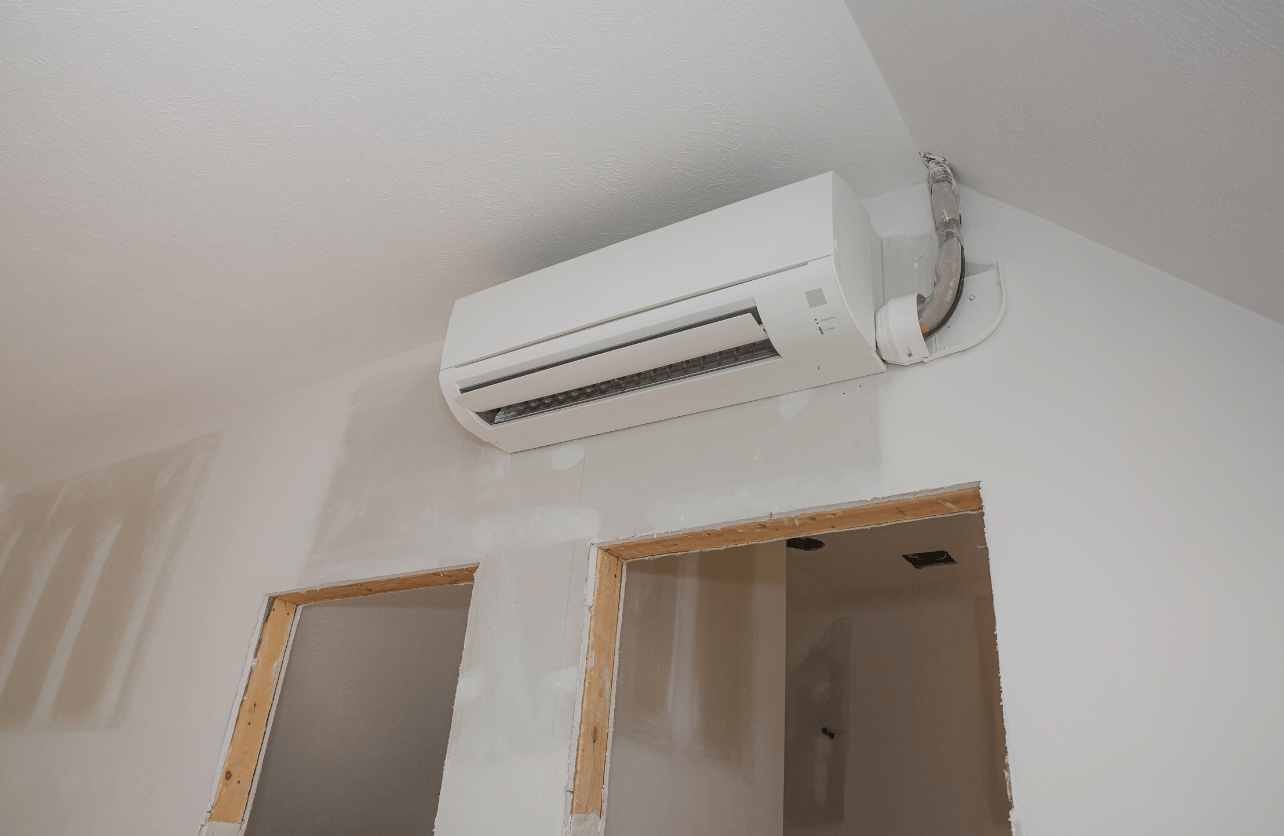
Mini-split systems offer heating and cooling without ducts. Each indoor unit is mounted on a wall and connects to an outdoor compressor. They’re great for homes without existing ductwork or for additions, converted garages, or in-law suites. You can set different temperatures in each zone, which is a huge bonus for comfort and energy savings.
However, they’re visible on your walls and more expensive to install if you’re covering the whole house. That said, they’re efficient and whisper-quiet, making them one of the most modern options on this list.
Pros:
– Zoned temperature control
– High efficiency
– No ductwork required
Cons:
– Higher upfront cost
– Wall units may not suit every aesthetic
– Requires regular filter cleaning
12. Fireplace & Wood Stove
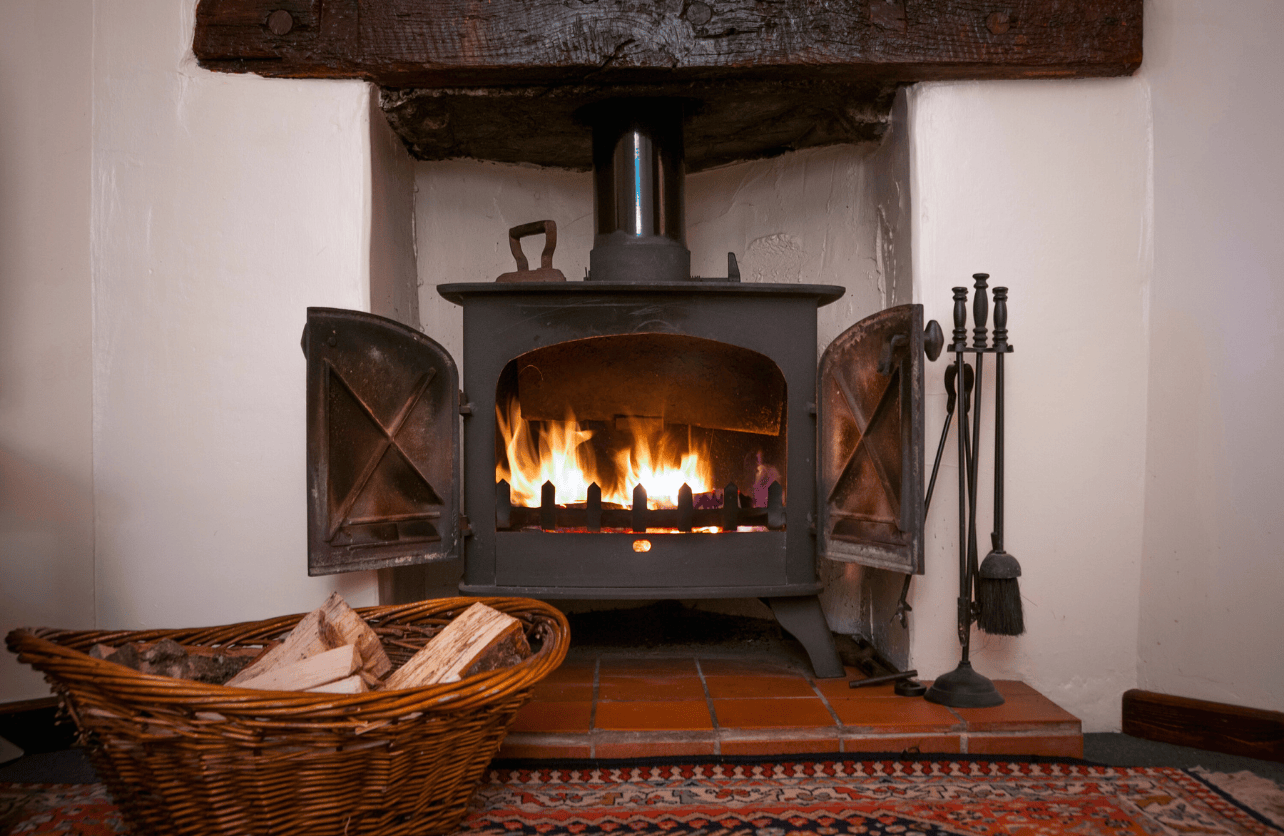
Fireplaces and wood-burning stoves provide warmth in the old-fashioned way. Whether it’s a roaring wood fire or a sleek gas insert, these systems are more about ambiance than full-home heating. They work well for specific rooms, especially in cabins or homes with smaller footprints.
Wood stoves are more functional for actual heating, while fireplaces often serve as backups. Maintenance, chimney cleaning, and air quality are all things to consider—but for some, the charm is worth the effort.
Pros:
– Adds atmosphere
– Can function off-grid
– Simple operation
Cons:
– Limited heat range
– Requires constant monitoring
– Not energy-efficient for large spaces
Decades of Combined Expertise
Best Buy Guidebook is a culmination of online publishing lessons learned. From SEO to paid ads, our team has experienced the highest of highs and the lowest of lows. Our goal now is simple: Arm readers with the most information possible.