
What You Should Know Before Washing Your Rugs in the Machine

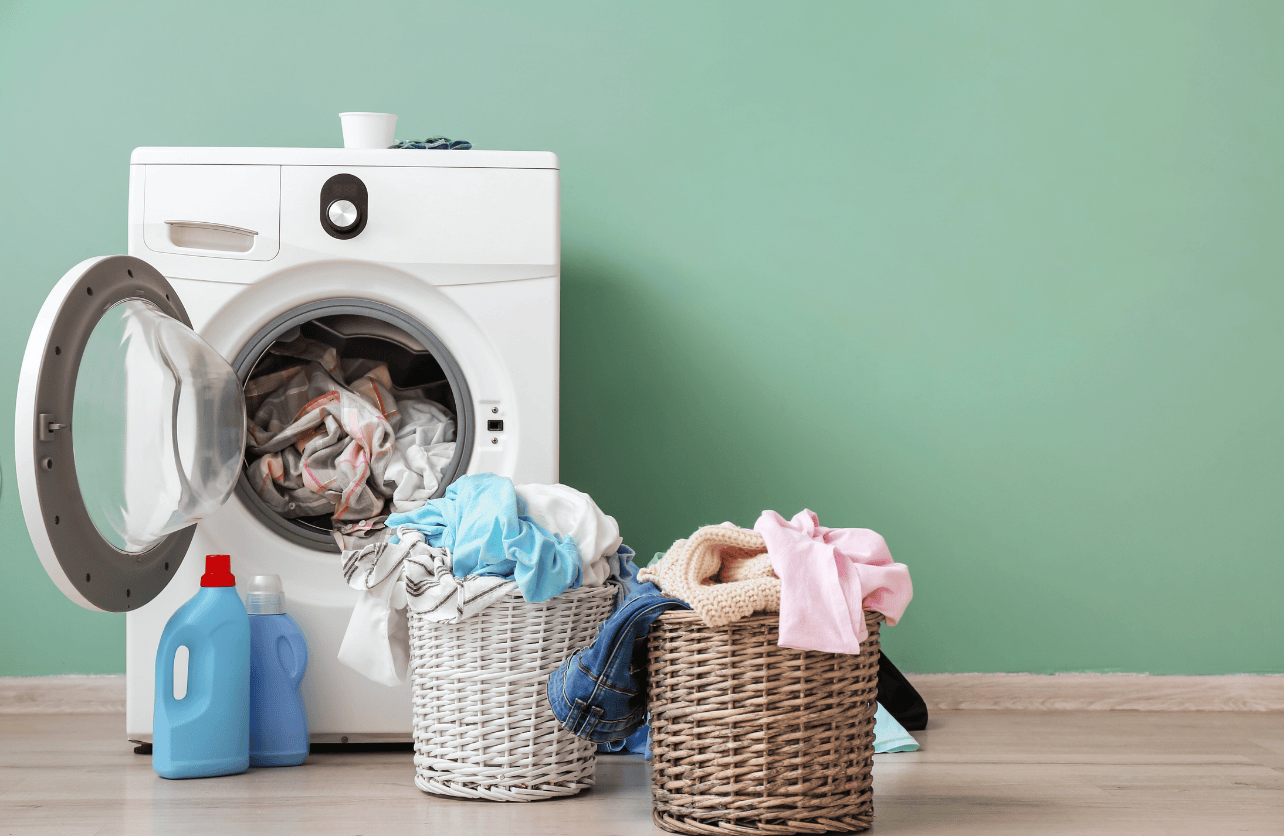
Tossing a rug into the washer seems like a time-saver until the edges curl, the backing cracks, or your machine starts thumping like it’s off-balance. If you’ve ever Googled how to wash a rug after a cleaning attempt went wrong, you’re not alone. The truth is, while many rugs can go through a wash cycle, not all should. There’s more to it than just tossing it in and hoping for the best.
The rug’s size, material, backing, and construction all determine how it holds up in a washer. Cotton and some synthetics usually survive the spin, but wool, jute, and rugs with glued backings need extra care or a completely different approach. Skipping the prep work or ignoring labels can do real damage, not just to the rug but to your washing machine too.
Always Start with the Label
Before anything goes into the wash, check the care tag. That label gives you specifics—like if it’s machine washable, what water temperature to use, and whether it’s safe to tumble dry. If a rug says “dry clean only” or doesn’t mention machine washing at all, take that seriously. That usually means water could ruin the fabric, warp the shape, or break down the glue.
If there is no tag, then the material becomes your guide. Cotton, polyester, and nylon rugs are often washer-friendly. Wool, silk, jute, or anything handmade usually isn’t. For those, spot cleaning or professional care is safer.
Size Isn’t Everything
Just because a rug physically fits into the machine doesn’t mean it should go in. Machine capacity matters. Once soaked, rugs get heavy, much heavier than you might expect. That weight can overload your washer, knock it off-balance during the spin cycle, or leave your rug unevenly cleaned.
If the rug takes up more than half the drum when dry, it’s likely too bulky. In those cases, a commercial-sized washer at the laundromat is the better route. That way, the rug gets enough room to move around, and the machine isn’t straining under the load.
How to Wash a Rug Without Wrecking It
If you’re confident your rug can handle the washer, here’s how to keep things smooth and damage-free:
1. Shake It Out First
Get rid of loose dirt, crumbs, or pet hair before washing. A good shake outside or a quick vacuum pass helps prevent buildup in the washer and gives you a cleaner result.
2. Spot-Treat Any Stains
Before loading the rug, treat any visible stains. Use a mild liquid detergent mixed with water. Apply gently, let it sit 10–15 minutes, and blot with a clean cloth. Avoid scrubbing, especially on delicate fibers.
3. Use Cold Water and a Gentle Cycle
Stick with cold water to avoid shrinking or fading. Set your washer to the gentle or delicate cycle. Hot water can damage fibers and adhesives, especially on rugs with rubber or latex backings.
4. Go Easy on the Detergent
Use a small amount of mild liquid detergent. Avoid powder detergent, which can stick to fibers, and skip bleach or fabric softener—both can degrade the rug or backing over time.
5. Don’t Overload
Wash the rug alone. Other items, like towels or clothes, can cause friction and lead to pilling or tearing. Let the washer focus only on the rug to maintain its structure.
Which Rugs Shouldn’t Go in the Washer?
Some rugs don’t belong anywhere near water. Here’s what to avoid:
- Wool rugs: Water can cause felting (where fibers mat together), shrinkage, and texture loss.
- Jute, sisal, or seagrass: These natural fibers break down when soaked and may never dry evenly. Water leaves stains and causes mold or mildew to grow inside the weave.
- Silk or viscose rugs: Even small amounts of water can cause staining, weakening, or color bleeding.
- Rugs with glued or adhesive backings: These often fall apart in the washer as adhesives dissolve or crack.
- Heavily fringed rugs: Tassels tend to tangle or get pulled during the wash.
For these, spot cleaning with a gentle brush or a mix of vinegar and water usually works better. High-value or vintage rugs are best handled by professionals.
Be Cautious with Rubber Backings
Rubber-backed rugs—like bathroom mats or kitchen runners—often say they’re machine washable. That’s true, but only to a point.
Repeated exposure to hot water or dryer heat causes the rubber to crack, peel, or flake. Once that happens, the rug becomes slippery and unsafe on hard floors. If you notice bits of rubber shedding or the backing stiffening, it’s time to replace the rug.
To extend its life, wash these rugs in cold water and air-dry them. If a dryer is necessary, use the lowest possible heat setting, or better yet, no heat at all.
Drying Is Just as Important
If a rug isn’t dried properly, it can develop odors or mildew, and that’s a fast way to undo all your cleaning efforts.
Air drying is the safest choice. Lay the rug flat on a clean surface or hang it over a railing. Make sure it’s fully supported to avoid stretching. Flip it occasionally to help both sides dry evenly.
Avoid drying in direct sunlight for long periods. Some dyes fade quickly under UV light, especially in natural or hand-dyed rugs. If you’re drying indoors, place it near a fan or open window for airflow.
Tumble drying should be your last resort. Only do it with machine-washable rugs that are labeled dryer-safe. And even then, stick to no-heat or low-tumble settings. High heat warps the backing and weakens fibers.
Decades of Combined Expertise
Best Buy Guidebook is a culmination of online publishing lessons learned. From SEO to paid ads, our team has experienced the highest of highs and the lowest of lows. Our goal now is simple: Arm readers with the most information possible.