
How To Install Different Types of Air Conditioners

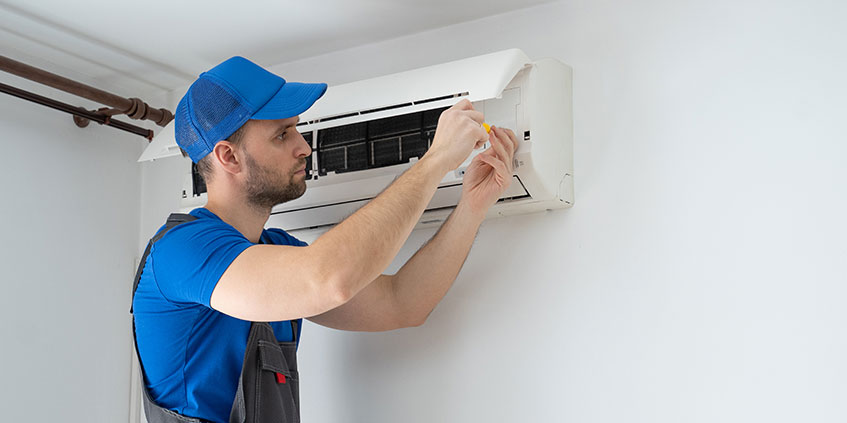
In the midst of a sweltering summer, an air conditioning system is no less than a blessing. If you’ve decided to tackle the installation yourself, congratulations on your DIY spirit! However, each type of air conditioning system has its unique installation process. In this guide, we’ll walk you through the installation basics for various types of air conditioners, helping you navigate the complexities and considerations of each one.
Pre-Installation Tips
Before we dive into specifics, a few general tips:
- Understand your needs: Depending on the size of the space, insulation, and number of occupants, your cooling needs can vary. A unit too large will waste energy, while one too small won’t cool effectively.
- Safety first: Always turn off the electricity in the area you’ll be working in. Use gloves and safety glasses where necessary.
- Follow the manufacturer’s instructions: Although we’re providing a general guide, always consult the user manual as brands might have specific requirements.
Standard (Central) Air Conditioners
Often called central air, this typical air conditioning system cools the entire house via ducts.
- Select a location for the outdoor unit: This should be a concrete slab, away from direct sunlight and foliage.
- Install the evaporator coil: This is usually installed in the furnace or the air handler.
- Connect the evaporator coil to the condenser: This is done using copper tubing or the refrigerant line.
- Connect the system to ductwork: If your home already has ducts, this step involves linking the system to them. If not, consider consulting a professional for duct installation.
- Check the system: Once everything’s connected, turn on the system and ensure it’s cooling effectively. Check for any leaks or unusual sounds.
Split Air Conditioners:
Split Air Conditioners don’t require ducts and are suitable for individual rooms or homes without extensive ductwork.
- Install the mounting plate: The indoor unit should be about 7 feet above the floor, ensuring there’s at least 6 inches clearance from the ceiling.
- Drill a hole for the pipes: The hole should be drilled in a wall that faces outdoors, ensuring it’s away from wall studs.
- Install the outdoor unit: Like the standard AC, it should be on a concrete pad. Ensure it’s away from dusty or foliage-heavy areas.
- Connect the indoor and outdoor units: This involves threading the refrigerant pipes, connecting the electrical wires, and ensuring everything’s sealed.
Window Air Conditioners
Window Air Conditioners are compact and efficient for cooling single rooms.
- Prepare the window: Open the window and clear any obstructions. Clean the sill.
- Install brackets if necessary: Some units require mounting brackets for support.
- Place the unit: Lift the air conditioner into the window sill, extending the accordion panels on either side to seal the window.
- Secure the unit: Lower the window pane so it sits against the top of the unit. Ensure it’s stable and use screws if provided to secure.
Wall Air Conditioners
Wall air conditioners are similar to window units, but they’re installed in an external wall.
- Choose a location: Ideally between wall studs and away from electrical fixtures.
- Cut a hole: The size will depend on the unit. It’s essential to ensure the hole slightly slopes to the outside for condensation drainage.
- Insert the sleeve: This is the casing that will house the unit. Secure it using the provided brackets.
- Slide in the air conditioner: Ensure it fits snugly within the sleeve. Seal any gaps.
Portable Air Conditioners
Portable air conditioners are the easiest to install as they just require an electrical outlet to work and a window for the exhaust hose.
- Position the unit: Keep it near both an electrical outlet and a window.
- Connect the exhaust hose: Attach one end to the unit and the other to the window kit.
- Seal the window: Using the kit, ensure there’s no gap for air to escape. Adjust the length of the window kit to fit your window size.
This guide on how to vent a portable air conditioner without a window will also be helpful.
Post-Installation Tips
- Check for noises: After installation, turn on the unit and listen for any unusual sounds.
- Test airflow and temperature: Ensure the system is cooling effectively.
- Seal all gaps: For wall and window units, ensure there are no gaps for cool air to escape or warm air to enter.
- Regular maintenance: After installation, remember to maintain your air conditioning system regularly for longevity.
Final Note
Installing an air conditioning system might seem daunting, but with the right tools, patience, and guidance, it’s achievable. Always prioritize safety and don’t hesitate to call a professional if you’re unsure about any step. With your new AC humming away, get ready for a comfortable, cool retreat from the summer heat. And remember, there’s a special pride in sitting in a room cooled by an air conditioner you installed yourself!
Decades of Combined Expertise
Best Buy Guidebook is a culmination of online publishing lessons learned. From SEO to paid ads, our team has experienced the highest of highs and the lowest of lows. Our goal now is simple: Arm readers with the most information possible.