
Your Old Appliances Could Be Worth More Than You Think—Here’s What to Do With Them

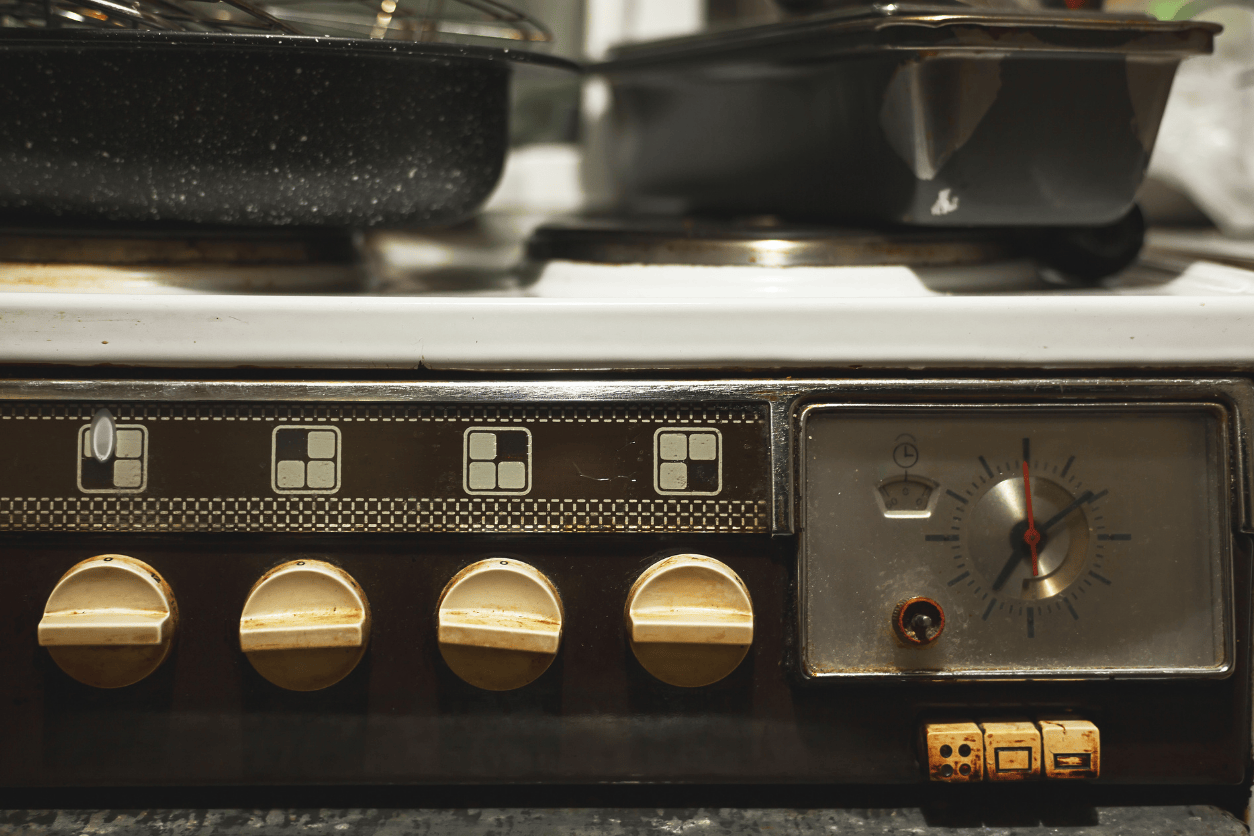
When an appliance breaks down, the easiest thing to do is replace it. That’s why millions of washers, fridges, and microwaves end up in landfills every year. But here’s the thing—most of them still have value. If you know what to do with old appliances, you might save money, make some, or at least keep useful materials from going to waste.
As Patrick from PartSelect, an online retailer that sells repair parts for household appliances, puts it: “Each year, literal tons of otherwise usable items end up in landfills, but it doesn’t have to be this way.” Sometimes a simple fix is all it takes to get another few years out of your machine. Other times, you’re better off selling, recycling, or salvaging parts instead of dumping them. Even if an appliance is done for, there are still smart ways to get rid of it without sending it straight to the junkyard.
Before you drag that old dishwasher to the curb, let’s talk options—because whether it’s repairable, resellable, or recyclable, your appliance is probably worth more than you think.

When to Repair Instead of Replace
If your appliance has suddenly stopped working, don’t assume it’s time for the landfill just yet. Repairs are often more cost-effective than buying a replacement, especially if you handle them yourself.
Patrick suggests following the 50% rule: “If you can repair a machine for 50% or less of the cost of the replacement, you should do so.” For example, if fixing your dryer costs $200 while a new one costs $600, keeping the old one running makes more financial sense. Many appliances, including refrigerators, washing machines, and ovens, can last over a decade with proper maintenance.
Many common repairs aren’t as complicated as they seem. Replacing a door seal, clearing a clogged drain hose, or swapping out a heating element can bring an appliance back to life. Even if you need to hire a technician, a one-time fix could buy you several more years of use.
That’s not just good for your wallet—it’s good for the planet. A working appliance that stays in use means less waste and fewer resources used to manufacture a replacement.
When It’s Time to Say Goodbye
Even the most reliable appliances won’t last forever. Eventually, keeping them running might not be worth the effort. If you’re constantly calling a repair technician, it may be time to cut your losses.
Patrick lays out a key warning sign: “If your appliance is probably less energy efficient than much newer models, any savings you make from repairing it are likely being eaten up by your energy bill.” Old refrigerators and dishwashers, for example, can be power-hungry compared to newer, energy-efficient options.
Another clear indicator is safety. “If any of your appliances or electrical items emit smoke when operating, it’s time to toss them too,” Patrick warns. Some issues, like faulty wiring or motor failures, can pose serious fire hazards. In these cases, repairing isn’t just impractical—it’s dangerous.
What to Do With Old Appliances
Once you’ve decided to part ways with an appliance, you have several options besides throwing it in the trash. Many old appliances still hold value, even if they no longer work perfectly.
Sell or Donate If It’s Still Functional
If your appliance is in working condition, someone else might need it. Websites like Facebook Marketplace, Craigslist, and OfferUp are great places to list used appliances. Even if it has minor issues, a handyman or DIY enthusiast may be willing to buy it at a discounted price.
For those who’d rather give than sell, consider donating. “For smaller appliances and electronics, consider donating them to local charities and thrift shops,” Patrick suggests. Organizations like Goodwill, Habitat for Humanity ReStores, and local shelters often accept appliances in usable condition.
Recycle When It’s Truly at the End of Its Life
If your appliance is truly done for, recycling is your best bet. The materials inside—metals, plastics, and electronic components—can often be reused instead of ending up in a landfill.
“Some local gas and electric companies offer free pickup for older appliances and may even include a rebate check to encourage people to upgrade to more energy-efficient appliances,” says Patrick. That means you might actually get paid to recycle an old fridge or AC unit.
For smaller appliances, check with local recycling centers or scrap yards. Many will take old microwaves, blenders, and coffee makers and strip them for usable materials. It’s better for the environment and often free (or even profitable).
How to Get the Most Value Before Disposing
Even broken appliances can be worth something if you know where to look. Before tossing an old item, check for salvageable parts.
Sell Individual Parts
Many appliances have components that are worth money on their own. Motors, circuit boards, doors, and even knobs can be sold online. Sites like eBay and specialty appliance parts marketplaces make it easy to list and sell used parts.
If you’re comfortable taking things apart, stripping your appliance for valuable pieces can be worth the time. Even if you don’t sell them yourself, some repair shops or recyclers will pay for functioning parts.
Contact Local Scrap Yards
Scrap yards pay for metal by weight, which means big appliances like refrigerators, stoves, and washers can fetch a decent amount. Prices fluctuate, but even a heavy washing machine can bring in some quick cash.
Before hauling your appliance to the scrap yard, check their requirements. Some places require you to remove non-metal parts (like glass doors or plastic trim), while others will take the whole thing as-is.
Trade It in for a New Model
Some retailers offer trade-in programs, especially for large appliances. If you’re buying a new fridge or washing machine, ask the store if they’ll haul away the old one for free or give you a discount.
While this won’t make you rich, it saves you the trouble of disposal—and in some cases, it helps offset the cost of your new purchase.
Decades of Combined Expertise
Best Buy Guidebook is a culmination of online publishing lessons learned. From SEO to paid ads, our team has experienced the highest of highs and the lowest of lows. Our goal now is simple: Arm readers with the most information possible.