
The Best Ways to Care for Pink Tulips in Every Stage of Growth

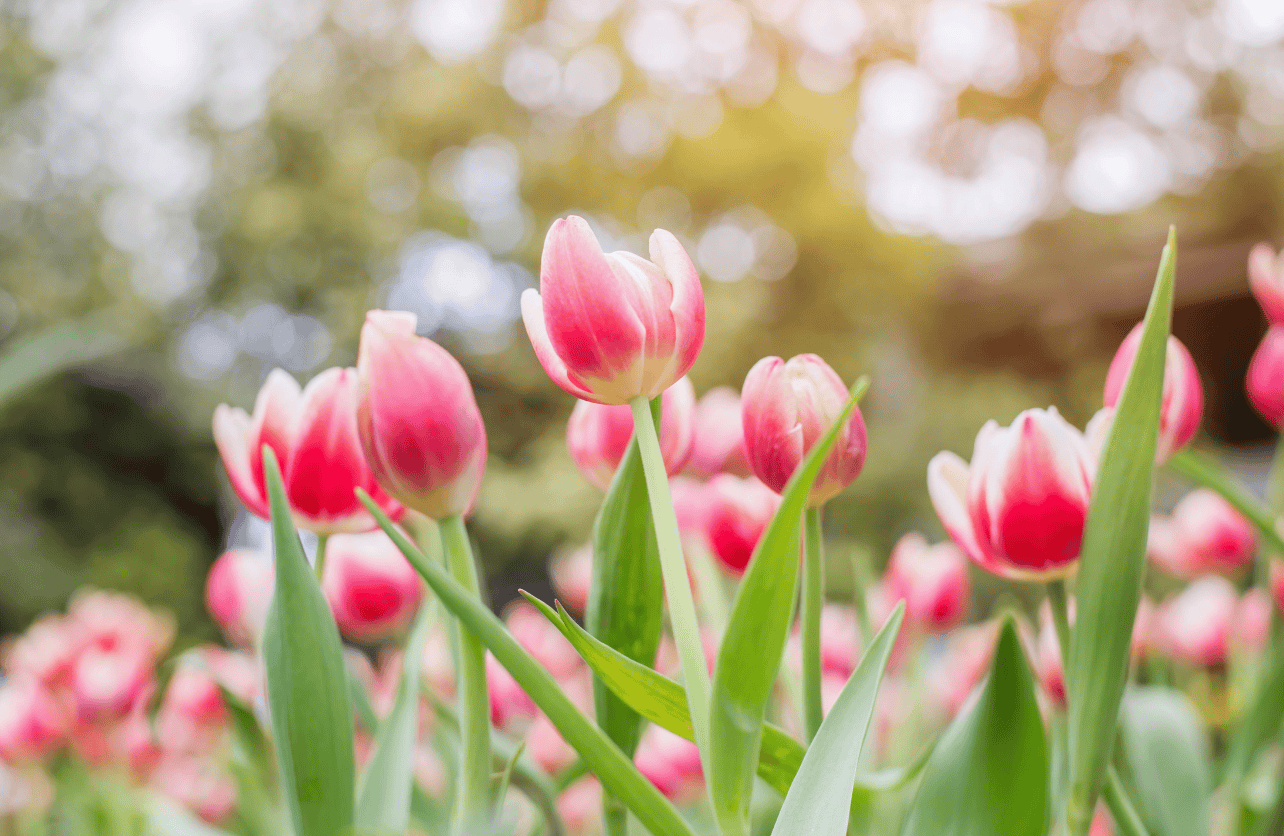
Spring is on its way, and with it the vibrant return of tulips. Few flowers capture the essence of the season quite like these elegant blooms. Their arrival signals the end of winter’s dormancy and adds bursts of color to gardens, window boxes, and even simple bouquets on a kitchen table. And if you have grown in pots or flower beds, the combination of white and pink tulips is something you can’t get tired of looking at. But their beauty isn’t effortless—proper care ensures they bloom year after year, whether in a pot, a flower bed, or freshly cut in a vase.
Tulips require just the right balance of attention. From planting bulbs in the fall to ensuring they thrive through spring and beyond, small details make a big difference. When to plant, how much water they need, and what to do after they bloom—these steps all contribute to a flourishing display. This guide will help you cultivate a garden filled with healthy, vibrant blooms that truly embody the spirit of spring.
How to Grow Tulips in Flower Beds
Pick the Best Bulbs for Healthy Growth
A strong start begins with high-quality bulbs. Look for ones that are firm, plump, and free from blemishes or soft spots. Bigger bulbs typically yield bigger, more vibrant flowers. If buying in bulk, ensure they come from a reputable source—weak or diseased bulbs simply won’t perform well.
When and Where to Plant Tulip Bulbs
Tulips require a cold dormancy period to bloom properly. The best time to plant them is in the fall, about six to eight weeks before the first hard frost. This allows them to establish roots before winter sets in.
“Planting fall bulbs is one of my favorite things to do,” says Lou Manfredini, Ace’s Home Expert. “You do a little planting before the ground freezes… but you don’t want to do it too soon because you don’t want the bulbs to heat up and potentially rot because the soil temperature is too high.”
If you live in a warmer climate, you may need to pre-chill bulbs in the refrigerator for about 12 weeks before planting. Choose a sunny location—tulips need at least six hours of sunlight daily—and avoid low-lying spots where water tends to collect.
How to Prepare Your Soil and How to Plant
Tulips thrive in loose, well-draining soil with a slightly acidic to neutral pH (6.0-7.0). Before planting, work compost or well-rotted manure into the soil to improve fertility and drainage.
Using the right tools can make planting easier. “I really like using a bulb planter,” Manfredini explains. “It makes quick work of digging and putting the hole in there for planting your bulbs.” The ideal planting depth is 6 to 8 inches, with bulbs spaced 4 to 6 inches apart.
Once planted, a layer of mulch helps retain moisture and keeps pests at bay. “The mulch… helps keep the moisture down there and also helps keep the scent away from squirrels or chipmunks who are gonna want to try and dig that up,” Manfredini advises. Additionally, deterrents like Shake Away, which mimic predator scents, can prevent rodents from disturbing the bulbs.
Water thoroughly after planting, then let nature take over until spring. These simple steps set the foundation for a healthy, vibrant bloom season.
View this post on Instagram
How to Grow Tulips in Pots
Choose the Right Pot and Soil
When growing tulips in containers, drainage is key. “Tulips like good drainage,” says Naomi Jones, horticulturist at Farmer Gracy. “When you choose your pot, it’s important to choose one with a drainage hole in the bottom.” Opt for lightweight, well-draining compost rather than heavy garden soil, which can lead to compacted roots and poor growth.
How to Plant Tulip Bulbs in Pots
“The best time to plant tulips is around October or November,” Jones advises. “They’ll sit dormant in the soil throughout winter and then begin to bloom once the soil starts to warm in the spring.”
Fill your pot halfway with compost, place bulbs about five centimeters apart (pointy side up), then cover them with more compost until the pot is about 20 centimeters deep.
How to Water Your Tulip (And Seasonal Care)
Tulips in pots require careful watering. “Plenty of moisture in the air will start to rehydrate them,” explains Jones. “The soil is damp, and through the winter, it’ll rain and snow and the cold will actually activate them into growth.” As spring arrives, keep the pot in a sunny location and avoid overwatering, which can lead to bulb rot.
How to Care for Tulips in Bouquets
The Best Way to Cut Tulips for a Vase
To maximize vase life, cut tulips early in the morning when they are well-hydrated. Use sharp scissors or pruning shears and make a clean diagonal cut to help the stems absorb water efficiently.
How to Keep Cut Tulips from Drooping
Tulips continue to grow after being cut, which can sometimes cause them to bend. To keep them upright, place them in a vase with fresh, cool water and trim the stems every couple of days. Keeping them away from direct sunlight and drafts also helps.
How to Extend the Life of Tulip Bouquets
Adding a floral preservative or a teaspoon of sugar to the water can help tulips stay fresh longer. Change the water every two days, and if stems become limp, wrap them in newspaper and place them in deep water for a few hours to help them stand upright again.
What to Do After Tulips Have Flowered
Deadheading and Trimming Techniques
Once tulips finish blooming, remove spent flowers by snipping just below the bloom. This prevents seed production, which saps energy from the bulb. However, leave the foliage intact until it turns yellow and dies back naturally.
Should You Leave Tulip Leaves or Cut Them?
It’s tempting to cut tulip leaves after flowering, but doing so weakens the bulbs. The leaves continue photosynthesizing, replenishing energy for the next year’s bloom. Wait until they are yellow before trimming them back.
How to Store Tulip Bulbs for Next Season
If you plan to replant tulips next year, dig up the bulbs after the foliage has died back. Let them dry in a well-ventilated space, then store them in a cool, dark place until fall. A mesh bag or paper sack prevents moisture buildup and mold.
When to Dig Up Tulips
Some gardeners opt to dig up tulip bulbs after the blooming season, especially in climates with wet summers. “Tulips really do not like that,” says Yuliya, a gardener and landscape designer. “They come from Central Asia where summers are more hot and dry, and if the bulbs stay too wet, they may rot.”
How to Dig Up and Store Tulips
Carefully dig around bulbs to avoid damage. “Avoid pulling on the stem to remove the bulb—it will most likely not happen,” Yuliya warns. Inspect bulbs for damage and discard any that are sliced or broken.
“The best way to store tulip bulbs is in cardboard boxes,” Yuliya advises. “Do not store them in plastic containers because there’s not enough air circulation, and air circulation is the name of the game here.”
Pink or White Tulips?
Choosing between pink and white tulips depends on the look you’re going for. Pink tulips symbolize affection, happiness, and elegance, while white tulips exude purity and simplicity. Mixing both can create a stunning contrast that showcases the best of both worlds.
With the right care, tulips reward you with a vibrant display each spring, making every effort well worth it. Whether in a garden, a pot, or a vase, these timeless flowers bring a touch of magic to any setting.
Decades of Combined Expertise
Best Buy Guidebook is a culmination of online publishing lessons learned. From SEO to paid ads, our team has experienced the highest of highs and the lowest of lows. Our goal now is simple: Arm readers with the most information possible.