
3 Low Light Indoor Plants That’ll Thrive in Your Home This Winter

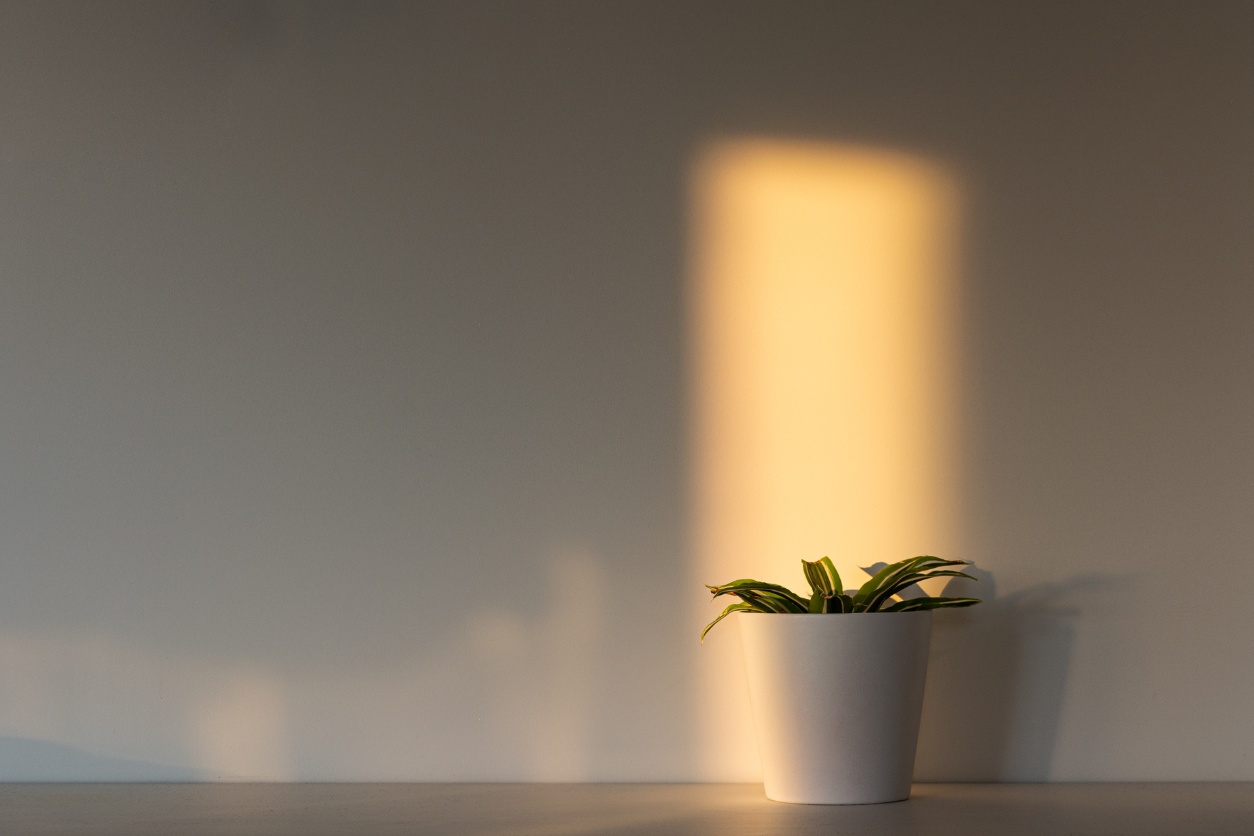
Low light indoor plants often seem like the mysterious, enigmatic cousins of the houseplant family—rumored to survive in corners that sunlight forgot, yet shrouded in misconceptions about what “low light” really means. Maybe you’ve recently fallen in love with the idea of transforming your dimly lit living room into a lush, green sanctuary, or maybe you’re just tired of your succulents giving up on life after a few weeks in your bathroom. Either way, figuring out which plants can thrive (not just survive) in lower light conditions is key to keeping your indoor jungle looking lively without the need to install grow lights everywhere.
But before we dive into the specifics, let’s clear something up: no plant can survive in total darkness. If you were picturing your Monstera setting up shop in a windowless closet, I hate to break it to you, but that’s not happening. Every plant needs some light to photosynthesize and stay alive. That being said, there’s a big difference between direct sunlight flooding a south-facing window and the subtle glow of ambient light reaching a north-facing corner. The beauty of low light indoor plants is that they’ve adapted to flourish in environments that mimic shady understories or dim forest floors, making them perfect for those trickier areas of your home.
Low Light Does Not Mean “No Light”
Before picking out your low light indoor plants, it’s worth taking a minute to really understand what “low light” means. Think of it like this: if you can sit in a room during the day and comfortably read a book without needing to squint or turn on a lamp, you’re working with low light. It’s the kind of soft, diffused light you’d find in a room with small windows or in corners where direct sunlight never quite makes it.
And here’s where things get a little tricky: just because a plant is labeled as “low light” doesn’t mean it’ll absolutely thrive in that environment. A snake plant, for instance, might survive in your darkest hallway, but don’t expect it to shoot up like Jack’s beanstalk. The trade-off for low light is often slower growth and, in some cases, smaller or less vibrant foliage. But if you manage your expectations and pick the right plants, they’ll reward you with plenty of greenery—even in spaces that feel more like a cave than a greenhouse.
When Low Light Isn’t Enough
Sometimes, even the hardiest low light plants might need a little boost, especially during darker winter months or in rooms with no natural light at all. That’s where grow lights come in. While they’re not strictly necessary for most low light plants, adding a grow light can help keep your greenery healthy and encourage growth in spaces that are otherwise too dim.
LED grow lights are a great option because they’re energy-efficient, and many come in designs that blend seamlessly into your home décor. You don’t need anything fancy—just a simple clip-on or tabletop model can make a big difference.
Best Low Light Indoor Plants
When it comes to hardy, low light options, these plants are the MVPs of the houseplant world. Not only can they tolerate shadier spots, but they also tend to be forgiving if you forget to water them occasionally or don’t quite nail the care routine.
1. Snake Plant (Sansevieria)
Let’s start with the classic. Snake plants are practically indestructible and famously low-maintenance, thriving in spaces with minimal light and attention. Their upright, architectural leaves make them a great choice for adding vertical interest to a room, and they’re particularly useful for areas like bedrooms, thanks to their reputation for improving air quality.
However, just because a snake plant can survive in low light doesn’t mean it wouldn’t appreciate a brighter spot. If you want yours to grow faster, try moving it closer to a window every now and then, and make sure not to overwater—it’s one of the few ways you can actually kill this resilient plant.
2. ZZ Plant (Zamioculcas zamiifolia)
The ZZ plant is another superstar in the world of low light indoor plants. With its waxy, emerald-green leaves that seem to shine even in dim conditions, this plant can easily add a touch of elegance to darker corners. It’s a slow grower, but that just means less frequent repotting and less chance of it taking over your shelf space.
One of the reasons the ZZ plant does so well in low light is its ability to store water in its rhizomes, which are kind of like underground storage tanks. This means you don’t need to worry about watering it constantly, but when you do, make sure the soil dries out completely between drinks—root rot is a common issue if you’re too generous with the watering can.
3. Pothos (Epipremnum aureum)
If you’re looking for a trailing plant that can bring some life to a shadowy bookshelf or cascade gracefully from a hanging basket, pothos is your plant. Often referred to as “devil’s ivy” because it’s so hard to kill, this vining beauty can adapt to just about any indoor lighting situation.
While it won’t grow as fast or develop the same variegation in low light as it would in brighter conditions, its lush green leaves will still brighten up your space. Plus, it’s ridiculously easy to propagate, so once your pothos gets going, you’ll have endless cuttings to share with friends—or just to fill every other low light spot in your home.
Care Tips for Low Light Indoor Plants
Now that you’ve picked out your new plant babies, it’s time to talk care. Just because these plants can tolerate lower light doesn’t mean you can forget about them entirely. Think of it as a partnership—they’ll adapt to your home, but they’ll also need a little help along the way.
Don’t Overwater Low Light Indoor Plants
One of the biggest mistakes people make with low light plants is overwatering. Because these plants are often growing in conditions where photosynthesis (and therefore water usage) is slower, they don’t need as much water as their sun-loving counterparts. Always check the soil before watering, and if it’s still damp from the last time, give it a few more days.
Keep Them Humid
Many low light indoor plants come from tropical environments where humidity levels are naturally high. If your home tends to be on the dry side, especially in winter, a small humidifier can make a world of difference. Alternatively, grouping plants together or placing a tray of water near them can help create a mini humidity bubble.
Rotate and Dust
Even in low light, plants will naturally lean toward their light source, which can lead to lopsided growth over time. To keep them looking balanced, rotate your plants every few weeks. And while you’re at it, give their leaves a gentle wipe with a damp cloth—dust can block what little light they’re getting and make it harder for them to photosynthesize effectively.
Decades of Combined Expertise
Best Buy Guidebook is a culmination of online publishing lessons learned. From SEO to paid ads, our team has experienced the highest of highs and the lowest of lows. Our goal now is simple: Arm readers with the most information possible.