
The Best Way to Mow Your Lawn to Prevent the Spread of Weeds

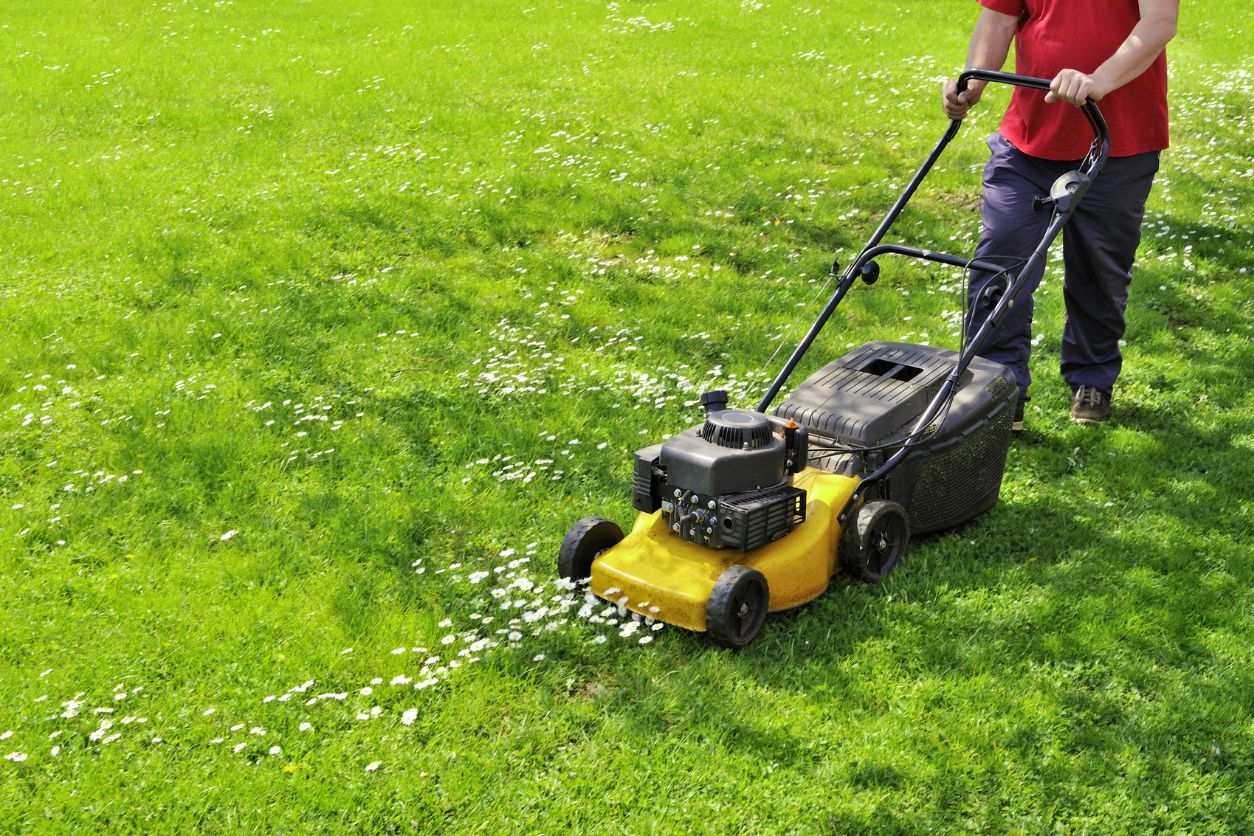
If you have a healthy lawn, you know it sets the tone for everything around it. But keeping it that way takes more than watering and a bag of fertilizer. It often comes down to something most folks treat as a chore: mowing. If you don’t know how to mow a lawn, you risk weakening the grass and giving weeds exactly the kind of opening they need.
Mowing isn’t just about trimming things down, it’s where your lawn either gains resilience or starts to lose it. Grass is a living system, and when it’s cut the right way, it responds by thickening, anchoring deeper, and pushing out invaders. But small missteps chip away at its defenses.
How to Mow a Lawn to Prevent the Spread of Weeds
Below you’ll find simple, effective mowing habits that strengthen your lawn and make it harder for weeds to take root.
Choose the Right Mowing Height
Grass thrives when it’s allowed to grow tall enough to do its job. Too-short cuts don’t just look harsh, they rob the grass of energy. Photosynthesis happens in the blade, not the root, and when you take off too much, the whole system suffers.
Most grasses do well when kept between 2.5 and 3.5 inches tall. This height shades the soil, cools it down, and keeps sunlight from activating dormant weed seeds. Lower than that, and you’re inviting in crabgrass, spurge, and whatever else is lurking beneath the surface.
Follow the One-Third Rule
No matter how tempting it is to play catch-up after skipping a mow, avoid taking off more than one-third of the blade at once. Cutting too much in one go sends the grass into recovery mode and exposes bare soil underneath—prime ground for weeds to move in.
Spacing out your mows and following this rule keeps stress low and density high. In a pinch, raise the mower deck and take it down gradually over two passes rather than one aggressive cut.
Sharpen Your Mower Blades
Dull blades tear grass instead of cutting it cleanly. Torn blades dry out, turn brown, and become more vulnerable to disease and weed encroachment.
It’s worth checking the blades at the start of each season. If they’re nicked or blunt, give them a sharpening or replace them. Sharp blades mean clean cuts, faster recovery, and better turf health all around.
Mulch Smart, Bag When Needed
There’s a time to mulch and a time to bag. In general, mulching clippings helps return nitrogen to the soil and supports moisture retention. But when weeds are flowering or seeding, it’s best to bag.
If you mow right through blooming dandelions, those seeds don’t disappear—they just get a free ride across your yard. The same goes for thistle, plantain, and other stubborn species. If you spot them before mowing, either hand-pull or mow with the catcher on.
Also, make it a habit to check the underside of the mower. Seeds and debris build up under the deck, especially if you mow different zones or help neighbors out. Give it a rinse or quick brush between sessions.
Rotate Your Mowing Pattern
Mowing in the same direction every week can lead to compacted soil and blades that lean one way. That starts to thin out growth and create tiny ruts—small, but perfect for weeds to find a foothold.
Changing the pattern each time—diagonal one week, vertical the next—helps the grass grow upright and keeps the soil from getting worn down unevenly. It’s a simple shift that adds up over a season.
Mow Based on Growth, Not Habit
Grass doesn’t grow on a fixed schedule. During spring and rainy periods, it can take off fast. In summer heat, growth slows. Adjust your mowing rhythm accordingly. Waiting too long forces a deeper cut, which stresses the lawn and opens the door to problems.
Watch for signs, like the grass folding over at the tips or uneven patches forming. Those are better indicators than any weekend routine.
Don’t Forget the Edges
Weeds tend to settle near the edges—fence lines, garden borders, sidewalks. These spots are often trimmed less frequently or missed altogether. They also collect wind-blown seeds.
A quick trim after mowing keeps these areas in check. Edges that stay short and tidy don’t offer weeds a safe harbor. It only takes a few minutes, but it tightens up the lawn’s perimeter and keeps the overall look clean and weed-resistant.
Feed and Mow in Tandem
Mowing sets the stage, but a well-fed lawn is what makes it strong enough to take full advantage. Nutrient-rich grass rebounds from cuts more quickly, thickens out faster, and resists weed invasion on its own. Spring and fall feedings, done with the right balance of nitrogen and potassium, support growth where it counts—both above and below the soil line. Paired with good mowing habits, feeding helps your lawn become its own best defense.
Decades of Combined Expertise
Best Buy Guidebook is a culmination of online publishing lessons learned. From SEO to paid ads, our team has experienced the highest of highs and the lowest of lows. Our goal now is simple: Arm readers with the most information possible.