
11 Vegetables You Should Be Planting This February

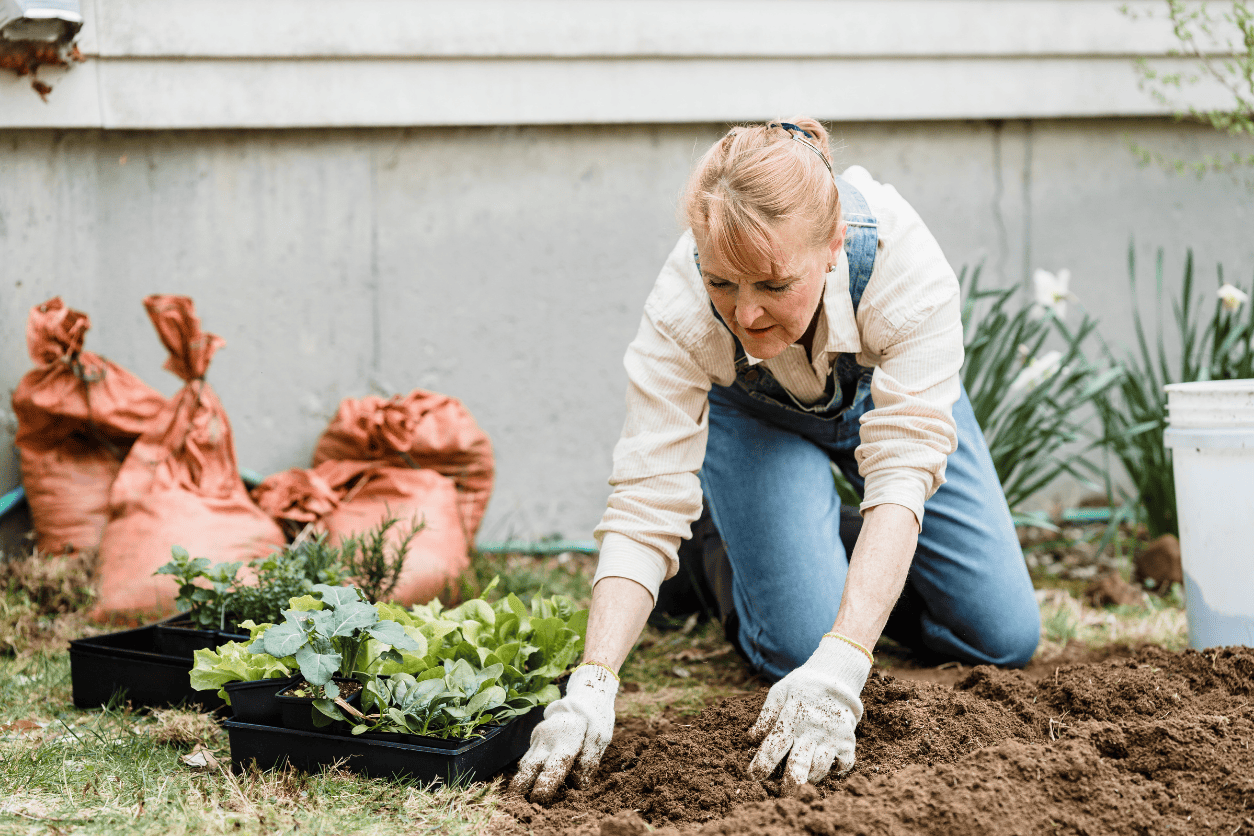
February might seem like a tricky month for gardening, but don’t let the lingering chill fool you. There are a number of plants and vegetables that you can plant right now whether you’re in a mild climate where winter is barely a suggestion or still dealing with frozen ground up north. If you’re wondering what to plant in February, the key is knowing your last frost date. “That’s what determines when you’re going to plant which vegetable,” says CaliKim of CaliKim Garden & Home DIY.
Too often, gardeners get impatient and rush outside, eager to start digging. But without a plan, that enthusiasm can backfire. If the ground is frozen or too cold for germination, you’re just wasting seeds. Some crops thrive in cooler temperatures and can go straight into the soil, while others need a head start indoors under grow lights. If you time things right, you’ll set yourself up for a strong spring garden instead of scrambling to catch up later.
Vegetables to Plant in February
Let’s dive into the 11 best vegetables you should be planting this month and what works best for each one.
1. Carrots
If you’re in a warmer region, now is a great time to direct sow carrots. These cool-weather roots grow best in temperatures between 50°F and 75°F, and they’re happiest in loose, well-draining soil. CaliKim points out, “What works best for me is to direct seed them right in containers. The soil is nice and loose, which allows for no obstructions and lets the roots grow easily.”
Carrots don’t like being transplanted, so starting them indoors usually leads to disappointment. Instead, sprinkle the seeds over the soil, lightly cover them, and keep the area moist until they germinate. If you’re in a colder climate and your soil is frozen solid, don’t force it—just wait until the ground is workable.
2. Beets
Beets love cool weather but need to be planted early. If you wait too long, you’ll end up with plenty of leaves but barely any roots. “Timing is really important with beets,” says CaliKim. “You want to plant them now while the weather is still cool so they have enough time to develop before it warms up.”
To improve germination, soak beet seeds in warm water overnight before planting. These little seed pods actually contain multiple seeds, so be prepared to thin them out once they sprout. If your soil is too dense or rocky, consider planting in raised beds or containers for smoother root development.
3. Arugula
Arugula is one of those vegetables that practically grows itself. It doesn’t need fancy soil, doesn’t take up much space, and germinates quickly. If you plant now, you’ll be harvesting within a month. “We probably have it every day in scrambled eggs, on sandwiches, or in stir-fries,” CaliKim shares.
The key to success is planting while temperatures are still mild. Once it gets above 75°F, arugula bolts—meaning it shoots up flowers and turns bitter. Northern gardeners should wait until they can work their soil, but those in warmer regions should get arugula in the ground now before the heat creeps in.
4. Peas
Peas are one of the first crops you should get into the ground. They can handle frost and prefer cool weather, making February an ideal time to plant them. If your ground is still frozen, start peas indoors in seed trays and transplant them as soon as the soil thaws. “A lot of people think you can’t start peas from seed indoors, but you actually can,” says CaliKim.
For direct sowing, plant them about an inch deep and give them something to climb—whether it’s a trellis, fence, or even a string setup. If timed right, you’ll be harvesting in about two months.
5. Lettuce
Lettuce is a quick-growing crop that thrives in cool weather. It doesn’t need deep soil, so you can plant it in garden beds, containers, or even small patches of bare ground. The trick is getting it in the ground early enough before temperatures rise above 75°F.
If you’re in a colder area, start seeds indoors about four weeks before your last frost date. When planting, just barely cover the seeds—lettuce likes light to germinate. Keep the soil moist, and in just a few weeks, you’ll be harvesting fresh greens.
6. Spinach
Like lettuce, spinach loves cool temperatures and bolts when it gets too hot. It doesn’t mind a little frost. In fact, cold weather makes it even sweeter. Direct seed it now in loose soil and keep it well-watered. If your ground is frozen, start it indoors and transplant once the weather cooperates.
7. Kale
Kale is one of the most resilient greens you can grow in this month. It handles frost like a champ, and some varieties even taste better after a cold snap. It’s easy to grow from seed and doesn’t need much maintenance. CaliKim reminds gardeners, “Kale is one of those greens that takes the heat really well too.”
Plant seeds about half an inch deep, water consistently, and thin them out as they grow. You’ll be harvesting leaves in no time.
8. Onions
Onions need a long growing season, so February is the time to start them—especially if you’re growing them from seed. “What works for onions is to start them really early,” says CaliKim.
Depending on your region, choose the right type:
- Long-day onions for northern states
- Short-day onions for southern states
- Day-neutral onions if you’re somewhere in between
If starting indoors, plant seeds in trays and keep them warm. If you’re in a warmer climate, you can directly seed them now.
9. Cilantro and Parsley
Both of these herbs love cool weather and struggle in the heat. They’re notorious for slow germination, so take extra steps to speed things up. “With cilantro, I crush the seeds a bit before planting to help them sprout faster,” says CaliKim.
For parsley, soaking seeds overnight in warm water helps. If you’re in a mild climate, plant them outside now. If you’re still dealing with winter, start them indoors and transplant them later.
10. Tomatoes
Tomatoes are warm-weather plants, but if you’re starting from seed, February is the time to do it—indoors, that is. These plants need 8–10 weeks before they’re ready to go outside. “What doesn’t work is just planting them in seed trays and expecting them to grow well in a cold house,” CaliKim warns.
For best results, use a heat mat to keep the soil warm (between 70°F and 85°F). Once seedlings are sturdy and the weather has warmed up, move them outside.
11. Peppers and Eggplant
Like tomatoes, peppers, and eggplants thrive in warm conditions, so they need to be started indoors now. These crops take their time, so getting a head start is crucial. Keep them warm under grow lights, and don’t rush to plant them outside—wait until your last frost date has passed.
Decades of Combined Expertise
Best Buy Guidebook is a culmination of online publishing lessons learned. From SEO to paid ads, our team has experienced the highest of highs and the lowest of lows. Our goal now is simple: Arm readers with the most information possible.