
6 Fabric Softener Alternatives That Work Just as Well (And You Likely Have Them at Home)

Running out of fabric softener can be oddly frustrating, especially when you’re halfway through laundry day with a basket full of damp clothes and zero motivation to head back to the store. What do you do now? Make a trip while you’re tired to your last bone? Or just skip it and settle for stiff, scratchy towels and static-filled shirts?
Maybe there’s a third option—something already in your kitchen or cleaning cabinet that can step in and get the job done. The truth is, you don’t always need a commercial product to soften fabric. Some of the best fabric softner alternatives are simple, everyday items that not only work just as well, but often come with added perks: fewer chemicals, less residue, and less money spent over time.
Fabric Softener Alternatives
If you’re looking for backup options, here are six worth trying.
1. White Vinegar
White vinegar might already be your go-to for cleaning floors or freshening the dishwasher, but it also happens to be one of the most effective fabric softeners around. Just pour about 1/4 to 1/2 cup into the machine’s softener compartment. It works by breaking down detergent residue, which is often the culprit behind stiff, scratchy laundry.
Despite how it smells straight out of the bottle, vinegar leaves laundry smelling clean, not acidic. It’s a practical solution, especially if you’re washing for sensitive skin.
2. Baking Soda
Baking soda does more than absorb fridge smells—it softens laundry by balancing the pH level of the water. This gentle shift helps loosen fibers just enough to leave clothes feeling fresher and less stiff.
A half cup tossed directly into the drum at the beginning of the wash usually does the trick. It’s a good choice for people who want something unscented and simple. And while it doesn’t replace the anti-static function of a dryer sheet, it still makes a noticeable difference in overall texture.
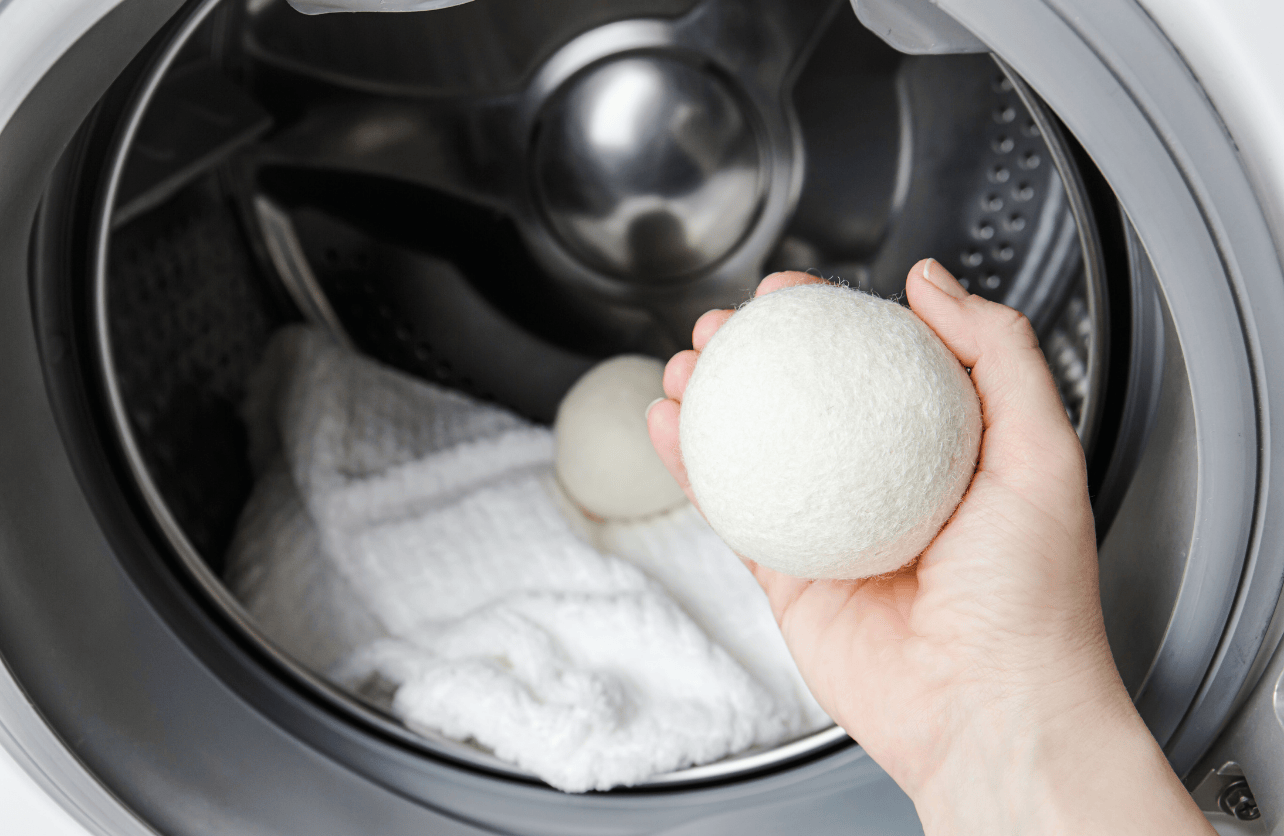
3. Wool Dryer Balls
For those using a dryer, wool dryer balls are a small investment that pays off quickly. These reusable balls bounce around with your laundry, separating items and helping air move through more efficiently. That cuts down on drying time and keeps fabrics from clumping, which naturally reduces stiffness.
They’re scent-free by default, but you can add a drop or two of essential oil if that’s your thing. What stands out most is their longevity—these balls last for hundreds of loads and do their job without any waste. It’s a no-fuss way to skip both dryer sheets and liquid softeners.
4. Epsom Salt and Baking Soda Blend
This DIY mix is easy to make and surprisingly effective. Combine one part Epsom salt with two parts baking soda, and if you’d like, add a few drops of essential oil for fragrance. Store it in a sealed jar, and use about 1/4 cup per load.
The Epsom salt works as a softener, while baking soda helps neutralize odors and soften fabric. It’s a nice option if you’re after a more customizable approach—one where you get to decide exactly what goes into your laundry routine.
5. Conditioner and Vinegar Mix
This one sounds odd at first, but hear it out: a mild, silicone-free conditioner mixed with vinegar and water creates a smooth, homemade softener that’s surprisingly close to the store-bought kind. The usual mix is 2 parts conditioner, 3 parts vinegar, and 6 parts water. Shake before each use and add it to the softener compartment.
6. Air-Drying With a Little Help
Air drying doesn’t have to leave clothes stiff, especially if you know how to work with it. Give clothes a good shake before hanging them, and once they’re mostly dry, toss them in the dryer on a no-heat cycle for five to ten minutes. That quick tumble can help restore softness without using any softener at all.
Pair this method with vinegar or baking soda in the wash, and the results are even better. It’s a small shift in routine that makes air drying feel less like a compromise and more like a smart, low-effort win.
Decades of Combined Expertise
Best Buy Guidebook is a culmination of online publishing lessons learned. From SEO to paid ads, our team has experienced the highest of highs and the lowest of lows. Our goal now is simple: Arm readers with the most information possible.