
The Little-Known Truth About Clothes Shrinking in the Wash

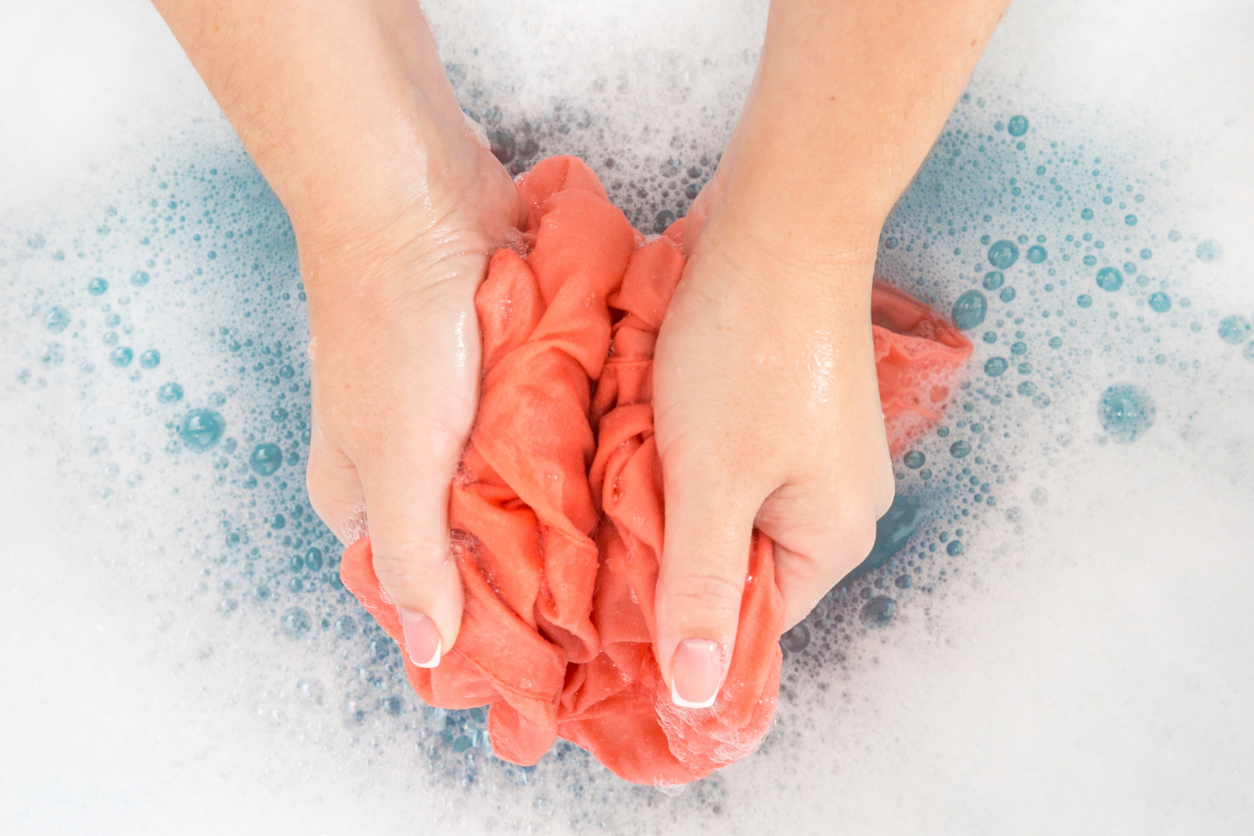
Many of us have experienced that moment of horror when our favorite shirt or sweater suddenly becomes a size too small after a laundry cycle. The question that often follows is: does warm water shrink clothes? It’s one of those laundry myths that we often hear but aren’t quite sure about. The truth is, yes, warm water can cause clothes to shrink, but it’s not the sole reason why fabrics change size during washing.
In this article, we’ll explore the different factors that contribute to shrinking, what actually happens during the wash cycle, and how to prevent it from happening.
Does Warm Water Shrink Clothes?
The first thing to understand is how heat affects fabric fibers. When you wash clothes in warm water, the fibers—especially natural ones like cotton and wool—expand and contract. This means that warm water can cause those fibers to lose their shape and structure and lead to shrinkage. However, it’s important to note that the temperature of the water is not the only factor at play.
In addition to water temperature, the agitation during the wash cycle also contributes to how much shrinkage occurs. The more movement your clothes go through in the washer, the more likely they are to shrink. That’s why delicate fabrics like wool are often hand-washed in cold water to minimize the risk of damage and shrinkage. On the other hand, synthetic fabrics like polyester tend to be more resistant to shrinking because they don’t react the same way to heat as natural fibers do.
So, while warm water does contribute to shrinkage, it’s the interaction between the heat, moisture, and movement that really causes those size-altering effects.
The Role of Drying in Shrinking Clothes
Many of us are in the habit of tossing clothes straight into the dryer after washing, thinking it’s a quick fix. However, the dryer is often the biggest culprit when it comes to shrinking clothes. The intense heat inside a dryer can cause fabrics to shrink much more than they would after washing alone. If you’re using high heat to dry your clothes, that’s when the real shrinking happens.
Even though the washing process sets things in motion, it’s in the dryer that the fibers get the full brunt of heat. While air drying your clothes can prevent this, not everyone has the time or space to do so. If you must use a dryer, consider lowering the heat setting or, better yet, remove clothes while they’re still a little damp and finish drying them on a clothesline. This reduces the exposure to heat, giving your clothes a better chance of keeping their size.
If you’ve ever had that wool sweater shrink from a relaxed fit to something that barely fits, it’s probably because of the dryer’s high heat. Even though some materials may handle a dryer better than others, it’s generally best to treat clothes with care during both washing and drying.
How to Prevent Clothes from Shrinking
The good news is that there are steps you can take to prevent your clothes from shrinking, even if warm water is a factor. Here are a few practical tips:
Read Care Labels Carefully
Always check the care label on your clothes to see if there are any specific washing or drying instructions. Some fabrics, like wool and silk, require special care to prevent shrinkage.
Wash With Cold Water
Cold water is much gentler on fabrics than warm or hot water, especially when it comes to preventing shrinkage. It doesn’t cause the fibers to expand and contract as much, which helps your clothes maintain their shape.
Use a Gentle Cycle
The less agitation, the better. Fabrics like wool, cotton, and linen can shrink if they’re jostled too much in the washer. Choose a gentle or delicate cycle to reduce movement and keep things as smooth as possible.
Avoid High Heat in the Dryer
If you do use a dryer, make sure to set it to a low or medium heat setting. High heat is the main cause of shrinkage during the drying process, so it’s best to avoid it when possible.
Air dry when possible
If you have the time, air drying is your best bet to avoid shrinkage. Lay clothes flat or hang them up to dry naturally, keeping them out of the heat entirely. This is especially important for delicate fabrics like wool or cashmere.
By following these tips, you can significantly reduce the chances of your clothes shrinking, whether you’re using warm water or not.
What Fabrics Are Most Susceptible to Shrinking?
Knowing which fabrics are more prone to shrinking can help you adjust your laundry routine accordingly. Natural fibers are the most susceptible to shrinkage. If your clothes are made from materials like cotton, wool, or linen, expect them to shrink more often than synthetic fabrics. Here’s a breakdown of how different fabrics react to washing and drying:
Cotton
Cotton is notorious for shrinking. If you’ve ever bought a cotton t-shirt that shrank a size after the first wash, you know exactly what I mean. While some cotton garments are pre-shrunk, they can still shrink more with repeated washing and drying.
Wool
Wool is another fabric that can shrink dramatically, especially when exposed to heat. Washing wool on a delicate cycle with cold water can help prevent it from shrinking.
Linen
Like cotton, linen fibers tend to shrink when exposed to heat and moisture. If you love linen clothing, it’s essential to follow the care instructions to avoid shrinkage.
Decades of Combined Expertise
Best Buy Guidebook is a culmination of online publishing lessons learned. From SEO to paid ads, our team has experienced the highest of highs and the lowest of lows. Our goal now is simple: Arm readers with the most information possible.