
9 Spots in Your Bathroom You’re Not Cleaning

Let’s face it—cleaning the bathroom isn’t exactly the highlight of anyone’s week. It’s the kind of chore we’d all rather breeze through, focusing on the obvious spots like the toilet bowl and sink. But here’s the thing: bathrooms are sneaky. Dirt, grime, and bacteria love to hide in plain sight, clinging to those overlooked corners you don’t think twice about. And as much as we’d all like to pretend otherwise, those spots can really build up.
You know the drill. The shower gets a rinse, the mirror gets a quick wipe, and the floor gets a mop. Done, right? Well, not quite. There’s more lurking in your bathroom than meets the eye, and ignoring those hidden grime magnets can actually make your space feel less fresh, no matter how clean it looks on the surface. Don’t worry—it’s not about spending hours scrubbing every inch of tile. With a little know-how and the right tools, tackling those forgotten areas becomes manageable. Let’s dig into the spots you’re missing and why giving them attention can make all the difference.
The Shower Curtain
Shower curtains are like sponges for bacteria and mildew. According to one study, they can harbor 60 times more bacteria than your toilet seat (let that sink in). The constant moisture creates the perfect environment for mold and grime to thrive. Even if yours isn’t directly exposed to water, it’s still close enough to collect airborne particles and germs.
Here’s how to handle it: toss your shower curtain in the washing machine with a towel. The towel works as a scrubber, giving the curtain an extra boost of cleaning power. Add some baking soda for good measure if there’s visible grime. And if you’ve got a plastic liner? A quick soak in warm, soapy water should do the trick.
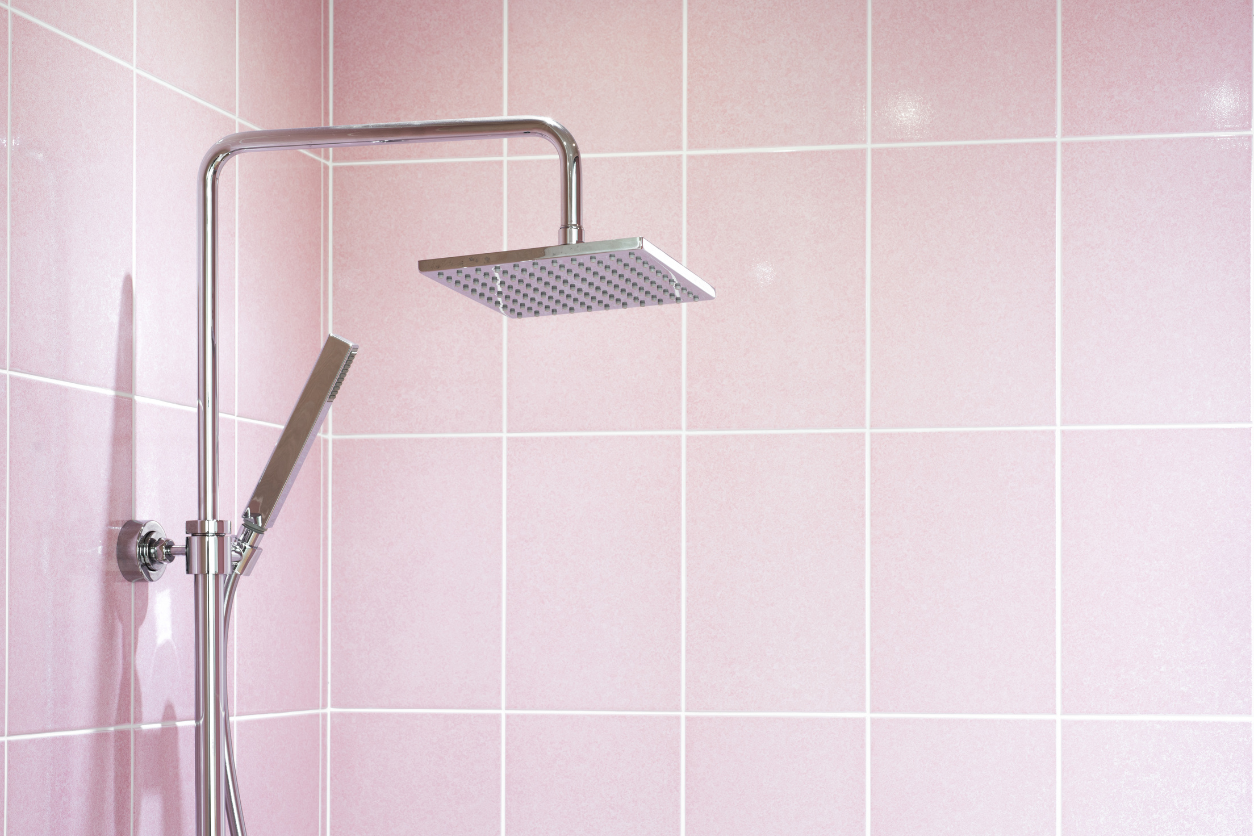
The Shower Head
If you’re noticing weaker water pressure or uneven spray, chances are your shower head is clogged with limescale. This buildup not only affects performance but also provides a breeding ground for bacteria.
Here’s how to handle it: All you need is a plastic bag, white vinegar, and a rubber band. Fill the bag with vinegar, submerge the shower head, and secure it with the band. Let it sit for about 30 minutes (less if it’s brass), then rinse it off and run the water to flush out any leftover residue. You’ll be amazed at how much cleaner—and shinier—it looks.
Behind the Toilet
We all know the toilet itself needs regular attention, but how often do you clean the area behind it? It’s a prime spot for dust, hair, and—you guessed it—bacteria. And because it’s hard to reach, it’s easy to ignore.
Here’s how to handle it: Grab a microfiber cloth and your favorite disinfectant spray. Wrap the cloth around a long-handled tool (like a Swiffer or a ruler) to reach those tight corners. It’s a quick job that makes a noticeable difference in how fresh your bathroom feels.
The Bathroom Fan
Your bathroom fan works hard to keep moisture levels down, but it’s also a magnet for dust and grime. Over time, that buildup can reduce its efficiency—and make the air feel stale.
Here’s how to handle it: Turn off the fan, remove the cover, and give it a thorough cleaning. A Q-tip works wonders for getting into those tiny crevices, while a damp cloth will handle the rest. For the fan blades, use a vacuum attachment to suck up the dust before wiping them down.
Light Fixtures
When was the last time you looked up at your bathroom light fixtures? Dust and grime on the glass can actually dim the light, making your bathroom look duller than it needs to.
Here’s how to handle it: Take down the glass covers (if removable) and wash them with warm, soapy water. While you’re at it, wipe down the bulbs and any metal parts with a damp cloth. Just make sure the bulbs are cool before you start cleaning.
Bathroom Drawers and Cabinets
If you’re like most people, your bathroom drawers are home to everything from toothpaste and floss to hair ties and makeup. Over time, those drawers collect dust, hair, and even product residue.
Here’s how to handle it: Empty the drawers completely and wipe them down with a damp cloth. If you’re feeling extra organized, use small bins or dividers to keep everything tidy and easy to clean in the future.
The Grout
Grout lines are often overlooked during regular cleaning, but they’re one of the first places to show dirt and discoloration. Whether it’s the shower or the floor tiles, stained grout can make an otherwise clean bathroom look dingy.
Here’s how to clean grout: Try a mixture of equal parts vinegar and water for regular maintenance, or use a gentle hydrogen peroxide solution for tougher stains. Apply with an old toothbrush, scrub lightly, and rinse thoroughly.
Towel Racks and Hooks
Towel racks and hooks are easy to overlook because they don’t seem dirty at first glance. But think about it: they’re constantly in contact with damp towels, which means they’re also hosting bacteria and mildew.
Here’s how to handle it: A quick wipe-down with a disinfectant spray should do the trick. And while you’re at it, make sure to rotate or wash your towels regularly to keep everything fresh.
Floors and Baseboards
While most people remember to mop the bathroom floor, the baseboards often get skipped. Dust and grime collect there over time, creating an invisible layer of filth that can make the whole room feel less clean.
Here’s how to handle it: Use a vacuum attachment to suck up dust, then wipe the baseboards with a damp cloth. It’s a small step that makes a big difference.
Bonus Tip: Reseal Where It CountsAfter a deep clean, take a moment to inspect areas like the base of the toilet or the edges of your shower. Over time, these seals can loosen, allowing water to seep in and cause mildew or damage. Use a waterproof sealant to reinforce any weak spots. It’s an easy DIY project that helps keep your bathroom in top shape—and saves you from bigger problems down the line. |
By giving these overlooked spots the attention they deserve, you’ll not only improve the overall cleanliness of your bathroom but also make it feel fresher and more inviting. After all, a truly clean bathroom is all about the details.
Decades of Combined Expertise
Best Buy Guidebook is a culmination of online publishing lessons learned. From SEO to paid ads, our team has experienced the highest of highs and the lowest of lows. Our goal now is simple: Arm readers with the most information possible.