
How To Choose the Right Base for Your Bed


When I first moved into my own place, I didn’t think much about what my bed sat on. A mattress was a mattress, and whatever frame was cheapest worked for me. It wasn’t until my back started aching and my mattress started sagging that I realized there was more to the equation. Turns out, the foundation of your bed plays a significant role in how comfortable and long-lasting your sleep setup will be. And if you’ve ever wondered, what does a box spring provide for bed, you’re in the right place. Let’s unpack everything you need to know about box springs, foundations, platform beds, and more so you can rest easy—literally.
Why the Base of Your Bed Matters
The base you choose for your bed isn’t just about aesthetics or tradition; it’s about creating a supportive environment that works for your specific needs. The wrong setup can void your mattress warranty, accelerate wear and tear, and even impact your sleep quality. Here’s how each option plays into these considerations:
1. The right base keeps your mattress flat and supported, preventing sagging and uneven wear. Box springs excel at absorbing shock, while foundations and platform beds prioritize stability.
2. Proper support can extend the life of your mattress by distributing weight evenly and reducing strain on its materials.
3. Many mattress manufacturers specify what kind of base is required to uphold their warranty. Skipping a box spring or foundation when it’s recommended could leave you footing the bill for premature damage.
4. Box springs and foundations can add significant height to your bed, which is great if you like being higher off the ground. Platform beds, on the other hand, keep things low and sleek.
What Is Box Spring
Box springs are designed to create a sturdy, supportive base while enhancing the longevity of your mattress. Made of a wooden or metal frame housing a network of springs or metal coils, box springs add height to your bed and absorb shock. This absorption reduces wear and tear on the mattress itself, making it especially useful if you’re sleeping on a traditional inner spring setup.
Another underrated benefit of box springs is their ability to facilitate airflow. The springs inside allow for some ventilation, which can help keep your mattress cooler. However, their real value lies in pairing perfectly with older-style metal bed frames, as the box spring acts as a bridge between the frame’s sparse slats and your mattress.
That said, box springs aren’t always necessary for every type of bed. Modern mattresses and frames have evolved, often rendering box springs optional or even obsolete in certain setups.
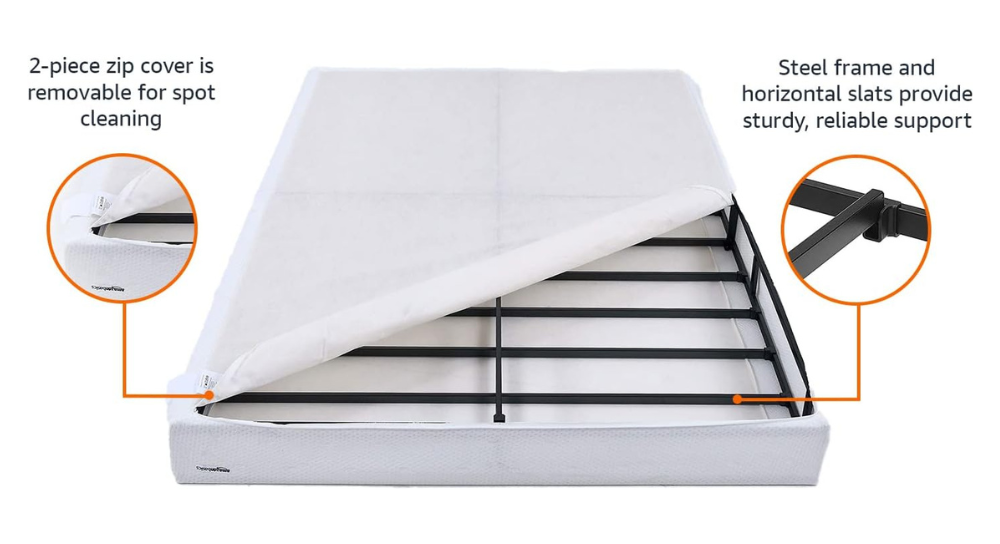
Pros of Box Springs:
- Great for traditional inner spring mattresses
- Adds height and improves airflow
- Absorbs shock, extending mattress life
Cons of Box Springs:
- Not suitable for most modern mattress types
- Can wear out over time, leading to uneven support
- Heavier and less versatile than other options
What Does a Box Spring Provide for Bed
The need for a box spring largely depends on the type of mattress and bed frame you have. Here’s a quick breakdown:
- Inner spring mattresses: A box spring is often essential to maintain comfort and longevity. Without one, the mattress might not get the support it needs, leading to quicker wear.
- Memory foam and latex mattresses: These mattresses thrive on solid, flat surfaces, making foundations or platform beds the better choice.
- Hybrid mattresses: These are a toss-up. While some hybrids work fine on platform beds or foundations, others might benefit from the added support and height of a box spring. Always check the manufacturer’s recommendations.
- Adjustable beds: If you’re using an adjustable frame, a box spring isn’t compatible. These frames are designed to work directly with the mattress.
Box Spring Alternatives
If box springs feel a little too ‘old-school’ there are a couple of great alternatives that might work better for your bed.

Foundations
If you’ve upgraded to a memory foam, latex, or hybrid mattress, you’ve likely encountered the term “foundation.” Foundations are essentially the streamlined cousins of box springs. Instead of housing coils, they use slats or a solid, flat surface to provide firm, even support. This makes them a better fit for mattresses that need a stable base, as opposed to the springy support box springs offer.
The biggest advantage of foundations is their compatibility. They work well with most mattress types, including memory foam and latex, which don’t require the added give of a box spring. Plus, they’re often lighter, easier to maneuver, and less bulky than traditional box springs.
Foundations also allow for customization. Some come with adjustable heights, letting you pick between a low-profile look or the taller, more traditional aesthetic. While they may lack the “bounce” of a box spring, they’re built to distribute weight evenly, preventing sagging in both your mattress and your sleep posture.
Pros of Foundations:
- Perfect for memory foam and latex mattresses
- Provides firm, even support
- Durable and long-lasting
Cons of Foundations:
- Less height compared to box springs
- Can be bulky and harder to move
- Limited shock absorption
Platform Beds
Enter platform beds, the minimalist’s dream. These modern frames ditch the need for an additional support layer altogether. With wooden or metal slats built directly into the frame, platform beds provide a flat, sturdy base for your mattress to rest on. This design makes them incredibly versatile, compatible with everything from memory foam to hybrid and latex mattresses.
Platform beds are ideal for anyone looking to save space or money. You don’t need to invest in a separate foundation or box spring, which simplifies your setup and keeps costs lower. Their low-profile design is also a win for those who prefer a modern aesthetic or have limited ceiling height—lofted apartments, anyone?
However, there’s a catch. While platform beds are sturdy, they’re not always the best option for heavier mattresses or sleepers who need extra support. If the slats are spaced too far apart, your mattress could sag over time, compromising both comfort and durability. To avoid this, look for platform beds with slats no more than three inches apart.
Pros of Platform Beds:
- Sleek, modern design
- Works with most mattress types
- No need for additional bases
Cons of Platform Beds:
- Limited height and airflow
- May lack sufficient support for heavier mattresses
- Some designs can feel too low for older users
Practical Considerations
Let’s talk practicality. Box springs and foundations add an extra expense to your sleep setup, but they’re worth considering if they’ll protect your investment in the long run. Foundations are generally more versatile, working with a wider range of modern mattresses, while box springs are better suited for inner spring models and antique-style frames.
Platform beds, though minimalist and cost-effective, require some caution. Ensure the slats are close enough to prevent sagging and check that the frame has adequate center support if you’re dealing with a larger mattress size like queen or king.
Finally, don’t overlook personal preferences. Do you like the bounce of a box spring, or do you prefer the firm support of a foundation? Are you drawn to the modern aesthetic of a platform bed, or do you value the traditional height that a box spring provides?
Whether you’re assembling your first bed or upgrading your current setup, understanding the role of a box spring, foundation, or platform bed is crucial. Each option has its strengths, but the key is to align your choice with your mattress type, sleeping preferences, and aesthetic goals. So, if you’ve ever wondered, what does a box spring provide for a bed, now you know: it’s about support, height, and compatibility. Choose wisely, and your bed will thank you with years of comfortable sleep.
Decades of Combined Expertise
Best Buy Guidebook is a culmination of online publishing lessons learned. From SEO to paid ads, our team has experienced the highest of highs and the lowest of lows. Our goal now is simple: Arm readers with the most information possible.