
How to Build Your Own Creamy Keyboard

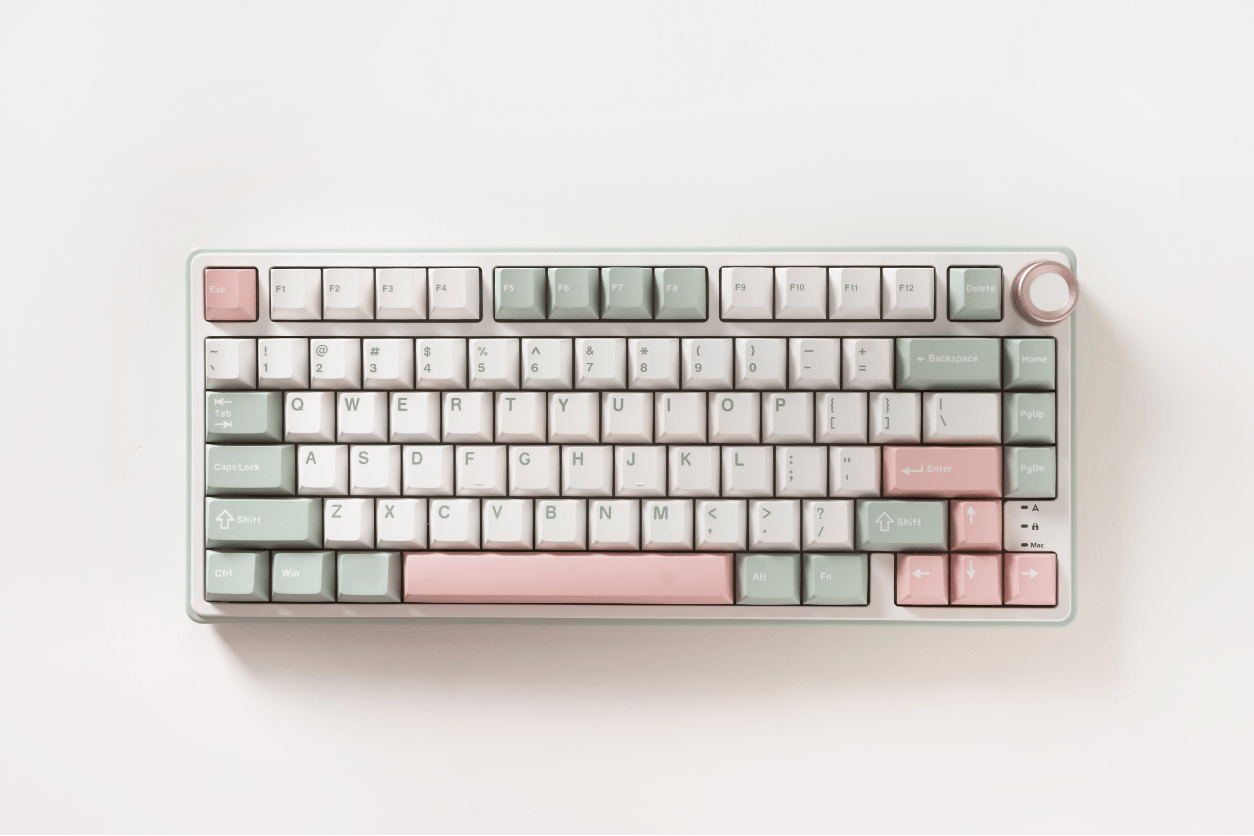
If you’ve spent any time in the mechanical keyboard space, you’ve probably heard people talk about the creamy keyboard experience. It’s one of those things that doesn’t immediately make sense—how can a keyboard be “creamy”? But if you’ve ever typed on a well-lubed, well-tuned board, you get it. There’s a kind of effortless, fluid motion to each keystroke. No scratchiness, no harsh clicks, just smooth travel and a soft, refined sound that makes typing an oddly satisfying experience.
Unlike clicky or clacky keyboards that produce sharp, high-pitched sounds, a creamy keyboard delivers a smooth, muted, and satisfying typing experience. It’s that perfect balance between thocky and silent that creates a sound and feel that’s soft yet tactile—almost like gliding your fingers across the butter.
People obsess over this because, frankly, it makes a difference. Whatever you are doing – whether you’re hammering out work emails, gaming late into the night, or just idly pressing keys while thinking – a creamy keyboard feels incredibly good under your fingers. If you haven’t tried one yet, you might be missing out on the best typing experience you never knew you needed.
What Makes a Keyboard “Creamy”?
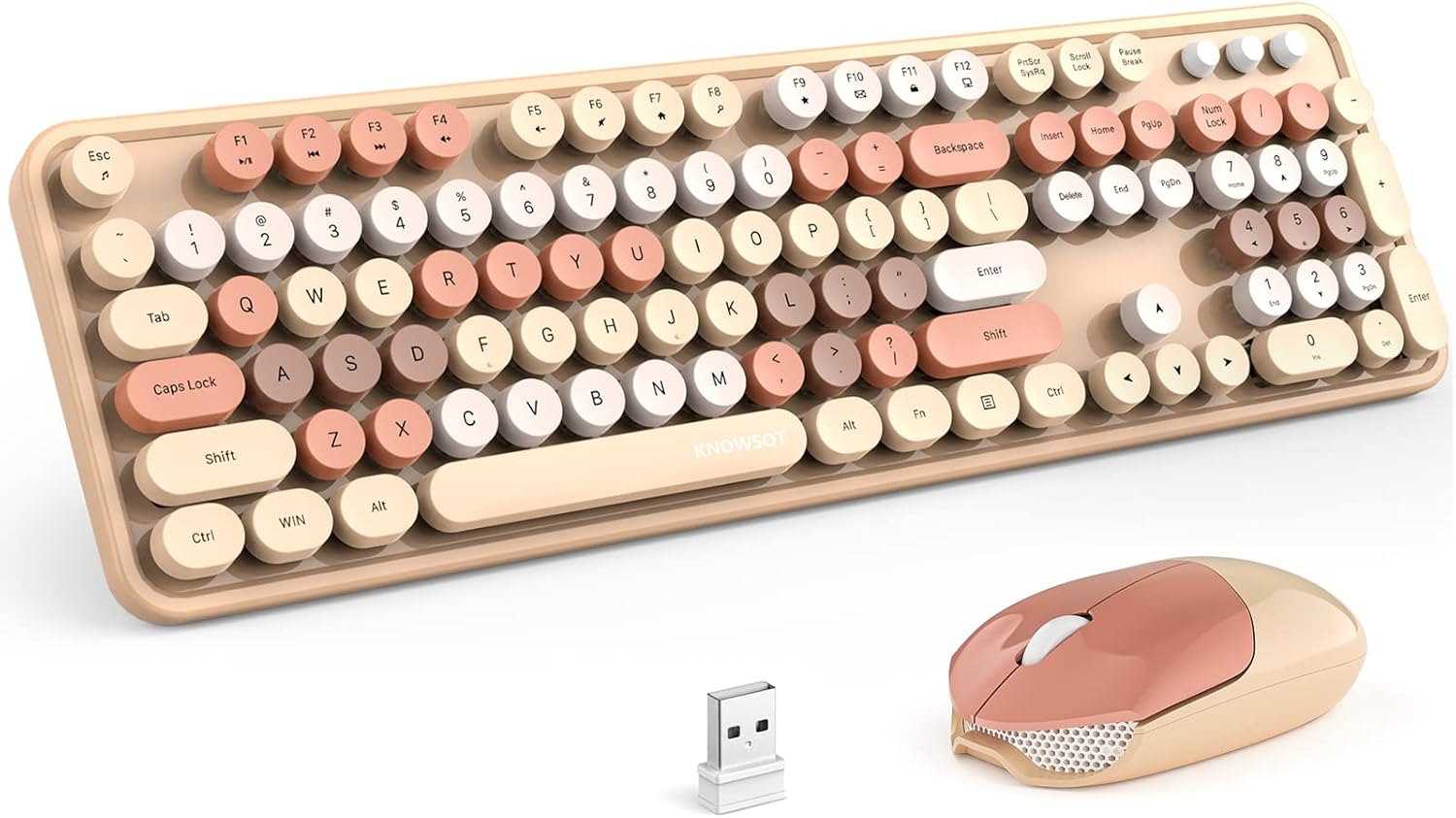

The term “creamy” is as much about feel as it is about sound. It’s what happens when a keyboard has been fine-tuned to remove any resistance or scratchiness in the keystrokes. Instead of sharp clicks or rattles, the switches glide effortlessly, and the sound is deep, controlled, and smooth.
This creamy effect comes from a combination of factors. The way a switch moves, how the stabilizers handle larger keys, the material of the keycaps, and even the structure of the keyboard itself all contribute to that smooth and controlled feel. Linear switches tend to be the go-to for this because they offer a frictionless press. However, even the best switches need the right setup. Poorly tuned stabilizers, thin keycaps, or a hollow keyboard case can throw off the entire experience.
Materials also play a huge role in how a keyboard sounds and feels. For example, keycaps—especially PBT plastic—help create a deeper, more muted tone compared to thin, lightweight keycaps that can sound plasticky and hollow. Inside the keyboard, layers of foam or dampening material absorb excess noise and vibrations, giving the keyboard a solid, premium feel.
It’s this careful balance of smooth movement, controlled sound, and premium materials that makes a keyboard truly creamy. Everything needs to work together seamlessly—no sharp edges, no rattles, no unnecessary resistance—just a smooth, effortless typing experience.
Why Creamy Keyboards Are Taking Over
There was a time when mechanical keyboards were all about loud, clicky switches that announced to the whole room that you were typing. But as more people work from home or share spaces with others, there’s been a shift toward quieter, more refined typing experiences. A creamy keyboard offers the best of both worlds—it’s satisfying to type on but won’t disturb everyone around you.
ASMR and keyboard sound tests have also played a huge role in the popularity of creamy builds. You can go on YouTube right now and find countless videos of custom boards with ridiculously smooth, satisfying sounds. It’s oddly addictive. People get hooked on those deep, thocky keystrokes and suddenly find themselves down the rabbit hole of custom keyboard mods, searching for ways to replicate that same experience on their own board.
Another reason people are chasing this sound and feel is simple: it makes typing more enjoyable. Whether you’re coding, writing, or gaming, a creamy keyboard reduces finger fatigue and feels more responsive. Once you get used to it, going back to a cheap, scratchy keyboard feels like a downgrade in every way.
How to Build a Creamy Keyboard
If you’re looking to build a creamy keyboard, you’ll need the right combination of components. Here’s what you should focus on:
1. Choose the Right Switches
Linear switches are the best option for a creamy typing feel. Some of the most popular choices include:
- Gateron Oil Kings – Known for their incredibly smooth keystrokes right out of the box.
- Kailh Creams – One of the OG creamy switches, they offer a unique blend of smoothness and deep sound.
- Durock POM Linears – These provide a buttery-smooth feel with great acoustics.
Lubing these switches with Krytox 205g0 or a similar lubricant enhances the smoothness, removing any potential scratchiness.
2. Use Thick Keycaps
Keycap material and thickness play a big role in how creamy your keyboard sounds. Thicker PBT keycaps tend to dampen the sound and give it a deeper and smoother tone. Some of the best options include:
- GMK Keycaps (ABS, but thick and premium)
- ePBT Keycaps (Thicker PBT for a muted sound)
- Akko ASA Profile (Affordable and solid option)
3. Tune the Stabilizers
Stock stabilizers often have unwanted rattling, which can ruin an otherwise creamy build. The best way to fix this is to lubricate and clip your stabilizers to minimize noise and improve feel. Some enthusiasts also use band-aid or dielectric grease mods to further refine stabilizer performance.
4. Add Foam and Dampening Materials
A good creamy keyboard typically has case foam, switch films, and plate foam to remove any hollow sounds. Many premium boards come with pre-installed dampening materials, but you can always add aftermarket foam kits if needed.
5. Consider a Gasket Mount Case
If you want a soft, cushioned typing feel, a gasket-mounted keyboard is a great option. This mounting style allows the plate to flex slightly and makes each keystroke feel bouncier and smoother—fitting right into the creamy aesthetic.
Decades of Combined Expertise
Best Buy Guidebook is a culmination of online publishing lessons learned. From SEO to paid ads, our team has experienced the highest of highs and the lowest of lows. Our goal now is simple: Arm readers with the most information possible.