
5 Garden Tools That Are More Trouble Than They’re Worth

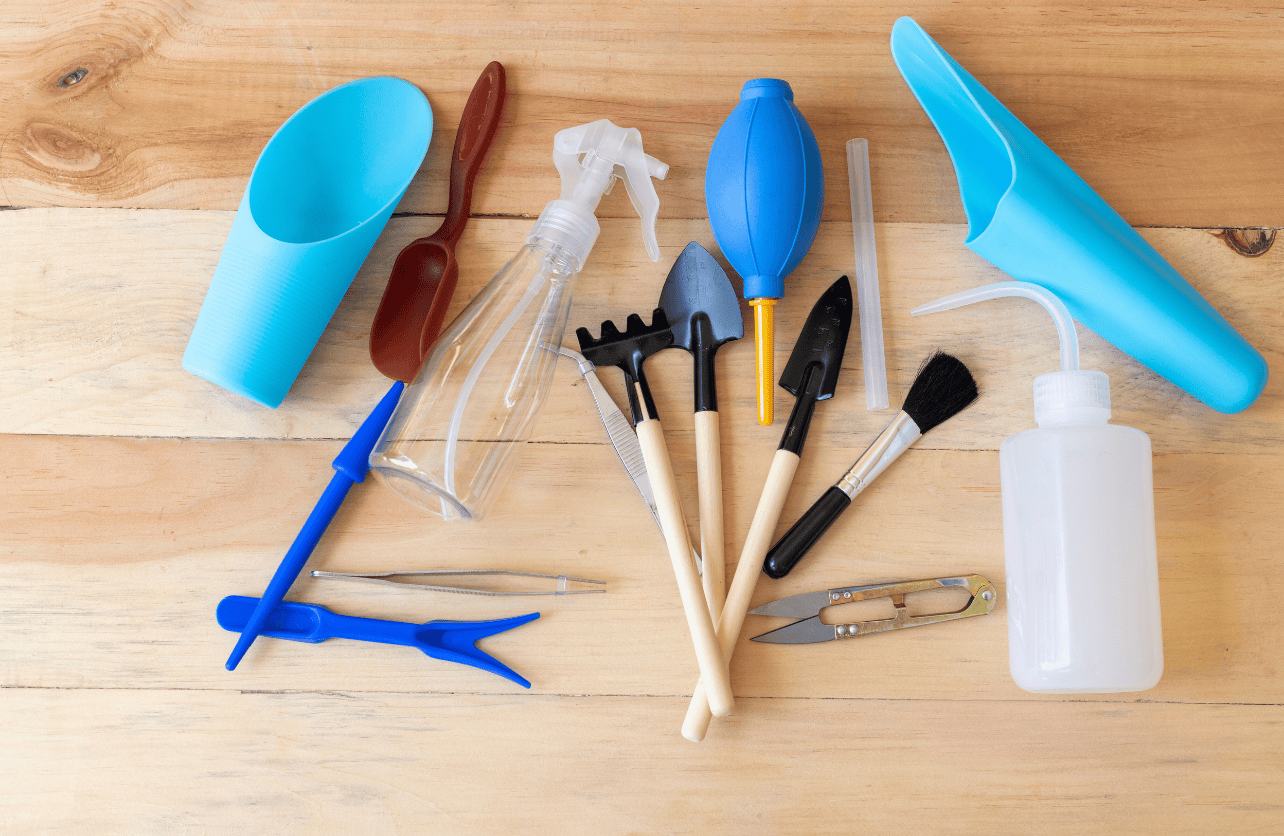
Most gardeners start off thinking that the more tools you have, the better. I did too. But here’s the truth: you don’t need a tool for every little thing. Some garden tools actually slow you down, waste money, or fall apart faster than you’d think. After a few seasons, certain tools end up stuck in a corner, collecting dirt and rust, doing nothing but taking up space.
I’m not against good tools—in fact, having a few reliable ones can make all the difference. But you don’t need fifteen different gadgets to grow vegetables or keep your flower beds in shape. In this article, we’ll go over five garden tools that are no longer worth keeping around.
1. Soil Tillers for Small Gardens
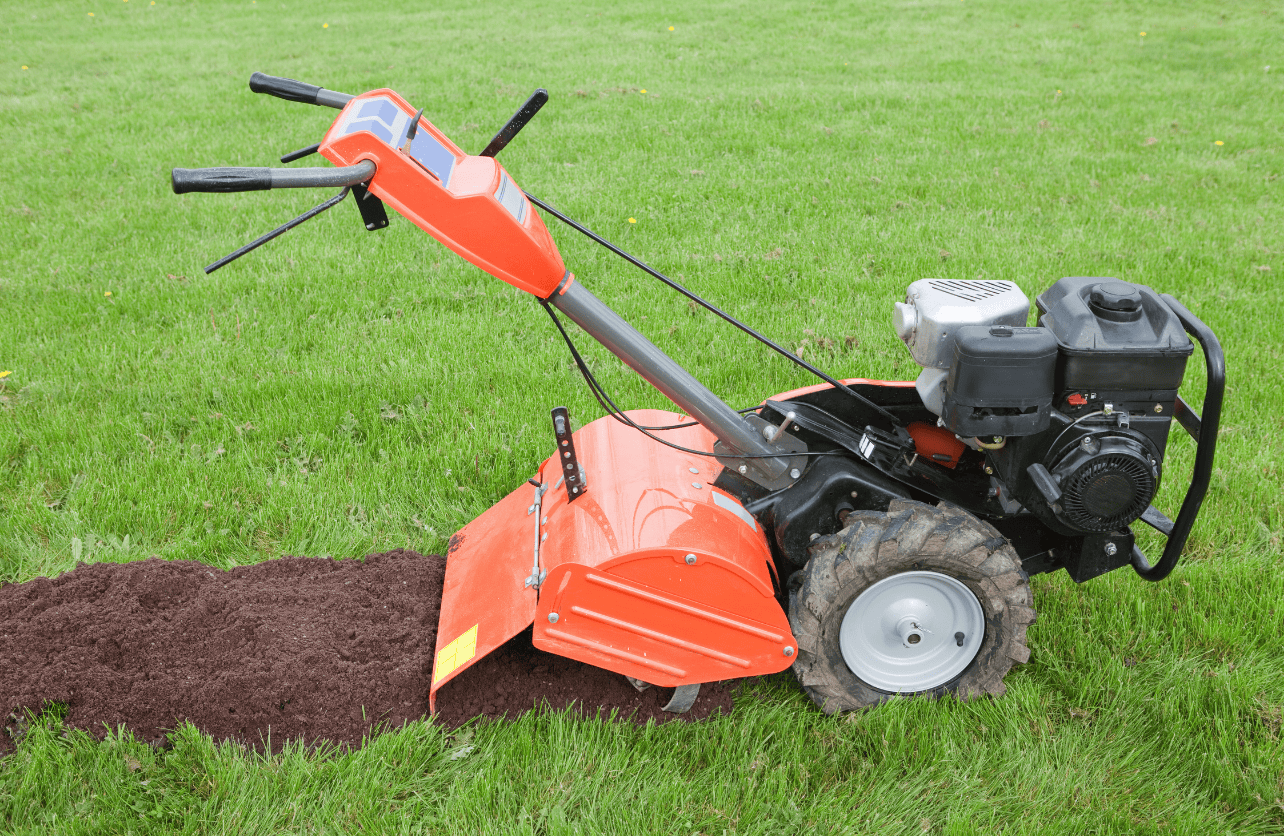
Big, motorized tillers look impressive, like something that’ll instantly transform your soil into a perfectly prepped bed. But unless you’re working with a large backyard or turning over hard-packed clay, they’re often too much tool for the job.
For one, tillers are bulky and heavy. If you’ve got a modest garden space, using them between beds or raised boxes becomes frustrating. They’re also rough on your soil structure. Constant tilling can destroy the healthy layers in your soil, tearing apart earthworm tunnels and killing off good microbes.
2. Garden Gloves That Don’t Fit Right (Or Do Nothing)
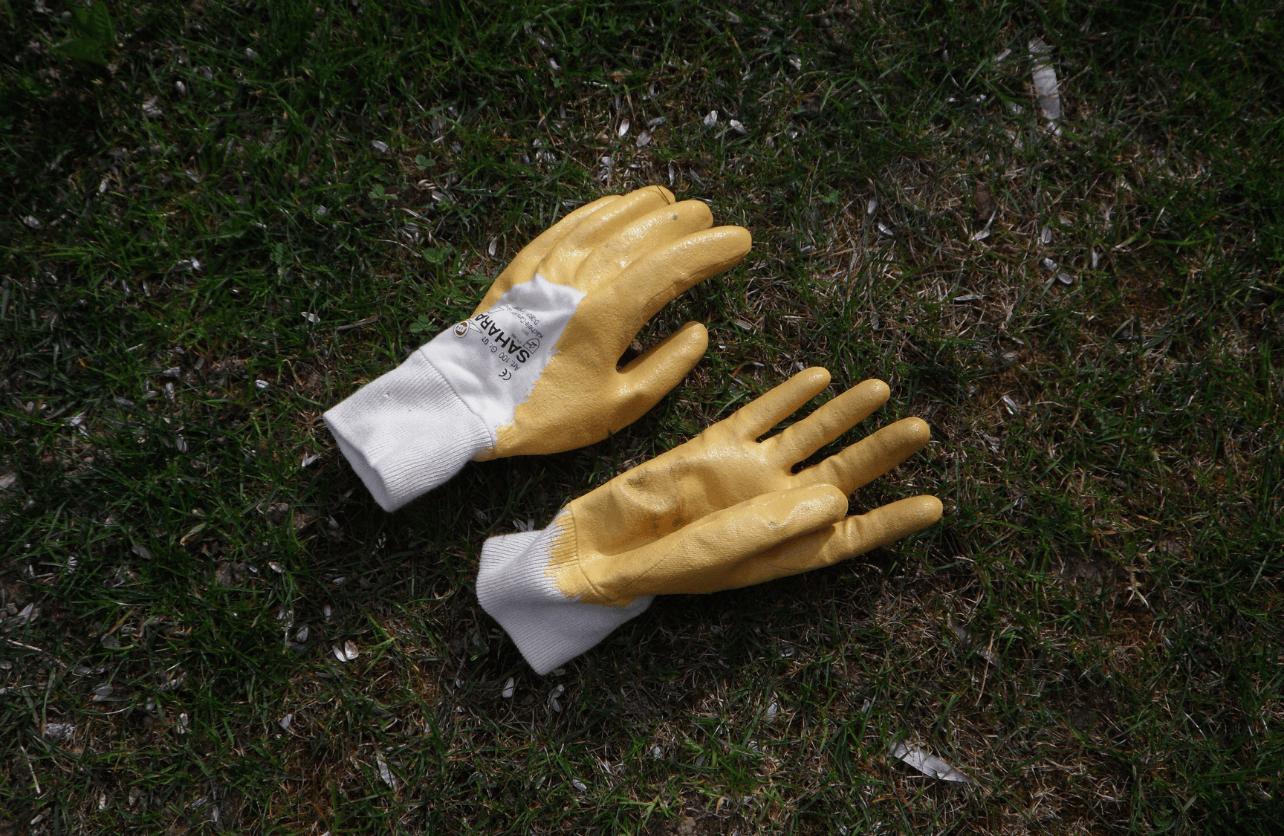
You’d think gloves would be a no-brainer, but the wrong ones can be more of a nuisance than a help. I’ve bought gloves that were too stiff to hold tools properly, too loose to feel what I was doing, or so thin they tore the first time I brushed up against a bramble.
Cheap cotton gloves feel good at first, but they absorb water like sponges, stretch out quickly, and don’t protect against thorns or splinters. On the other hand, super thick or rubberized gloves can make it hard to feel what you’re planting, which matters if you’re working with seedlings or delicate roots.
A single pair of well-fitted, breathable gloves with reinforced palms will outlast and outperform a pile of bad ones. If you’re constantly swapping gloves mid-task or pulling them off in frustration, it’s probably time to toss them.
3. Bulb Planters That Jam or Rust
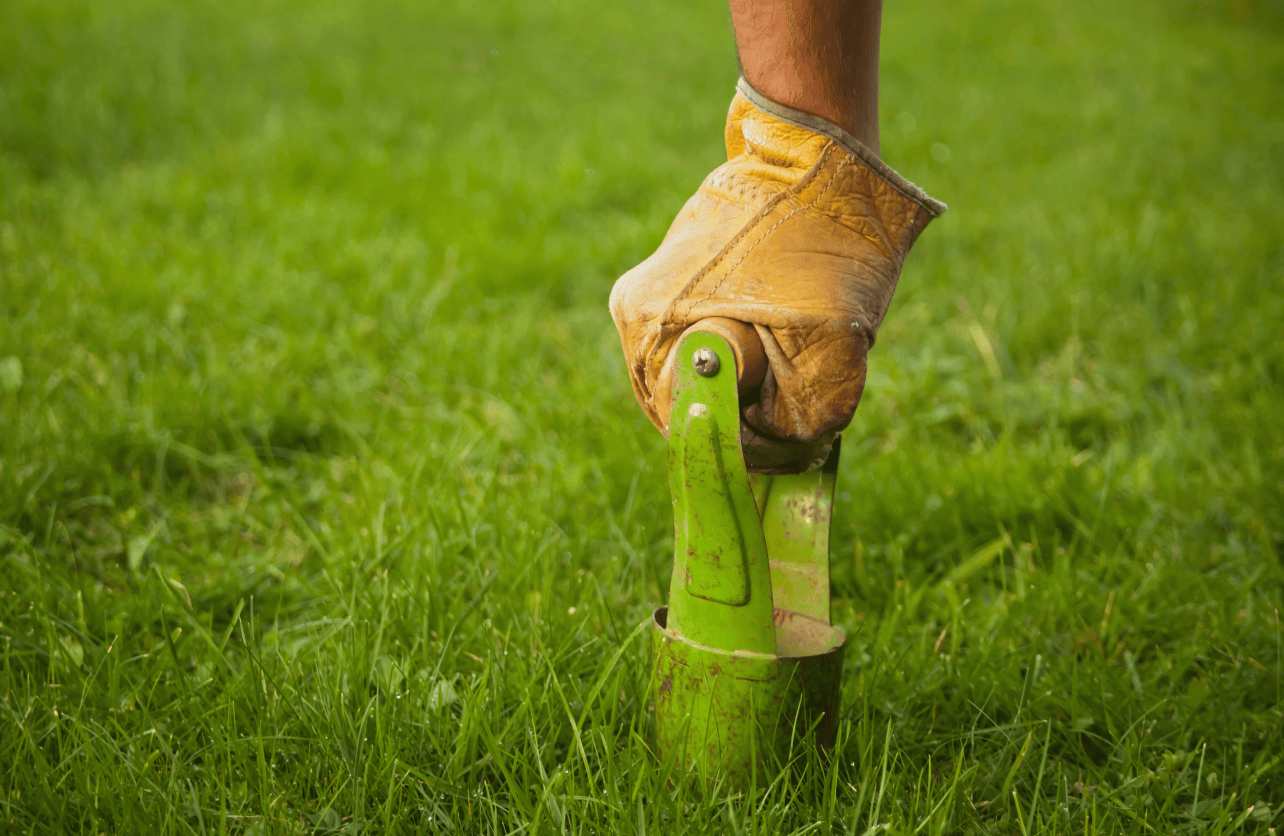
In theory, bulb planters make sense: a little cylindrical scoop that digs the perfect hole every time. But in practice, most of them just don’t work that well, especially if your soil is anything other than soft and loamy.
In clay or compacted soil, they jam up. The dirt won’t release from the scoop, or the handle starts bending after a few uses. Some even rust after a single season if they’re not cleaned properly. And when you’re planting dozens of bulbs, fiddling with a stuck tool every few minutes is the last thing you want.
A sturdy hand trowel or hori hori knife works faster and gives you more control, especially if your soil varies across different parts of the yard.
4. Sprinklers That Water Everything (Except What You Need)
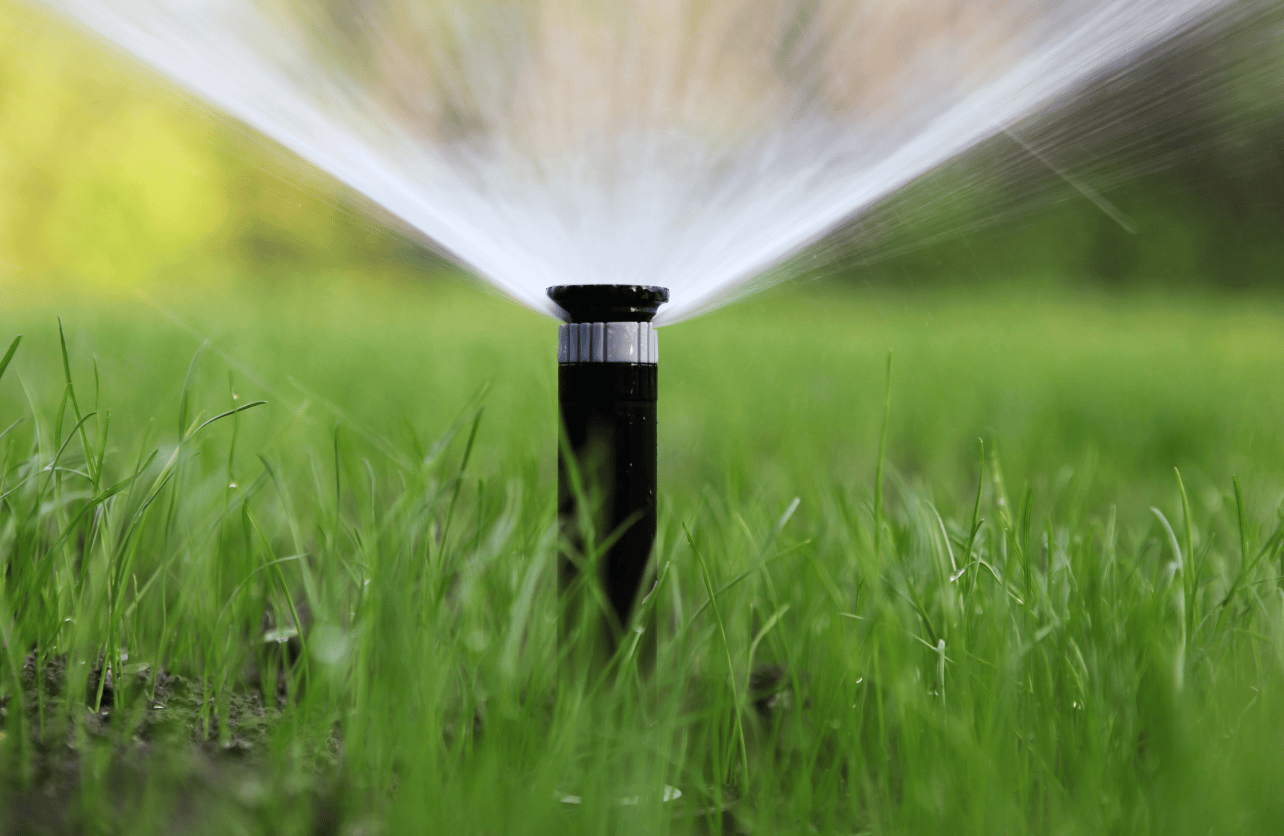
Oscillating or rotating sprinklers seem like a good idea when you want to cover large areas. But if you’re growing a vegetable garden, they often water your paths more than your plants. You waste water, encourage weeds between rows, and sometimes still end up with dry spots.
On windy days, sprinklers lose accuracy fast. And if you’re trying to avoid fungal diseases (which love wet leaves), overhead watering can do more harm than good.
Drip irrigation or soaker hoses take a little time to set up, but they water your plants at the base, where it matters, and don’t waste water on walkways or weeds. If your sprinkler leaves puddles in the wrong places or keeps hitting your patio instead of your plants, it might be time to retire it.
5. Miniature Tool Sets That Look Cute But Break Instantly
They’re often marketed toward beginners—colorful sets of tiny hand tools in a pouch. But most of these mini-tools aren’t built for real gardening. The trowels bend in tough soil, the pruners go dull fast, and the “weeder” tool usually isn’t strong enough to pull much of anything.
They feel like a great gift idea or starter kit, but they rarely last beyond a few uses. And when tools fail mid-task, they don’t just waste time—they lead to frustration.
If you’re starting out, it’s better to buy just two or three high-quality essentials than a dozen low-end tools. A good trowel, a pair of strong pruners, and a digging fork will get you through most of what your garden needs.
Which Garden Tools Actually Deserve a Spot in Your Shed?
The longer you garden, the more you realize that fewer, better tools make life easier. It’s not about having everything, it’s about having what actually works.
I used to think every tool had its own job. But over time, I started noticing which ones I actually reached for—and which ones stayed on the hook, season after season. If a tool gets in your way more than it helps, it’s not worth the space.
Whether you’re downsizing your shed or just trying to save money and time, take a second look at what’s in your gardening lineup. The tools you don’t use might be the most telling.
Decades of Combined Expertise
Best Buy Guidebook is a culmination of online publishing lessons learned. From SEO to paid ads, our team has experienced the highest of highs and the lowest of lows. Our goal now is simple: Arm readers with the most information possible.