
5 Juniper Types You Can Grow in Your Garden


If you’re a plant lover like me, you’ll waste no time agreeing that our desire for new plants never ends. We crave flowers until we’ve run out of space for more. It makes sense why—plants are beautiful, especially those that stay green year-round. I only recently came to appreciate such plants like juniper bush after visiting my uncle, another plant lover, who has grown a variety of its bushes and shrubs. If you are new to junipers like me, here is a brief overview of these fascinating plants.
Types of Juniper Plants
Junipers belong to the Cupressaceae family, which is the same family as cypress trees. With over 60 species, they come in a variety of shapes and sizes, from low-growing ground covers to tall, tree-like forms. These hardy evergreens are known for their needle-like leaves and distinctive blue or purple berries. They thrive in a wide range of conditions and are both resilient and aesthetically appealing year-round. Junipers are also valued for their ability to tolerate poor soil and drought.
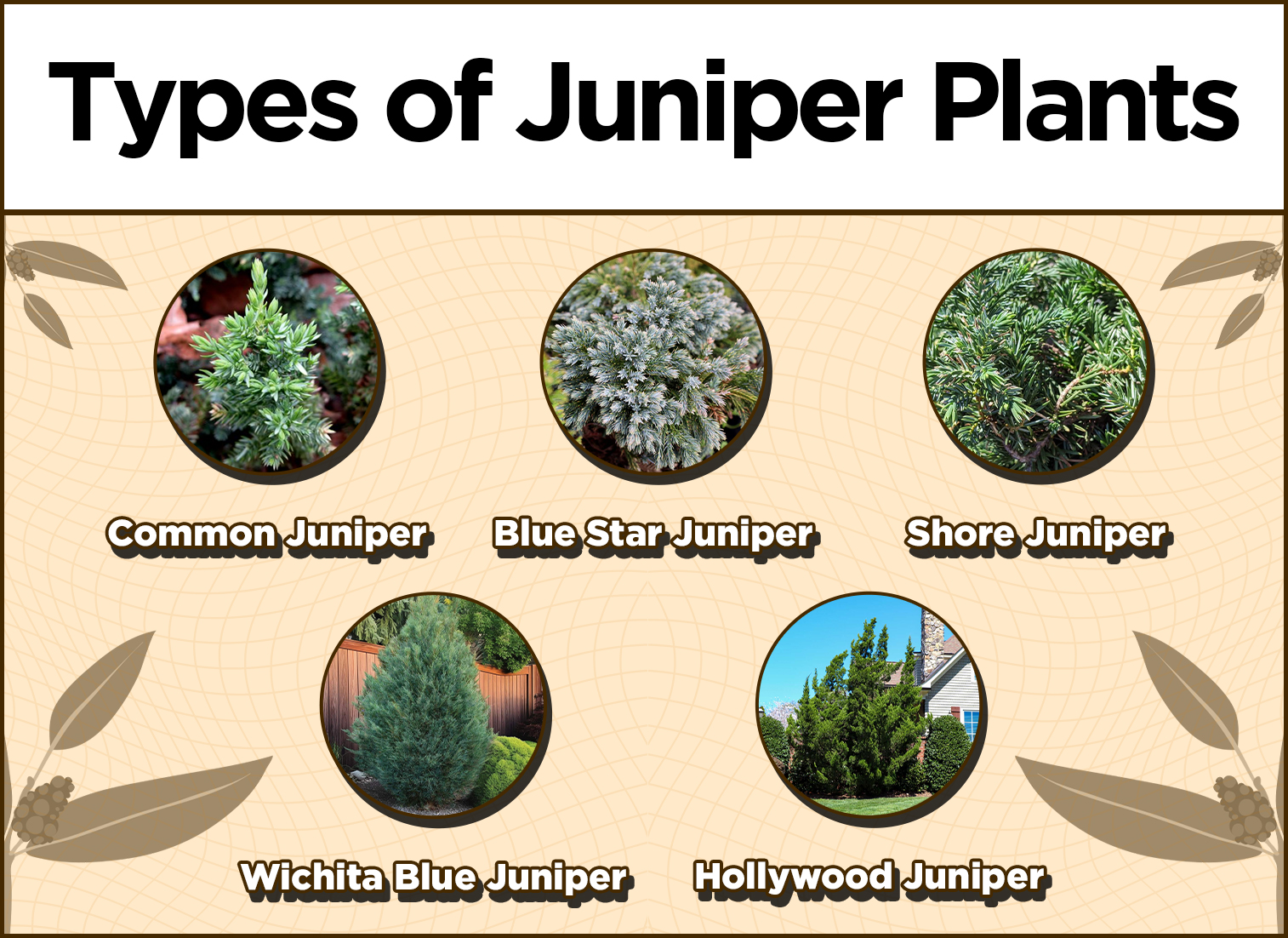
Here are some of the juniper plants that you might consider growing in your garden.
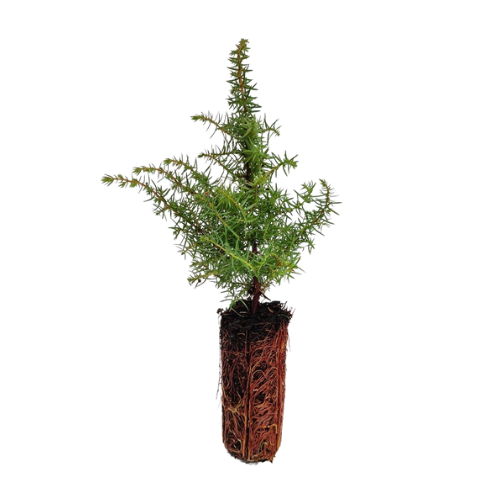
1. Common Juniper (Juniperus communis)
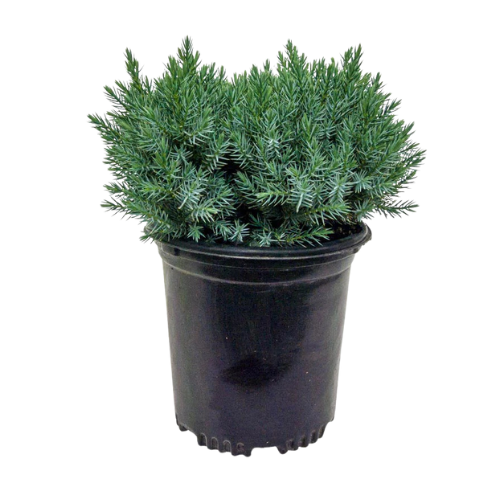
2. Blue Star Juniper (Juniperus squamata ‘Blue Star’)
3. Wichita Blue Juniper (Juniperus sabina ‘Wichita Blue’)
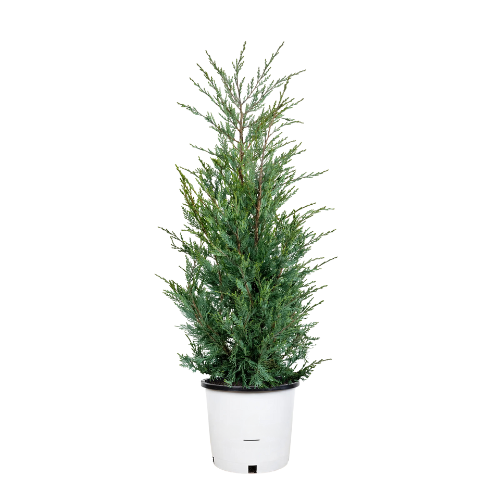
4. Shore Juniper (Juniperus conferta)
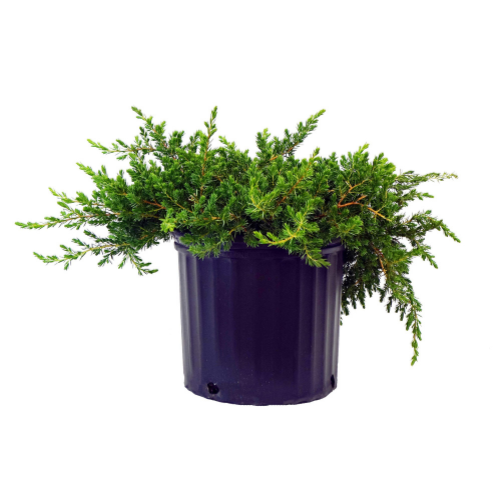
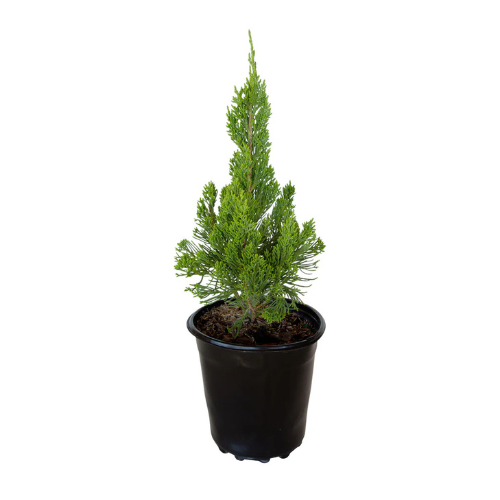
5. Hollywood Juniper (Juniperus chinensis ‘Hollywood’)
Tips for Maintaining Your Juniper Bush
Now, I’ve told you about these amazing juniper varieties, but let’s talk about keeping them healthy. Trust me, it’s not hard; they’re pretty low-maintenance, but a little care goes a long way.
Watering
Junipers are drought-tolerant once they’ve settled in, but they need a good drink during their first year. After that, don’t overdo it. Too much water can lead to root rot, so make sure the soil drains well. It’s all about deep, infrequent watering.
Pruning
Junipers don’t need a lot of pruning, but a little trimming here and there keeps them looking sharp. Early spring is the best time for this—before they start growing in full swing. But don’t prune too much; cutting into the woody parts won’t allow the plant to grow back as well.
Soil Care
Junipers love well-drained soil. If your soil is heavy on clay, mix in some organic matter to improve drainage. Adding a layer of mulch can help retain moisture, but just don’t pile it up against the base of the plant.
Fertilization
You don’t need to fertilize a juniper bush every season. If your soil is lacking nutrients, a slow-release, balanced fertilizer in early spring is enough. Just don’t overdo it with the nitrogen—it can cause your juniper to grow too quickly and mess up its natural shape.
Pest and Disease Control
Junipers are pretty pest-resistant, but that doesn’t mean they’re invincible. Keep an eye out for aphids, spider mites, or scale insects. Treat with insecticidal soap or neem oil if you spot any. Also, make sure there’s good airflow around your juniper to prevent fungal diseases.
Decades of Combined Expertise
Best Buy Guidebook is a culmination of online publishing lessons learned. From SEO to paid ads, our team has experienced the highest of highs and the lowest of lows. Our goal now is simple: Arm readers with the most information possible.