
logo
logo
  • Homepage
  • Home Improvement
  • Patio and Garden
  • Family and Lifestyle
  • Home Tech
  • Office
  • Best Buy Guidebook
  • Patio and Garden

11 Winter Plants That Actually Thrive in the Cold

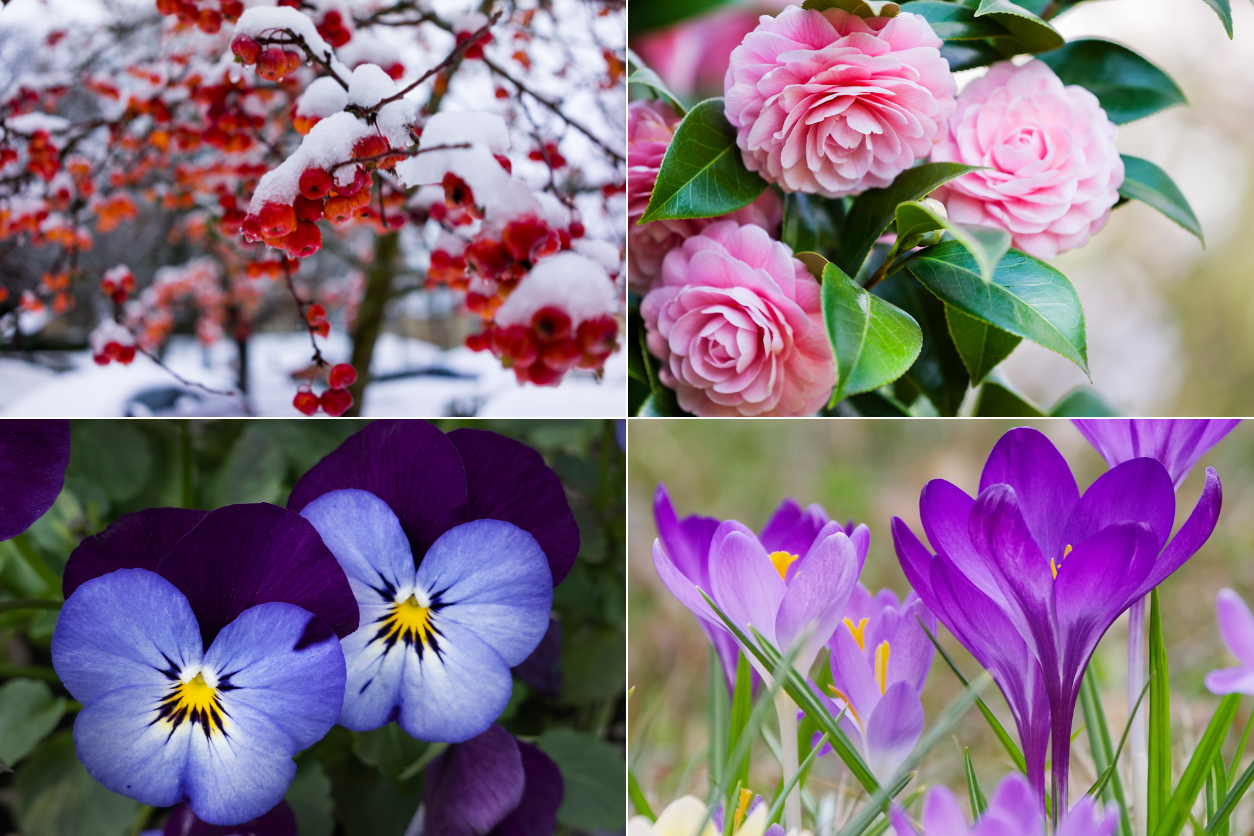
Connor Manion
Written By Connor Manion
Original Publish Date: Dec 8, 2024, 11:59 PM
Last updated: Dec 9, 2024, 12:24 AM
Disclosure ↓
winter plants
View all Contents
  • Choosing Winter Plants That Work for You
    • 1              Hellebores
    • 2              Winterberry
    • 3              Witch Hazel
    • 4              Ornamental Kale
    • 5              Camellias
    • 6              Snowdrops
    • 7              Pansies and Violas
    • 8              Winter Heath
    • 9              Daphne
    • 10              Glory of the Snow
    • 11              Crocus

When the world outside turns icy and barren, it’s easy to assume that your garden has to settle for the same fate. After all, isn’t winter just nature’s way of hitting pause until spring? Not necessarily. There’s an underrated charm in cultivating winter plants—those hardy, resilient varieties that keep the season alive with texture, color, and, yes, even blooms. Whether you’re looking to add interest to a snow-covered yard or brighten up a frost-kissed balcony, winter plants prove that beauty doesn’t hibernate.

Here’s the thing about winter plants: they’re not just about aesthetics. Sure, their vibrant hues and unique textures can liven up an otherwise bleak landscape, but they also serve practical purposes. Winter plants often attract early pollinators, create habitats for wildlife, and, in some cases, even improve soil conditions. But perhaps their most valuable role is reminding us that life doesn’t stop just because the temperatures drop.

Choosing Winter Plants That Work for You

The term “winter plants” encompasses a broad spectrum—from evergreen shrubs that stand tall against the frost to delicate blooms that peek out from beneath the snow. When picking winter plants, consider your garden’s conditions. Do you get heavy snow? Mild frost? Is your soil well-draining, or does it stay soggy in winter? Matching plants to your specific climate and garden conditions is key to keeping them healthy and vibrant.

Related: 3 Low Light Indoor Plants That’ll Thrive in Your Home This Winter


1              Hellebores
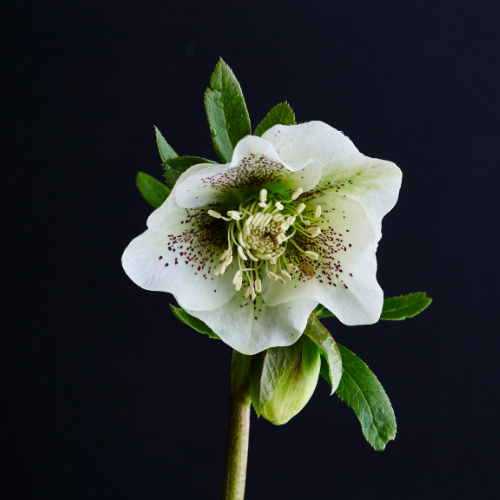
Hellebores, often called Lenten roses, are winter staples for good reason. These perennials bloom from late winter to early spring, with flowers that range from creamy whites to deep purples. Their leathery green foliage holds its own all year, adding structure to your garden even when nothing else is growing.

Plant them in shaded areas with well-draining soil. They’re perfect for flower beds and look incredible paired with other winter plants like ferns or ornamental grasses. While they don’t need much fuss, cutting back damaged leaves in early spring helps them maintain their tidy appearance.


2              Winterberry
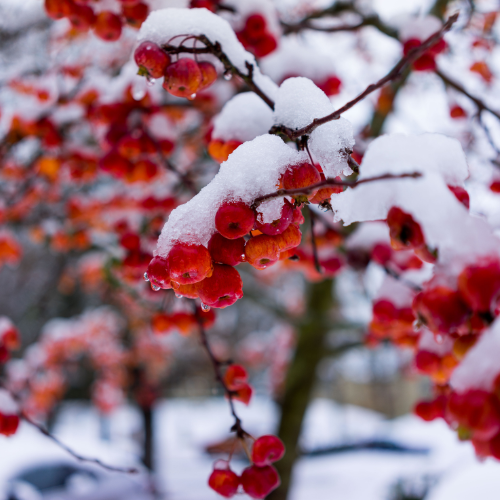
Winterberry holly is a showstopper when its bare branches are covered in bright red berries. These berries persist through the cold months, adding color to snowy landscapes and feeding local wildlife. Winterberry thrives in moist, acidic soil and can grow in full sun or partial shade.

Since winterberries are dioecious, you’ll need at least one male plant to pollinate your female plants. It’s worth the effort—few plants make winter look this lively.


3              Witch Hazel
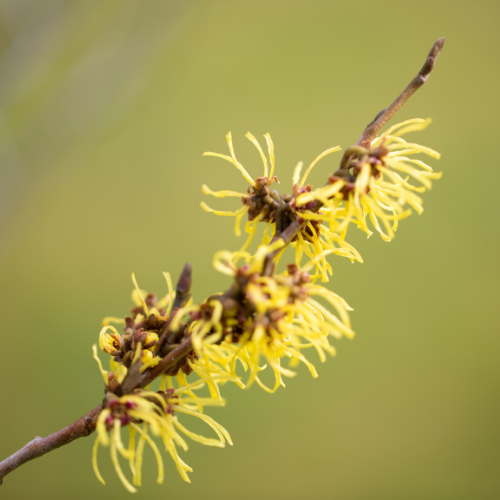
With its spindly yellow or orange flowers, witch hazel blooms in late winter when little else does. This shrub is perfect for filling gaps in your garden’s design. It grows well in a variety of soils and tolerates sun or partial shade.

While it’s low-maintenance, witch hazel does benefit from occasional pruning to maintain its shape. The flowers are fragrant, too, making them a sensory highlight in colder months.


4              Ornamental Kale
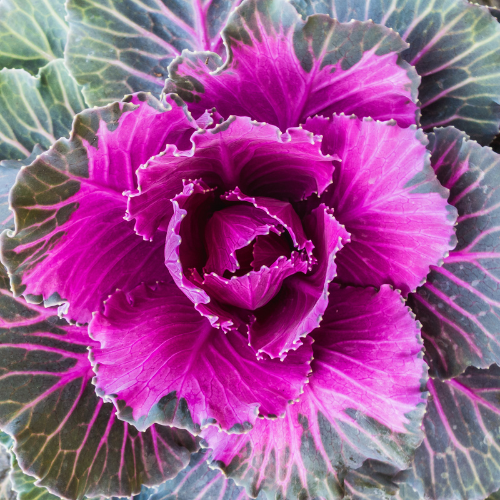
Ornamental kale is all about bold, ruffled foliage that stands up to frost. Its vibrant hues—ranging from deep purples to creamy whites—add texture and color to containers, borders, or garden beds. Unlike other winter plants, kale thrives in colder temperatures, getting brighter as the mercury drops.

Plant it in sunny spots with well-draining soil. While it’s technically edible, ornamental kale is bred for looks, not taste, so don’t expect a gourmet experience.


5              Camellias
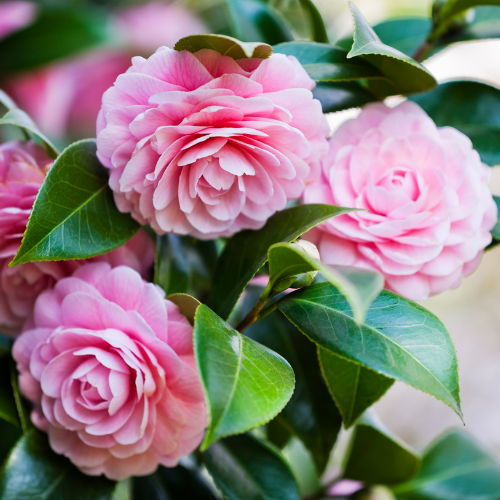
Camellias are winter-blooming shrubs that produce large, rose-like flowers. Depending on the variety, they can bloom from late fall to early spring. Their glossy evergreen leaves provide a lush backdrop even when the flowers aren’t in bloom.

Camellias thrive in acidic, well-draining soil and prefer partial shade. While they need a little extra care to establish, they’re worth the effort for the impact they bring to winter landscapes.


6              Snowdrops
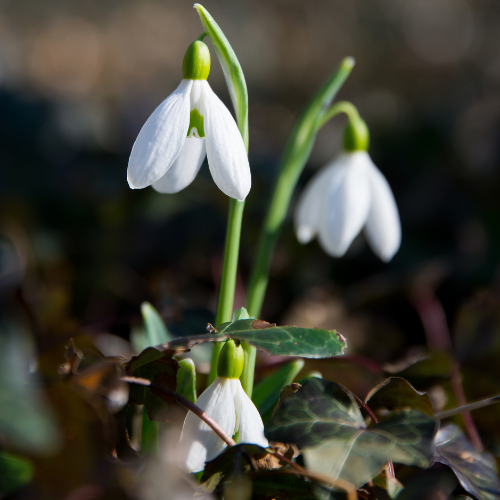
Snowdrops live up to their name by blooming as early as February, often pushing through snow-covered ground. Their dainty white flowers hang like little bells, offering a delicate touch to the winter garden.

Plant snowdrop bulbs in the fall in well-draining soil, and they’ll come back year after year. They look best when planted in clusters, making them ideal for borders or woodland gardens.


7              Pansies and Violas
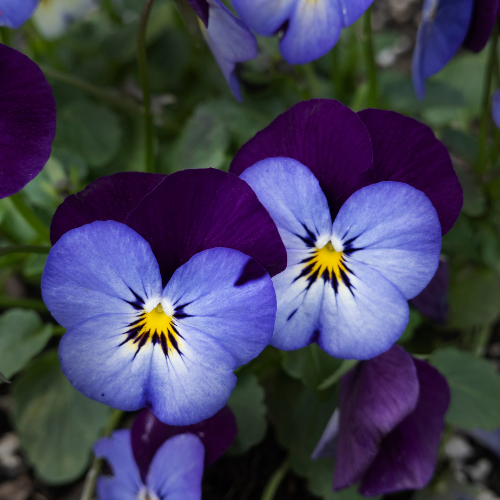
Don’t overlook these cold-tolerant annuals. Pansies and violas can bloom through mild winters, especially in southern climates. Their vibrant flowers come in nearly every color, offering endless options for adding brightness to your garden.

Plant them in containers or directly into flower beds with rich, well-draining soil. With minimal care, they’ll last until spring arrives.


8              Winter Heath
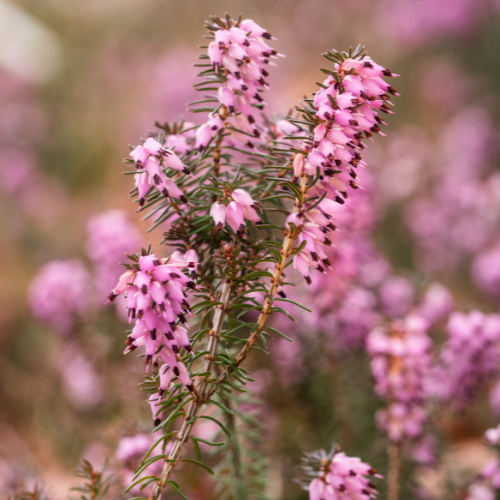
Winter heath is a reliable option for low-maintenance winter interest. Its small flowers come in shades of pink, purple, or white, and its evergreen foliage keeps gardens looking full year-round.

This plant works well as a dense ground cover, thriving in well-draining soil and sunny spots. Once established, it requires very little care.


9              Daphne
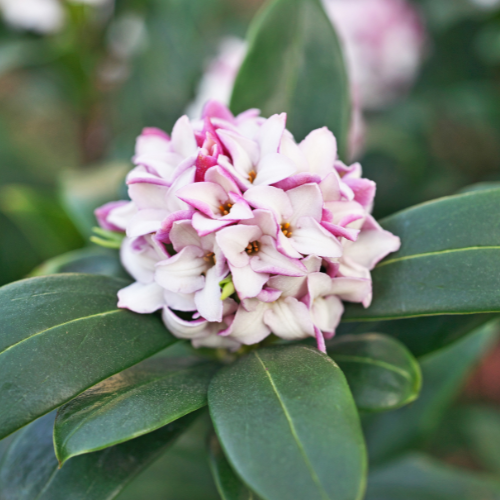
Daphne shrubs bring a touch of fragrance to the winter garden with their clusters of small, star-shaped flowers. Blooming in late winter to early spring, they’re a favorite for gardeners who want a sensory experience even in the colder months.

Plant daphne in rich, well-draining soil and give it a spot with morning sun and afternoon shade. While it can be a little finicky, the reward of its fragrant blooms is well worth the effort.


10              Glory of the Snow
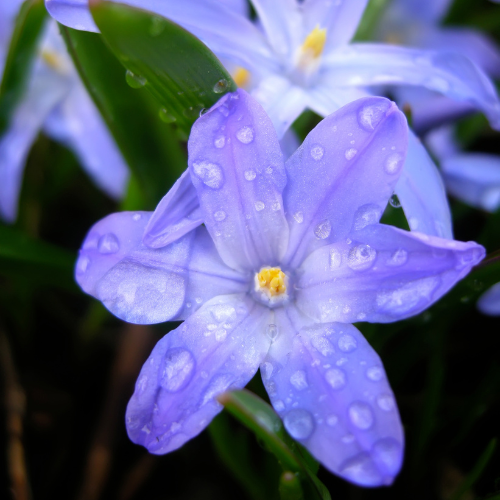
As its name suggests, glory of the snow is one of the earliest bloomers, often appearing when snow is still on the ground. Its small, star-shaped flowers come in shades of blue, pink, and white, making it a cheerful addition to rock gardens or borders.

Plant the bulbs in the fall, and they’ll return year after year with minimal effort. These plants are perfect for creating carpets of color in early spring.


11              Crocus
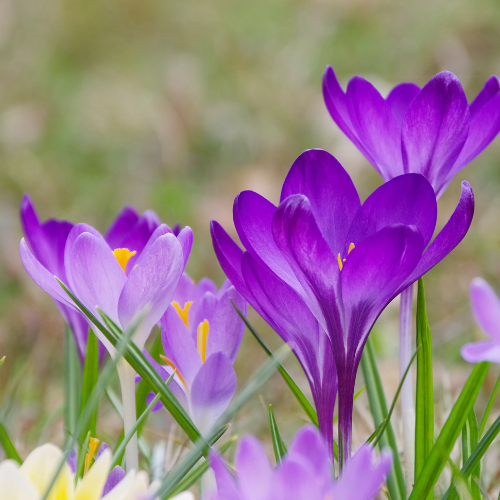
Crocuses are another bulb that pushes through the snow to deliver vibrant blooms in late winter. Their flowers come in shades of purple, yellow, and white, adding much-needed color to otherwise bare landscapes.

Plant crocus bulbs in the fall, and they’ll naturalize over time, spreading and multiplying. They’re great for borders, rock gardens, or even lawns.

Decades of Combined Expertise

Best Buy Guidebook is a culmination of online publishing lessons learned. From SEO to paid ads, our team has experienced the highest of highs and the lowest of lows. Our goal now is simple: Arm readers with the most information possible.

Contributors

Connor Manion
Connor Manion
Plants
Back to top
logo

©2026. All Rights Reserved

  • About Us
  • FAQ
  • Contact Us
  • Privacy
  • Terms
Contact

hello@bestbuyguidebook.com

We independently research, test, review, and recommend the best products. If you buy something through our links, we may earn a commission at no cost to you. Click here to learn more about our process.