
Everything You Need to Know About Propagating Rubber Plant Cuttings

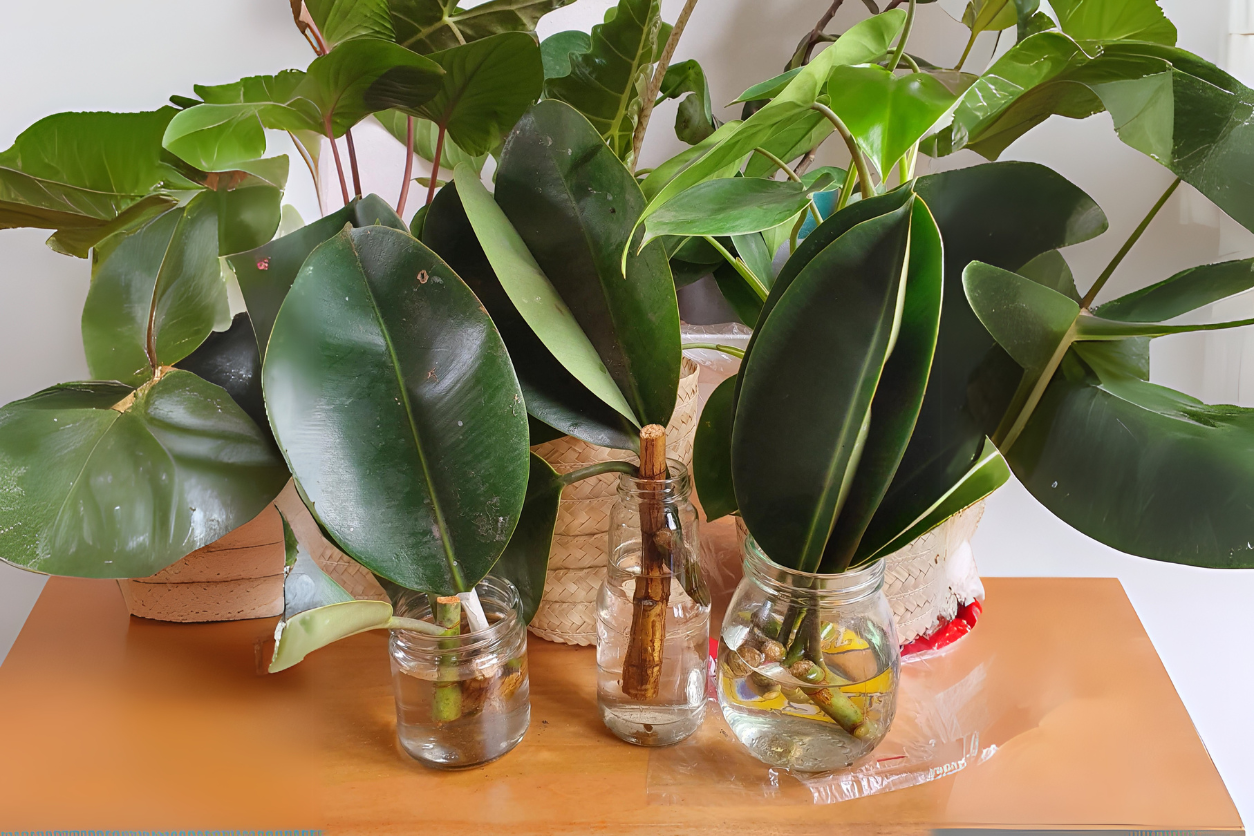
If you’ve ever admired the deep green, glossy leaves of a rubber plant and thought about growing more, you’re in luck—propagation is surprisingly simple. If you don’t know how to propagate rubber plants from cuttings, let me tell you, it is one of the easiest ways to expand your plant collection or revive a leggy plant that needs a fresh start. The best part is that you don’t need any expensive tools—just a healthy plant, some well-prepared cuttings, and a little patience.
Rubber plants (Ficus elastica) are popular for their glossy, deep-green leaves and adaptability. While many people keep them as houseplants, they also thrive outdoors in direct sunlight. Propagating from cuttings is an excellent way to grow new plants, especially if your current one is getting too tall or leggy. With the right steps, your cuttings can develop strong roots and turn into independent plants.
This guide will walk you through everything you need to know about rubber plant propagation. From choosing the right cutting to ensuring optimal growth conditions, you’ll find detailed, step-by-step instructions to make the process smooth and effective.
What You’ll Need for the Process
Before you start, having the right tools and materials on hand makes propagation much smoother. The process doesn’t require anything complicated, but using the proper equipment ensures that your cuttings have the best chance of rooting successfully.
You’ll need a sharp pair of pruning shears or a knife to make clean cuts without damaging the plant. A small pot is necessary for planting the cuttings, and the growing medium should be sand or a well-draining potting mix with peat moss and perlite to encourage root development. It’s also helpful to have a spray bottle for lightly misting the soil and leaves, ensuring the plant gets moisture without overwatering. If your home has low humidity, a plastic bag or humidity dome can be used to create a greenhouse effect and keep the air around the cutting moist.
How to Propagate Rubber Plant from Cuttings
Rubber plant propagation is fairly simple when done correctly. The key is to start with a healthy stem cutting, prepare it properly, and provide the right environment for root development. Here’s how to do it.
Select the Right Stem for Propagation

The first step in propagating a rubber plant is selecting a suitable stem. A long, healthy stem with a few leaves at the top works best. Removing excess leaves allows the plant to direct its energy toward root development rather than supporting unnecessary foliage. The cutting should be around 6 to 8 inches long and contain at least one leaf node, as this is where new roots will form. Some people have successfully propagated rubber plants using just a single leaf node, but using a longer stem generally produces better results.
Prepare the Cuttings
Remove extra leaves: Trim off most of the leaves from the cutting, keeping only one or two at the top. This prevents excess moisture loss and helps the plant focus on growing roots.
Make a clean cut: Use sharp, sterilized shears to cut the stem at a 45-degree angle. This increases the surface area for rooting and encourages better water absorption.
Score the base (Optional): Some gardeners make small cuts at the bottom of the stem to encourage root growth. While this step isn’t mandatory, it has been shown to improve results in some cases.
Choose the Right Growing Medium
The medium you use can make a significant difference in the success of your propagation. While rubber plant cuttings can grow in normal garden soil, sand has been found to produce better results. Sand provides better drainage, preventing the excess moisture that can lead to rot. If sand isn’t available, a well-draining potting mix made from peat moss and perlite is another good option.
The pot should be at least 6 inches wide and 6 inches deep to provide enough room for root development. Pre-wetting the soil before planting helps create a welcoming environment for the cutting.
How to Plant the Cuttings
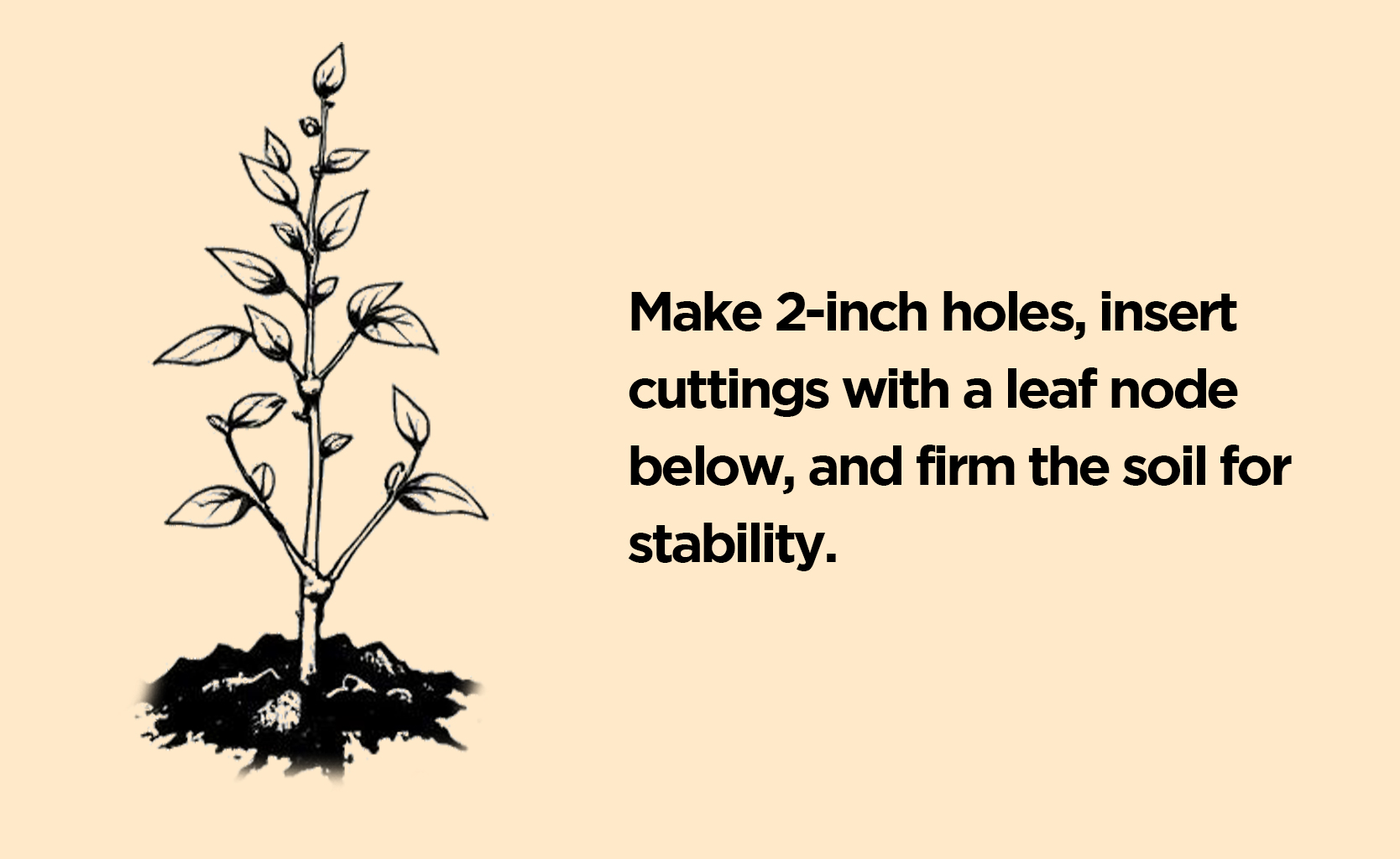
- Use a stick or your finger to make small holes about 2 inches deep. This makes it easier to insert the cuttings without damaging them.
- Place each stem about 2 inches into the soil and ensure at least one leaf node is below the surface.
- Lightly firm the soil around the cutting to provide stability and ensure good contact between the stem and the soil.
Spring and summer are the best times for propagation since warm temperatures encourage faster root development.
The Right Conditions Make All the Difference
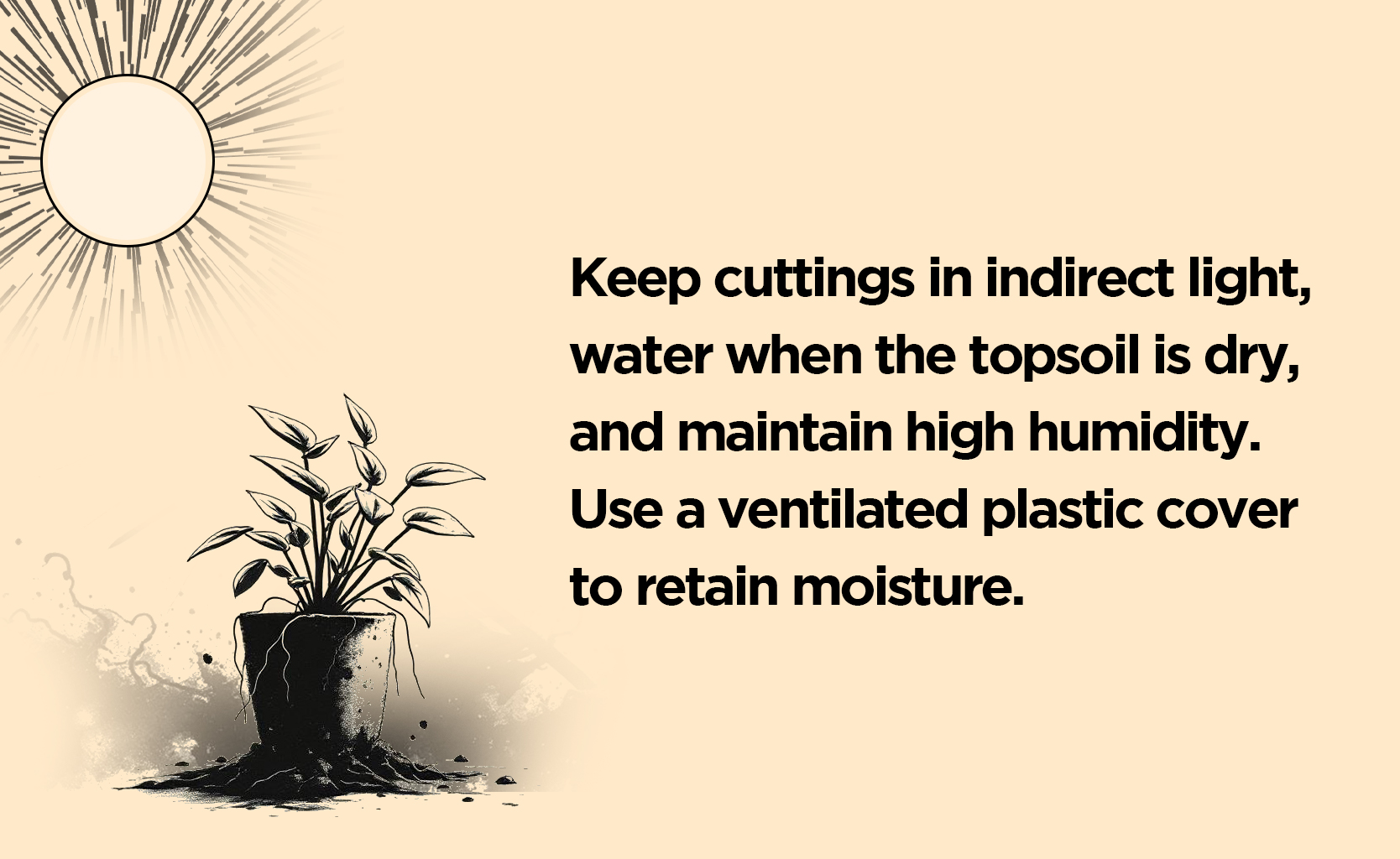
Rubber plant cuttings need specific conditions to grow successfully. Keeping them in indirect sunlight is essential, as the direct sun can dry them out before roots form. The soil should be kept consistently moist but not soggy—only water when the top layer appears dry. High humidity helps with root formation, so covering the pot with a plastic bag can trap moisture, but there should be some ventilation to prevent mold growth.
How Long Until You See Roots?
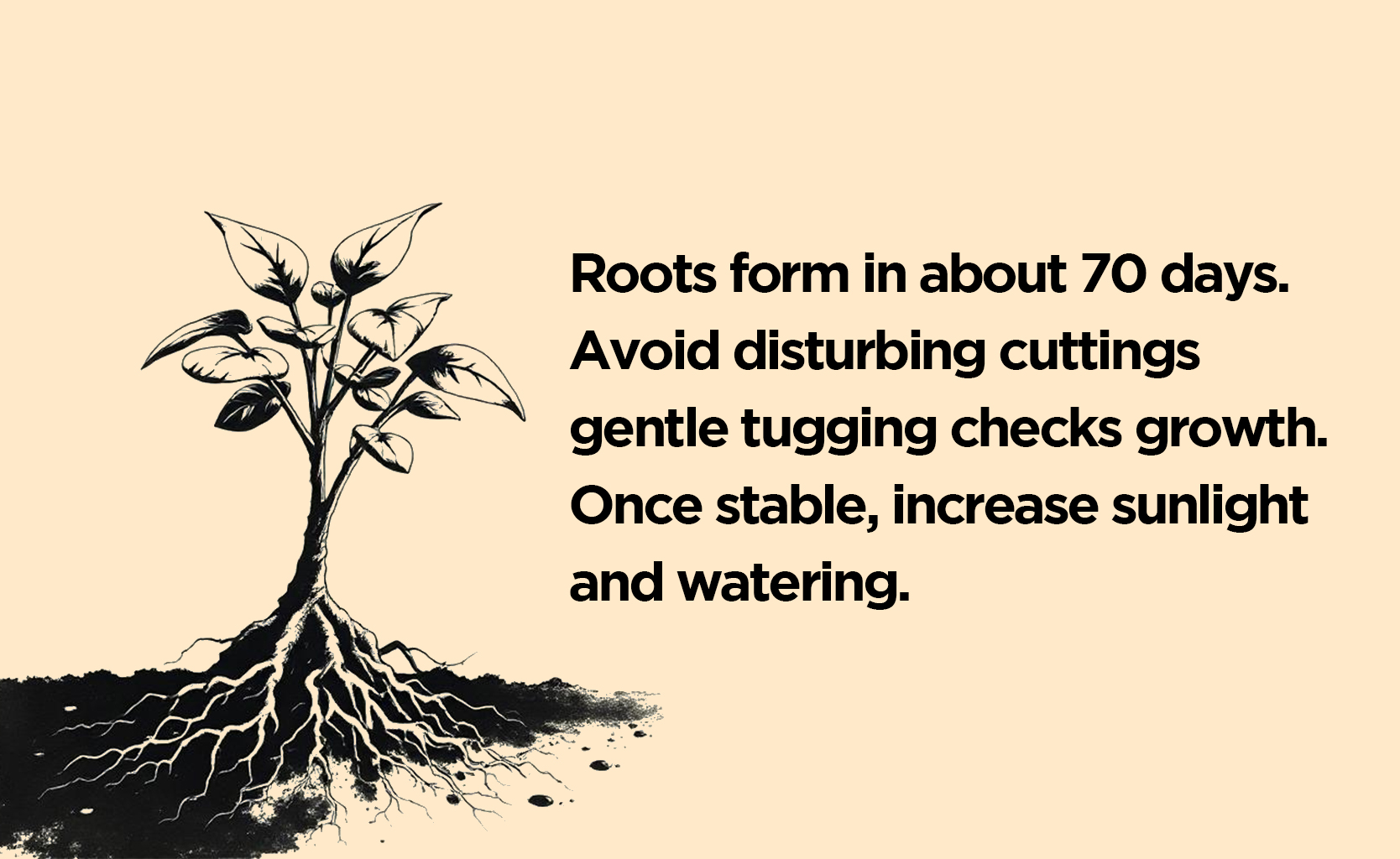
Rooting takes time, so patience is key. Typically, visible roots start forming after 70 days. During this period, avoid disturbing the cuttings. A simple way to check root growth is by gently tugging on the cutting—if there’s resistance, roots have likely formed. Once the plant has developed a stable root system, it can be introduced to more sunlight and watered more frequently.
What Can Go Wrong? (And How to Fix It)
Even though rubber plant propagation is relatively easy, a few mistakes can slow down or completely prevent root development. The biggest issue is using soil that retains too much water, which leads to rot. If the cutting is struggling, switching to a better-draining medium like sand or perlite can make a big difference.
Overwatering is another common mistake. Cuttings don’t need as much water as established plants. The key is to only water when the top inch of soil is dry. Another issue is placing the cutting in direct sunlight too soon—until roots form, bright but indirect light is the safest option.
Decades of Combined Expertise
Best Buy Guidebook is a culmination of online publishing lessons learned. From SEO to paid ads, our team has experienced the highest of highs and the lowest of lows. Our goal now is simple: Arm readers with the most information possible.