
7 Things You Need to Do Right Now for a Healthier Rubber Plant

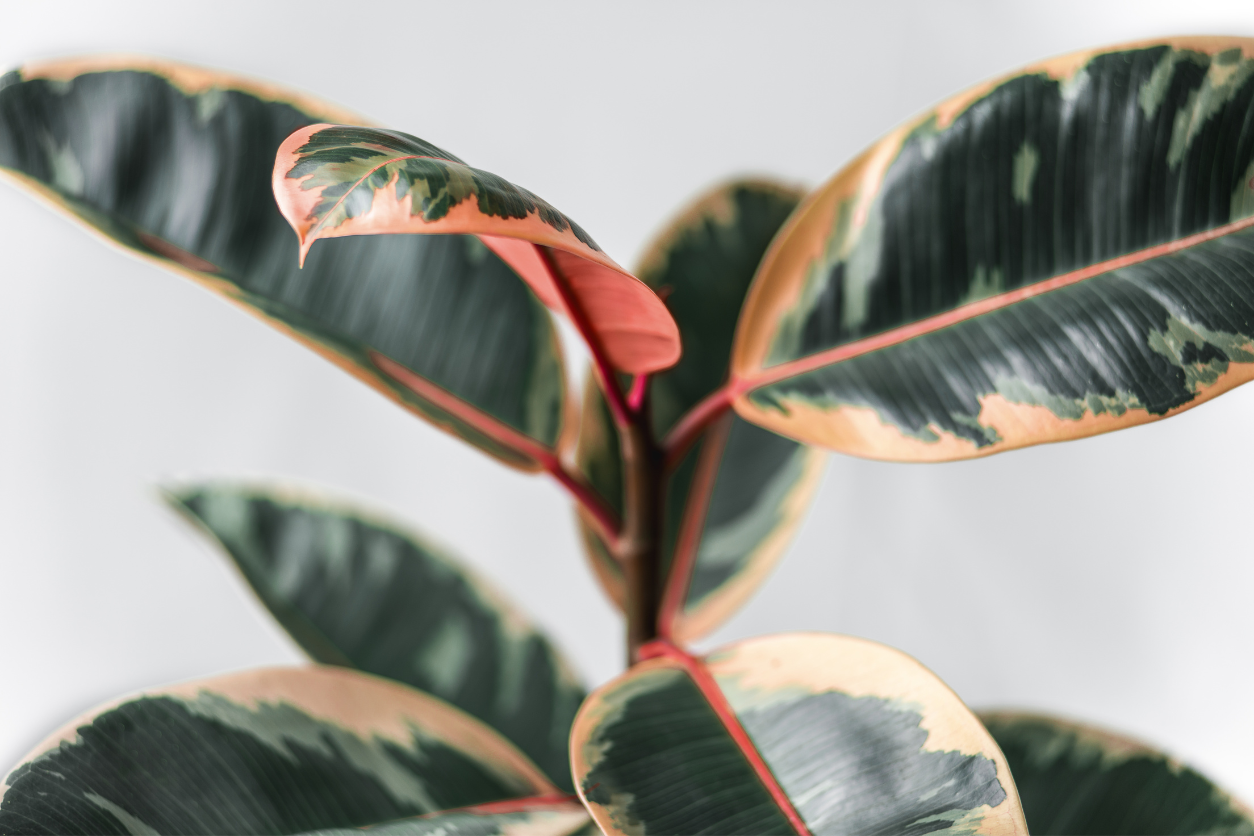
Taking care of a rubber plant (Ficus elastica) might seem simple, but a few key steps can make all the difference between a thriving, glossy-leafed beauty and a sad, struggling plant. Rubber plant care is all about providing the right balance of light, water, humidity, and nutrients while keeping an eye out for common issues like overwatering or pests. If you’ve ever wondered whether you’re doing everything possible to keep your plant healthy, now’s the time to check.
I’ve seen people struggle with slow growth, drooping leaves, or crispy edges, thinking their plant is just “finicky.” But the truth is, a rubber plant is pretty forgiving once you understand what it needs. If you’re ready to make yours thrive, here are seven things you should do right now.
1. Find the Right Light
Rubber plants love bright, indirect light. A spot near a window where it can get plenty of natural brightness but isn’t directly exposed to harsh afternoon sun is ideal. If you’ve heard that direct sunlight scorches the leaves, that’s only half true. Sudden, intense exposure can cause damage, but a rubber plant can handle direct light if it’s gradually introduced to it.
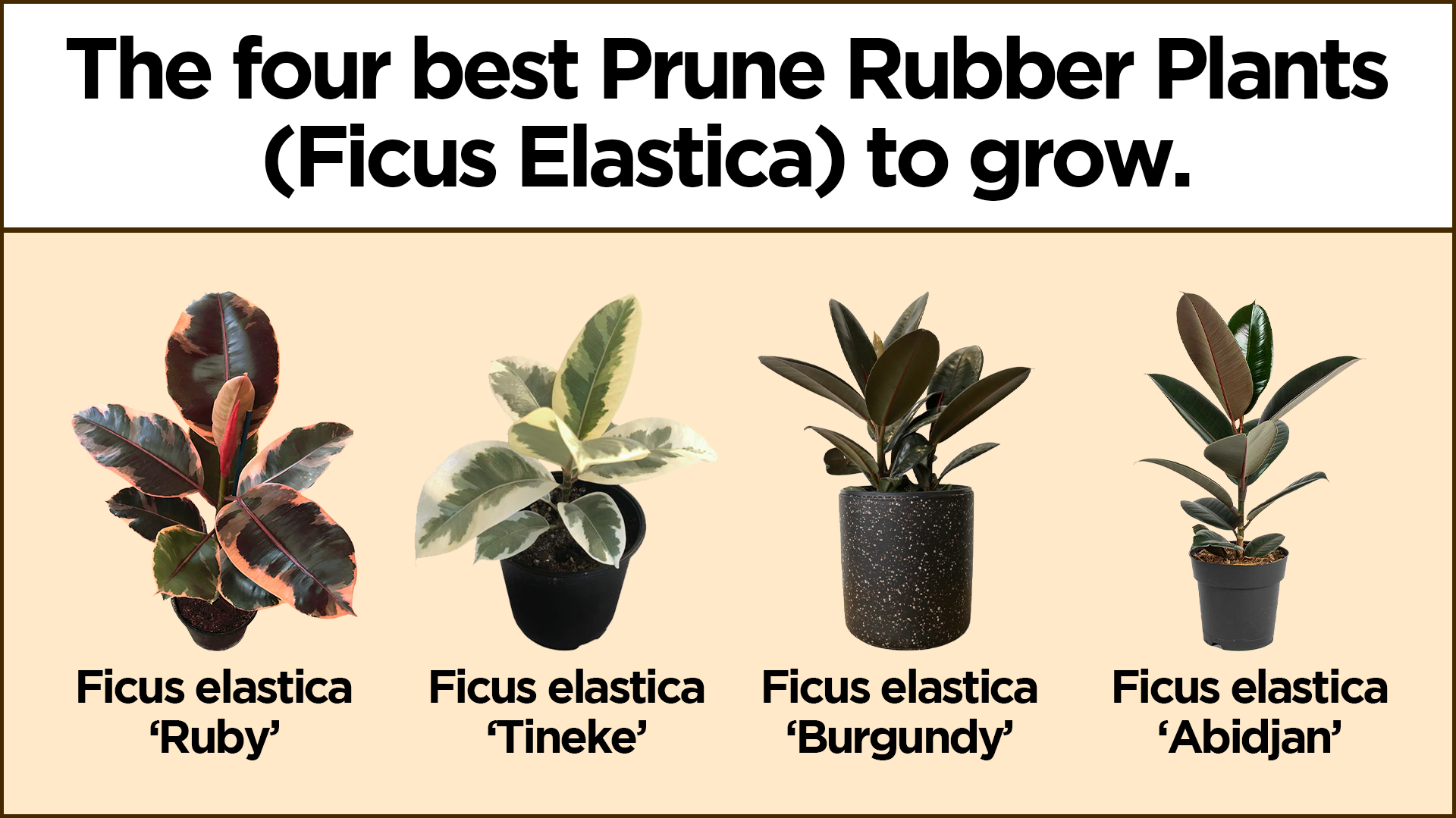
Some varieties, like burgundy and robusta, can tolerate lower light, but they won’t grow as fast or as strong. If your plant is looking a little leggy or stretching toward the window, that’s a clear sign it’s not getting enough light. In that case, consider moving it closer to a natural light source or supplementing it with grow lights.
2. Water It the Right Way
This is where a lot of people go wrong. A rubber plant is not a succulent, so you can’t just forget about it for weeks, but it also doesn’t need constant moisture like a peace lily. The trick is to let the top half of the soil dry out before watering again.
I like to check by sticking my finger into the soil—if the top few inches are dry, it’s time to water. When you do, water thoroughly until it starts draining from the bottom. Then, let it drain completely, and don’t let the pot sit in standing water. Overwatering is the fastest way to kill this plant, leading to root rot and those dreaded yellow leaves.
3. Keep Humidity and Temperature in Check
Rubber plants come from tropical environments, which means they like warmth and humidity, but they’re pretty adaptable. Most homes have enough humidity to keep them happy, but if the air is too dry—especially in winter—you may notice crispy edges on the leaves.
A humidity level above 50% is best. If your home tends to be dry, placing a pebble tray filled with water under the pot or running a humidifier can help. As for temperature, keep it between 60-85°F (15-27°C) and avoid placing your plant near air vents, radiators, or drafty windows. Sudden changes in temperature can stress it out, and that stress shows up in slow growth and dropping leaves.
4. Repot Only When Necessary
Repotting too often can do more harm than good. A rubber plant likes to be a little snug in its pot, so don’t rush to repot unless it’s truly outgrowing its container. If the roots are growing out of the drainage holes or the soil dries out too quickly after watering, it’s time to repot your plant.
When repotting, only go up one pot size to avoid excess soil that can trap moisture and cause rot. Make sure the new pot has drainage holes, and use a well-draining soil mix—something with peat, pine bark, and perlite works well. This gives the plant the balance it needs between moisture retention and drainage.
5. Prune for Shape and Growth
If you let it grow unchecked, a rubber plant will keep shooting straight up like a beanstalk. Without pruning, it won’t branch out naturally, so if you want a fuller, bushier plant, you need to take control.
The best way to encourage branching is by cutting the main stem at the height where you want new growth. The plant will respond by sending out new shoots below the cut, creating a fuller shape. If your plant is already bushy, trimming back leggy stems and removing any yellow or damaged leaves will keep it looking neat.
6. Feed It, But Don’t Overdo It
Like any plant, a rubber plant benefits from occasional feeding, but over-fertilizing does more harm than good. A general houseplant fertilizer once a month during the growing season (spring and summer) is enough. Look for one that contains nitrogen, phosphorus, and potassium, along with trace minerals for balanced growth.
To prevent salt buildup from fertilizers, flushing the soil every couple of months is a smart move. Running water through the soil until it drains out the bottom helps wash away excess minerals that can lead to leaf burn. If you’ve ever seen crispy brown leaf edges despite good watering habits, built-up salts could be the culprit.
7. Watch for Pests Before They Take Over
Rubber plants are tough, but they’re not invincible. The biggest threats are spider mites and mealybugs, both of which love to hide on the undersides of leaves and along the stems. A sticky residue on the leaves or tiny webbing is usually a sign that something unwanted has moved in.
If you spot pests, wiping the leaves with a damp cloth and a mild soapy water solution can help. In more stubborn cases, applying neem oil or an insecticidal soap can get things under control. Regularly checking the plant, especially under the leaves, keeps problems from escalating.
Decades of Combined Expertise
Best Buy Guidebook is a culmination of online publishing lessons learned. From SEO to paid ads, our team has experienced the highest of highs and the lowest of lows. Our goal now is simple: Arm readers with the most information possible.