
Why Yellow Leaves Might Be Your Plant’s Cry for Help

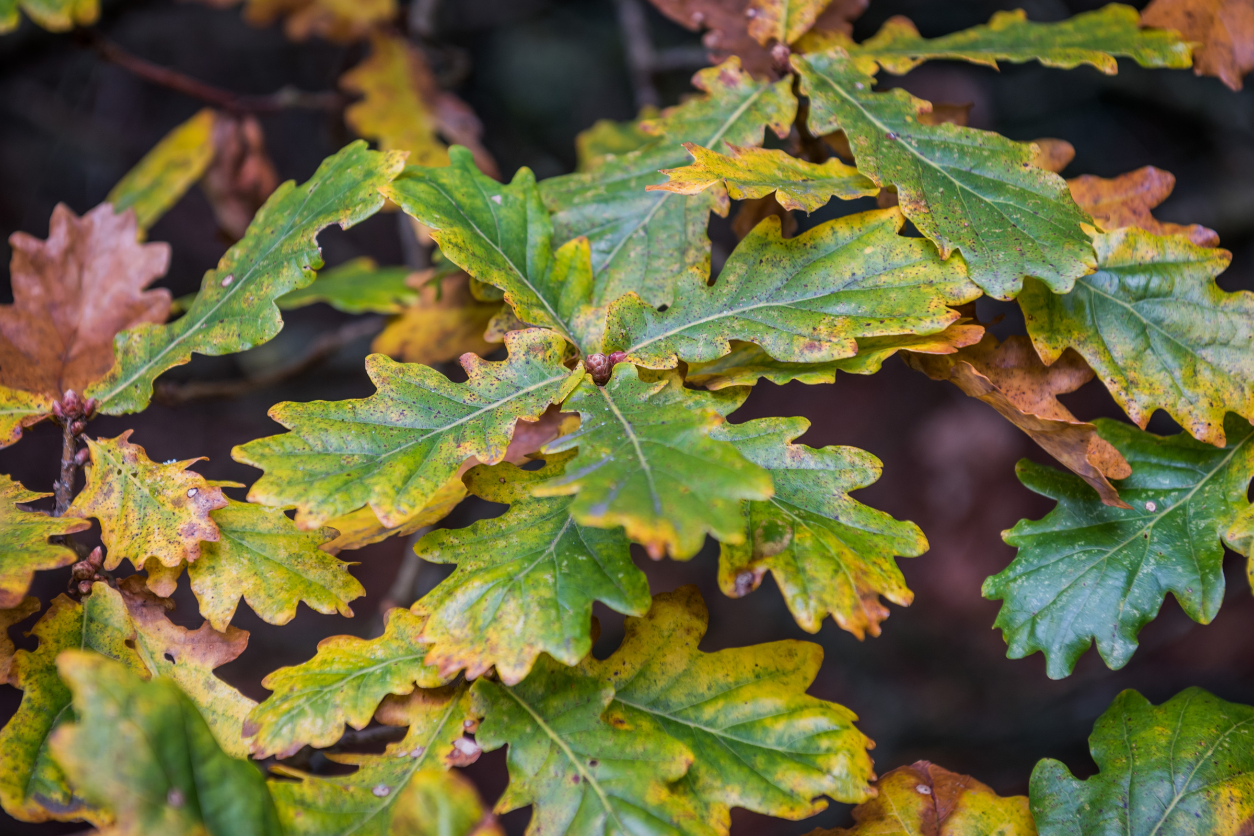
Have you noticed your plant leaves turning yellow and wondered what might be wrong? It’s one of the most common issues plant owners face, and it can leave even the most attentive caregiver scratching their head. Plant leaves turning yellow aren’t just a random occurrence—they’re your plant’s way of signaling that something isn’t quite right. Your plant is telling you it needs a bit of extra attention to thrive.
Yellowing leaves are often a sign of stress, but the reasons behind them can vary. From inconsistent watering to nutrient deficiencies, understanding the root cause can help you bring your plant back to vibrant health.
Let’s break down what might be causing those yellow leaves and, more importantly, how you can help your plant bounce back.
What Causes Plant Leaves to Turn Yellow?
Yellow leaves are often a symptom of a deeper issue. To understand the cause, start by considering your plant’s care routine and environment. Here are the most common culprits behind this problem:
Are You Watering Your Plants the Right Way?
Watering is one of the trickiest aspects of plant care. Both overwatering and underwatering can lead to yellow leaves, but the symptoms they produce differ slightly.
Overwatering is a common mistake, especially for new plant owners who assume more water means a happier plant. Unfortunately, too much moisture suffocates the roots and makes it impossible for them to absorb nutrients. The result is yellow, droopy leaves that might feel soft or even mushy to the touch.
Underwatering, on the other hand, deprives your plant of the hydration it needs to function. When water is scarce, the plant redirects its energy to keeping its core alive, which often means sacrificing older leaves. These yellow leaves are usually dry and brittle.
To avoid both extremes, get into the habit of checking your soil. Stick your finger about an inch deep—if it’s dry, it’s time to water. If it’s still damp, hold off. And always ensure your pot has proper drainage to prevent water from pooling at the bottom.
Could Your Plant Be Missing Nutrients?
Plants rely on a balanced “diet” to maintain their health, and when key nutrients are missing, the effects show up in their leaves. One of the most common deficiencies is nitrogen. Plants need nitrogen for healthy growth, and when they don’t get enough, their older leaves start to yellow from the base upward.
Iron deficiency, however, shows up differently. New leaves appear pale or yellow while the older ones remain green. This often happens when the soil’s pH level is off, making it harder for roots to absorb iron.
Potassium deficiency can also cause trouble. It typically manifests as yellowing edges or spots on leaves. Potassium helps plants regulate water and enzyme activity, so when it’s lacking, plants struggle to maintain their overall vitality.
A balanced fertilizer designed for your plant type can usually correct these issues. But don’t overdo it—too much fertilizer can burn the roots and create even more problems.
Are Pests Harming Your Plants?
Tiny pests can do a surprising amount of damage to your plants, often without you noticing until it’s too late. Sap-sucking insects like aphids, spider mites, and scale feed on the plant’s nutrients, weakening it over time. Yellowing leaves are often one of the first signs of an infestation.
To check for pests, inspect your plant closely. Look for sticky residue, tiny webs, or discolored spots. You may need a magnifying glass to spot smaller bugs like spider mites.
If pests are present, start by isolating the affected plant to prevent the problem from spreading. Then, use a natural remedy like diluted dish soap or neem oil to treat the infestation. Regularly cleaning your plant’s leaves and monitoring for new outbreaks can help keep plant pests at bay.
Is Your Plant Stressed by Its Environment?
Sometimes, the environment itself is to blame for your plant’s yellow leaves. Plants thrive in specific conditions, and when their surroundings change too dramatically, they respond with visible signs of stress.
Temperature swings are a big factor. If your plant is near a drafty window or an air vent, the sudden cold or heat can cause its leaves to yellow and drop. Similarly, plants placed in direct sunlight can develop scorched leaves, while those in overly shaded areas may turn yellow due to lack of light.
Humidity is another key player. Many houseplants, especially tropical varieties, thrive in humid environments. If your home’s air is too dry, the leaves can yellow and develop crispy edges.
The solution is simple: make sure your plant is in the right spot. For tropical plants, consider grouping them together to create a humid microclimate or use a small humidifier nearby. Adjust their placement to provide the right balance of light and temperature.
When to Worry About Plant Leaves Turning Yellow
Not every yellow leaf is a cause for concern. Plants naturally shed older leaves as they grow, and a few yellow leaves at the base of the plant might just be part of its life cycle. Similarly, if you’ve recently moved your plant or repotted it, some temporary yellowing is normal as it adjusts to its new environment.
However, if the yellowing is widespread, affecting new growth, or accompanied by other symptoms like wilting spots, or a bad odor from the soil, it’s time to act. A persistent problem usually points to an issue with watering, nutrients, pests, or the environment. Pay attention to the patterns and timing of the yellowing to identify what’s going wrong.
Decades of Combined Expertise
Best Buy Guidebook is a culmination of online publishing lessons learned. From SEO to paid ads, our team has experienced the highest of highs and the lowest of lows. Our goal now is simple: Arm readers with the most information possible.