
7 Plants That Actually Prefer Staying in the Same Pot

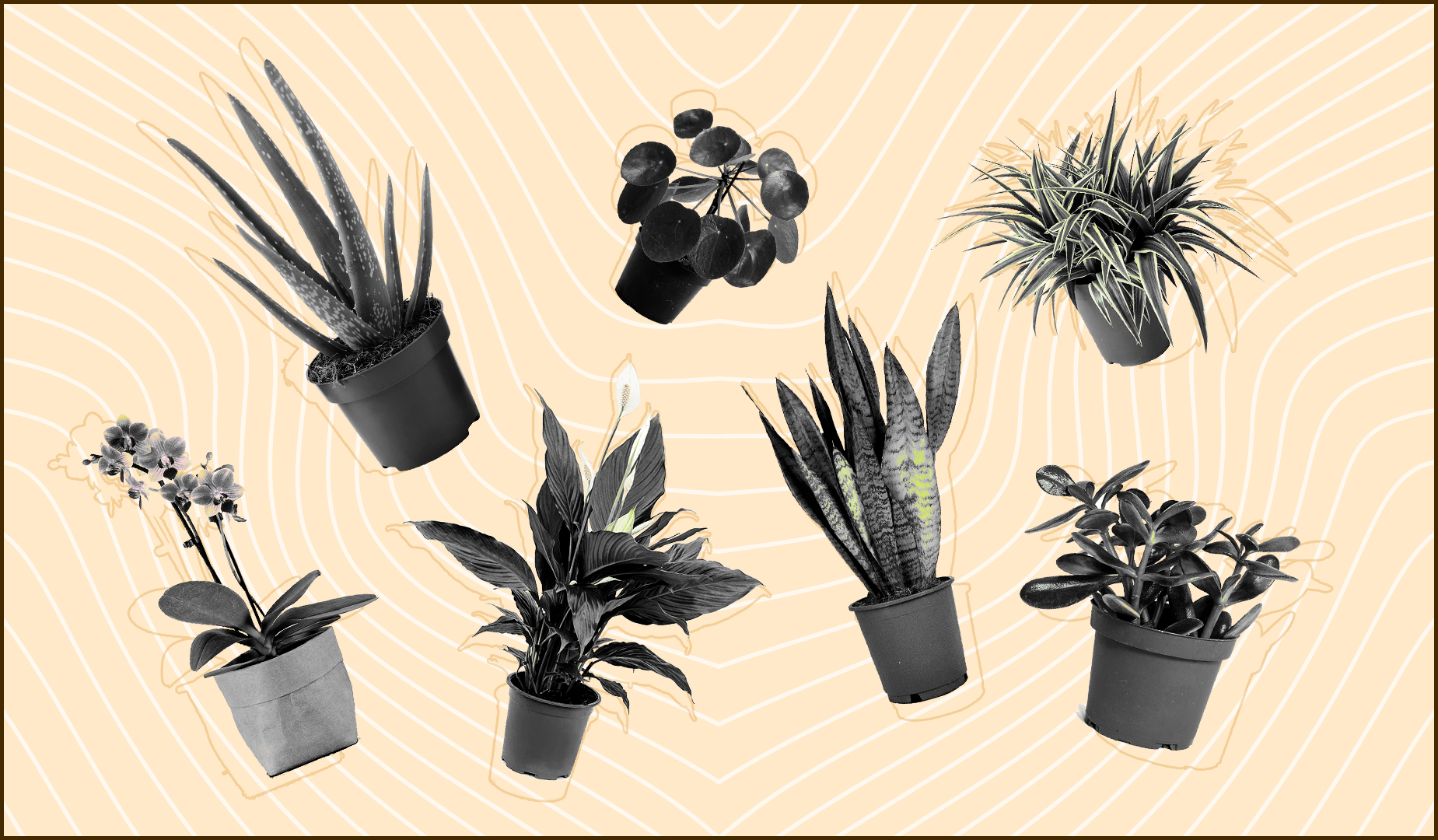
Some plants thrive with only a bit of attention—a regular watering schedule with some light, and they’re usually content. On the flip side, there are other varieties that demand more from us: trimming, weeding, fertilizing, and, yes, even repotting. These plants can be super difficult to take care of if you’re someone with a busy schedule. Luckily, there are still a lot of low-maintenance plants you can choose from that prefer to stay in the same pot.
Let’s explore seven such plants that don’t mind being a little root-bound.
1. Snake Plant (Sansevieria)
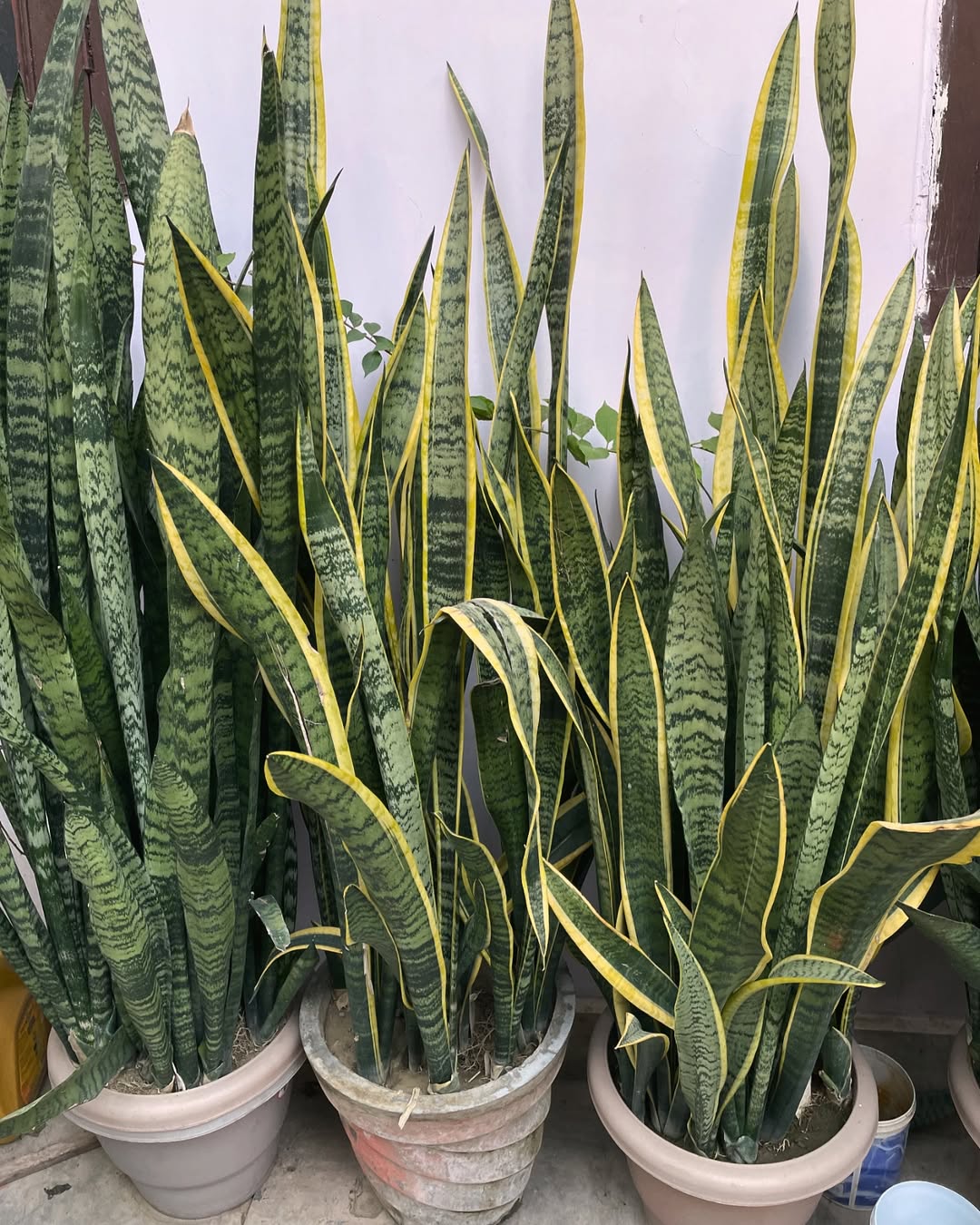
The snake plant absolutely thrives in a root-bound environment. These plants, also known as Sansevieria, are top contenders for anyone seeking low-maintenance indoor greenery. Trust me, I’ve had my fair share of plants that demand constant attention, but the snake plant does great in almost any environment with very little fuss. The only time you need to repot this plant is when the roots begin to push through the pot or if the plant becomes top-heavy and starts to lean.
This plant doesn’t require much sunlight—whether it’s in low light or indirect sunlight, it’s one of the most versatile plants you can have. It also doesn’t hold any grudges against the occasional neglect either—forget to water it for weeks, and it won’t bat an eye. It has the ability to store moisture in its thick leaves, which helps it survive extended dry spells without a problem.
2. Peace Lily (Spathiphyllum)
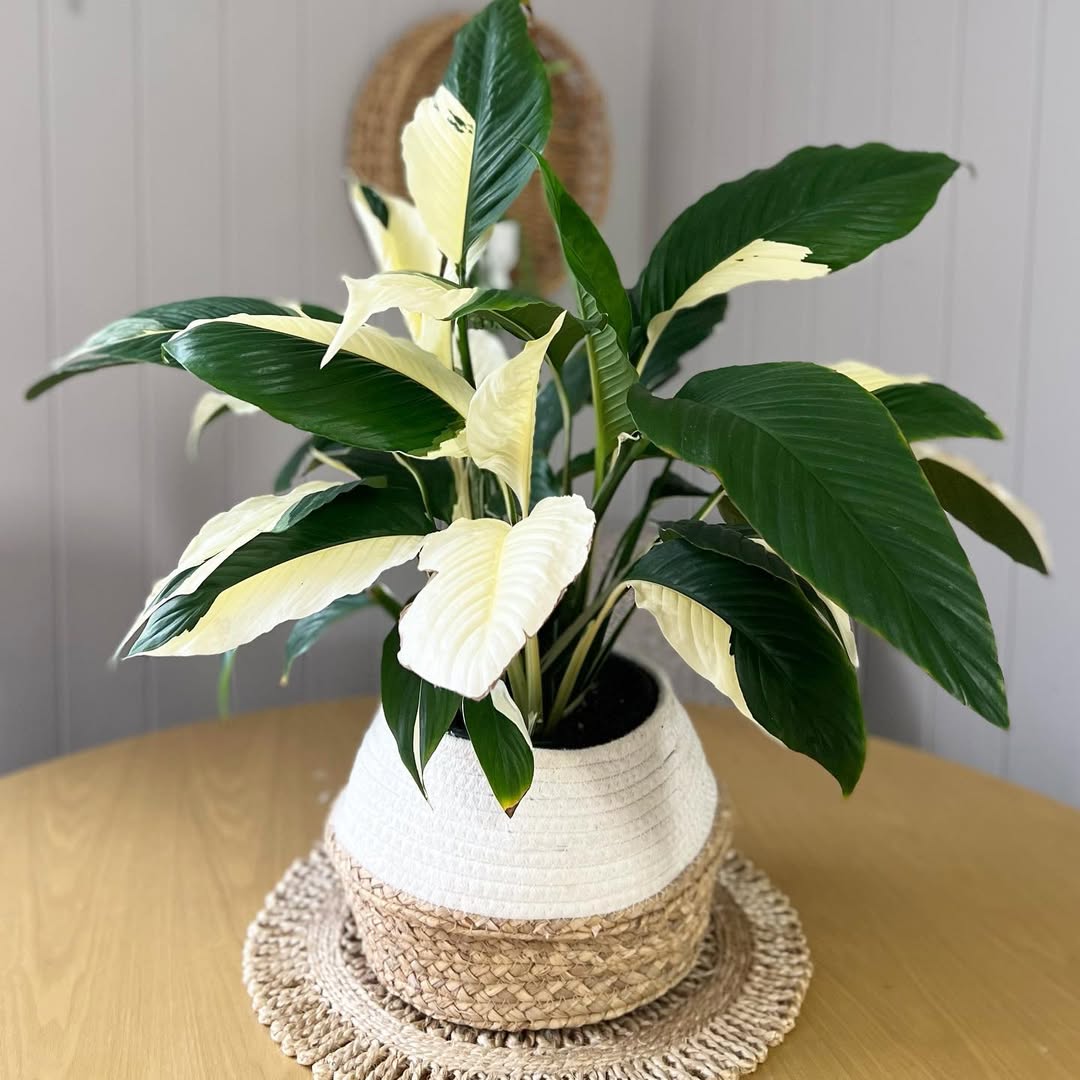
Peace lilies have always held a special place in my heart. Their elegant white blooms are nothing short of stunning, and the fact that they’re also air purifiers just makes them all the better to keep at home. In terms of care, these plants are super easygoing. Sure, they appreciate consistent watering and indirect sunlight, but they’re not exactly high-maintenance. In fact, they’re more than happy staying in the same pot for years, and sometimes, a slightly root-bound peace lily actually thrives more; they tend to bloom more often, almost as if they’re putting all their energy into producing those stunning white flowers. It’s one of the little secrets I’ve come to appreciate about peace lilies—the more they’re somewhat root-bound, the more they reward you with those gorgeous blooms.
That said, they’re not fond of overwatering. If you want to keep your peace lily happy, the key is to let the topsoil dry out between waterings. When overwatered, they can quickly start showing signs of stress, like yellowing leaves or wilting stems.
3. Aloe Vera
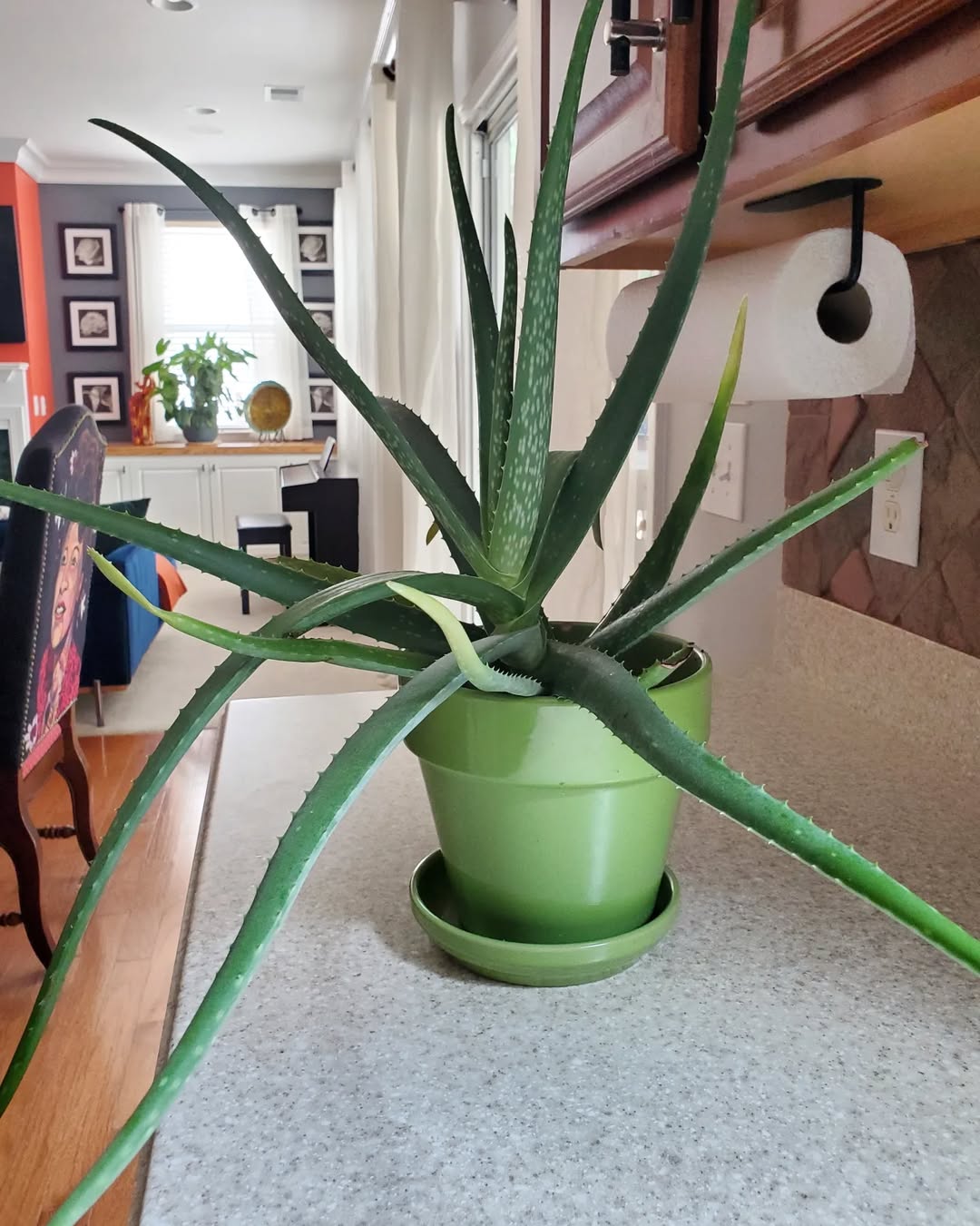
Aloe vera has always been one of my go-to plants. Not only is it famous for its medicinal properties, but it’s also a dream to care for. These succulents also like being slightly root-bound. Aloe vera thrives in well-draining soil, and over time, I’ve learned that it’s important to avoid waterlogged conditions—root rot is something I’ve experienced firsthand, and it’s not pretty.
And the fun thing about aloe is how it can produce “pups”—smaller plants that grow at the base of the main plant. I usually separate them when they start crowding the pot, but sometimes I let them grow together for a fuller look.
4. Spider Plant (Chlorophytum comosum)
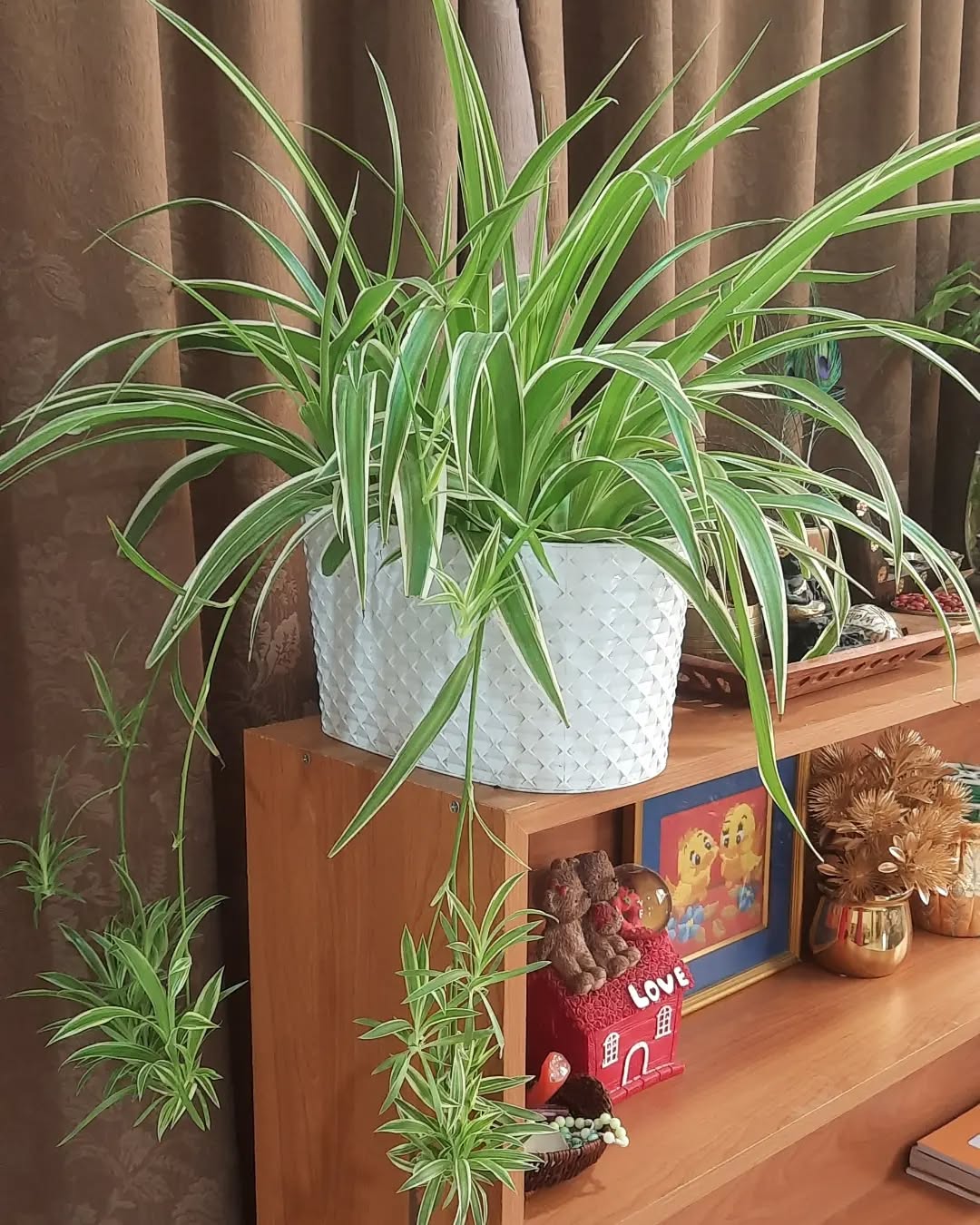
Spider plants are easy to grow, forgiving, and a perfect fit for both homes and offices. Keeping them in their pot often leads to more baby plants, known as spiderettes. These little offshoots are a great way to propagate new plants, so my collection continues to grow.
You’ll find that these plants grow best in bright, indirect light. It’s the perfect spot for them in my home. Repotting is only necessary if the roots completely take over the pot or if the soil starts to degrade. A plant this resilient doesn’t need much more than a bit of attention here and there.
5. Jade Plant (Crassula ovata)
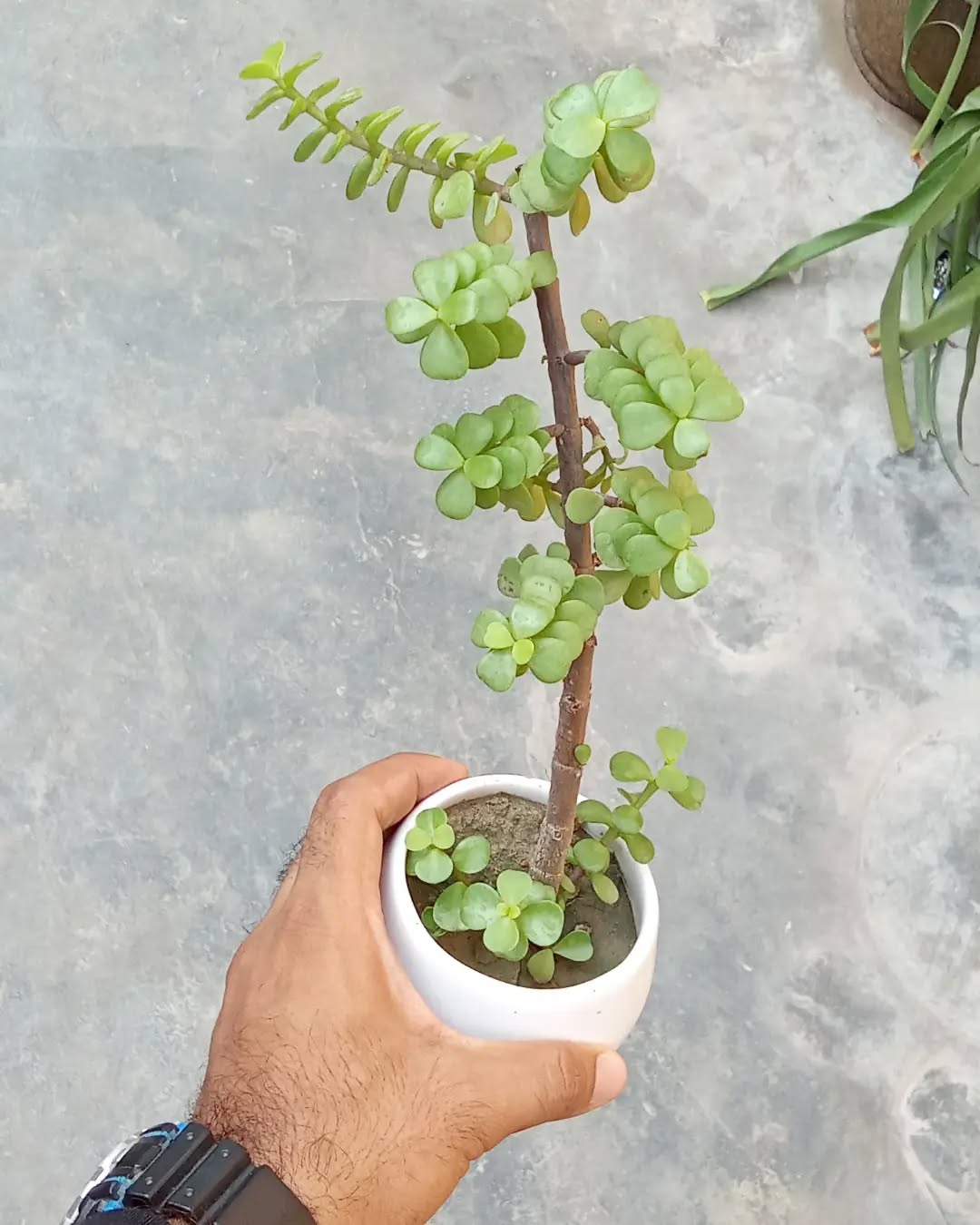
Jade plants are a symbol of good luck and prosperity, which makes them extra special. Beyond their cultural significance, these succulents are incredibly low-maintenance with the ability to grow in the same pot for years. They actually do best when their roots are slightly compact, which helps keep their sturdy, thick structure intact.
I usually only repot these plants every two to three years, or when it starts getting too heavy for its pot. When repotting, I make sure to use well-draining soil to prevent root rot. Jade plants are one of those plants that just keep on giving, and with a little care, they’ll thrive for years to come.
6. Chinese Money Plant (Pilea peperomioides)
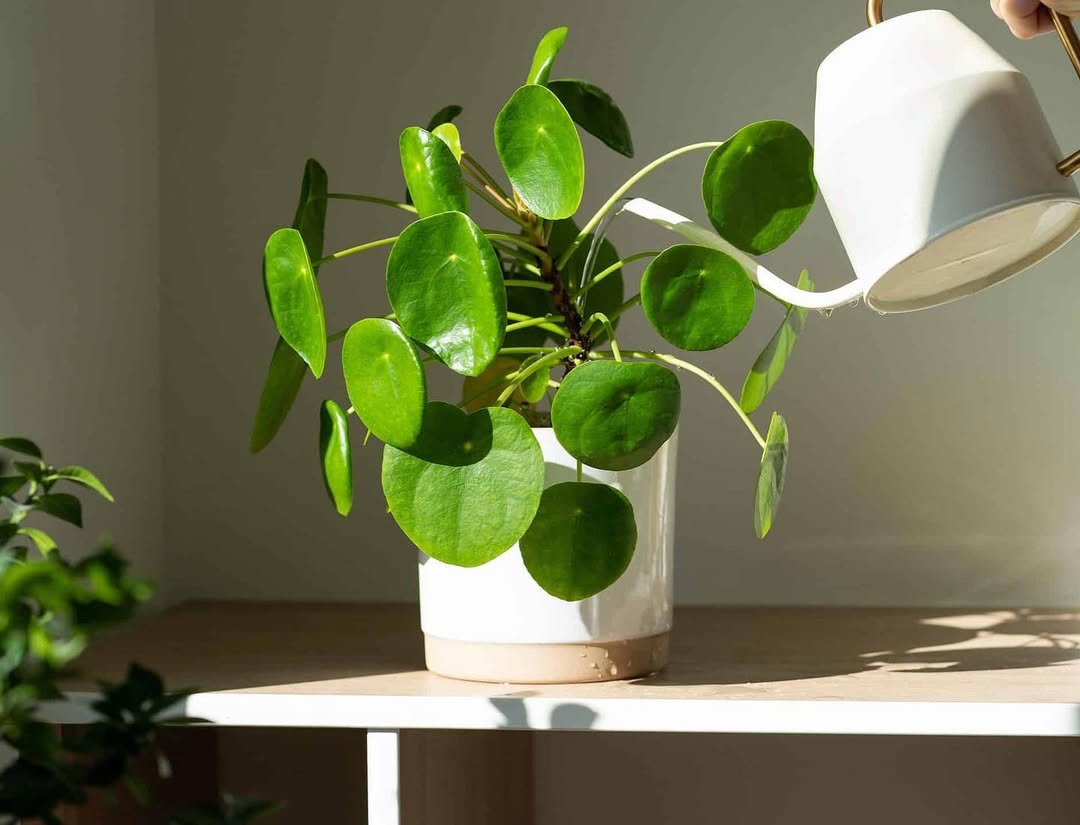
The Chinese money plant, with its unique, round, coin-like leaves, is visually striking and also surprisingly easy to care for. This plant does require the perfect-sized pot—big enough for the roots to spread, but not so large that the plant gets lost. It doesn’t appreciate frequent repotting, and I’ve found that unnecessary repotting can disrupt its growth, so I try to avoid it unless absolutely needed.
It’s fascinating to observe how quickly the Chinese money plant grows, sending out baby plants (called offsets) that I can easily separate and pot individually. You can water it once a week during growing seasons. If it starts getting top-heavy, a slightly larger pot can help stabilize it, but for the most part, it’s a pretty straightforward, happy plant.
7. Orchids (Phalaenopsis)
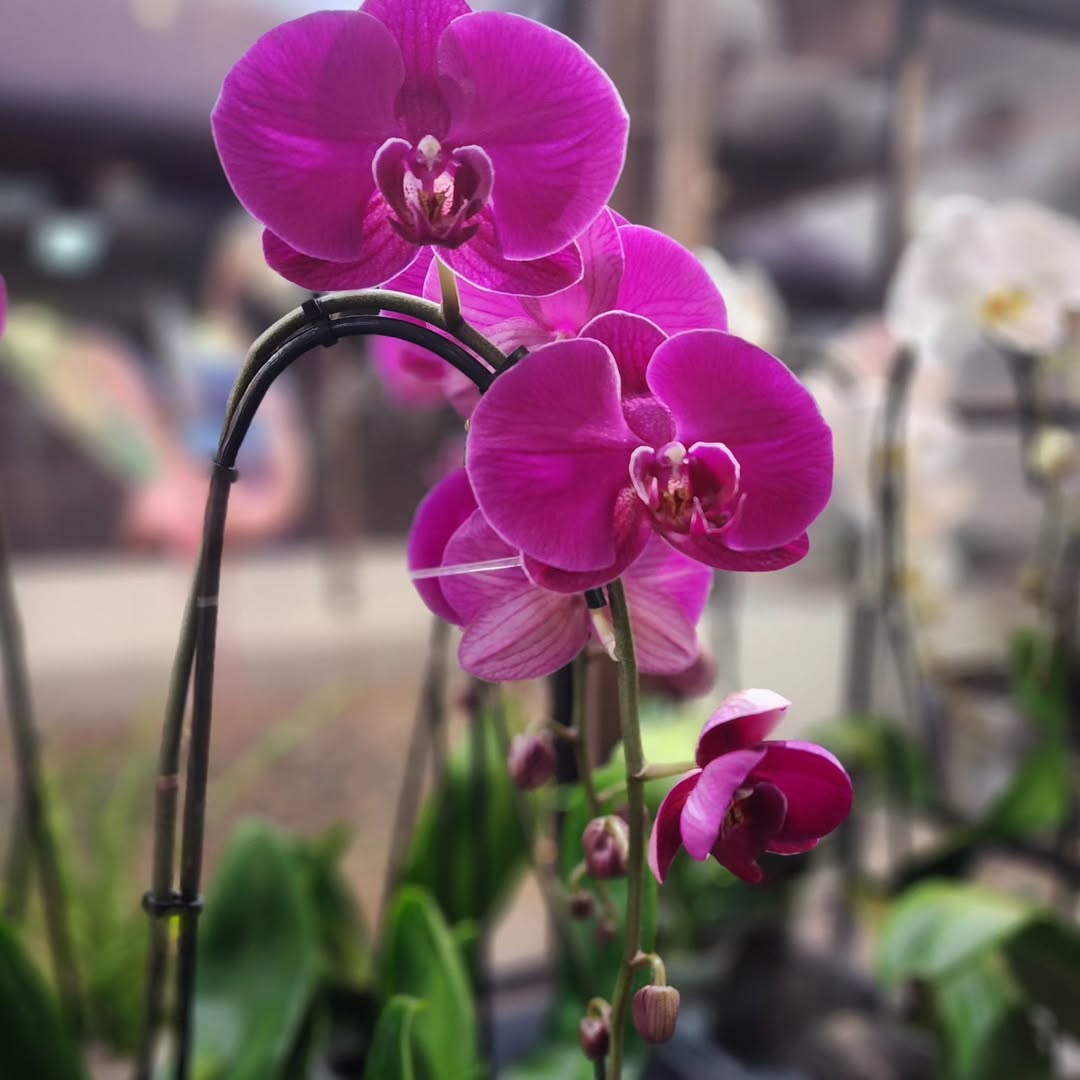
Orchids often get a reputation for being high-maintenance, but they’re much more resilient than they seem. These stunning plants actually thrive when they’re in a smaller pot. In their natural habitat, their roots cling to trees, so the tight space of a small pot mirrors that environment.
When planting an orchid, be mindful that it needs a special potting mix, like bark or sphagnum moss, to provide proper drainage and airflow. It’s key to keeping their roots happy. In terms of repotting, I typically do that every two years, or when the potting mix starts breaking down. When I do repot, I’m always careful with their delicate roots—damaging them can stunt growth or harm the plant. With a little attention, orchids will reward you with those beautiful blooms that make all the care worthwhile.
When to Consider Repotting Plants That Prefer Tight Spaces
Even plants that prefer staying in the same pot might need to be repotted at some point. As Julie Bawden-Davis, a gardening author, wisely points out, “Every plant is different, every microclimate in every home is different, and what each plant needs is different.” So, how do you know when it’s time to make that change?
Julie highlights a few key signs that indicate a plant may need a new pot. One of the most telling signs is when “roots are growing out of the bottom of the pot,” which could suggest that the plant is outgrowing its current container. Another clear indication is when the plant begins to show symptoms like yellowing leaves or quicker leaf loss, which often means that it’s not receiving enough nutrients due to overcrowded roots.
Julie also reminds us that sometimes, simply adding fresh soil can do wonders, even without needing a bigger pot. “Sometimes, you may not need to go into a bigger pot. All you need to do is put in new soil,” she advises, as this can replenish the nutrients and give the plant the space it needs to continue growing healthy and strong.
Decades of Combined Expertise
Best Buy Guidebook is a culmination of online publishing lessons learned. From SEO to paid ads, our team has experienced the highest of highs and the lowest of lows. Our goal now is simple: Arm readers with the most information possible.