
I Tried Propagating a Spider Plant—Here’s Everything I Learned (and What I’d Do Differently)

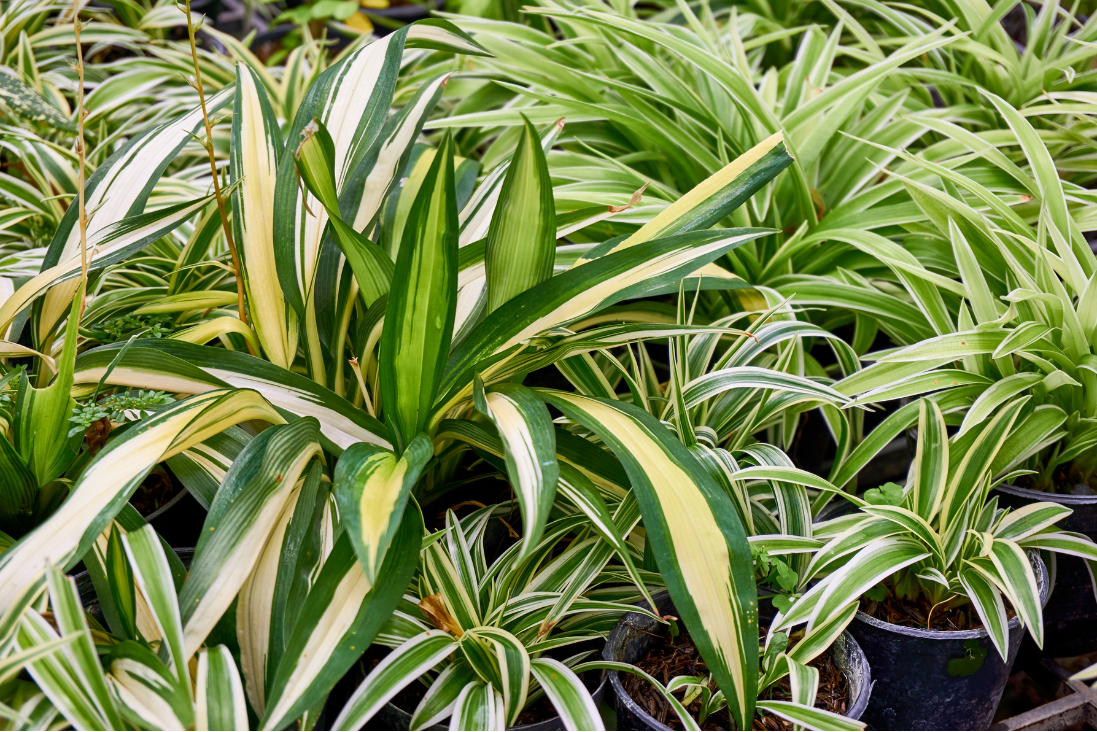
Propagating houseplants always seemed like a mix of science and art to me, so I decided to give it a go with a spider plant. These plants are known for their hardy nature and ability to produce adorable little offshoots (often called “spiderettes”), which made them seem like the perfect starter project. Plus, I wanted to understand how to propagate spider plants to fill my home with greenery without spending a dime.
My journey turned out to be surprisingly straightforward—but not without its challenges. From figuring out the right tools to understanding what spiderettes really need, I gathered a wealth of tips, mistakes, and lessons.
What You Should Know About Propagating Spider Plants
Spider plants are incredibly forgiving and propagate through their offshoots, or “spiderettes,” which grow from the mother plant on long stems. These baby plants can form roots while still attached to the parent, which makes them ideal and low-risk options for beginner plant enthusiasts. Harli G, a passionate plant enthusiast, shares her insights on how to propagate these charming plants.
According to Harli, the key to successful propagation starts with choosing the right spiderettes: “You want to look for a plant that has a little node, a shiny little bump that protrudes from the bottom of the plant. If it has a node, the chances of survival are just so much better.” Nodes act as the point from which roots can develop, so it’s easier for the new plant to take off. She recommends cutting the spiderette as close to the base of the plant as possible without damaging the main plant.
While you can leave the spiderettes attached to the mother plant to develop further, Harli also shares that it’s completely fine to cut them off if you’d prefer a quicker process. Once separated, you can propagate them in water or soil or even by towel. As Harli puts it, “These guys spit out babies like nobody’s business,” so you’ll likely have plenty of spiderettes to work with!
Keep in mind that the overall health of the parent plant will heavily influence the success of the propagation process. If your mother plant is thriving, your chances of growing healthy spiderettes will be higher.
How to Propagate Spider Plants
When it comes to propagating spider plants, you have two main options: water propagation or planting directly in soil. Both methods work, but they cater to slightly different needs.
Method 1: Water Propagation
This is the method I chose for my first attempt. After snipping off a few healthy spiderettes with sterilized scissors, I placed them in a glass of water, ensuring only the root nodes were submerged. I made sure the leaves stayed above water to avoid rotting.
Every few days, I replaced the water to keep it fresh and oxygen-rich. Within about a week, tiny roots began to sprout. It was fascinating to watch them develop, and it gave me a clear indicator of when they were ready to be potted. Once the roots were about an inch long, I transferred them into a small pot with well-draining soil.
Method 2: Direct Soil Propagation
For my second attempt, I skipped the water stage entirely and planted the spiderettes directly into the soil. I used a lightweight, well-aerated potting mix designed for houseplants. I kept the soil slightly moist but not soggy, as excess water can cause root rot.
The direct soil method took a bit longer to show results, but it required less monitoring than water propagation. I noticed new growth after about three weeks, which was a reassuring sign that the roots had established themselves.
Tools and Materials You’ll Need
Having the right tools on hand made my propagation process smoother. Here’s what I used:
- Sharp, sterilized scissors
- A small glass jar or cup
- A well-draining potting mix
- Small pots with drainage holes
- A watering can
These basics are easy to source, and you may already have most of them at home. Just make sure everything is clean and free of bacteria before use.
Common Challenges and Solutions
The process of propagating these plants certainly wasn’t easy, so I decided to share the challenges I faced and what I did to overcome them.
Root Rot
One of the biggest mistakes I made during my first attempt was overwatering. I was so eager to see results that I ended up soaking the soil too much, which caused one of my spiderettes to develop root rot. Lesson learned: always check that the soil is slightly dry before watering again.
Stunted Growth
If your spiderettes aren’t thriving, it could be due to insufficient light. During my experiment, I moved my pots closer to a bright, indirect light source and noticed a significant improvement. Spider plants aren’t too fussy, but they do need enough light to grow strong roots.
Wilting Leaves
This issue caught me off guard, especially since spider plants are known to be hardy. After some research, I discovered it was due to inconsistent watering. Keeping a consistent schedule—and sticking to it—helped resolve the problem.
What I’d Do Differently
Looking back, there are a few things I’d change to make the propagation process even easier and more effective.
Timing Is Everything
I started my propagation during a cooler season, which slowed the growth process. Spider plants respond better to warmer conditions, so I’d recommend starting in spring or summer when temperatures are more favorable.
Using a Humidity Dome
I noticed that the spiderettes I planted directly in the soil took longer to establish roots than those propagated by water. Next time, I’d use a simple humidity dome or plastic cover to create a greenhouse effect. This helps maintain moisture and speeds up root development.
Spacing Out Propagations
Initially, I tried propagating several spiderettes at once, which made monitoring them overwhelming. Spreading out the process would have allowed me to focus more on each plant and better understand their individual needs.
Decades of Combined Expertise
Best Buy Guidebook is a culmination of online publishing lessons learned. From SEO to paid ads, our team has experienced the highest of highs and the lowest of lows. Our goal now is simple: Arm readers with the most information possible.