
What Your Plant’s Color Says About Its Health (And How to Respond)

Being plant owners, what we love most about our plants is seeing them growing: every day, new leaves (fully green) and, after a few days, new branches – it’s all so fascinating to witness. But our plants don’t always grow the way we desire, and instead of producing greener, fresher leaves, they end up giving us yellow, wilted leaves. At this point, ask one question, “What’s wrong with my plants?” The colors of your plant’s leaves can often serve as a natural health indicator and offer clues about how it’s coping with its environment. Yellowing leaves, brown spots, or faded greens are your plant’s way of signaling that something isn’t quite right.
Plants are sensitive to changes in light, water, soil, and even air quality. When something feels off, their leaves often display the first signs. For example, a shift from bright green to pale yellow might point to overwatering, while crispy brown edges could mean a lack of humidity.
In this guide, let’s break down the common colors your plant might display, what they mean for its health, and how you can respond effectively.
Healthy Green
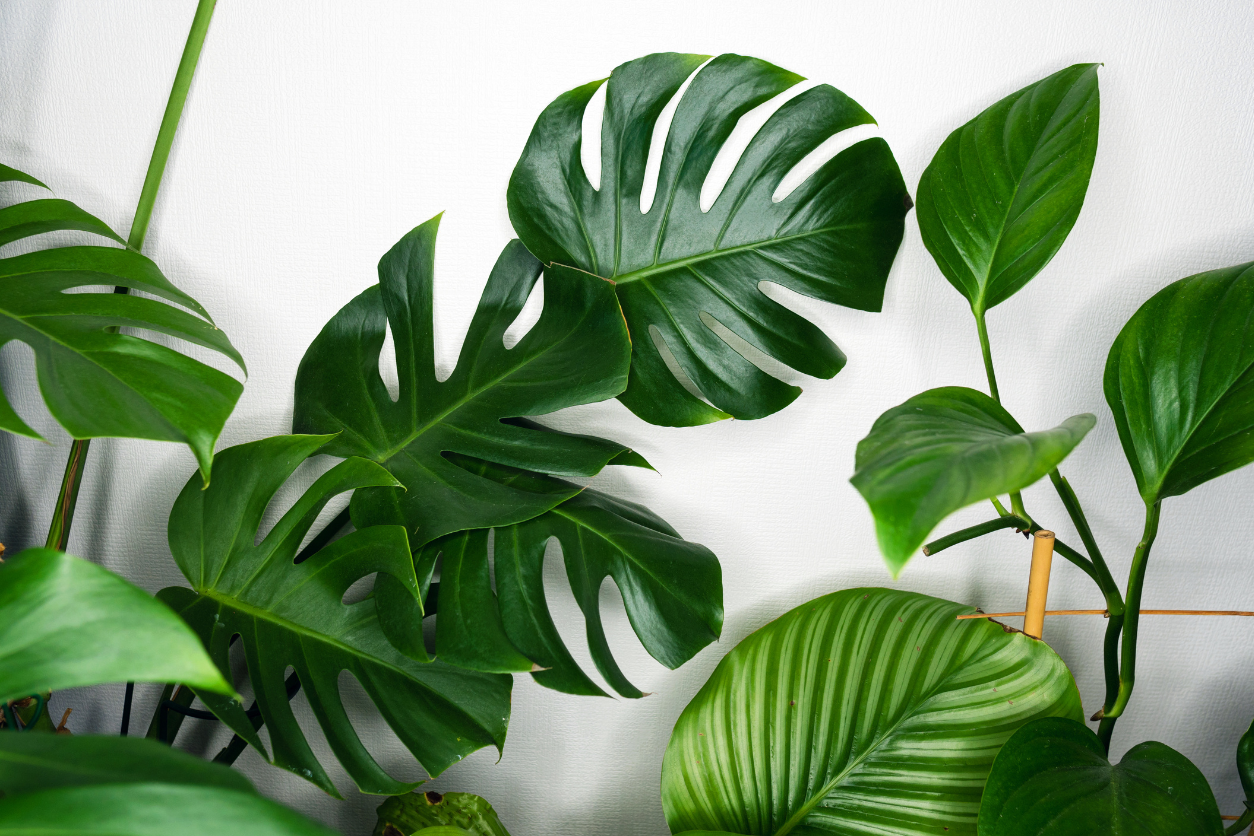
When your plant’s leaves are a rich, vibrant green, you’re in the clear. This is what healthy looks like. It means your plant is getting just the right amount of water, light, and nutrients. Green leaves are the goal, and keeping them that way involves consistent care—not too much, not too little.
But even when everything looks good on the surface, it’s worth checking the soil occasionally. Pests or nutrient imbalances often hide before they make their debut in the leaves. Keep an eye out for sneaky signs, like stunted growth or tiny bugs on the underside of the leaves. Catching these early will help you keep that green glow intact.
Yellow Leaves
Yellow leaves are one of the most common signs that something’s off. When you notice this, the first thing to assess is your watering routine. As Juliette from My City Plants highlights, “Yellowing can result from under or over-watering. To establish a proper watering frequency, I recommend testing the soil once every 7 to 10 days.” Juliette also emphasizes the importance of soil type, noting, “For plants like snake plants, the soil needs to be completely dry before watering, while others, like Aglaonema, prefer slightly moist soil.”
She adds that nutrient deficiencies can also be a culprit. “If your plant has been around for over a year, it likely needs feeding. Fertilizing during the growing season can support its health,” Juliette advises. Her practical tips, like using a soil moisture meter and regularly inspecting plants for pests or other signs of distress, provide actionable steps for plant care enthusiasts.
Brown Edges
Brown edges on your plant’s leaves often indicate a humidity problem, especially for tropical plants like calatheas or ferns. These plants thrive in higher moisture environments, and dry air can quickly lead to crispy tips.
As Claire, a household plant enthusiast of The Jungle Haven, explains in her guide, “Think of plant leaves like your skin. If exposed to low humidity for long periods, they dry out, crack, and lose their vibrancy.” She recommends maintaining a humidity level of at least 65%, particularly when using indoor heating. “Central heating drains the air of moisture, which plants need to stay healthy,” she adds.
To boost humidity, Claire suggests practical solutions like grouping plants together to create a humid microclimate, hanging wet clothes near radiators, or placing cups of boiling water close to your plants. She also clarifies a common misconception: “Misting can help slightly, but it’s no substitute for a humidifier if you want to maintain consistent moisture levels.”
Another cause of brown tips could be fertilizer imbalances. Over-fertilizing leads to salt build-up in the soil, known as fertilizer burn. “Flushing the soil every few months with filtered or rainwater can clear out excess salts and give your plant’s roots a fresh start,” Juliette advises. However, she cautions against overwatering during this process: “Always ensure your plant is ready to be watered before flushing the soil to avoid root rot.”
Irregular watering routines can also stress plants, leading to brown edges. Juliette emphasizes the importance of observing your plant’s specific needs: “Watering on a schedule that matches the plant’s requirements—not your convenience—is key to keeping it happy.”
Pale Green or Faded Leaves
When your plant’s vibrant green fades to a dull or pale shade, it’s likely crying out for more light. This often happens with indoor plants placed in dimly lit corners or during shorter winter days. Without enough light, photosynthesis slows, and the plant can’t produce the energy it needs to maintain its rich color.
Move your plant closer to a bright window, but be cautious with direct sunlight, which can scorch sensitive leaves. For plants like succulents or cacti, direct light is usually fine, but others might need filtered light to avoid damage. If natural light isn’t an option, consider using grow lights as a supplement.
White or Silvery Coating
A white or silvery coating on your plant’s leaves could indicate powdery mildew or a pest infestation, like spider mites. Powdery mildew thrives in humid conditions with poor air circulation and appears as a soft, powdery substance on the leaves.
To tackle this, increase airflow around the plant and avoid misting its leaves. Wipe the leaves gently with a damp cloth, and consider using an organic fungicide if the problem persists.
Spider mites, on the other hand, leave behind a faint, silvery web-like residue. These pests can spread quickly, so isolating the affected plant is critical. Regularly cleaning the leaves and using a gentle insecticidal soap can help eliminate them.
Black Spots
Black spots on leaves can mean root rot or a fungal infection. Root rot happens when a plant sits in waterlogged soil for too long, causing its roots to decay. Once the roots start to go, the leaves often follow, developing blackened patches.
If you suspect root rot, take the plant out of its pot and inspect the roots. Healthy roots should be white or light brown while rotting ones will look dark and feel mushy. Trim away the damaged roots and repot the plant in fresh, well-draining soil. For fungal infections, keep the leaves dry and consider a fungicide to prevent further spread.
Red or Purple Tints
While less common, some plants develop red or purple hues in response to stress. This can be a sign of temperature extremes, too much direct light, or even a lack of phosphorus in the soil.
Plants like succulents and some philodendrons naturally show red or purple tones, so make sure to distinguish between normal coloration and stress-induced changes. If the color shift seems sudden or unusual, investigate environmental factors or consider adding a phosphorus-rich fertilizer.
What’s Wrong with My Plant?
A quick checklist can guide you through identifying and fixing the issue:
- Inspect the soil. Is it too wet or too dry? Adjust your watering routine as needed.
- Check for pests. Look closely at the undersides of leaves and stems for signs of insects.
- Consider lighting. Does your plant have access to enough light? Relocate it or add artificial lighting if necessary.
- Look for nutrient deficiencies. Yellowing or pale leaves might indicate the need for fertilizer.
Decades of Combined Expertise
Best Buy Guidebook is a culmination of online publishing lessons learned. From SEO to paid ads, our team has experienced the highest of highs and the lowest of lows. Our goal now is simple: Arm readers with the most information possible.