
I Tried Growing Herb Plants Indoors—Here’s What Happened

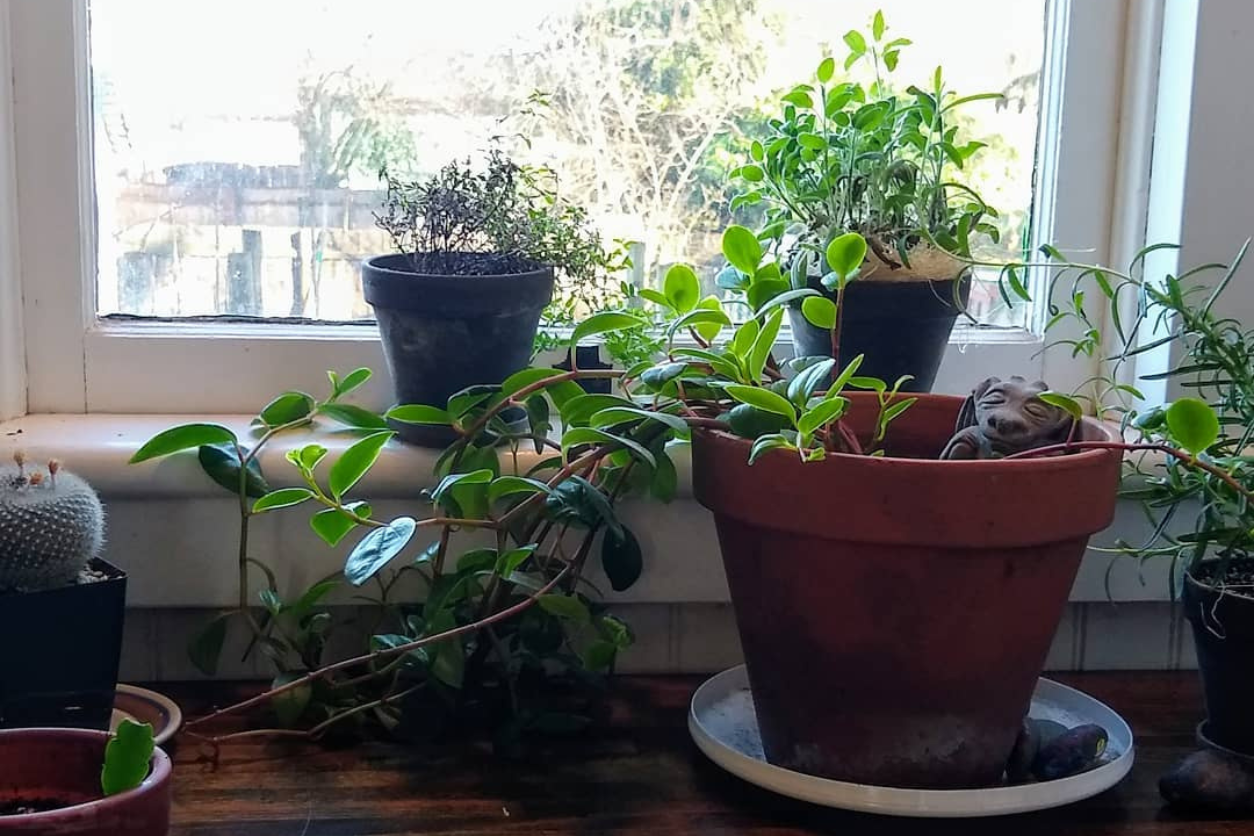
Growing herbs indoors seemed like a genius idea at first. Fresh basil for pasta, a sprig of mint for my tea—what could go wrong? Turns out a lot. Herb plants aren’t like those nearly indestructible succulents that survive on neglect. They have opinions, moods, and a very particular way of letting you know when they’re unhappy (usually by dying dramatically). But through trial, and error, and a few near-miraculous resurrections, I figured out what works and what absolutely doesn’t. Here’s how it all went down.
Picking More Herbs Than I Could Handle
I walked into the plant store, thinking I’d grab a couple of herb plants. I walked out with what can only be described as a full-scale indoor farm. Basil, cilantro, rosemary, thyme, dill, mint—you name it, I thought I could grow it. The problem is that every single one of these plants has its own needs. Some thrive on sunlight, while others prefer a little shade. Some like a lot of water, others prefer to be ignored. If you try to manage all of them, you’d essentially be running a daycare for picky toddlers.
The smarter move is to start small. Pick two or three herbs you actually use and figure out what makes them tick. Herbs may be tiny, but they each have a personality, and getting to know them one at a time saves you from unnecessary heartbreak.
Pots, Jars, or That One Mug I Love?
I was all set to plant my herbs in whatever random containers I had lying around. That old coffee mug? Perfect! A mason jar? Why not! Turns out, there’s one minor detail I overlooked—drainage. And by “minor,” I mean “absolutely crucial unless you want your plant to drown in its own misery.”
Herbs hate sitting in waterlogged soil. If your container doesn’t have a drainage hole, your plant’s roots will start to rot, and suddenly, that lush green basil will turn into a sad, wilted mess. So while that quirky vintage teacup might look cute, do yourself (and your herb plants) a favor and get a real pot with drainage. If you’re determined to use your mug, just slip a proper pot inside it—style and function can coexist.
Finding the Sweet Spot in My Apartment
Herbs are light hogs. Most need at least six hours of direct sunlight to stay happy, which means that the dimly lit corner of my kitchen was never going to cut it. I tried moving them to different windows but soon realized that the north-facing ones might as well be a cave.
If you don’t have enough natural light, grow lights are a game-changer. They’re not just for hardcore gardeners—anyone with a low-light apartment can benefit from them. Just set them up about six to twelve inches above your plants.
Too Much Love (or Water) Can Kill
I thought watering my herbs frequently was the best way to show I cared. Spoiler alert: It wasn’t. Overwatering is one of the fastest ways to kill your plants, and I learned that the hard way. The leaves started turning yellow, and before I knew it, my once-thriving herbs were looking like they’d lost the will to live.
A good rule of thumb is to always check the soil before watering. Stick your finger about an inch in—if it’s dry, go ahead and water. If it’s still damp, leave it alone. Herbs like consistency, but they also need a little breathing room.
The Day I Found Bugs in My Herb Plants
Nothing prepares you for the horror of spotting tiny invaders on your plants. One day, my basil leaves started looking a little sad, and upon closer inspection, I found aphids having a feast. In my own home. On my own basil. The betrayal.
Indoor plants aren’t immune to pests. The best way to handle them is to catch them early. I went the natural route with a little neem oil mixed with water, sprayed it on the leaves, and the bugs got the message.
Patience Is a Virtue (That I Didn’t Have at First)
I’m not a particularly patient person, and herbs, unfortunately, don’t grow overnight. Every morning, I’d check them like a kid waiting for Christmas, only to find that—shocker—plants take time to grow.
Basil tends to sprout quickly, but thyme and rosemary like to take their sweet time. Instead of hovering over them, I learned to just trust the process. If they have enough light, the right amount of water, and decent soil, they’ll do their thing.
When I Took Too Much, Too Soon
Harvesting herbs is one of the most satisfying parts of growing them, but there’s a right way to do it. In my excitement, I went in with scissors like a chef prepping for a five-star meal, snipping off way too much at once, only to end up with stunted plants that struggled to recover.
The trick is to only take a third of the plant at a time. That way, it keeps growing and producing new leaves instead of going into panic mode. It’s a give-and-take—literally.
The Unexpected Joy of Cooking With My Own Herbs
There’s nothing quite like the moment you grab fresh basil from your own kitchen and toss it into a dish. It smells stronger, tastes fresher, and suddenly, you feel like a gourmet chef. Even something as simple as scrambled eggs or a cup of tea is so much more fulfilling when you’ve grown the herbs yourself.
Would I Do It Again?
Absolutely. Indoor herb gardening wasn’t without its struggles, but the little victories made it worth it. Sure, I killed a few plants along the way, but I also learned what works, what doesn’t, and that sometimes, less is more. Fresh herbs at my fingertips? Totally worth it. And next time, I’ll try not to get too carried away… maybe.
Decades of Combined Expertise
Best Buy Guidebook is a culmination of online publishing lessons learned. From SEO to paid ads, our team has experienced the highest of highs and the lowest of lows. Our goal now is simple: Arm readers with the most information possible.