
Shoveling Snow Can Be Dangerous—Here’s How to Stay Safe

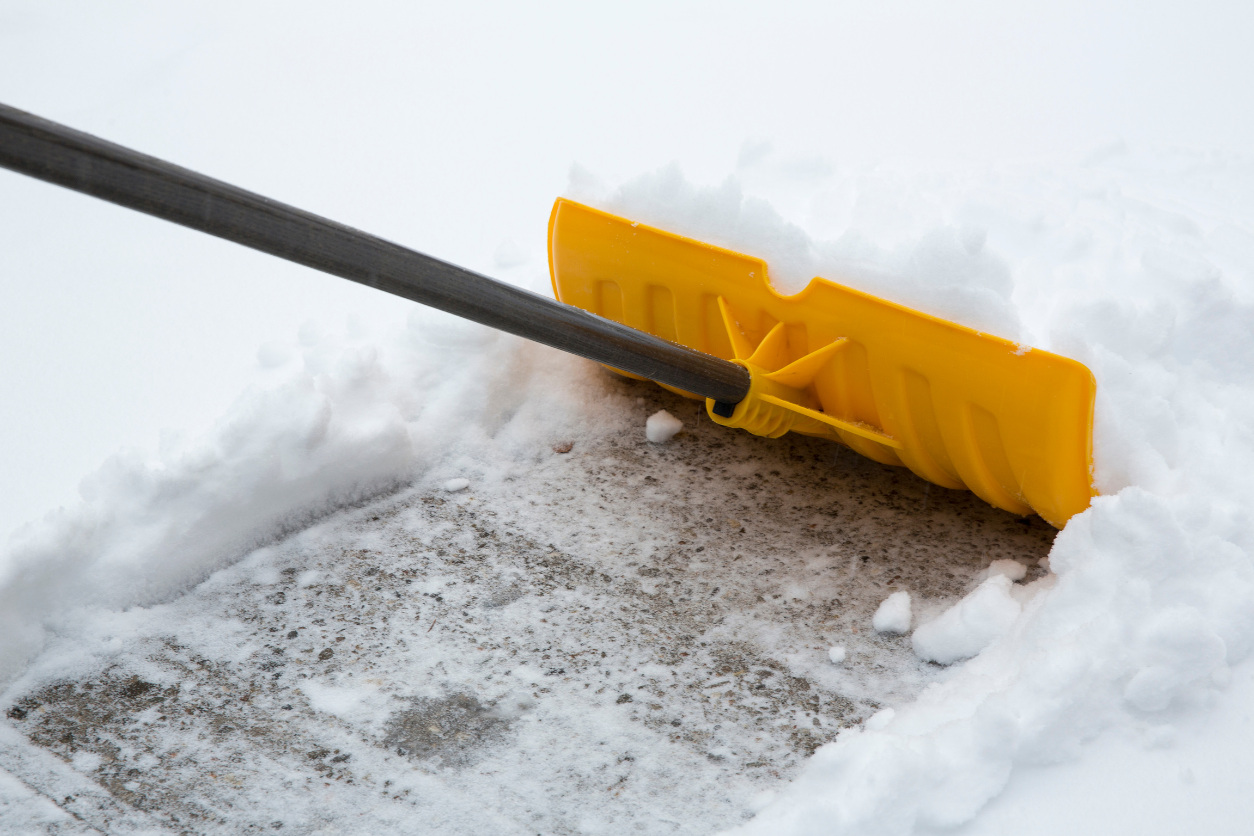
Many states across the U.S. are already blanketed in snow, and with winter in full swing, more snowfall is likely in the days ahead. This means one thing: it’s time to grab your shovel and start clearing the snow from driveways, sidewalks, and walkways—or prepare for the task if the snow hasn’t arrived yet.
It might be tempting to go out—either from sheer excitement (that many of us feel while clearing snow) or under the heavy weight of responsibility where you must get started—but it’s important to stop and consider the risks. The act of shoveling snow involves repetitive motion, heavy lifting, and often unpredictable conditions—all of which can put strain on the body and even lead to serious injuries. According to National Safety Council as many as 100 die because of snow shoveling and thousands of people get injured every year.
Understanding these risks isn’t about creating fear; it’s about being prepared. Injuries can often be avoided with proper knowledge and a few adjustments to technique and habits.
What Shoveling Snow Really Takes on Your Body
Shoveling snow is a full-body workout. It engages your arms, shoulders, back, and legs while also requiring a strong core to maintain balance. The effort of lifting heavy, wet snow repeatedly can cause muscle fatigue and strain if you’re not conditioned for this kind of physical activity. One of the most significant concerns is the added cardiovascular strain. Cold weather narrows blood vessels, which can increase blood pressure and force your heart to work harder.
Dr. Barry Franklin, director of preventive cardiology and cardiac rehab at Beaumont Royal Oak, has done extensive research on the strain snow shoveling puts on the body. He explains, “Snow shoveling involves arm work, which is more taxing than leg work. It also involves isometric training against heavy loads that you can’t move and cold temperatures, making it a very dangerous activity.” Combined with the sudden burst of physical exertion, this creates a dangerous situation, particularly for those with preexisting heart conditions. A study by the American Heart Association has shown that shoveling snow can increase the risk of heart attacks, especially among middle-aged men and older adults.
Improper technique can also increase the likelihood of injury. Bending at the waist, twisting the spine while throwing snow, or overloading the shovel can all lead to back injuries or herniated discs. These risks highlight why it’s essential to take snow shoveling seriously and not treat it as a casual chore.
Who Is Most at Risk?
While shoveling snow can be hazardous for anyone, some people are more vulnerable due to physical or medical factors.
Heart Conditions and Older Adults
People with cardiovascular disease, high blood pressure, or high cholesterol are at greater risk while shoveling snow. The combination of cold air and heavy exertion can lead to chest pain, shortness of breath, or even a heart attack. Dr. Barry Franklin, further explains, “If you’ve got known heart disease, had an angioplasty, bypass surgery, or signs of chest pain with exertion, you simply should not be out shoveling heavy wet snow.”
He notes that wet, heavy snow is particularly taxing and adds, “A shovel full of this snow equals about 16 pounds. If people do just ten minutes at 12 shovels a minute, that’s over 2,000 pounds—the weight of a midsize car. People have no idea how taxing it is on the system.”
Older adults often have reduced muscle strength and endurance, which further increases the strain on their bodies during physical tasks like shoveling.
Individuals With Back Problems
Those with a history of back pain or spinal issues are more likely to suffer injuries from improper technique or overexertion. The repetitive lifting and twisting motions involved in shoveling can easily aggravate existing conditions.
Sedentary Lifestyles
For individuals who don’t engage in regular physical activity, the sudden intensity of shoveling can lead to injuries or overexertion. Muscles that aren’t accustomed to heavy lifting are more likely to become strained or sore.
Children and Teenagers
Although younger people might seem more physically capable, they’re not immune to injuries. Kids and teenagers often lack the strength or proper technique needed for safe shoveling.
Key Safety Tips for Shoveling
Snow shoveling can be dangerous, but clearing your driveway is also essential. Here are some safety tips to follow.
Dress for the Job
Before you even pick up a shovel, make sure you’re wearing the right gear. Layered clothing helps retain heat while allowing flexibility. Waterproof gloves and boots with good traction can protect against frostbite and prevent slips. A hat is a must since a significant amount of body heat is lost through the head.
Choose the Right Shovel
Your choice of shovel plays a big role in how safe and effective the task will be. Opt for a lightweight, ergonomic shovel with a curved handle to reduce strain on your back. Avoid shovels with overly large blades, as they can tempt you to lift more than you should, increasing the risk of injury.
Warm Up First
Shoveling is no different from any other workout—it’s best to warm up your muscles beforehand. Take 5–10 minutes to stretch and loosen your arms, back, and legs. A quick walk or some light cardio can also help get your blood flowing and prepare your body for the task ahead.
Use Proper Technique
You can avoid major injuries if you use the proper techniques. While clearing the snow with a shovel, bend your knees and use your legs to lift instead of your back. Keep the shovel close to your body and avoid twisting your torso when throwing snow. Instead, step into the direction you’re tossing. Take smaller scoops to reduce the weight you’re lifting and minimize strain. Dr. Kyle Maclaine advises, “Take your time and pace yourself. Don’t try to do it all at once. If possible, shovel multiple times during a storm to avoid one big job.”
How Can You Prevent Falls While Shoveling
Slipping on ice is one of the most common causes of snow-related injuries. To avoid falls:
- Spread salt or sand on icy areas before you begin shoveling.
- Wear boots with non-slip soles.
- Keep an eye out for black ice, which can be nearly invisible.
If you do slip, try to fall with your arms bent to protect your wrists from injury and avoid landing directly on your back.
Alternatives to Shoveling
If snow shoveling feels too physically demanding, it is better to hire help or invest in a snowblower. Snowblowers reduce physical strain, although they still require careful handling to avoid accidents. Delegating the task to someone else—whether it’s a neighbor, family member, or professional service—can ensure your safety while keeping your property clear.
Decades of Combined Expertise
Best Buy Guidebook is a culmination of online publishing lessons learned. From SEO to paid ads, our team has experienced the highest of highs and the lowest of lows. Our goal now is simple: Arm readers with the most information possible.