
7 Items You Should Never Dry Clean to Make Them Last

Dry cleaning has its place. For tailored jackets, crisp trousers, or structured wool coats, it’s a solid option—often the only one. But it’s not a one-size-fits-all fix. In fact, regularly sending the wrong items to the dry cleaner can quietly ruin them. Solvents and heat don’t play nice with everything, and over time, some pieces wear down faster than they should. That’s the catch: while dry cleaning can preserve a garment’s shape, it might compromise the very material it’s made of.
So if you’re trying to keep clothes looking sharp without compromising their lifespan, it helps to know what not to send to the cleaners. These seven items deserve a different kind of care, because keeping them out of the solvent cycle is what actually helps them last.
1. Knits and Sweaters (Yes, Even the Fancy Ones)
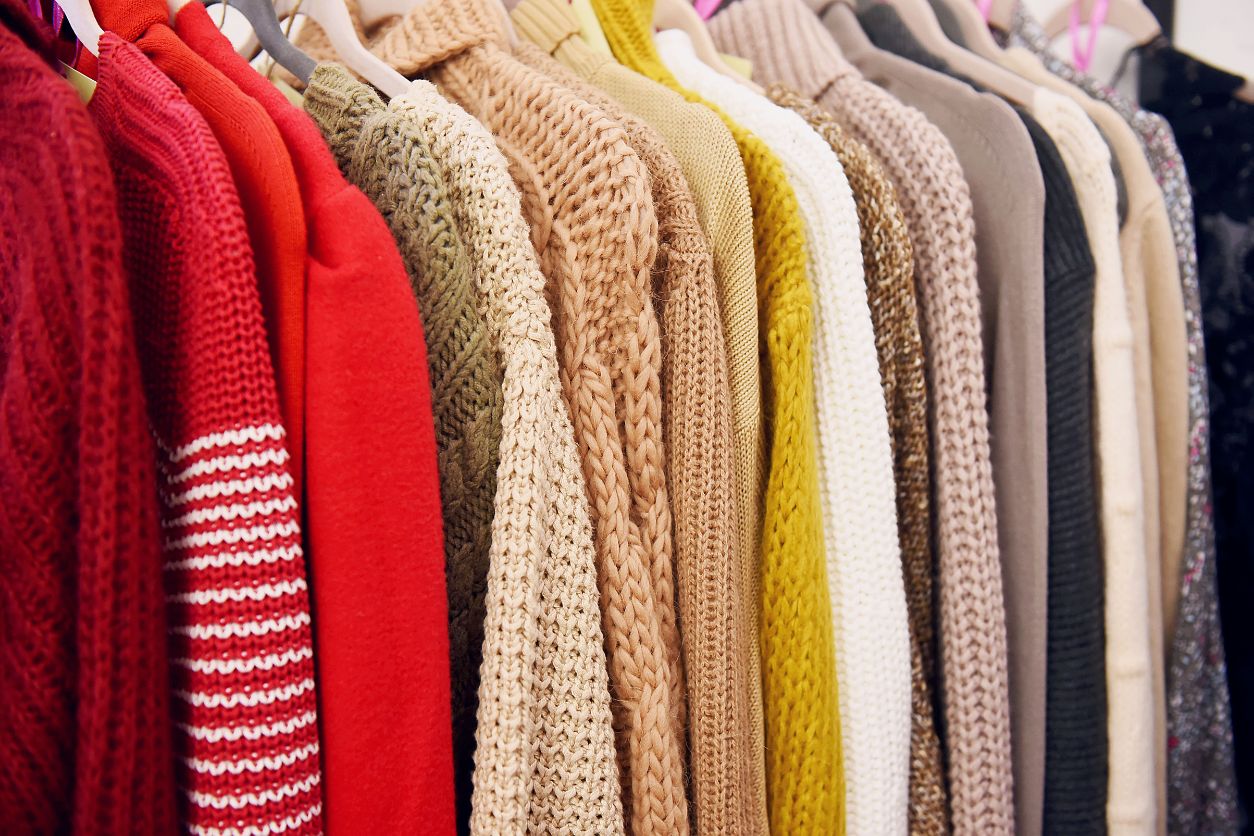
Wool, cashmere, and alpaca are soft, natural fibers that don’t take kindly to dry cleaning. The chemical process can pull out the oils that give them softness and flexibility, leaving sweaters brittle and prone to pilling. You might not notice after one trip, but over a season or two, the difference adds up.
Gentle hand-washing in cool water with a mild detergent works wonders. Lay it flat to dry on a towel, reshape it a little, and let it be. It may feel old-school, but there’s something about the ritual of taking care of a good sweater that makes it feel like yours again.
2. Anything with Sequins, Beads, or Embellishments
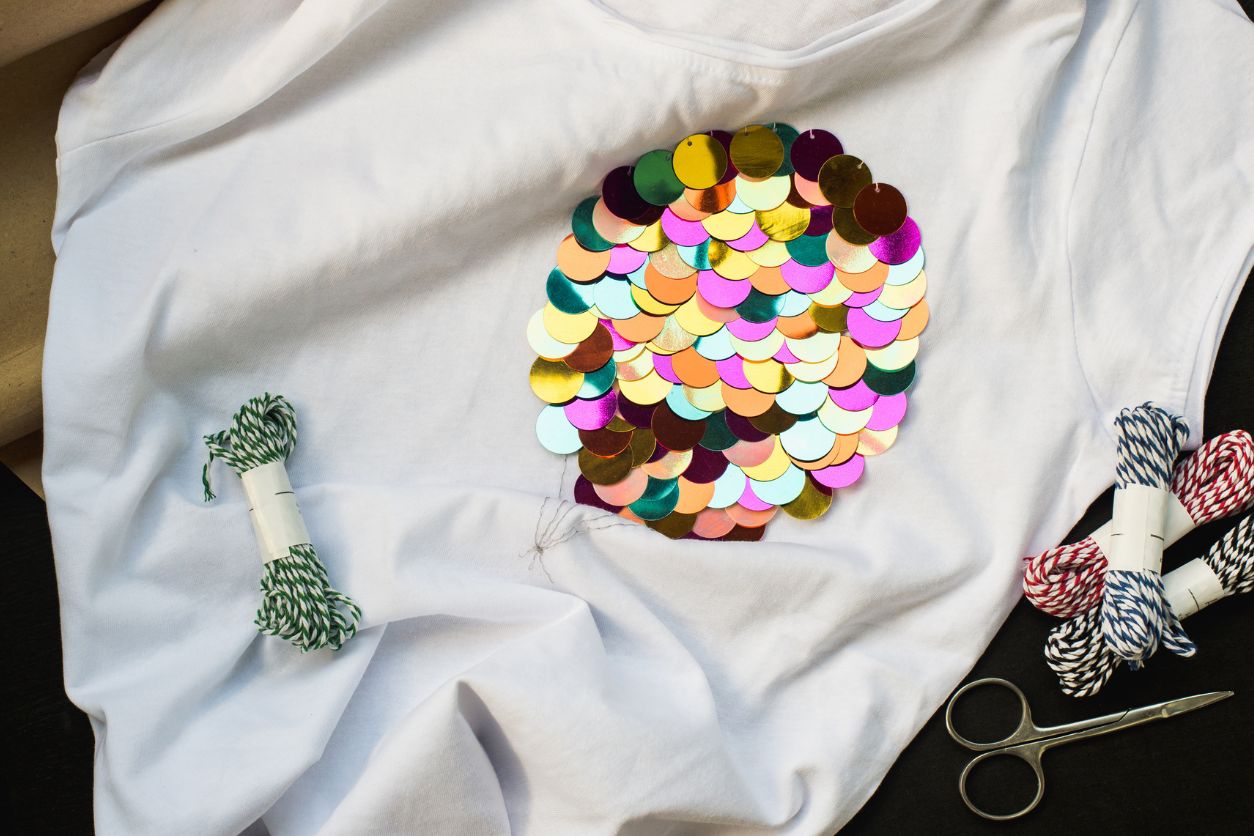
If it sparkles or jingles, think twice. Embellishments are often glued on, and glue rarely holds up under the heat and chemicals of dry cleaning. Even if they’re sewn, sequins can warp or lose their sheen. There’s also the risk of other garments in the load pulling at delicate threads.
Spot clean when possible. If the base fabric allows, a gentle hand wash inside out with a pressing cloth to blot excess water is a safer route. If it’s a showstopper piece, sometimes doing less is the way to preserve it.
3. Leather and Suede
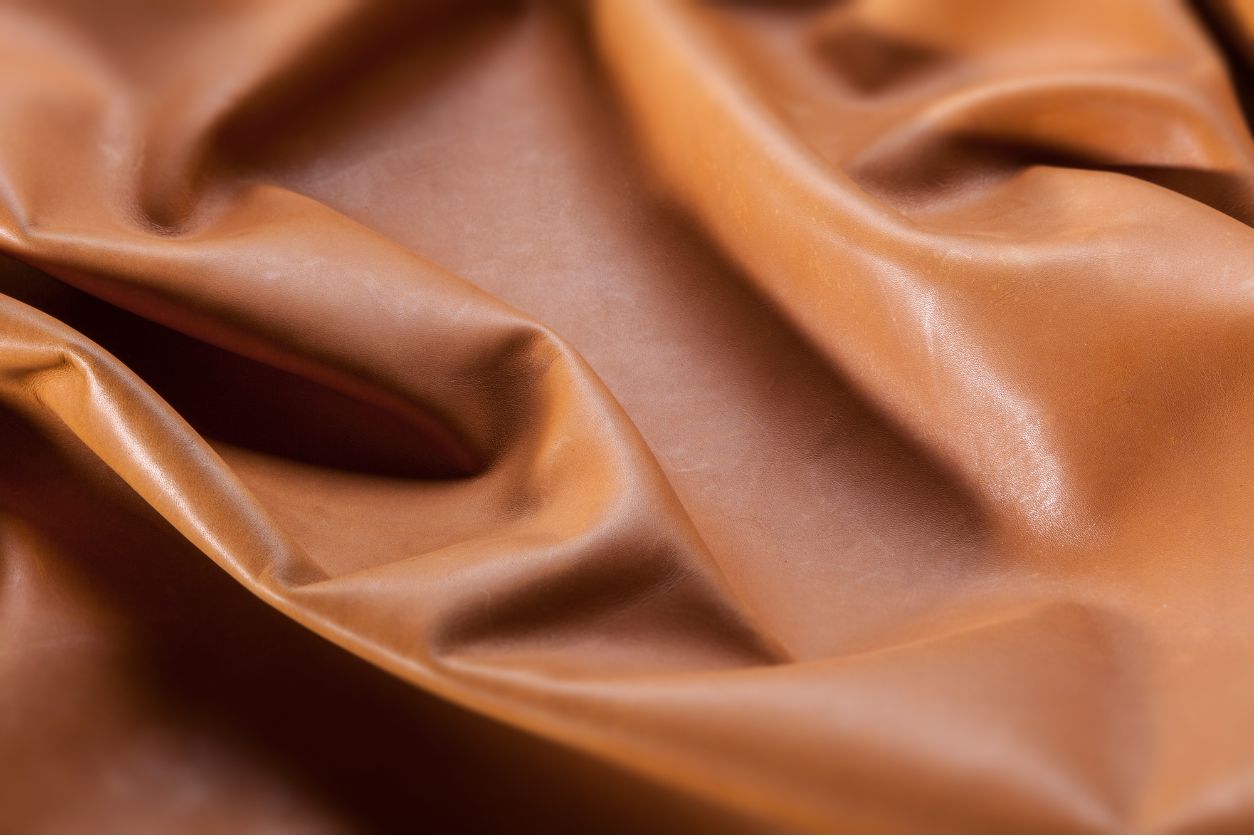
Regular dry cleaners aren’t equipped for leather or suede. These materials need a totally different cleaning process, usually handled by professionals who only deal with hides.
Otherwise, you’re risking dried-out leather, discolored suede, or worse, stiff, cracked panels. For day-to-day upkeep, a soft cloth and a dab of leather conditioner go a long way. If something really needs cleaning, find a leather specialist who knows how to treat it without turning it into a before-and-after horror story.
4. Trims, Lace, and Delicate Finishes
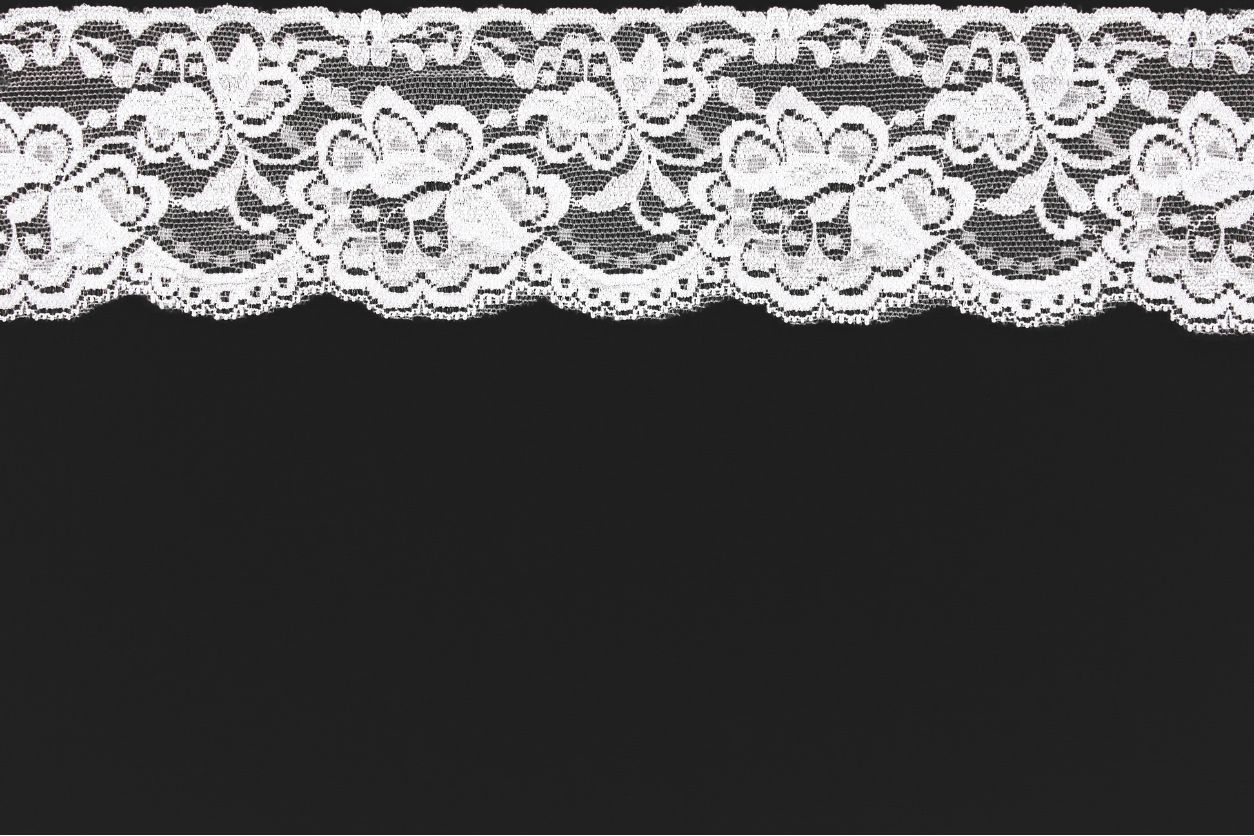
A simple blouse might seem fine for the cleaners until you look closely at the collar or hem and spot that lace or ribbon edging. These kinds of accents are usually more delicate than the main fabric, and they don’t always hold up to industrial cleaning methods.
Delicate hand-washing or even just a light steam refresh at home keeps the details intact. And if there’s a stain, target that area specifically instead of sending the whole piece off.
5. Clothes with Stretch (Spandex, Lycra, Elastane)
Here’s the thing with stretch fabrics: they’re built for movement. But dry cleaning can break down the very fibers that give them that bounce. Suddenly, your yoga pants lose their shape, or that fitted dress doesn’t quite hug in the same way.
The fix is simple: machine wash on cold, skip the fabric softener, and air dry. It’s a small switch, but one that keeps stretch clothes… stretchy.
6. Pieces with Plastic or Faux Leather Accents
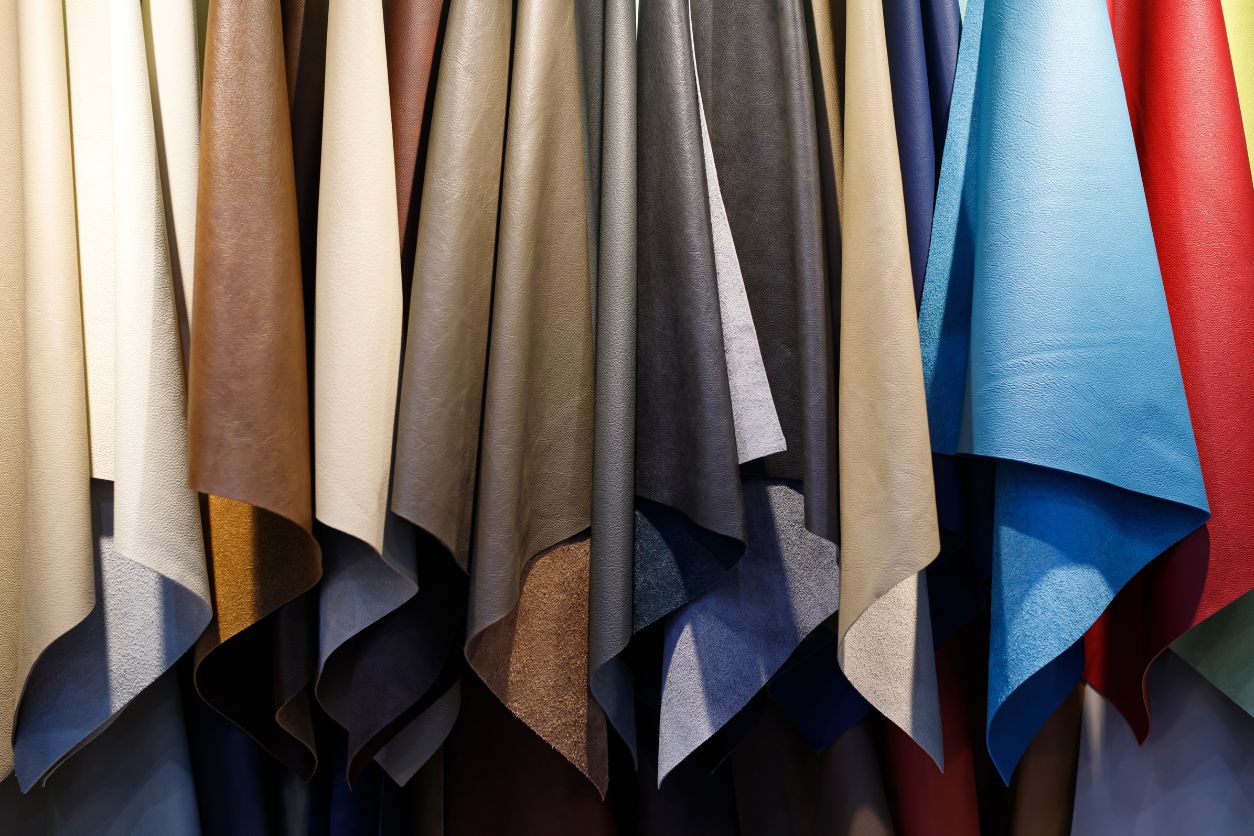
Dry can be a silent killer for jackets with the faux leather lapels or plastic buttons. Heat can warp synthetic trims. Solvents can cause discoloration, cracking, or even melting. One minute it’s a sharp detail, and next thing you know, it’s peeling like a sunburn.
7. Hand-Dyed or Painted Fabrics
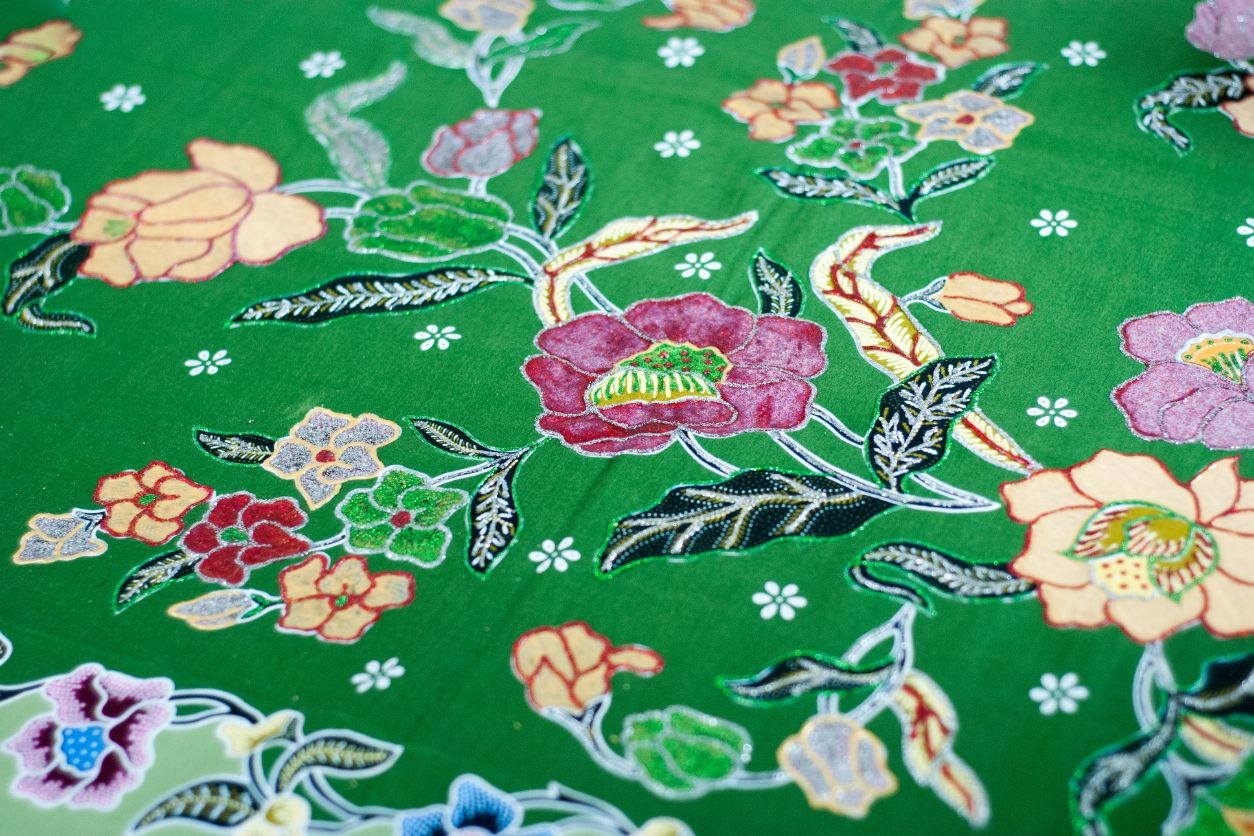
Batik prints, tie-dyes, and anything painted by hand shouldn’t be anywhere near traditional dry cleaning. The colors often aren’t set to withstand chemical solvents. Even if the garment comes back intact, the vibrancy may be gone.
Cold water, minimal soap, no soaking. That’s the formula. Let it air dry in the shade to keep the tones rich. These pieces are usually one-of-a-kind—treat them that way.
When Dry Cleaning Is the Right Call
Tailored pieces, wool blazers, and lined trousers are built for dry cleaning. Structured garments hold their shape better when dry cleaned, and some fabrics, like silk or acetate, can stain or shrink in water.
But here’s what most people miss: “dry clean only” is sometimes a manufacturer’s safety net. It doesn’t always mean that’s the only way. Take a look at what the garment’s made of. A lot of cottons, linens, and synthetics labeled dry clean can actually be hand-washed or run through a delicate cycle, especially if there’s no lining involved.
And don’t forget to ask questions. Some cleaners now offer gentler alternatives, like liquid CO₂ or eco-friendly solvents. If something matters to you, it’s worth a quick conversation before handing it over.
Decades of Combined Expertise
Best Buy Guidebook is a culmination of online publishing lessons learned. From SEO to paid ads, our team has experienced the highest of highs and the lowest of lows. Our goal now is simple: Arm readers with the most information possible.