
9 Places in Your Kitchen That Are Way Dirtier Than You Think

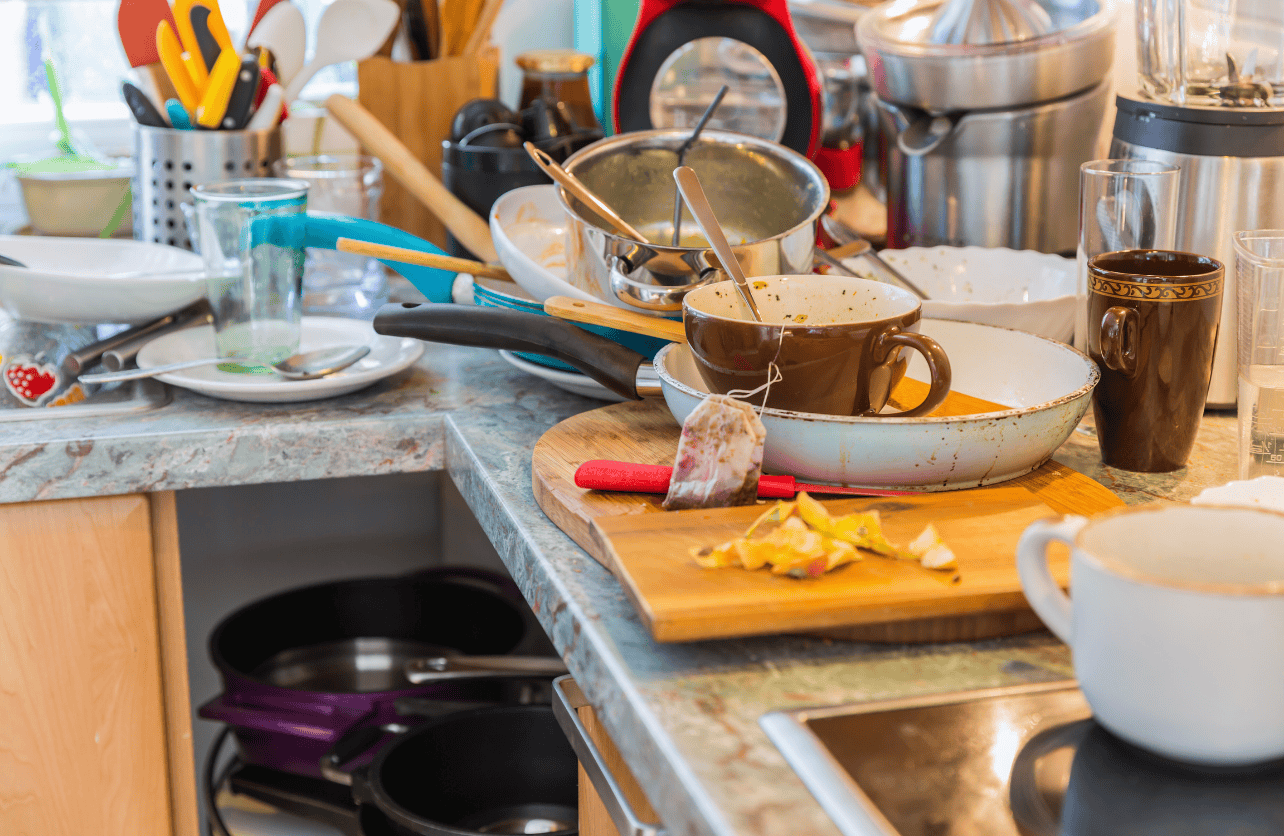
Most people think their kitchen is clean because it looks clean. Counters are wiped, dishes done, and trash taken out. But the dirtiest places in the kitchen aren’t always in plain sight—they’re the ones we never think to check. It’s not that we’re careless; we just don’t expect the spots behind, beneath, or between to be hiding so much grime.
The truth is, bacteria thrive in warm, damp, and undisturbed places, and modern kitchens offer plenty of those. Areas that seem too small to matter, or too clean to question, often end up being the worst offenders. According to research from the NSF, some kitchen items contain more bacteria than your toilet seat. That includes everyday tools we handle without even thinking.
The Dirtiest Places in the Kitchen
Once you know where bacteria love to hide, it becomes easier to stay ahead of them. Here are nine places in your kitchen that deserve more attention than they usually get.
1. The Rubber Seal on Your Fridge Door
The flexible seal around the fridge door is a quiet collector of crumbs, moisture, and mold. Every open-and-close brings in tiny bits of food, especially if you store produce or leftovers without lids. The folds trap everything from onion peels to sticky juice drips. Wipe it down weekly with warm, soapy water and get into the creases with a cotton swab or old toothbrush.
2. Under the Coffee Maker’s Hood
The reservoir in your coffee maker rarely gets the cleaning it needs. It’s warm, dark, and wet—a perfect storm for mold and yeast. A regular rinse isn’t enough. Run a half vinegar–half water solution through it every few weeks, let it sit, then flush with plain water. You’ll notice the difference not just in cleanliness, but in taste.
3. The Sponge and Dish Rag
We all know the sponge isn’t exactly pristine, but it’s worth repeating: it’s usually the single dirtiest thing in the kitchen. Left damp, it becomes a bacterial sponge in the worst sense. Dish rags don’t fare better. Wash them in hot water often, microwave your sponge (damp) for a minute now and then, and replace both regularly.
4. Inside the Knife Block
This one feels clean until you actually check. Knives go in wet. Crumbs fall in. The inside of a knife block becomes a cozy, dark tunnel for bacteria. Flip it over and shake it out every week. Use a pipe cleaner or bottle brush with vinegar to reach inside. Let it dry thoroughly before restocking.
5. The Blender Gasket
Most people don’t take apart the bottom of their blender. That’s a mistake. Under the blade—right at the rubber ring—is where bits of food, moisture, and bacteria quietly collect. It doesn’t take long for it to smell or grow mold. Always disassemble the base, clean thoroughly, and dry completely before putting it back together.
6. Light Switches and Appliance Buttons
Think about how often you flip the light or press the microwave keypad while cooking. Now think about where your hands just were. Light switches, stove knobs, and appliance buttons are prime zones for grease and bacteria. Give them a regular once-over with a cloth and soapy water. It takes less than a minute and makes a big difference.
7. The Area Under the Sink
The area under the sink is dark, damp, and it usually smells a little off. That’s because the space under the sink collects everything: leaking dish soap, damp sponges, trash bags, and the occasional forgotten cleaning spray. Check for moisture or signs of mold regularly. Use a liner at the base to catch drips, and toss out anything expired or unused.
8. The Tops of Cabinets and the Range Hood
The top-of-the-range hood and upper cabinets are out of sight and often out of mind. But they’re prime real estate for grease and dust to mix into a sticky film that builds up over time. Once you notice it, you can’t unsee it. A degreasing spray and microfiber cloth can tackle it. For upkeep, lay down parchment paper on top of the cabinets—it’s easy to change every few months.
9. The Reusable Grocery Bags You Keep in the Kitchen
They’re meant to be eco-friendly, but if you’re storing reusable grocery bags in the kitchen, especially near the fridge or pantry, they can carry germs from produce, raw meat, and public carts right into your space. Wash fabric bags regularly and don’t store them near food prep areas. Consider keeping them in a separate drawer or entryway instead.
Decades of Combined Expertise
Best Buy Guidebook is a culmination of online publishing lessons learned. From SEO to paid ads, our team has experienced the highest of highs and the lowest of lows. Our goal now is simple: Arm readers with the most information possible.