
How Often I Vacuum My Carpet (and Why You Might Need to Do It More)

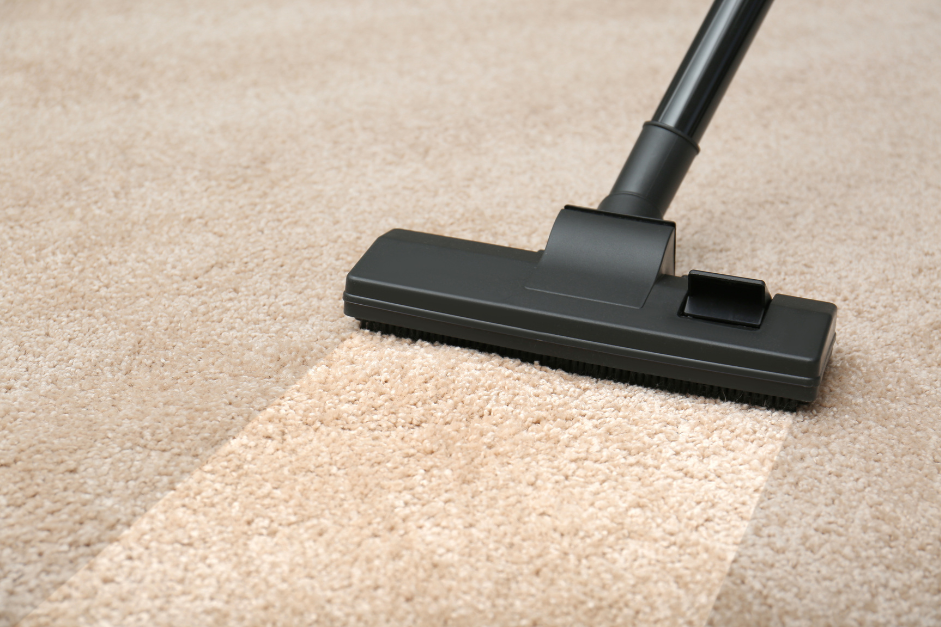
For years, I vacuumed my carpet the same way I watered my houseplants—sporadically, with good intentions but questionable consistency. Maybe once a week, maybe less, depending on how much spare time there was. I used to think that was plenty—until I realized just how much dust, dander, and who-knows-what-else was lurking below the surface. It made me ask myself, how often should you vacuum to actually make a difference? As I started sneezing more, noticed my carpets looking dull, and read up on air quality, I reconsidered my whole approach.
I’ll admit I went down a bit of a rabbit hole. I learned that carpet fibers hold onto dirt far longer than hard floors, and if you don’t stay on top of it, that buildup can affect everything from how fresh your home feels to how long your carpet actually lasts. So, I changed my routine—and the difference was huge. Let’s break it down.
Carpet Dirt Builds Up Faster Than You Realize
Here’s something I wish I had known earlier: just because a carpet looks clean doesn’t mean it is clean. Dirt settles deep into the fibers, way past what your eyes can see. Every time you walk across it, you grind that dirt further in and make it harder to remove later.
Then there’s the dust. I always assumed most of the dust in my home came from surfaces, but carpets are like giant filters—they trap dust, allergens, and even bacteria. Some of that dust even gets kicked back into the air. If you’ve ever noticed a musty smell in a room, there’s a good chance your carpet is holding onto more grime than you think.
How Carpet Material Affects How Often You Should Vacuum
Not all carpets are the same, and that was another lesson I had to learn. If you’ve got a thick, plush carpet, it’s going to hold onto dirt much more than a low-pile rug. Those longer fibers trap dust deep inside, meaning it takes more effort to keep them clean.
On the other hand, if you have a loop or low-pile carpet, you can get away with vacuuming less often because dirt doesn’t settle as deeply. But here’s the thing: while they might not look as dirty, they still collect dust, especially in homes with pets or kids.
I also learned that carpet material makes a difference. Synthetic fibers tend to be more forgiving, while wool carpets (which are fantastic for durability) are more delicate and need gentler vacuuming. Which brings us to our next point;
Can You Vacuum Too Often?
At one point, I got so into my new cleaning routine that I vacuumed every day. The more, the better, right? Wrong. It turns out that too much vacuuming can actually cause its own set of problems.
If you’re using a high-powered vacuum with stiff bristles on a delicate carpet, you might be wearing down the fibers faster than necessary. Over time, this can lead to matting, fraying, or just making your carpet look older than it really is.
That said, if you have pets or allergies, vacuuming daily (or at least every other day) in high-traffic areas can still be a good idea, as long as you use the right settings. Switching the vacuum to a gentler setting and alternating between a deep clean and a quick surface pass can help keep the carpets fresh without causing damage.
Does Vacuum Type Matter? The Difference Between Standard, HEPA, and Robot Vacuums
I used to think all vacuums were pretty much the same. As long as they made noise and sucked up dirt, the job was done. That was until I learned that different vacuums do very different jobs.
A standard vacuum is fine for everyday messes, but if you have allergies (or pets), a HEPA-filter vacuum is better for you. It traps smaller particles, meaning less dust floating around in the air. I noticed I wasn’t sneezing as much after switching to one, and it even helped cut down on that lingering pet smell.
Then there are robot vacuums. I love mine, but let’s be honest—it’s not a replacement for deep cleaning. It’s great for keeping things manageable between bigger vacuuming sessions, but if you think a robot vacuum alone will do the job, you might be disappointed. They’re best for maintenance, not heavy lifting.
Why Your Vacuuming Schedule Should Be Different for Bedrooms, Living Rooms, and Hallways
Another huge mistake I made was vacuuming every room at the same frequency. I’d hit the entire house once a week and call it a day. But different spaces have different needs.
High-traffic areas like hallways, living rooms, and entryways collect dirt faster. They need vacuuming at least two to three times a week, especially if you have pets or kids tracking in dirt from outside.
Bedrooms, on the other hand, don’t see nearly as much foot traffic, so vacuuming once a week is usually enough. The only exception is if you have allergies. Dust mites love carpets, and since bedrooms are where you sleep, keeping them extra clean can help you breathe better at night.
The kitchen, if you have carpet there (which, honestly, I don’t recommend), needs even more attention because of food crumbs and spills. Even a small area rug near the kitchen will need constant vacuuming because of its ability to attract everything.
My Ideal Vacuuming Routine (and How You Can Customize Yours)
After plenty of trial and error, I finally settled on a routine that keeps my carpets fresh without making me feel like I live with a vacuum attached to my hip.
- High-traffic areas (living room, hallways): Vacuum every other day
- Bedrooms: Once a week or twice if allergies are an issue
- Low-traffic areas (guest rooms, offices): Every 10-14 days
- Rugs in entryways: Every few days, especially in wet or dusty seasons
- Spot-cleaning: As needed for spills or pet messes
Of course, this isn’t a one-size-fits-all rule. If you have kids, or pets, or live in a dusty area, you might need to adjust accordingly. Just make sure to pay attention to your home—if your carpet feels grimy underfoot, looks dull, or smells a little musty, it’s probably time to vacuum.
Decades of Combined Expertise
Best Buy Guidebook is a culmination of online publishing lessons learned. From SEO to paid ads, our team has experienced the highest of highs and the lowest of lows. Our goal now is simple: Arm readers with the most information possible.