
How to Vacuum the Right Way and Tackle Every Surface in Your Home

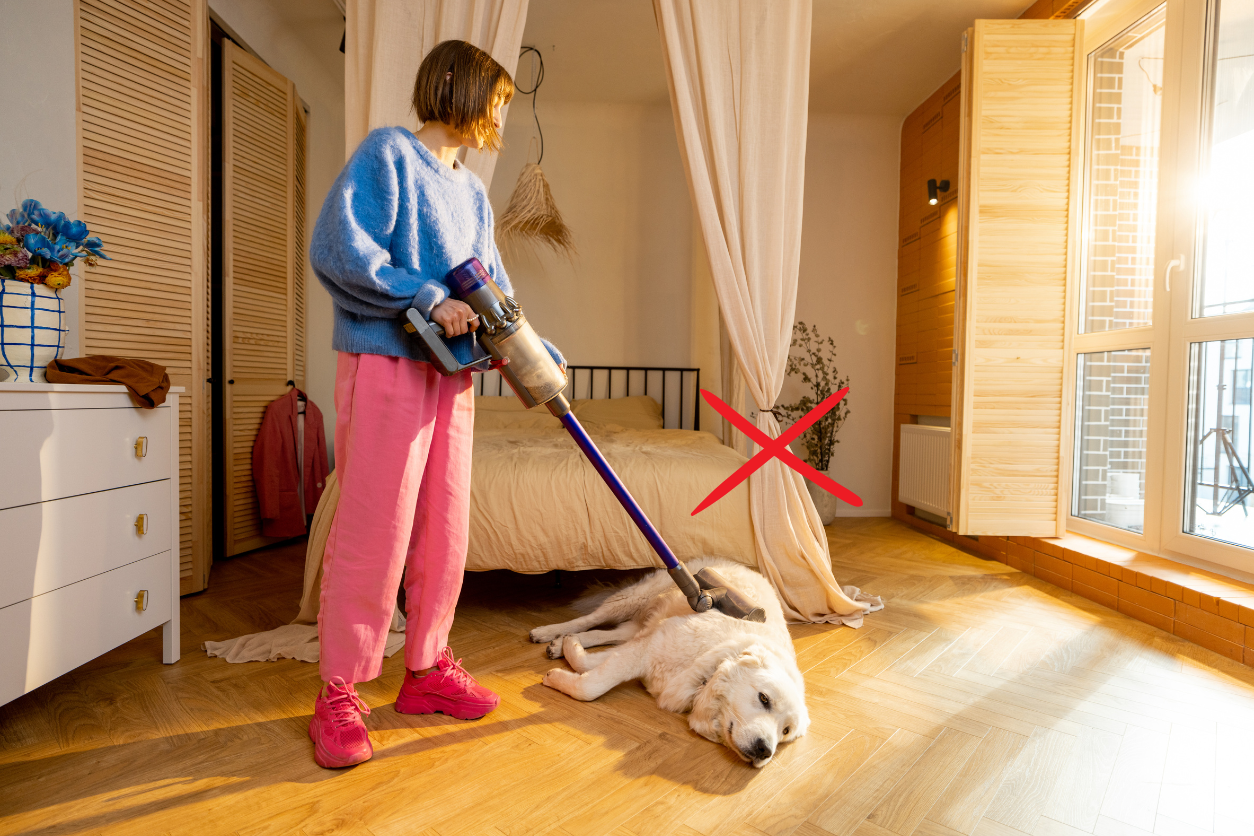
With vacuum cleaners, cleaning homes has become easier than ever. It’s true, but the process of vacuuming does not always result in a crisp, clean home – it turns out there is a proper (or more precisely, right) way to do it. In your home, you have hard floors, carpeted surfaces, and couches, and each requires a different method to be properly cleaned.
It becomes even trickier if you’re living with pets – they shed, and their hair gets stuck everywhere. However, if done correctly, vacuuming can keep your floors looking great, extend their lifespan, and even improve the air you breathe. It’s about being smart with your approach and knowing how to tackle different surfaces, high-traffic spots, and those tricky corners.
Prepare Your Vacuum
Before you even start, make sure your vacuum is in top shape. A clogged vacuum or full dustbin can significantly reduce suction, which means you’ll end up working harder without getting great results.
If your vacuum uses a bag, ensure it’s not near full. Empty it when it approaches the fill line to maintain maximum efficiency. For bagless models, clean out the dustbin after every use.
Hair, strings, and fibers can get tangled in the vacuum’s brush rollers. Use scissors to carefully cut and remove debris, as clean rollers allow the vacuum to pick up dirt more effectively. Many vacuums have filters that trap dust and allergens. Wash or replace them as needed to maintain optimal airflow.
Prepare the Space for Vacuuming
Once your vacuum cleaner is ready, begin by clearing the floor of any obstacles—shoes, toys, random socks—whatever’s lying around. This makes it easier to maneuver and ensures you’re not skipping over spots. For larger furniture, focus on cleaning the areas you can reach and plan to tackle those hidden zones during a deep clean.
Next, dust surfaces like shelves, baseboards, and window sills. Dust tends to settle on lower surfaces, so vacuuming afterward will pick up any particles that fall to the ground. Don’t forget to check your vacuum’s dustbin or bag and ensure it’s not full—an overfilled vacuum loses suction power, which compromises its effectiveness.
Clean in Sections
When you’re ready to get started, don’t just vacuum at random. Divide the room into sections, and focus on one area at a time. Starting at the farthest corner and working toward the exit is a good rule of thumb. This prevents you from stepping over areas you’ve already cleaned, which is especially important for carpets where footprints are noticeable.
Take your time with each section – slow, steady strokes are more effective than quick passes, especially on carpets where dirt can get buried deep in the fibers. If you’re working in high-traffic zones like hallways or entryways, consider going over those spots a few extra times. A little patience here can make all the difference.
How to Clean Carpets with a Vacuum
Carpets are where vacuuming gets serious, especially if you want to keep them looking fresh and plush. Start by sprinkling a bit of baking soda over the carpet—it’s a simple trick to neutralize odors and leave your home smelling clean. Then, begin vacuuming in straight, deliberate rows. Push the vacuum forward to lift the fibers and pull it back slowly to pick up dirt buried deep within. The key here is to take your time. A slow, steady pace allows the vacuum to do its job properly, especially in high-traffic areas like hallways or living rooms.
For an even deeper clean, go over the carpet a second time, but this time, change your angle by 90 degrees. It might seem like overkill, but this crosshatch pattern helps catch dirt and debris that might’ve been missed the first time. If you’re dealing with thick or high-pile carpets, adjust your vacuum’s height setting so it glides smoothly without flattening the fibers. The result? A carpet that feels and looks as good as new.
How to Clean Hard Floors with Vacuum
Vacuuming hard floors like wood, tile, or laminate requires a slightly different approach than carpets. First, make sure your vacuum’s brush roll is turned off to avoid scratching the surface or scattering dirt. If there’s visible debris like crumbs or leaves, you might consider sweeping first to prevent potential damage. Use your vacuum’s hard floor attachment or mode if it has one, as these are designed to glide smoothly over non-carpeted surfaces. Pay special attention to corners, edges, and baseboards, as dust tends to accumulate in these areas. A crevice tool works wonders for getting into those tight spaces. By taking your time and using the right tools, you can keep hard floors spotless without any hassle.
How to Clean Rugs and Upholstery with Vacuum
Rugs often need a little extra attention. For area rugs, it’s smart to vacuum both sides. Dirt and dust can settle underneath, and flipping the rug over helps you tackle those hidden messes. For more delicate or high-pile rugs, use a gentle setting to avoid damaging the fibers. And if it’s a small, portable rug, take it outside and give it a good shake before vacuuming.
When it comes to upholstery, use the specialized tools that come with your vacuum. Couches, chairs, and cushions collect dust, crumbs, and—if you’ve got pets—plenty of furs. Pay attention to seams and crevices, as these are prime spots for debris. A little time spent vacuuming upholstery can make your furniture feel as fresh as your floors.
How to Clean Stairs and Tight Spaces with Vacuum
Stairs and tight spaces are often the forgotten corners of a cleaning routine, but they can collect a surprising amount of dust and debris. Using a handheld vacuum or a lightweight model makes the job much easier. Start at the top of the staircase and work your way down, focusing on the edges and corners where dirt tends to accumulate.
For tight spaces, switch to a crevice tool or a small brush attachment. These areas may require a little extra patience, but they make a big difference in how clean your home feels. Tackling these overlooked spots regularly will prevent dirt from piling up and keep your entire home looking polished.
Pet Owners’ Guide to Vacuuming
If you have pets, you know their fur has a magical way of ending up everywhere. Tackling it requires a bit of extra effort, but it’s worth it for a cleaner, healthier home. Start by brushing your pets regularly to reduce shedding. Then, focus on the areas they frequent— couches, pet beds, and carpets.
Look for a vacuum with strong suction or pet-specific attachments. Rubberized tools work wonders for loosening hair that’s embedded in fabric or carpet. Don’t forget to vacuum their bedding too—it’s an easy spot to overlook, but it can harbor a lot of dander and odors. Regularly cleaning these areas makes a big difference.
Decades of Combined Expertise
Best Buy Guidebook is a culmination of online publishing lessons learned. From SEO to paid ads, our team has experienced the highest of highs and the lowest of lows. Our goal now is simple: Arm readers with the most information possible.